REVIEW · PARIS
Paris: Pastry Class with Ferrandi Chef at Galeries Lafayette
Book on GetYourGuide →Operated by Galeries Lafayette Paris Haussmann · Bookable on GetYourGuide
Paris makes pastry feel like a national sport. A short class in a real Ferrandi kitchen at Galeries Lafayette makes it practical, not intimidating.
I love that you get hands-on instruction plus time to taste what you make, and I also love the small-group setup (max 6), which means you’re not just watching from the sidelines. One heads-up: the cooking portion is fast-moving, so if you prefer slower pacing or wish you had a longer way to review steps, the 2-hour format may feel a bit tight.
In This Review
- Key points worth knowing before you go
- Inside Ferrandi at Galeries Lafayette: Paris Pastry Meets a Big-Name Landmark
- Choose Your Recipe: Strawberry Pie, Millefeuille, or Saint-Honoré
- The 2-Hour Flow: Cooking Time, Tasting Time, and Why It Works
- What You’ll Learn: Techniques, Chef Tricks, and Real Feedback
- The Paris Setting: Making Pastry in a Landmark Atmosphere
- Small Group (6 Max) Means You’ll Actually Get Answers
- Price and Value: Is $153 Worth It?
- Practical Tips: What to Bring, and How to Prepare
- Who This Class Is Best For
- Should You Book This Ferrandi Pastry Class?
- FAQ
- What recipes can I choose from?
- How long is the class?
- Is the class taught in English or French?
- What is included in the price?
- Are drinks included?
- Where do I meet the group?
- Are there age restrictions?
Key points worth knowing before you go
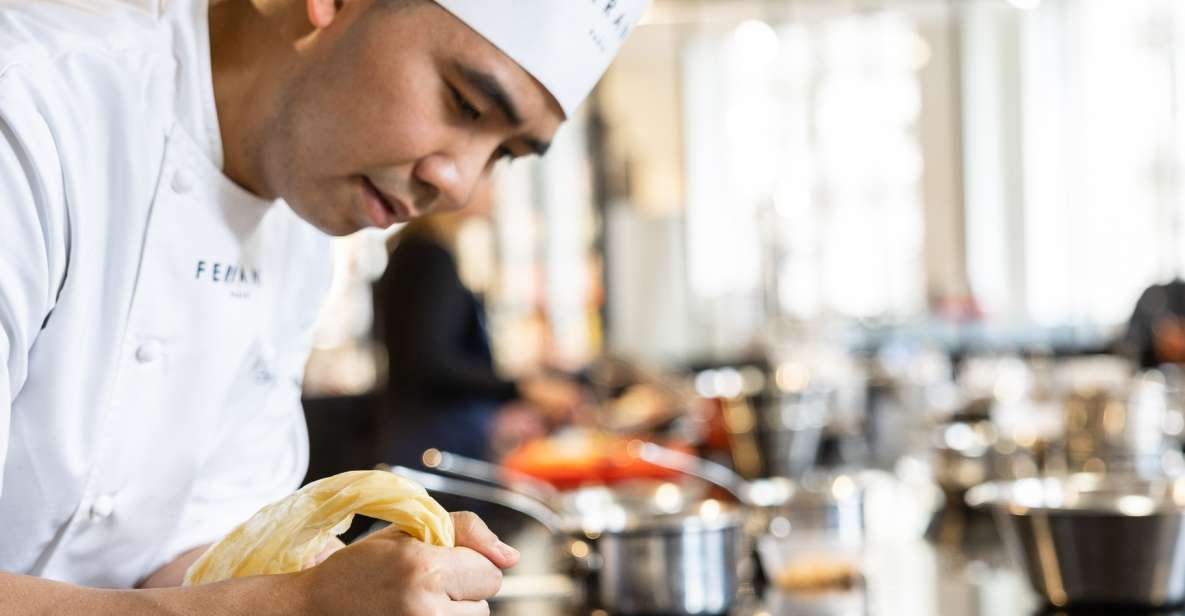
- Ferrandi Kitchen setting inside Galeries Lafayette gives the class real Paris energy
- Small group (6 max) helps you get direct answers while you work
- Pick your pastry from options like strawberry pie, millefeuille with vanilla, or Saint-Honoré cake
- 1.5 hours cooking + 30 minutes tasting keeps you moving and helps you learn by doing
- You leave with a recipe, plus the chef’s approach you can copy at home
- English or French instruction means you can match your comfort level
Inside Ferrandi at Galeries Lafayette: Paris Pastry Meets a Big-Name Landmark
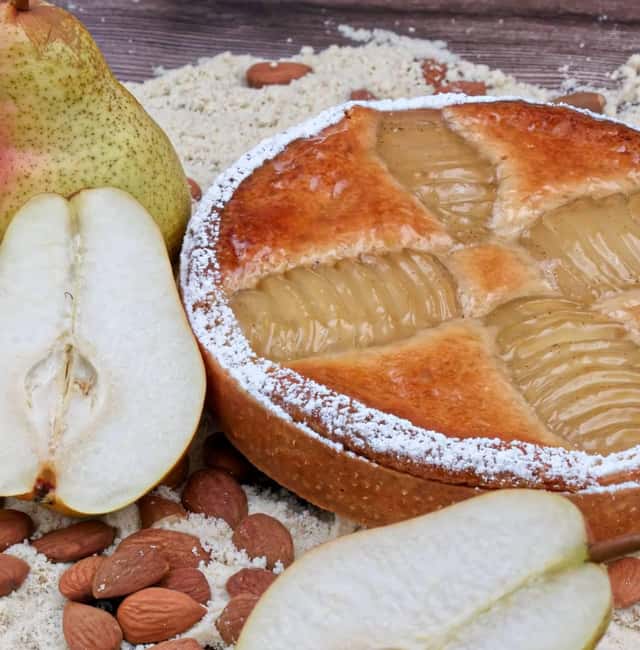
Taking a French pastry class in Paris is one thing. Taking one in a working-style kitchen with the Ferrandi setup is another. The venue matters because it changes how the lesson feels: less like a demo, more like you’re stepping into a professional workflow for a couple of hours.
The experience is based at the Ferrandi Kitchen on the 3rd floor of Galeries Lafayette La Maison & Le Gourmet, on Boulevard Haussmann. That location is practical for visitors because Galeries Lafayette is easy to find, and it gives you a built-in sense of place. You’re learning pastry craft in one of the city’s most recognizable interiors, not hidden in a back street studio.
I also appreciate the tone the class appears to follow: calm, structured, and focused on fundamentals. In a good pastry class, you learn not only what to do, but why a step matters—like how technique affects texture. Here, the emphasis is on learning the basics of French pastry, then building up with methods and chef tricks you can actually use again.
One small practical detail: drinks aren’t included. In a pastry class, you’re tasting and working with sugar, butter, and dough. You’ll feel better if you plan a water bottle or grab a drink before you start.
You can also read our reviews of more tours and experiences in Paris

Choose Your Recipe: Strawberry Pie, Millefeuille, or Saint-Honoré
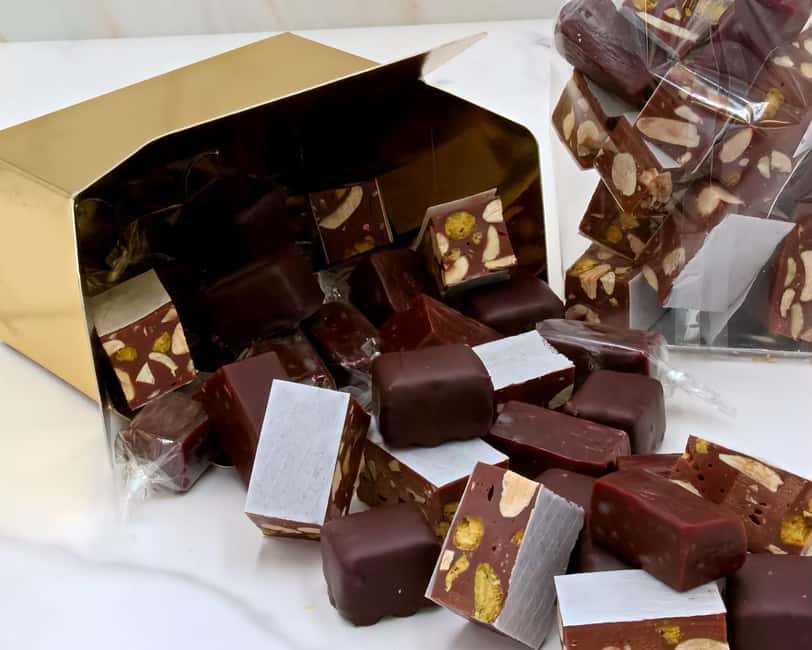
Your class revolves around making one featured pastry, and you can choose from multiple options: Strawberry pie, Millefeuille with vanilla, or Saint-Honoré cake. That choice is more than “which dessert do you like?” It changes the skills you practice.
Here’s what each option generally teaches you, in plain terms:
- Strawberry pie is a great pick if you want something fruit-forward and understand how to work with filling and pastry structure without turning it into a science experiment.
- Millefeuille with vanilla is ideal when you want to focus on layering and precision. It’s the kind of dessert where small differences show up fast.
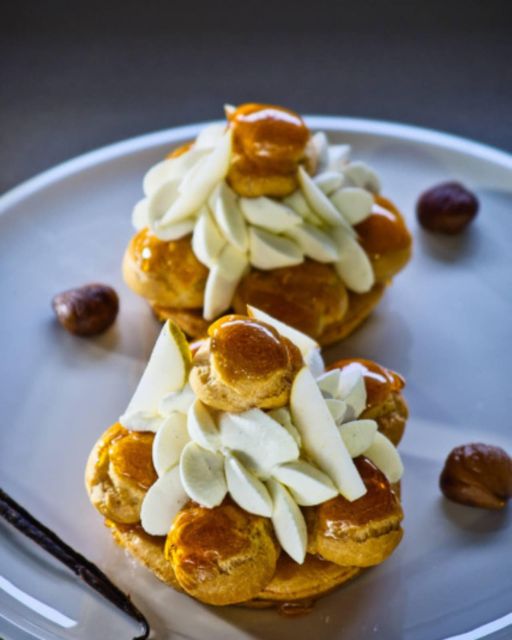
- Saint-Honoré cake is the bold option. It’s often associated with a more complex build, so it tends to reward focus and gives you a chance to learn a more showpiece-style technique.
What I like about having choices is that it helps you match the class to your goal. Want a confident “I can do this” pastry for home? Pick something that feels fun and doable. Want a challenge you’ll brag about? Go for the more intricate one.
And you’ll also be using chef guidance to get there, not guessing with butter and hope. The class is described as interactive, and the lesson flow is built around you working while the chef shows the method.
The 2-Hour Flow: Cooking Time, Tasting Time, and Why It Works
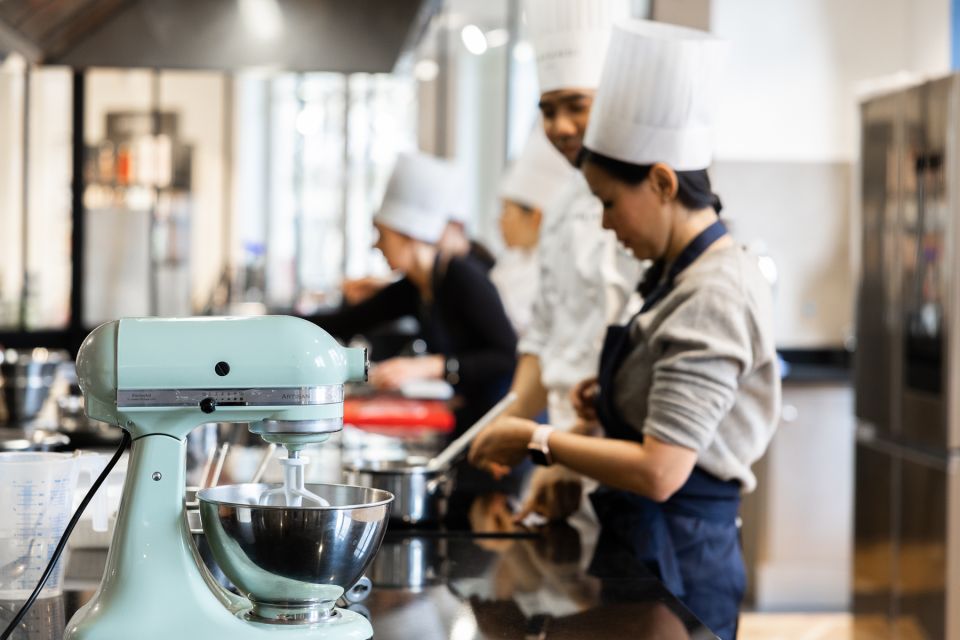
The total class time is 2 hours, with about 1.5 hours of active baking and the final half hour tasting. This timing is a key part of why the class can feel satisfying instead of exhausting.
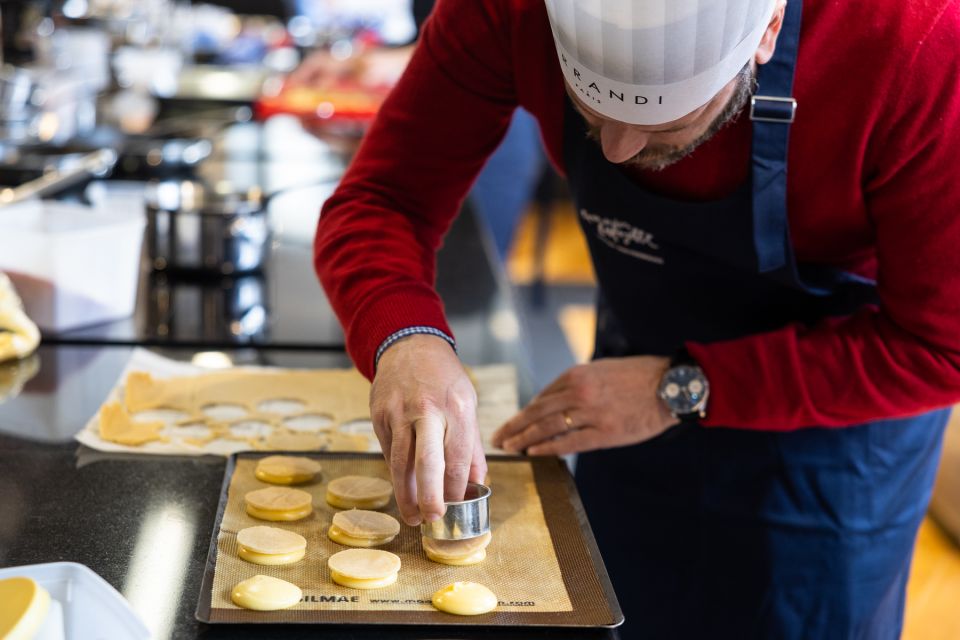
The cooking portion is where you learn the most. You’ll meet your expert chef and classmates first, then get started learning French pastry techniques in the Ferrandi Kitchen. Expect you’ll be doing real work: mixing, assembling, shaping, and finishing steps that connect to the recipe you chose.
In the final half hour, you shift from production mode to evaluation mode—tasting what you made. That matters because pastry is about texture and balance. You don’t just learn a recipe; you learn how it should feel when it’s right.
One consideration: the cooking block is time-efficient. A short class can be great for momentum, but it also means you may not get as much slow, step-by-step repetition as you’d get in a longer workshop. If you like to take notes and re-check technique repeatedly, plan to rely on the recipe you take home afterward.
What You’ll Learn: Techniques, Chef Tricks, and Real Feedback
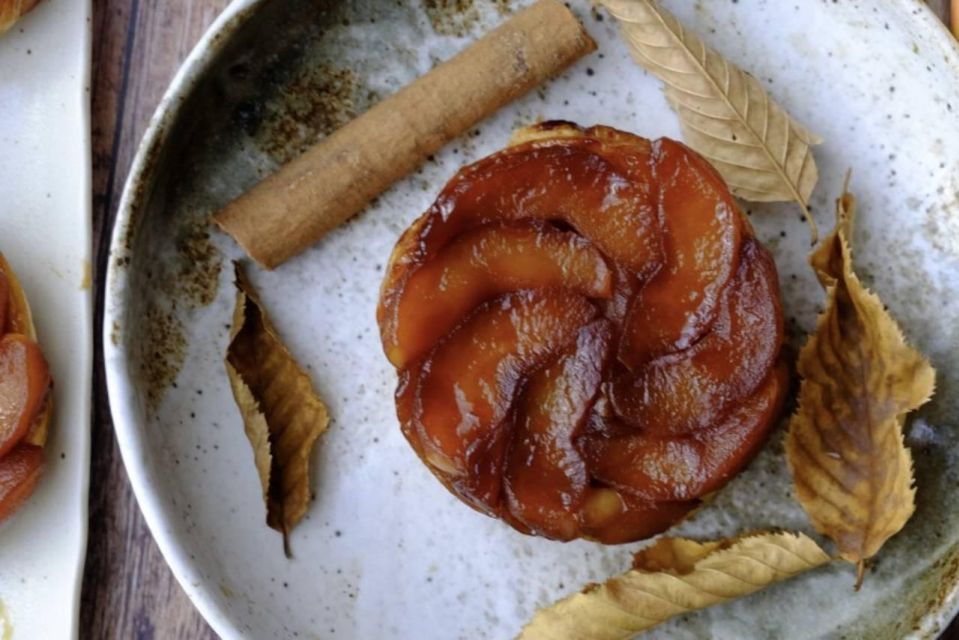
A strong pastry teacher doesn’t just hand you steps. They give you “what to watch for” cues—what signals success or trouble. From what you can expect in this class, the focus is on technique plus secret-style tips that make the difference between okay and impressive.
You can see this reflected in how people talk about the chef’s explanations and the practical tricks given during the process. One thing that comes through is that the chef shares tips while working, and you’re not left alone with a recipe card and a vague instruction.
In particular, one review mentions Sous Chef Gerald and highlights how specialized and skilled he was. Even when the main chef is doing the heavy guiding, the presence of a sous chef supports the “small group” approach: someone can help you adjust, correct, or understand what’s happening.
Also, it helps that the class is limited to 6 participants. In a larger group, you might get one quick answer and then wait. Here, you’re more likely to ask a question mid-process and get a response that’s relevant to what you’re actively doing.
If I had to summarize the “learning value,” it’s this: you’re not only learning how to assemble a dessert; you’re learning how to think like a pastry baker—watching texture, timing, and method. That’s what makes it worth doing even if you bake at home already.
The Paris Setting: Making Pastry in a Landmark Atmosphere
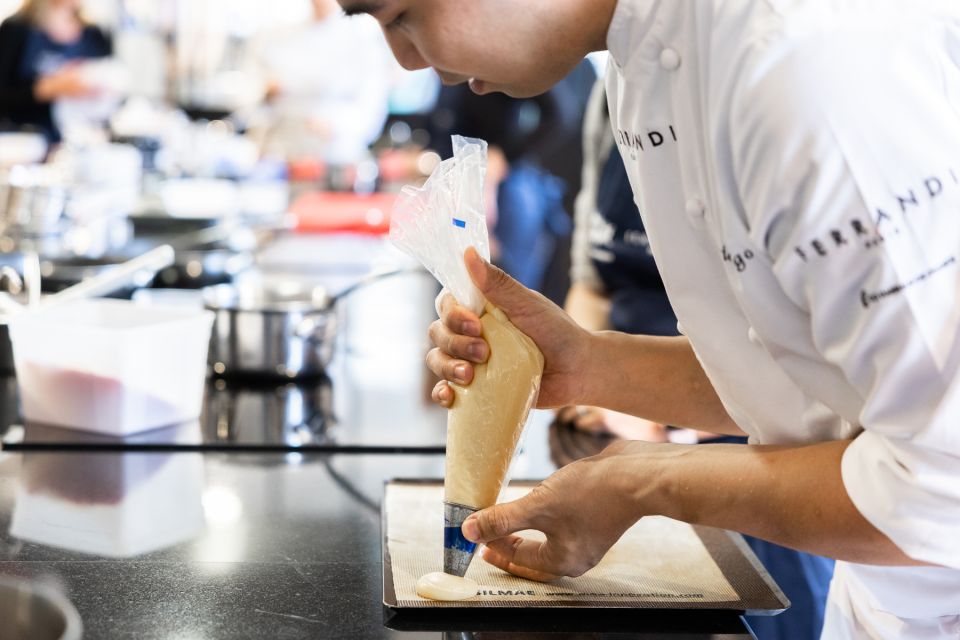
This class isn’t just about food. It’s about doing it in a place that feels distinctly Parisian. Galeries Lafayette is famous for a reason, and even if you don’t plan to tour every corner, you still get the vibe of a major Paris destination.
That matters for motivation. When the environment feels special, you pay closer attention. You also end up with photos that don’t look like every other cooking class shot. (And yes, pastry is built for selfies, because layers and cream make everything look good.)
You’ll start at the Ferrandi Kitchen on the 3rd floor. After class, you’ll have the chance to enjoy the location at your own pace. Just keep in mind that you’ll be bringing food skills home, so you might want to avoid overbooking your schedule immediately afterward.






Small Group (6 Max) Means You’ll Actually Get Answers
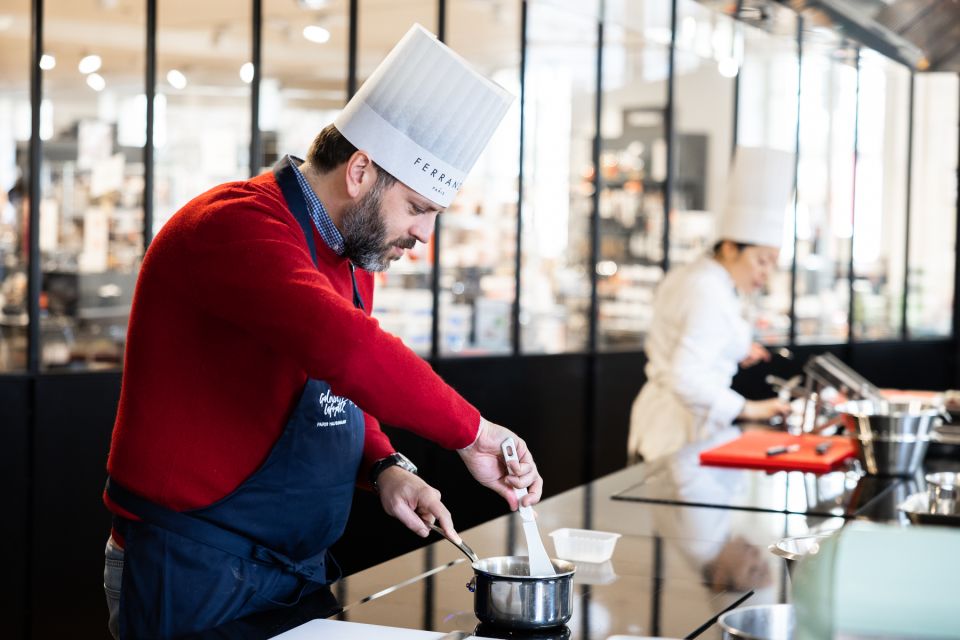
Small group classes often claim they’re “interactive.” This one’s designed so the time is workable: small group limited to 6 participants, with English or French instruction depending on what you choose.
For you, that means:
- Less waiting while the chef explains the same concept to a big room.
- More chance to get clarity when something doesn’t look right.
- A better shot at learning how to correct the issue, not just finish the dessert.
It’s also helpful if you’re traveling solo. You’ll be seated with a small number of classmates, so it’s easy to talk, compare notes, and feel comfortable asking questions. The class language options are also a plus. If your French is rusty, you can still follow along in English; if you want to practice, French instruction can be a fun way to connect pastry vocabulary with real action.
Price and Value: Is $153 Worth It?
At $153 per person for a 2-hour French pastry class, the price can look steep at first glance. But pastry classes often are expensive because quality instruction, specialized kitchens, and ingredients aren’t cheap.
Here’s what supports the value in this specific experience:
- Chef-led instruction in a Ferrandi kitchen environment
- Recipe choice (strawberry pie, millefeuille with vanilla, Saint-Honoré cake)
- Hands-on baking for about 1.5 hours
- A tasting session at the end, so you’re not just making and leaving
- Included tools: apron and chef’s hat
- You take the recipe home, which extends the class beyond the 2 hours
The main “cost gap” is that drinks aren’t included. That’s not a dealbreaker, but it’s worth planning so you’re not stuck without water mid-taste. If you’re budgeting, add a small amount for drinks and you’ll be set.
Also, when the group is capped at 6, you’re paying more for individualized attention. That’s often what makes the difference between leaving with a vague memory of dessert and leaving with something you can actually reproduce.
Practical Tips: What to Bring, and How to Prepare
This is one of those classes where a little prep makes the experience smoother.
Bring:
- Passport or ID card (required)
Not allowed:
- Pets
Age notes:
- Children under 12 can’t participate in the French cooking class
- Teenagers under 16 must be accompanied by an adult
- Accompanying persons must also have an admission ticket
If you’re traveling with family, that last one can surprise people, so you’ll want to confirm who counts as an accompanying person. But for adults and teens who meet the age rules, the class can be a fun break from museums and lines.
Language:
- English or French instruction is offered, so you can pick what helps you learn fastest.
Who This Class Is Best For
This French pastry class is a strong match if you want:
- Real technique, not just a sweet souvenir
- A small-group setting with direct chef support
- A chance to make something classic in a major Paris location
It’s especially useful if you like the idea of French pastries but feel stuck at home because you don’t know which step matters most. With a short, focused class, you get the basics and a recipe you can follow later.
It might be less ideal if you:
- Want a super slow pace with extra repetition
- Rely on video-style step review, because the class is built around in-person baking and a recipe handout
- Prefer classes that last long enough to explore multiple pastries in one sitting
Should You Book This Ferrandi Pastry Class?
My take: book it if you want a focused, hands-on introduction to French pastry in a truly Paris setting, with small-group attention and a recipe you can use again. The best reasons to go are the practical instruction and the fact that you leave with something tangible—both the pastry knowledge and the recipe.
Skip it (or at least reconsider) if you know you’ll be disappointed by a tight schedule. The class is designed to move: 1.5 hours cooking, 30 minutes tasting. If you need more time to re-check steps or you’re hoping for an extended visual review format beyond a take-home recipe, you might feel rushed.
If your goal is confidence—learning how to make a classic French dessert at home—this is the kind of class that delivers.
FAQ
What recipes can I choose from?
You can choose from several French pastry recipes, including Strawberry pie, Millefeuille with vanilla, or Saint-Honoré cake.
How long is the class?
The class lasts 2 hours, with about 1.5 hours for the interactive baking and about 30 minutes for tasting.
Is the class taught in English or French?
Yes. The instructor offers instruction in English or French.
What is included in the price?
The class includes an apron, a chef’s hat, and a recipe to take home.
Are drinks included?
No. Drinks are not included.
Where do I meet the group?
You meet at the Ferrandi Kitchen on the 3rd floor of Galeries Lafayette La Maison & Le Gourmet, Boulevard Haussmann.
Are there age restrictions?
Yes. Children under 12 cannot participate, and teenagers under 16 must be accompanied by an adult.