REVIEW · PARIS
Paris: Musee d’Orsay Private Tour
Book on GetYourGuide →Operated by UTG EXPERIENCE · Bookable on GetYourGuide
Musee d’Orsay hits harder when someone points you to the right paintings. This private 2-hour tour is built around your group and your guide, with skip-the-line entry so you spend less time waiting and more time looking.
I especially like how the guide makes the big names feel personal, not textbook. You’ll get time with Monet’s Water Lilies and the kind of close, focused time with Van Gogh’s Starry Night over the Rhône that crowds often crush.
One drawback to plan for: you may run into security checks on the way in, and the museum is closed on Mondays, so timing matters.
In This Review
- Quick hits before you go
- Meet the guide at the elephant, then get your bearings fast
- How a 2-hour private tour actually feels inside Orsay
- The building itself: Orsay is more than paintings
- Monet’s Water Lilies: time well spent with fewer interruptions
- Degas, Renoir, Gauguin: the guide turns style into a story
- Van Gogh in a focused moment: close-up time changes everything
- The museum secrets part: small facts, big payoff
- What it’s like with your guide: stories, pacing, and real expertise
- Price and value: $530 for up to 6, and when it’s worth it
- Best match: who this tour suits most
- Small planning notes that can save your tour
- Should you book the Paris Musée d’Orsay Private Tour?
- FAQ
- What is the duration of the Musée d’Orsay private tour?
- How much does it cost, and what is the group size limit?
- Does the tour include skip-the-line entry?
- Where do we meet the guide?
- What language is the live guide?
- Is the tour wheelchair accessible?
- Is Musée d’Orsay open every day?
- Will there be delays at the entrance?
- Can I cancel if my plans change?
Quick hits before you go
- Private group (up to 6) means questions aren’t rushed and the route can match your interests.
- Skip-the-line entry helps you get started without the usual Orsay bottleneck.
- Monet to Van Gogh, room-by-room with a guide who connects style, technique, and story.
- Museum backstory included—the building’s roots as an old railway station shape how you experience the space.
- Family-friendly explanations showed up in guides like Ivan and Christophe, who adjusted their talk for kids.
- Meet at the elephant statue outside, with the UTG Experience badge, so you can find your person fast.
Meet the guide at the elephant, then get your bearings fast
Your tour starts outside the museum at the statue of the elephant. The guide will be wearing a badge that says UTG Experience, and you’ll want to arrive 15 minutes early so you’re not scrambling when the group is about to move.
That early start matters at Orsay. Even with skip-the-line tickets, you can still hit security checks. If you’re traveling during peak season, expect a bit of extra time and keep your plans flexible around your tour start.
Because this is private, the whole rhythm is different. Instead of drifting and hoping you catch the right rooms, you’re moving with a plan—at your pace.
You can also read our reviews of more private tours in Paris



How a 2-hour private tour actually feels inside Orsay
A lot of museum visits fail because the visitor time gets eaten by walking and sorting. Here, you’re paying for a focused hour-and-a-half of looking, plus explanation that lands while you’re standing in front of the work.
You can think of the tour as three layers that happen in order:
1) Where you are and why it matters (the museum and the artist context)
2) What to look for (brushwork, composition, symbolism, technique)
3) How to connect works (how Impressionism and Post‑Impressionism talk to each other)
The guide’s commentary is centered on famous works and the Impressionist artists—exactly where most people want to focus, but with enough guidance to make it feel fresh.
The building itself: Orsay is more than paintings
One thing I love about Orsay is that it doesn’t feel like a blank box. The museum was fashioned from an old railway station, and that design shows up in the way you move through the space and how light behaves.
A good private guide doesn’t just recite facts. They point out how the setting changes what you notice. You’ll spend time orienting yourself to the museum layout so the art doesn’t feel like a random walk through rooms.
This also sets the mood for the art. When you’re talking about 19th-century work, the setting matters. The building already has a “modernity” story baked in—you’re not only viewing art, you’re in a space that echoes that era’s energy.
Monet’s Water Lilies: time well spent with fewer interruptions
Monet’s Water Lilies series is the main event for many first-time Orsay visitors, and it’s the kind of painting that rewards slow looking. In a private tour, you get that luxury. Instead of trying to interpret in a line of people, you stand where you can see the details the guide wants you to notice.
Your guide’s job here is to translate what Monet is doing into something you can feel: the repeated motifs, the way color and light shift, and how the series builds a mood rather than a single moment.
You’ll likely get help with practical viewing too. For example, Monet’s effect changes based on how you approach the surface and where your eye lands first. When the guide talks while you’re still looking, it stops being abstract.
Degas, Renoir, Gauguin: the guide turns style into a story
Orsay does a great job showing how artists influenced each other, and a private tour helps you see the connections without turning it into a lecture.
Expect stops that focus on Degas, Renoir, and Gauguin, with commentary designed for the room you’re in. That matters because each artist has a different obsession:
- Degas can feel like a study of motion and observation
- Renoir tends to bring warmth and human focus
- Gauguin pulls attention toward mood, symbol, and a bolder sense of structure
The value of having an expert docent is not just knowing the artist name. It’s having someone connect details to the broader movement—so you’re not only admiring style, you understand why it exists.
And if you’re with kids, this is where the tour can feel surprisingly good. One guide, Christophe, was praised for adjusting his explanations to children while still giving adults meaningful context. If you’ve got a 10-year-old who’s tired but curious, that kind of pacing makes a difference.




Van Gogh in a focused moment: close-up time changes everything
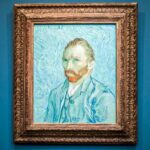
Van Gogh is the other “must see” at Orsay, and Starry Night over the Rhône is the kind of work that can go either way. If you’re rushed, you admire it and move on. If you see it properly, it sticks.
In this private format, you get a more personal encounter. You’re there close enough to notice how Van Gogh uses paint to create atmosphere—how the rhythm of marks supports the mood you’re feeling.
This is also where a guide can help you read the painting without turning it into homework. You’re not drowning in dates. You’re learning how to look: where to start, what to notice next, and how to connect it to what was happening in 19th-century art.
If you’ve seen Van Gogh before, you might still find this visit more satisfying because you’re not guessing what the painting is about—you’re guided to the features that matter.
The museum secrets part: small facts, big payoff
Orsay can be overwhelming on a first visit. You see famous works, but you miss the little clues that make the visit feel earned. This tour is designed to include “museum secrets and facts”—the kinds of details most people walk past.
From the information you’re given, you can expect the guide to point out secret spots and lesser-known facts, plus the building’s railway-station origins and how they affect your experience of the galleries.
Even when these moments are short, they change how you remember the museum. You don’t just recall paintings; you recall how the guide helped you notice the building and the art as a connected whole.
What it’s like with your guide: stories, pacing, and real expertise
The guide is a live local docent and the tour runs in French. That’s a key detail. If you don’t speak French, you should consider whether you’re comfortable joining a French-led experience (or whether your group will handle it well).
From the names included in feedback, the impact of the guide can be huge. Ivan was described as a standout—full of knowledge, passion, and teaching skill. Christophe also received strong praise for kind, age-appropriate explanations and for bringing Impressionism into focus for teens.
There was also a reassuring note about comfort: Ivan was said to seem completely comfortable with an interracial gay couple traveling with a child. That’s not something you can measure on paper, but it matters for how safe and welcomed you feel.
Still, it’s worth acknowledging a real risk: one reported issue was a guide not showing up, which resulted in a refund request. If you book, treat your confirmation details seriously and check in the day of your tour, especially if your schedule is tight.
Price and value: $530 for up to 6, and when it’s worth it
The price is $530 per group for up to 6 people over 2 hours. That sounds steep if you compare it to a solo audio guide. It’s not meant to compete with that.
This is value math:
- If you’re traveling as a small group (family or friends), the cost per person drops quickly.
- You’re paying for a guide who controls the time, the route, and the explanations.
- You’re also buying back energy: less crowd friction, less wandering, fewer “what am I looking at?” moments.
For many people, the real win is time quality. Orsay is famous, but it’s also huge. If you only have one short museum window, a well-run private tour can make that window feel like a complete experience.
If you’re a solo traveler who just wants to wander slowly and you enjoy figuring things out yourself, you may not need private guiding. But if you want to see the right works, understand what you’re seeing, and do it without the pressure of crowds, this format fits well.
Best match: who this tour suits most
This tour is a smart choice for:
- Families with kids who need explanations at the right level (the Christophe feedback points to that strength)
- Couples or friends who want a shared plan and focused looking
- Art lovers who want Monet, Degas, Renoir, Gauguin, and Van Gogh without turning the day into a scavenger hunt
- Wheelchair users, since the tour is listed as wheelchair accessible
If your group wants lots of free time to roam alone, you might find two hours a bit tight. A private tour is controlled by design. You’ll get secrets and key works, but you won’t have an open-ended museum day.
Small planning notes that can save your tour
A few things you should not ignore:
- The Orsay is closed on Mondays. If your trip lands on a Monday, you’ll need a different plan.
- Expect security checks at entry. Even with skip-the-line access, the process can cause delays.
- Your tour is private, so the group size will not exceed 6 people. That’s part of the benefit—just make sure your group composition matches the pacing you want.
- The guide speaks French, so plan for how your group will handle that.
Should you book the Paris Musée d’Orsay Private Tour?
If you want the Orsay highlights—Monet’s Water Lilies, Degas, Renoir, Gauguin, and Van Gogh—while also getting guided looking and context, this is a strong booking. The private format is the real driver: less crowd stress, more time in front of the works, and stories that help the paintings click.
I’d book it especially if you’re short on time, traveling with kids, or going to Orsay for the first time and want confidence that you’re seeing the right things for the right reasons. If your goal is to wander freely with no structure, you might prefer a self-guided visit. But for a focused 2-hour art hit, this tour is built for exactly that.
FAQ
What is the duration of the Musée d’Orsay private tour?
The tour lasts 2 hours.
How much does it cost, and what is the group size limit?
It costs $530 per group for up to 6 people.
Does the tour include skip-the-line entry?
Yes. It includes skip-the-line entry tickets.
Where do we meet the guide?
Meet your guide outside the museum at the statue of the elephant. The guide will wear a company badge for UTG Experience.
What language is the live guide?
The live tour guide speaks French.
Is the tour wheelchair accessible?
Yes. The tour is listed as wheelchair accessible.
Is Musée d’Orsay open every day?
No. The museum is closed on Mondays.
Will there be delays at the entrance?
There may be delays due to heightened security measures when entering the museum.
Can I cancel if my plans change?
Yes, it offers free cancellation up to 24 hours in advance for a full refund.