REVIEW · PARIS
Paris: Macarons Cooking Class with Pâtisserie Chef Noémie
Book on GetYourGuide →Operated by LES SECRETS GOURMANDS DE NOEMIE · Bookable on GetYourGuide
Macarons teach patience fast. This class is interesting because you make macarons hands-on in a small group (max 8) with Chef Noémie, not just watch from the sidelines. I love the step-by-step clarity that helps you get the right texture, and I also love how inclusive the session feels, even with kids in the room. One possible drawback: depending on group flow, you may not do every single step start-to-finish by yourself, since the class is run as a shared workshop.
After you finish, you get to eat what you make and then slow down with tea or coffee while you chat with Chef Noémie. You’ll also leave with an English copy of the recipes, which matters because macaron success is about repeatable method, not luck.
In This Review
- Key Things I’d Focus On Before You Book
- Chef Noémie’s Atelier: A Private Kitchen on Rue Nollet
- 150 Minutes of Hands-On Macaron Making: Two Varieties, Not a Demo
- The Fillings Menu: Chocolate, Lemon, Caramel, Coffee, Pistachio, Walnuts
- What You Actually Learn That Transfers to Your Home Kitchen
- Sharing the Work in a Small Atelier (And Getting to Participate)
- Tea or Coffee After the Bake: Questions, Chat, and Take-Home Pride
- Who Should Take This Class (And Who Might Skip It)
- Price and Value: Is $141 Worth It?
- A Few Practical Things to Know Before You Go
- Should You Book This Macaron Class?
- FAQ
- Where do I meet for the class?
- How long is the macaron cooking class?
- What is the group size?
- Is the class taught in English?
- What will I make during the workshop?
- What flavors or fillings are offered?
- Are ingredients and kitchen tools provided?
- Is tea or coffee included?
- Are pets or smoking allowed during the experience?
Key Things I’d Focus On Before You Book
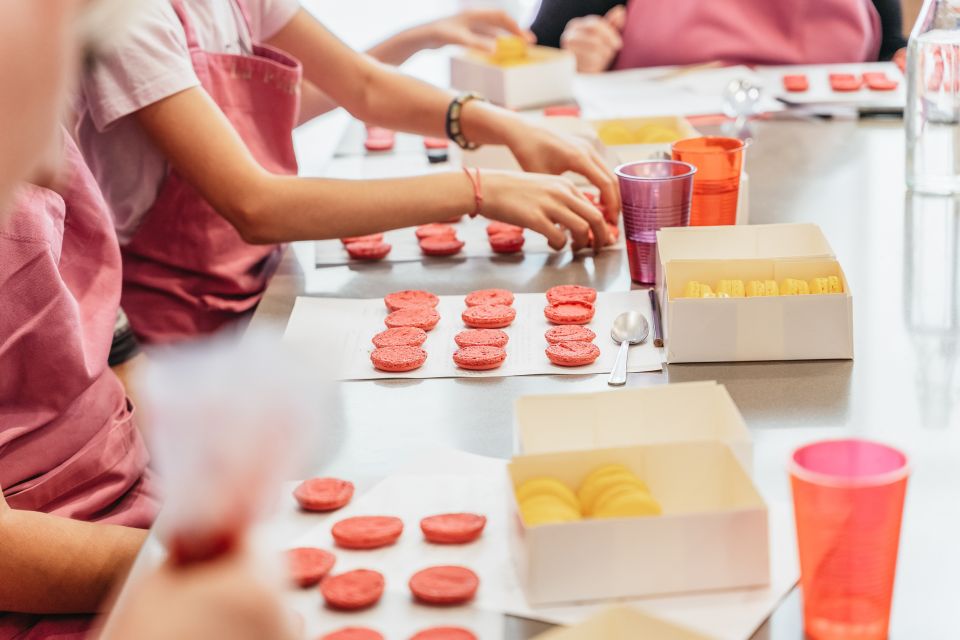
- An intimate atelier experience with Chef Noémie, limited to 8 people
- Two macaron varieties from scratch, each finished with classic fillings
- English recipe handouts so you can recreate the method at home
- Taste time plus tea or coffee, with time to ask questions
- A teaching style that includes everyone, from first-timers to kids
Chef Noémie’s Atelier: A Private Kitchen on Rue Nollet
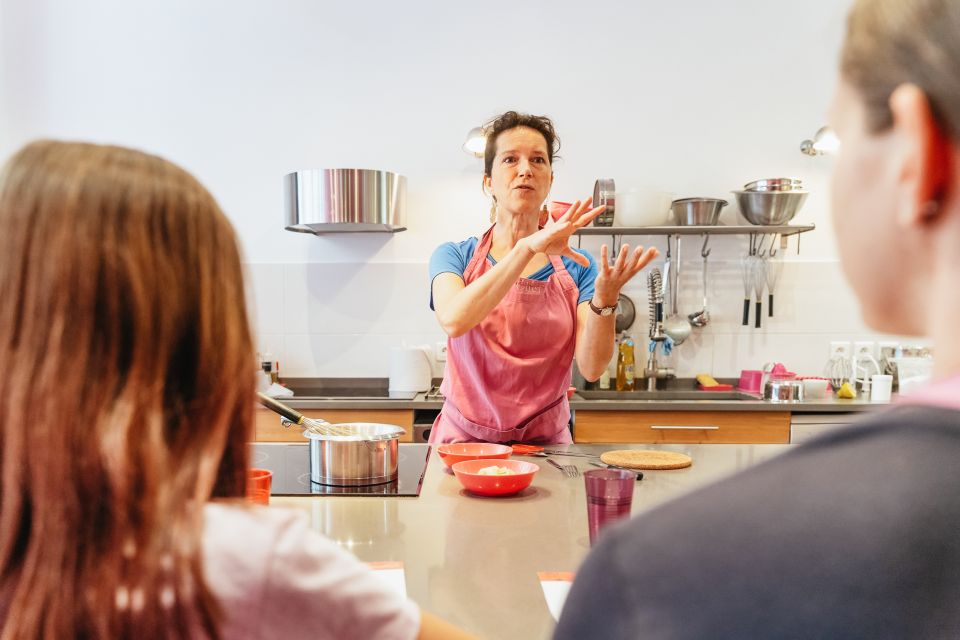
This is a small, real working pâtisserie-style setup, not a big cooking-school machine. The meeting point is Noémie’s atelier on the ground floor of 92, Rue Nollet. You don’t need to hunt for an office upstairs or wander through a lobby maze; the entrance is on the left of the main entrance, and it’s ground level, which makes the start of the class feel easy.
Chef Noémie’s training also gives this workshop credibility. She graduated from the Lenôtre Culinary Institute, which is one reason you feel a professional hand guiding the process. In the kitchen, everything is set up for doing, not just observing. People consistently note the clean, organized workstation and the way the class stays both professional and relaxed—structured instructions, but no stiff atmosphere.
This is also a practical kind of Paris experience. You don’t just buy a macaron and move on. You learn how the ingredients, timing, and technique fit together. That’s the real payoff here, especially if you’re the type who wants to bring back a skill you can repeat at home.
You can also read our reviews of more cooking classes in Paris
150 Minutes of Hands-On Macaron Making: Two Varieties, Not a Demo
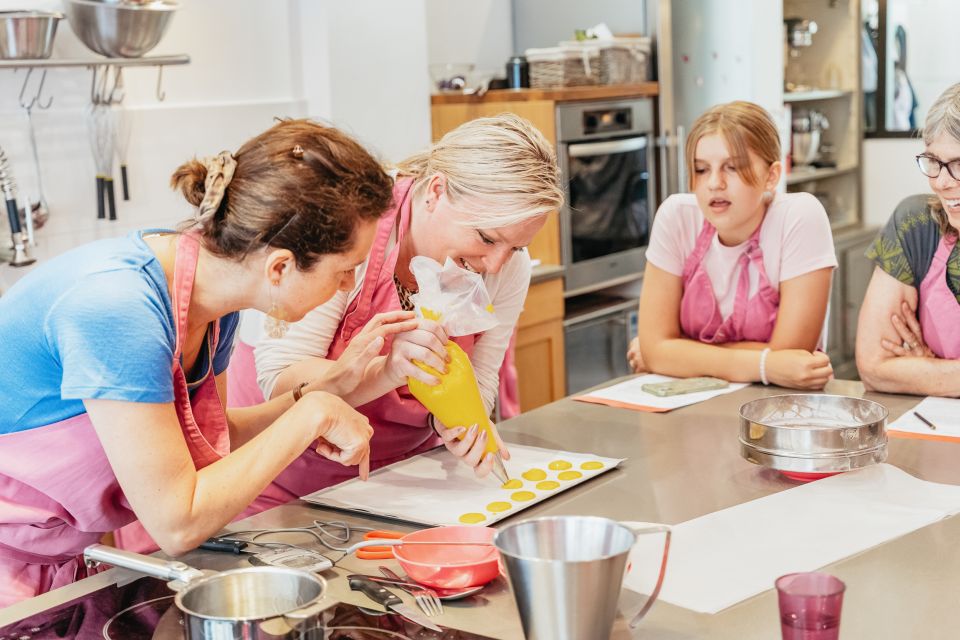
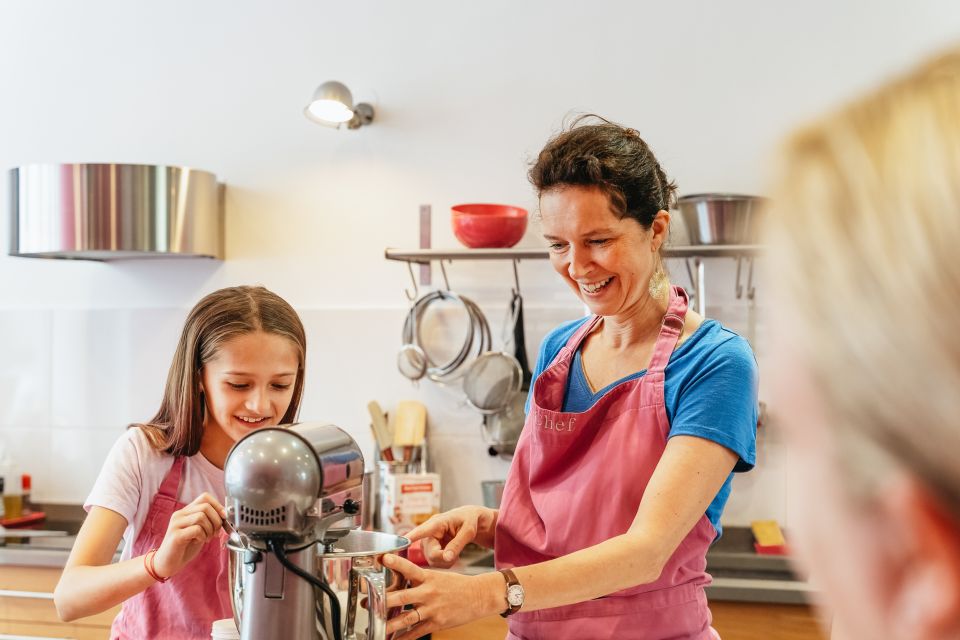
The class runs 150 minutes, and the format is very hands-on. You’ll make two kinds of macarons from scratch, with Chef Noémie guiding you step by step. The goal isn’t to memorize French vocabulary or watch someone else do the hard parts. The goal is to help you do the technique yourself so the results make sense when you try again later.
Based on what people say about the class pace and teaching style, the workshop is structured to keep you moving while still giving you time to get things right. One repeat theme: Chef Noémie explains steps clearly, and she has patience when things go slightly off track—especially with the parts that require precision.
A few technique points come through strongly in the feedback:
- Weighing ingredients carefully matters. People mention learning from mistakes when measuring goes wrong.
- Consistency is a big deal. You learn to watch the batter stage, not just follow steps blindly.
- Using a pastry bag confidently comes up, too. It’s one of those skills that feels awkward until you get the right guidance.
Even if you’ve made macarons before, you’ll likely appreciate the method focus. One of the most valuable things about a small class is that you can correct small issues early. When the room is calm and the group stays small, the instructor can help you fine-tune while you’re still in the process.
The Fillings Menu: Chocolate, Lemon, Caramel, Coffee, Pistachio, Walnuts
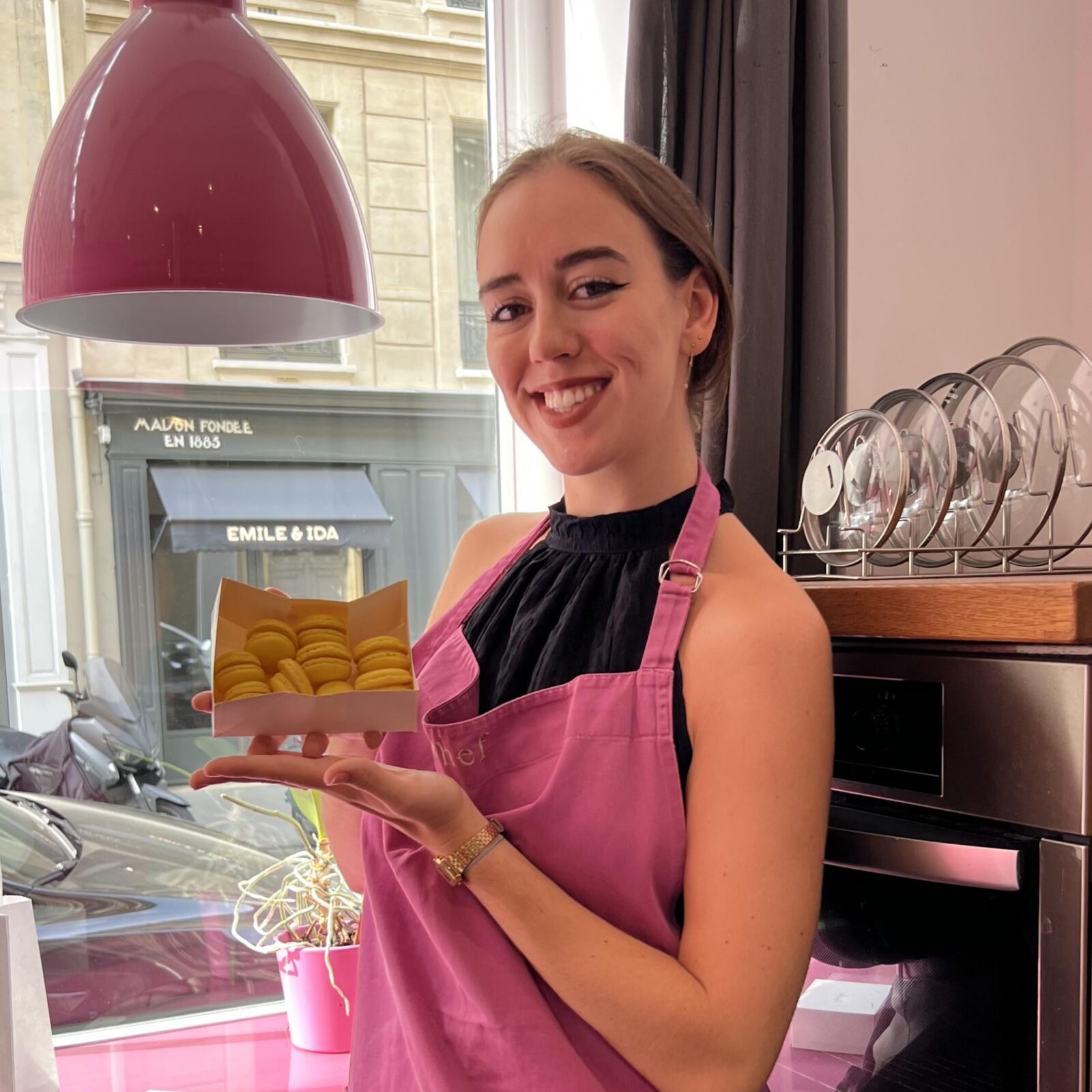
The macaron shells are only half the story. The other half is what you pair them with. In this class, you get to work with a set of classic filling options, including:
- Chocolate
- Lemon
- Salted butter caramel
- Coffee
- Pistachio
- Walnuts
That range is a smart choice for a Paris macaron workshop. Chocolate and coffee cover the “grown-up” flavors many people expect from pâtisserie counters. Lemon brings brightness. Salted butter caramel is that sweet-salty balance French desserts do well. Pistachio and walnuts add nuttiness that feels grounded and not overly sweet.
Chef Noémie also adapts when needed. In one case, a participant with a pistachio allergy had the filling changed to vanilla macarons. I can’t promise your specific needs will always be handled the same way, but the class clearly has enough flexibility to address at least some substitutions.
What You Actually Learn That Transfers to Your Home Kitchen
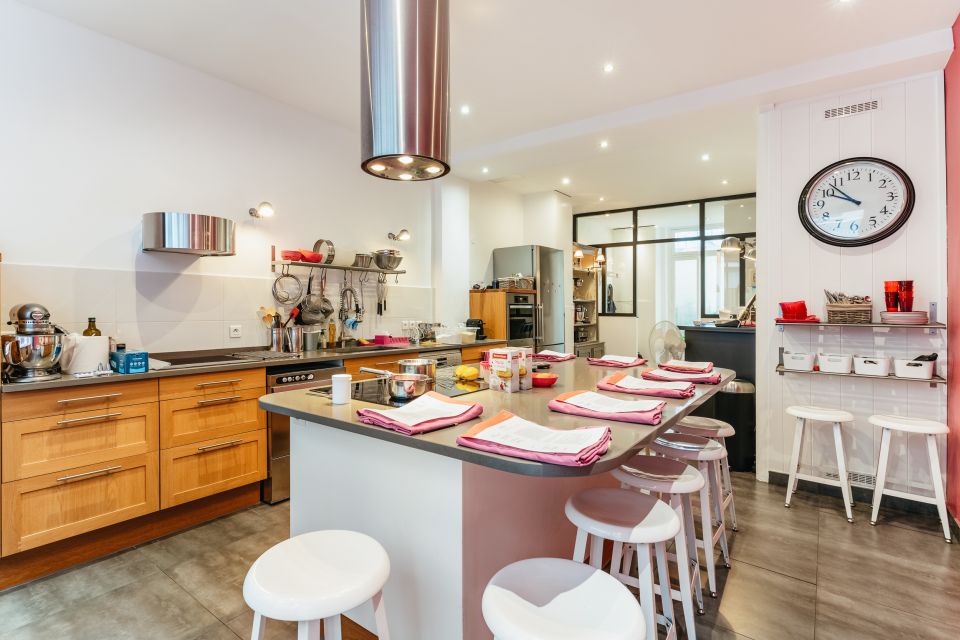
Here’s why I think this class is a good use of your time in Paris: macarons are fussy, and you can’t truly “figure them out” by tasting. You learn how the process should feel and what variables matter.
People repeatedly highlight that the tips are practical and easy to implement, and that the instructions don’t talk down to you. That’s rare. Many classes show you a final result and let you guess the method. This one leans more on technique: step-by-step guidance, then you doing the work.
Two things you’ll probably care about when you bake again:
- Precision habits: weighing accurately and treating each stage with attention. If you’ve ever had macarons fail at home, it’s usually not one big mysterious problem—it’s the small measurements and timing.
- Confidence with repetition: once you’ve piped, worked through the batter, and assembled the filled macarons, you stop treating the process like a magic trick.
You also get a written safety net: English recipe copies you can take home. That matters because macarons are hard to remember accurately the next day. Even if you’re a confident cook, having an English guide reduces the chance you’ll misread a method detail.
One practical note: at least one participant suggested updating a written recipe, mentioning the technique had been modified a bit in class. That doesn’t make the class less valuable—it just means you should pay attention to the instructor’s real-time method and then use the handout as a base you can adjust.
Sharing the Work in a Small Atelier (And Getting to Participate)
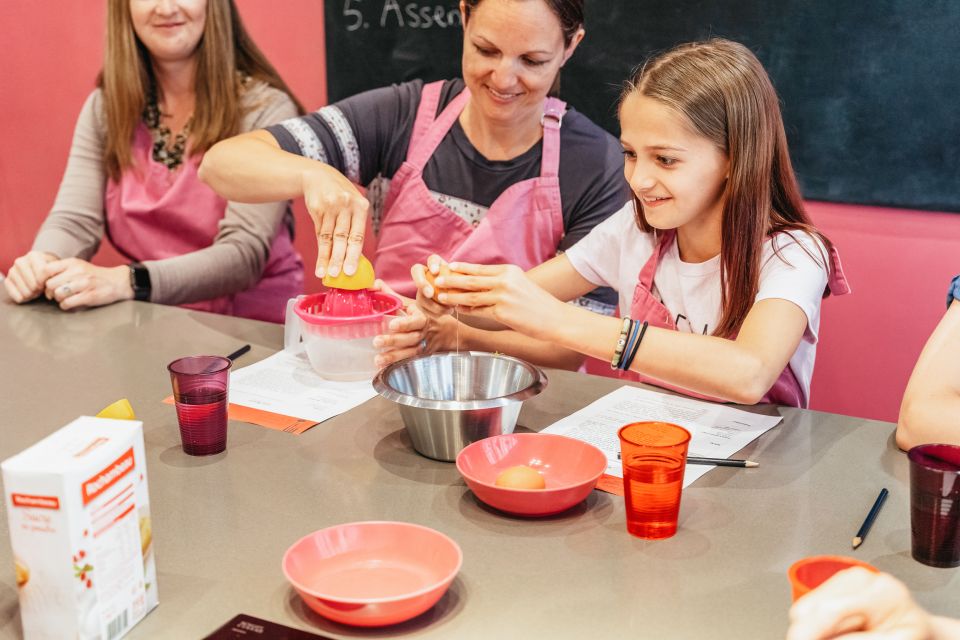
A macaron workshop should feel personal, and this one is built around that. It’s limited to 8 participants, which helps in two ways: Chef Noémie can check progress more often, and the room doesn’t feel chaotic.
A lot of feedback praises how equally people participate—adults, and even kids joining with their parents. That’s not trivial. Many baking workshops say they’re for all levels but still end up with one or two people doing most of the work while the rest watch. Here, the class is set up so everyone has a role.
Still, I want to be transparent about the one downside that shows up: one review mentioned being a bit disappointed that not every person did the entire process independently from start to finish. If your dream is a solo production line where you touch every step, you might find the workshop runs more like a guided team experience. That’s common in small classes, but it’s worth keeping in mind.
You can also read our reviews of more tours and experiences in Paris



Tea or Coffee After the Bake: Questions, Chat, and Take-Home Pride
The class ends with more than just sweets. After the workshop, you’ll enjoy tea or coffee, and you can chat with Chef Noémie. That post-class conversation can be more useful than it sounds. When you’re holding a box of macarons and thinking about what you’ll do differently next time, it’s the perfect moment to ask real questions.
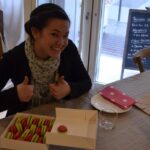
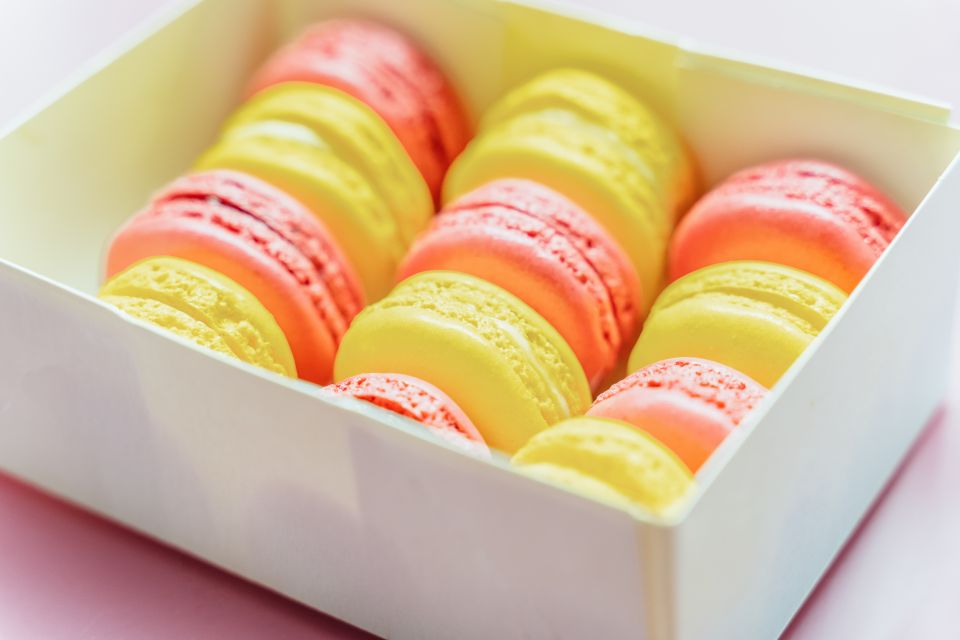
People mention leaving with a full box of macarons to enjoy later that day. That’s a nice bonus because it turns the class into more than an activity—it becomes an edible souvenir. And since macarons are best shared, this is an easy way to impress family or friends without having to explain the whole technique for hours.
Who Should Take This Class (And Who Might Skip It)
This is a great fit if you want a skills-based Paris food experience. You’ll probably enjoy it most if you:
- Like hands-on cooking rather than watching
- Want repeatable instructions (English recipes help)
- Enjoy classic French flavors and want to work with multiple fillings
- Travel with kids who can participate at the counter level
It’s also a good option for small groups. Multiple reviews point to a smooth experience with varied ages, and Chef Noémie’s approach seems geared toward including people instead of isolating the confident cooks.
You might consider skipping if:
- You expect to be totally hands-on alone for every step
- You want a more showy, sightseeing-oriented experience rather than a kitchen-focused workshop
Price and Value: Is $141 Worth It?
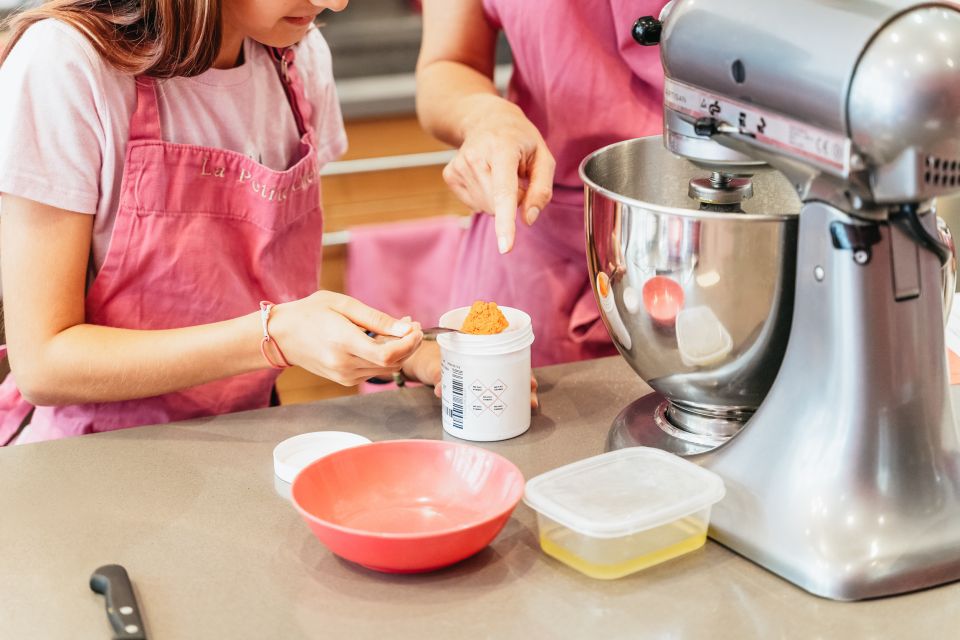
At $141 per person for 150 minutes, you’re paying for something more specific than a tasting. The price includes the chef, utensils, an apron, ingredients, tea or coffee, and an English-language recipe copy.
For Paris, the real value question is whether you’re buying a skill or a snack. This workshop is clearly built around skill-building. Since you make two types of macarons and you take the method and tips home, the cost starts to make sense.
Also, small group size matters. When you’re in a max 8 class, instruction time is less diluted. In a bigger cooking school, you may get a quick overview and then feel stuck trying to figure out the details alone. Here, the feedback patterns suggest you get clear guidance and enough attention to troubleshoot.
In short: if you want to leave with macarons and confidence (not just cookies), $141 is a reasonable price for what you get.
A Few Practical Things to Know Before You Go
- This is not a smoking-friendly environment, and pets aren’t allowed.
- Plan to dress for hands-on baking. You’ll wear an apron, but macarons still involve mixing and working near bowls and ingredients.
- If you have allergies or dietary restrictions, ask ahead. One person with a pistachio allergy had a filling change to vanilla, showing the instructor can adapt in at least some cases.
- The studio is on the ground floor, which usually makes arrival smoother than upstairs venues.
Should You Book This Macaron Class?
If macarons are on your Paris bucket list, I’d book this. The combination of an intimate atelier, step-by-step guidance from Chef Noémie, and English recipes is exactly what you want if you plan to bake at home afterward. Add in the fact that people describe the class as fun, organized, and inclusive—and that you leave with a box of macarons—and it’s easy to see why the rating is so strong.
Only hesitate if you’re the type who needs total solo control over every step. If you’re happy learning in a guided, shared workshop style, this is one of the more useful, memorable ways to experience French pâtisserie in Paris.
FAQ
Where do I meet for the class?
Meet at Noémie’s atelier on the ground floor at 92, Rue Nollet. You do not need to enter the building. The entrance is on the left of the main entrance.
How long is the macaron cooking class?
The class lasts 150 minutes.
What is the group size?
The class is a small group, limited to 8 participants.
Is the class taught in English?
Yes. The live tour guide is English, and you also receive an English-language copy of the recipes.
What will I make during the workshop?
You’ll craft two kinds of macarons from scratch, with classic fillings.
What flavors or fillings are offered?
The class includes classic filling options such as chocolate, lemon, salted butter caramel, coffee, pistachio, or walnuts.
Are ingredients and kitchen tools provided?
Yes. The class includes ingredients and cooking utensils, plus an apron.
Is tea or coffee included?
Yes. After the class, you’ll enjoy tea or coffee.
Are pets or smoking allowed during the experience?
No. Pets are not allowed, and smoking is not allowed.