REVIEW · PARIS
Paris: Macarons Class, Teatime and To-Go Box
Book on GetYourGuide →Operated by Le Foodist · Bookable on GetYourGuide
Macarons are fussy; this class makes them manageable. You’ll learn the Italian meringue method in a hands-on small group at Le Foodist, then enjoy tea-time stories while eating the macarons you made. It’s one of those Paris activities that feels both practical and very, very French.
I especially like how the group stays small (up to 6), so the instructor can watch your technique and correct your piping as you go. The other big win: you’re not just tasting macarons, you’re building shells, coloring them, and finishing with a filling you made yourself. One consideration: it’s a kitchen class, so it’s not a spectator show, and kids have participation limits (unaccompanied minors aren’t allowed, and kids under 12 can’t join).
In This Review
- Key things that make this macaron class worth your time
- Le Foodist and the real point of this class in Paris
- Location tip if you’re walking
- What you do for the 2-hour hands-on macaron workshop
- Expect coaching on technique, not just ingredients
- Italian meringue: why this method is the class’s main value
- Teatime in Paris: what happens after the baking
- Why I think the tastings matter
- The to-go box: how this class helps you savor Paris longer
- The practical side: what to do with your box
- Price and value: is $152 per person fair?
- Who should book this Paris macaron class (and who should skip it)
- Quick heads-up on timing and expectations in the kitchen
- Should you book this macarons class?
- FAQ
- How long is the macaron experience?
- How many people are in the group?
- What method do you use to make the macarons?
- Do I make both the shells and the filling?
- What do I take home?
- Are recipes provided, and what language are they in?
- Is the class taught in English?
- Can children join, and are there any limits?
- Where do I meet for the class?
Key things that make this macaron class worth your time
- Italian meringue method training for more reliable results, taught step-by-step
- Hands-on work on piping shells and adding color (you’ll do the making)
- You create a filling, either ganache or curd, then pipe it into your macarons
- A real teatime break with tea, coffee, fruit juices, and macaron-focused stories
- You leave with a to-go box of macarons for later (and gifting)
Le Foodist and the real point of this class in Paris
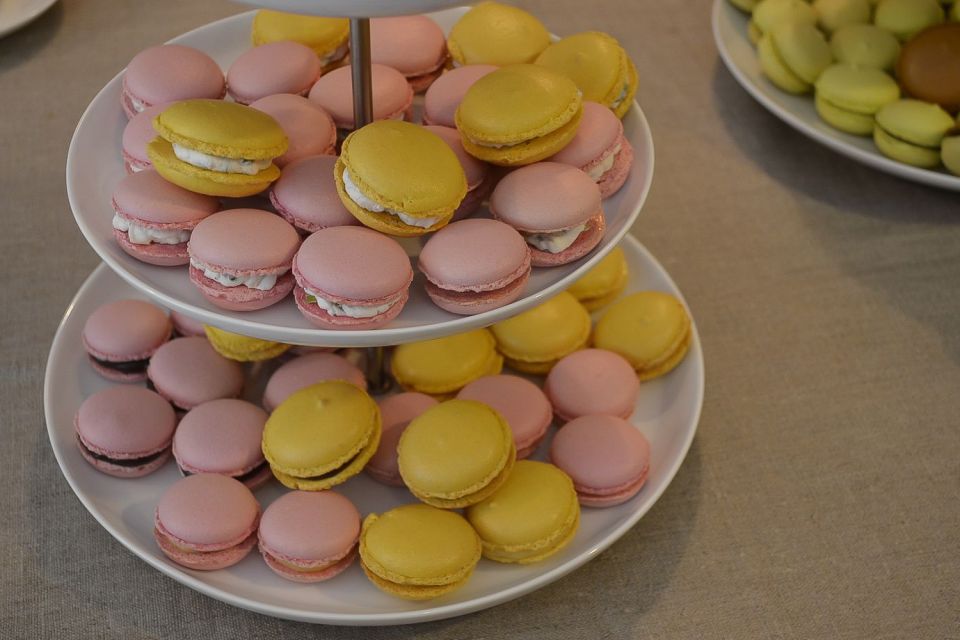
Paris has plenty of food tours where you nibble and move on. This one stays in one place and asks you to slow down and learn a specific craft. The setting is Le Foodist at 59 Rue Cardinal Lemoine in the 5th arrondissement—handy for pairing with other Latin Quarter wandering afterward.
The biggest reason I like this kind of class in Paris is simple: macarons are reputation food. People come in expecting something impossible. Then, with the right method and coaching, you start understanding why they work when they work.
You’re also getting an English-led workshop in a small group. Past classes have run with instructors like Luc, Anne, Fanny, and Stéphane Jimenez, and the common theme is close coaching—no one gets left with a shrug and a baking tray. That matters, because macaron success is mostly technique details, not luck.
You can also read our reviews of more tours and experiences in Paris

Location tip if you’re walking
Rue Cardinal Lemoine isn’t a massive tourist boulevard. One practical point: the street can be a touch tricky to spot on foot. If you’re arriving late, it’s worth using navigation and giving yourself a few extra minutes before the start time.
What you do for the 2-hour hands-on macaron workshop
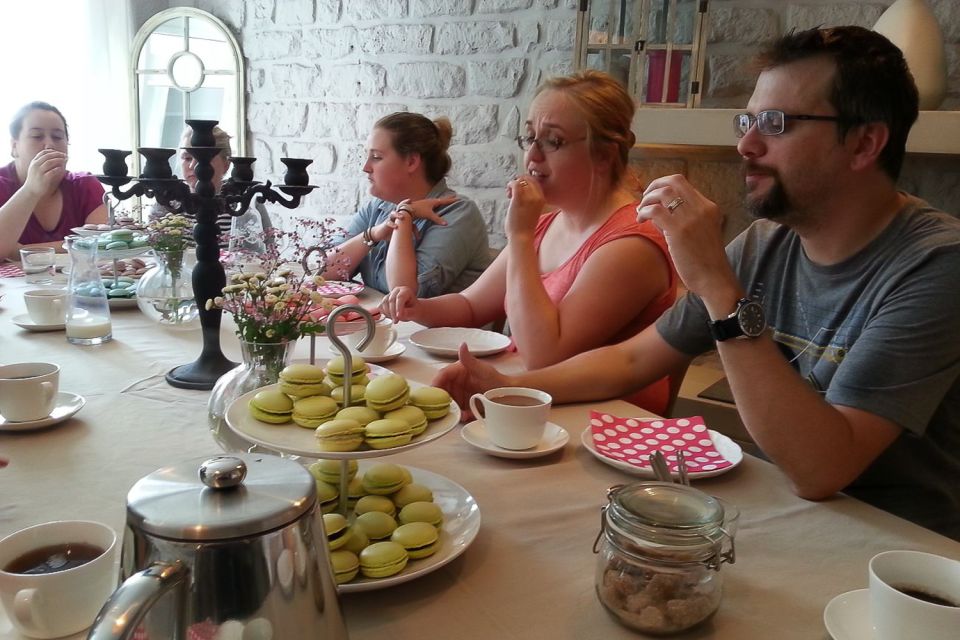
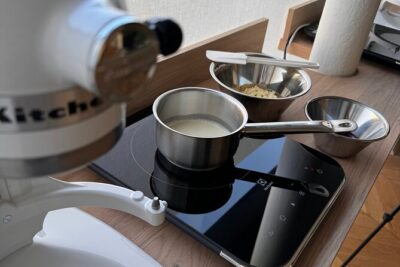
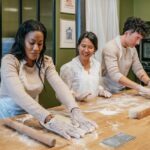
The total experience runs about 3 hours, with a 2-hour hands-on class in the kitchen. In other words, you’re not spending most of the time listening to a lecture. You’ll work with equipment and an apron, and you’ll follow an instructor-led process that takes you from components to finished macarons.
Here’s the shape of what you’ll do in your session:
1) Learn the Italian meringue method
This matters because macarons are temperamental. The class uses the Italian meringues method, described as harder to master but more reliable than simpler approaches. Translation: you’ll still do it step-by-step, and you’ll learn the logic behind the technique rather than copying a random recipe.
2) Pipe the shells and add color
You’ll practice piping your shells. You’ll also incorporate a color into the shells. That’s fun because it pushes you beyond basic vanilla-pink macarons and makes your batch look like something you’d see in a pâtisserie case.
3) Make a filling and pipe it
Once your shells are ready, you’ll make the filling. The class includes making either a ganache or a curd filling. Then you’ll learn how to pipe it into the assembled macarons. This is where your macarons stop looking like cookies and start behaving like macarons.
4) Take your finished macarons with you
Before you leave, you’ll get a to-go box filled with what you made. The idea is that you can keep your batch fresh enough to enjoy later at your hotel, snack on during the rest of your trip, or share with people back home.
Expect coaching on technique, not just ingredients
The reviews repeatedly point to patience and individual attention. What that means for you: when you’re piping, you’re not guessing. The instructor can correct things like consistency and technique quickly, before you bake a whole tray of results you can’t use.
Also, you get recipes in English, in both hard-copy and electronic format. That’s not just a nice extra. It’s how you turn an enjoyable afternoon into macarons you can try again at home.
Italian meringue: why this method is the class’s main value
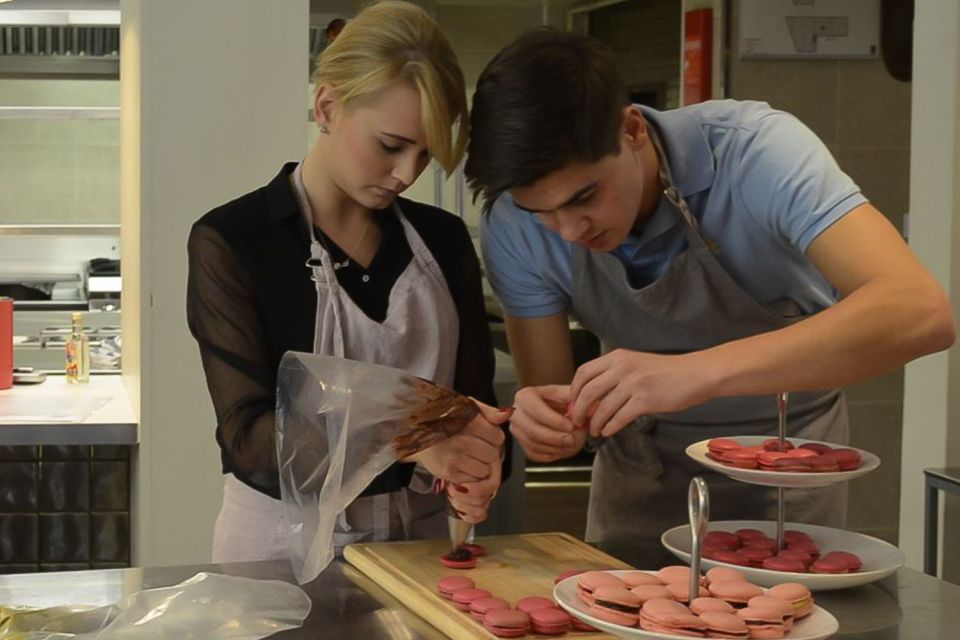
Italian meringue is at the center of this workshop. It’s described as the more reliable option in this format, even if it’s the technique people find more challenging at first.
Why should you care? Because macarons don’t just depend on flavor. They depend on structure: the shell needs the right texture, and the meringue is what gives you the foundation. When an instructor teaches the method with intention, you learn how to aim for that foundation rather than chasing a recipe line-by-line.
In practical terms, you’ll come away with a clearer mental checklist. You’ll know what you’re trying to achieve as you mix and pipe, and that gives you confidence at home later. A lot of baking fails because people never learned what success looks like mid-process.






Teatime in Paris: what happens after the baking
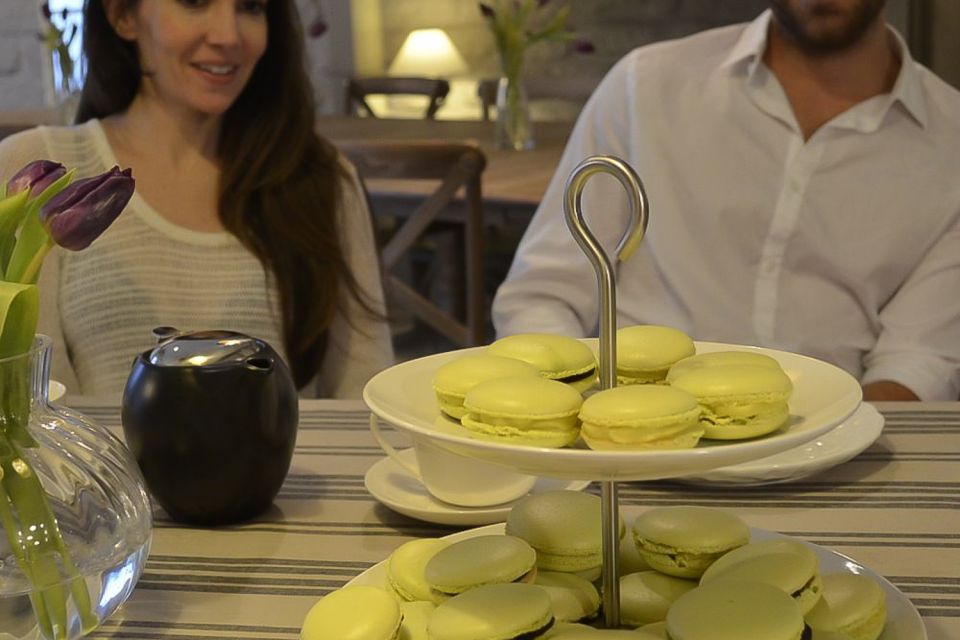
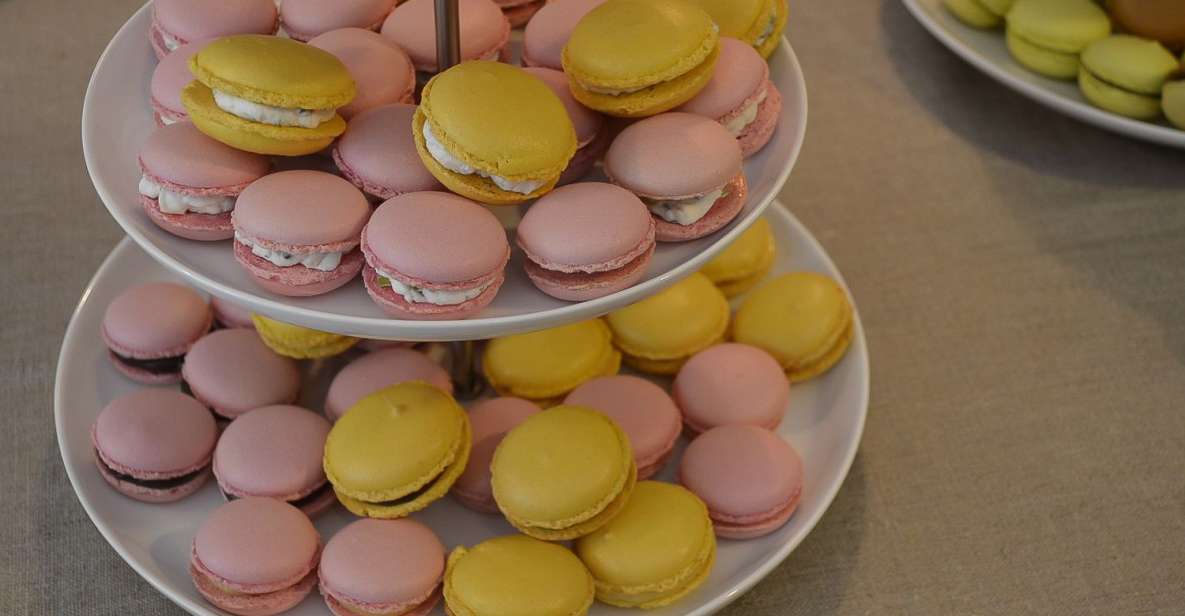
When you’re done with the kitchen work, you sit down for teatime. This is built into the experience and isn’t an afterthought. You’ll have drinks including tea, coffee, and fruit juices, plus a selection of your macarons.
This is also when the host shares stories. The class includes macaron-focused stories and a couple of French culture tales, often tongue-in-cheek. If you like learning while you eat, this section helps tie the baking craft to the culture around it.
Why I think the tastings matter
Plenty of classes stop right when the food is finished. Here, the tea break gives you a chance to compare your batch with how macarons should taste and feel. You’ll also see which flavors work well together and how the filling changes the overall bite.
And yes, you get to eat what you made, not just watch someone else do it.
The to-go box: how this class helps you savor Paris longer
The to-go box is a big deal because it turns one 3-hour activity into multiple snack moments. You leave with your own macarons, and the whole point is that you can share them later or eat them slowly over the next few days.
In the experience, you generally make enough to enjoy during teatime and still take a substantial box home. In past sessions, people have described leaving with plenty of macarons and extra for larger take-home portions. Even without assuming a specific count, the structure is clear: you bake as a group, taste as a group, then pack up your work.
The practical side: what to do with your box
Macarons are best when you treat them gently. Plan to keep them in a container that protects them from bumps and strong smells. If you’re moving around Paris that week, this is one of the easiest “real food souvenir” options because you don’t need refrigeration-heavy care like with some desserts.
Price and value: is $152 per person fair?
At $152 per person for about 3 hours, this isn’t a bargain-priced activity. But it also isn’t priced like a simple tour stop. You’re paying for:
- A 2-hour hands-on class in a real kitchen
- Small group size, limited to 6 participants
- Instruction in the Italian meringue method and training on piping shells and fillings
- Ingredients and equipment (including apron)
- Teatime drinks and stories
- Recipes in English (hard copy and electronic)
- A to-go box of macarons
Where the value lands for me is in the learning. If macarons are on your Paris list, this gives you a skill you can reuse. The recipe packet also helps you practice without hunting through sources later. And you’re leaving with a boxed edible result, so it’s not “pay a lot and eat one bite.”
If you’re traveling as a couple or bringing teenagers, it can be worth it even more because the experience is structured around participation. You’re doing the work together, not just watching.
Who should book this Paris macaron class (and who should skip it)
This is a great fit for people who want a hands-on Paris food moment that still feels special. It suits:
- Couples looking for an activity that isn’t all walking and lines
- Food lovers who want a specific skill, not only tastings
- Teenagers who can follow instructions closely and enjoy making something technical
- People who like guided structure—macarons are hard, and guidance makes them less stressful
It might not be ideal if you want a passive experience. This class is kitchen-based and participant-focused. Also, there are age participation rules: children under 12 can’t participate, and unaccompanied minors aren’t allowed. Kids aged 12 to 16 need to be accompanied by a participating adult.
Quick heads-up on timing and expectations in the kitchen
You’re in class long enough to get real practice. The pace can feel intense for anyone brand-new to baking, but that’s also why the coaching works. When you’re learning macarons, practice time is the whole point.
If you’re a complete beginner, you’ll still be able to follow along. The pattern in the instruction is that the instructor takes care to keep the session moving while also correcting individual technique. That keeps you from feeling lost.
One practical expectation: you’ll be working with batter and piping tools. It’s messy in the way baking is messy, even with an apron. Come ready to get flour and sugar on your sleeves and to laugh when something first batch isn’t perfect.
Should you book this macarons class?
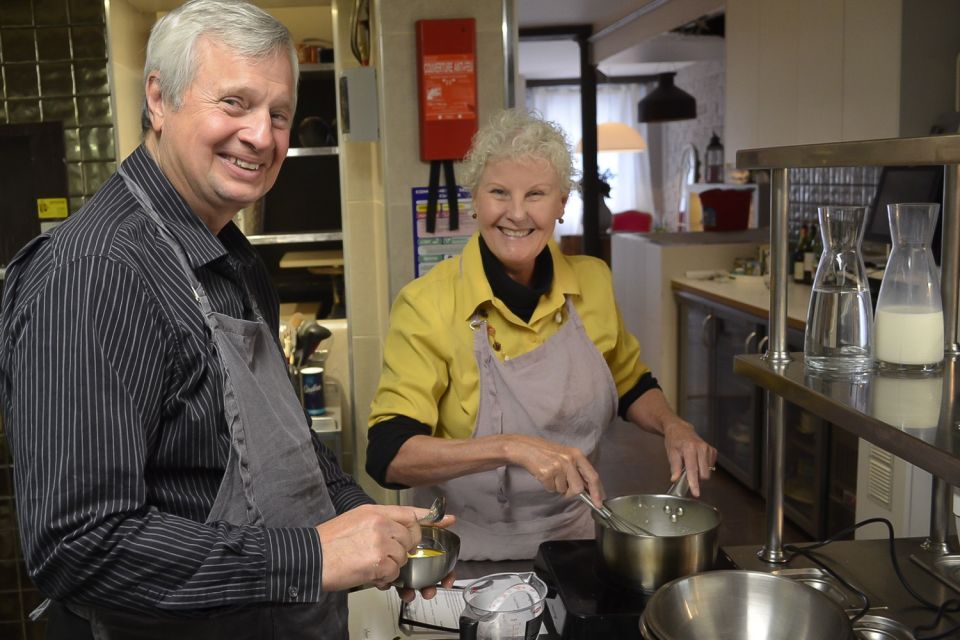
If you want an authentic Paris food experience that gives you a real skill and a take-home reward, I’d book it. The Italian meringue approach, the focus on piping and fillings, and the included teatime make it more than just a one-off tasting. You’re leaving with macarons and a method you can try again later.
I’d hesitate only if you need a fully passive activity, you’re traveling with very young kids, or you’re hoping for a cheap hands-off souvenir. This is a craft class. It’s meant for people who want to get their hands working.
FAQ
How long is the macaron experience?
The total experience is about 3 hours, and it includes a 2-hour hands-on macarons class.
How many people are in the group?
The class is a small group limited to 6 participants.
What method do you use to make the macarons?
You learn to make macarons using the Italian meringues method.
Do I make both the shells and the filling?
Yes. You’ll learn to pipe and color the shells, and you’ll make a filling (ganache or curd) and pipe it.
What do I take home?
You’ll leave with a to-go box filled with macarons you made in class.
Are recipes provided, and what language are they in?
Yes. Recipes are provided in English, including a hard copy and an electronic copy.
Is the class taught in English?
Yes, the instruction is in English.
Can children join, and are there any limits?
Children under 12 cannot participate. Unaccompanied minors aren’t allowed. Participants aged 12 to 16 must be accompanied by a participating adult, and only participants can enter the kitchen.
Where do I meet for the class?
Meet at Le Foodist, 59 Rue Cardinal Lemoine, 75005 Paris.