REVIEW · PARIS
Paris Highlights with an LGBTQ Perspective Private Tour
Book on Viator →Operated by Queer Tours France · Bookable on Viator
Paris gets personal with a queer lens. This private walking tour pairs iconic Paris landmarks with LGBTQ+ stories you won’t get from a standard highlights loop, and I like that you can ask questions without feeling rushed. My other favorite part is the route design: you’re constantly looking outward at famous sights while your guide connects what you see to queer life, laws, and risks. The main trade-off is simple: it’s a walking tour in central streets, and snacks or bottled water aren’t included, so plan accordingly.
You also get a guide from the LGBTQ+ community, in English, and you can pick a departure time that fits your day. If your guide includes people like Alex, Johanna, or Eri, you’re in for a focused, friendly experience that keeps the pace human. The tour is short enough to pair with a museum or a long lunch, but it still covers a lot of emotional ground.
In This Review
- Key highlights I’d center in your planning
- A private queer history walk, built for questions (not lectures)
- Where you start and how the route feels from Concorde to City Hall
- Place de la Concorde: orientation plus the stories behind visibility
- Tuileries Gardens: how public gardens shape queer life
- Place Vendôme and Napoleon: power, reputation, and risk
- Jeanne d’Arc: medieval gender identity and a French hero case
- Opera area: clues to older LGBTQ neighborhoods
- Palais-Royal’s garden and the Galerie Véro-Dodat passage
- Hôtel de Ville finish: repression stories before the Revolution
- Guides from the LGBTQ+ community: how that changes the tone
- Price and value: why $355.21 can make sense
- Who this tour fits best (and who might want a different format)
- Should you book Paris Highlights with an LGBTQ Perspective Private Tour?
- FAQ
- How long is the Paris LGBTQ Perspective Private Tour?
- What is the price per person?
- Is this tour private or group-based?
- Where do we meet and where does the tour end?
- Do we need tickets or pay admissions for the stops?
- What’s the cancellation policy?
Key highlights I’d center in your planning
- LGBTQ+ history tied to major Paris landmarks, not just a vague “queer in Paris” overview
- Private format (only your group), with time to ask questions and shape the conversation
- A route built for orientation—Concorde to City Hall covers big sights and quieter in-between spaces
- Stops that move from public squares to private-ish passages, like Palais-Royal and Galerie Véro-Dodat
- A historical range that includes medieval gender ideas and French-era repression
A private queer history walk, built for questions (not lectures)
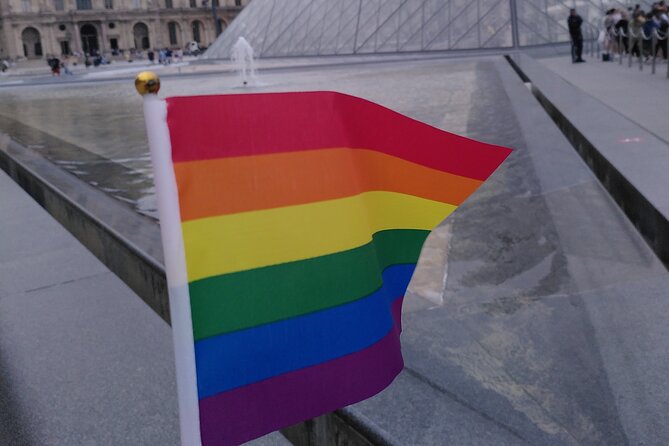
This is the kind of tour that helps you read the city differently. You’re still seeing classic Paris—big monuments, major squares, and the formal geometry of the center—but your guide keeps returning to one theme: public space, visibility, and how LGBTQ+ people lived with changing rules and attitudes.
The private setup matters. With only your group, you can ask follow-ups when something hits you—an event, a law, a name, or why a particular location carries weight. The tour runs about 2 hours 30 minutes, which is long enough to feel like a real story arc, but short enough to stay flexible.
And since all admissions for the listed stops are free, you’re paying primarily for the guide’s expertise and storytelling time, not entry fees. That’s a good fit if you want learning without turning your day into a ticket-queue marathon.
You can also read our reviews of more private tours in Paris



Where you start and how the route feels from Concorde to City Hall
The tour meets at 2 Rue Royale (75008) and finishes at Hôtel de Ville (City Hall), 75004. Starting on Rue Royale puts you near the heart of central Paris—easy to connect with other sightseeing plans.
You’ll be walking through high-traffic areas, so come ready for city pace. This isn’t a “sit-and-smile” stroll; it’s structured with stops, each one designed to point you toward specific sights and then connect them to LGBTQ+ themes.
Also, you get a mobile ticket. That’s small, but it can save time on the day. If you’re using public transport, the route is also described as near public transportation, which helps when you’re juggling transfers.
Place de la Concorde: orientation plus the stories behind visibility
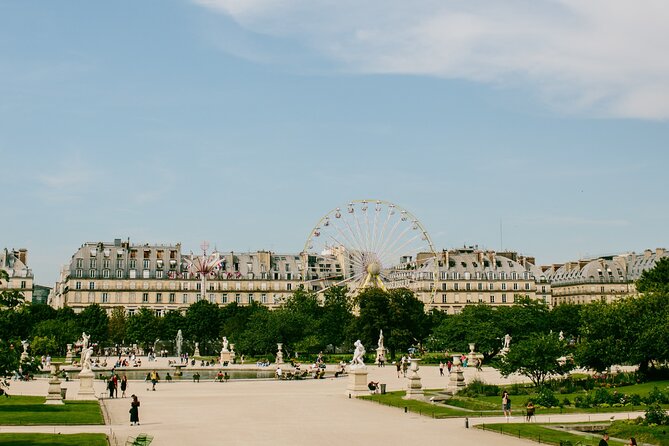
You begin at Place de la Concorde, a major square where you can quickly orient yourself. From here, your guide helps you spot key sights like the Champs-Élysées, the Arc de Triomphe, and the Tour Eiffel.
What makes Concorde more than a postcard stop is the way history gets layered onto the view. A “central landmark” can be a stage, but it can also be a place where social rules and surveillance matter. Your guide frames this square as a good entry point: you get the broad Paris geography first, then the LGBTQ+ context.
This first stop is about 20 minutes, so you should feel it as a warm-up rather than information overload. It’s also a practical way to start: you’ll be able to recognize where you are in the city for the rest of the walk.
Tuileries Gardens: how public gardens shape queer life
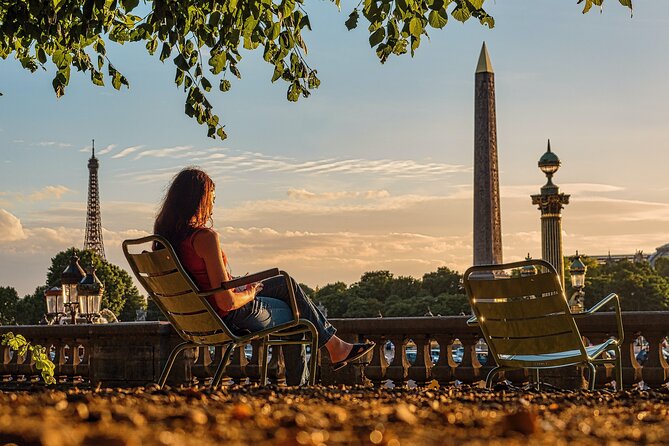
Next you head to the Jardin des Tuileries. Gardens sound peaceful, and they can be—but historically, public spaces were never only about flowers and paths. They were also about who felt safe, who was watched, and how people navigated visibility.
Your guide explains the gardens’ importance for LGBTQ+ people throughout the ages. That phrasing matters, because it signals you won’t only get one era. Instead, you should expect a thread connecting changing social conditions to how people used outdoor space.
This stop is another 20 minutes. It’s a good length: enough time to slow down, look around, and ask questions if you want more clarity on a specific period or idea.
Place Vendôme and Napoleon: power, reputation, and risk
At Place Vendôme, you’ll admire a beautiful square—and then your guide pivots to Napoleon and how he viewed homosexual practices in his time. That’s a hard topic, but it’s also exactly the kind of context you need if you want your tour to feel grounded rather than decorative.
This stop pushes an important lesson: public figures and state power shape private lives. Even when the stone and architecture look timeless, the rules around sexuality and gender have been anything but.
Again, it’s 20 minutes, which helps you keep a pace that feels watchable rather than exhausting. If you tend to get emotionally weighed down by heavy history, this structured timing can help you pace yourself—ask questions now, take breath later.
You can also read our reviews of more tours and experiences in Paris
Jeanne d’Arc: medieval gender identity and a French hero case
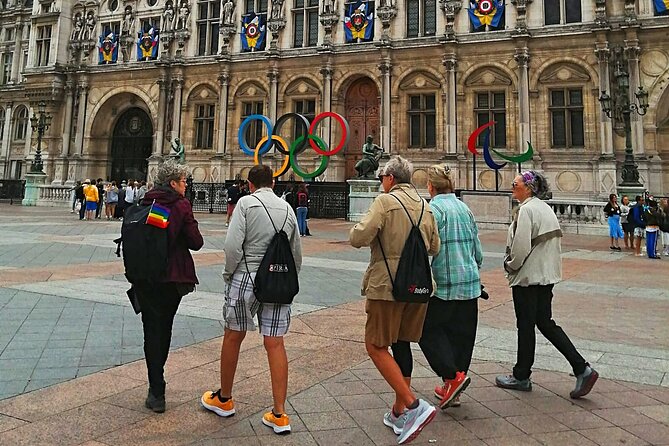
Passing the statue of Jeanne d’Arc, you’ll talk with your guide about gender identity in the Middle Ages. Your guide also addresses the special case of Jeanne d’Arc, which keeps the conversation from staying purely theoretical.
This is one of those stops that can land differently depending on your interests. If you like how ideas evolve over time, you’ll probably enjoy the “how did people think then?” angle. If you want to stick to LGBTQ+ history as it relates to modern terminology, you might want to ask your guide how they’re framing the comparison.
Expect about 15 minutes here. Short stop, focused topic—perfect for keeping the walk moving while still giving the conversation a chance to matter.
Opera area: clues to older LGBTQ neighborhoods
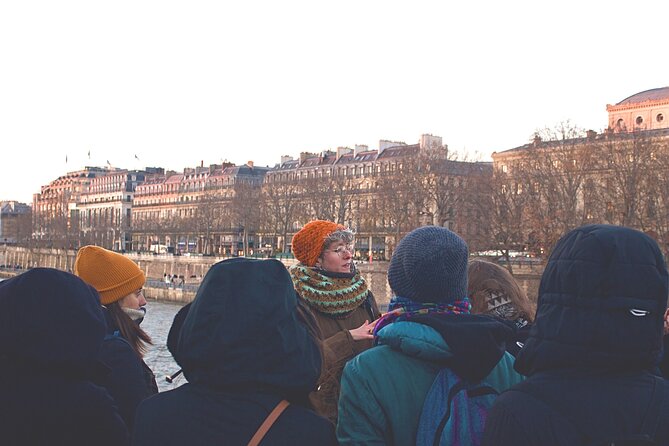
Then you move to the 9th arrondissement near the Opera. Your guide helps you spot a monument from a distance and explains the history of the area, including that it was once a former LGBTQ+ area of the city.
This stop is designed like a “map in your head” moment. Even if the modern street scene doesn’t look like the past, you’re learning how to connect geography to lived experience. That skill is valuable after the tour too, because it helps you see your surroundings as meaningful rather than random.
The stop is about 10 minutes. Because it’s brief, don’t be shy about asking one or two targeted questions if something feels vague. A good guide can tighten the story fast.
Palais-Royal’s garden and the Galerie Véro-Dodat passage
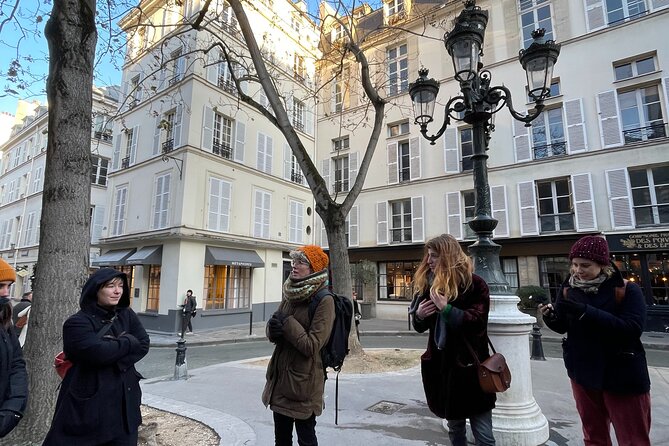
Now the tour shifts into places that feel slightly different from the grand squares: Palais-Royal and Galerie Vero-Dodat.
At Palais-Royal, you discover a gorgeous hidden garden and hear its LGBTQ+ secrets. Hidden gardens matter because they’re often where privacy and social life meet. In real cities, “out in public” doesn’t always mean fully exposed. Your guide uses this space to show how people created room for themselves within the city.
Then you go to Galerie Vero-Dodat, a covered passage from the 19th century. Covered passages have a specific vibe: quieter, more enclosed, and excellent for storytelling because they feel like they could hold secrets. Here, the guide’s role is to turn the architecture into a clue—how people moved, met, and existed in a world that wasn’t always welcoming.
This pair of stops is 20 minutes for Palais-Royal and 10 minutes for the passage. If you like photos, this is the part where you’ll probably want to slow down with your camera—just keep an eye on your group so you don’t drift too far ahead.
Hôtel de Ville finish: repression stories before the Revolution
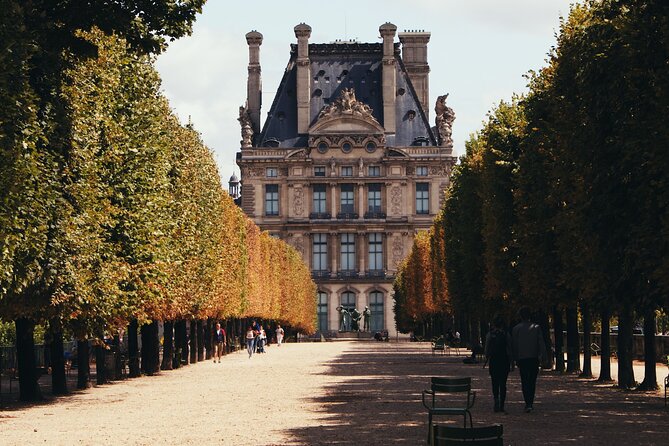
You end in front of Hôtel de Ville (City Hall). This final stop is 35 minutes, and that longer time tells you something: the ending is meant to give weight.
Here, your guide tells the story of the repression of LGBTQ+ people in Paris before the French Revolution. That kind of historical context can be intense. It also makes the earlier landmark stories land better, because you can see how public space and power connect over time.
I like that the tour doesn’t end with a vague “and things got better.” It’s more honest than that: it explains what repression looked like and why it mattered historically. And because this is the last stop, you’ll likely have the mental energy to absorb it without the fear of “running out of time.”
Guides from the LGBTQ+ community: how that changes the tone
One of the best parts of this tour is that the guide is from the LGBTQ+ community. That can change the tone immediately. Instead of treating queer history like a side topic, it’s framed as something real people had to live with.
From the guide names you might encounter—Alex, Johanna, and Eri—you can also expect different styles, but the through-line stays the same: strong historical detail, good pacing, and a sense of humor that keeps the walk from turning into a depressing slog.
You’re also getting plenty of time to ask questions, which means you can steer your own learning. If there’s a term you don’t understand or a point you want expanded, this is a format where your guide can actually respond in a way that sticks.
Price and value: why $355.21 can make sense
At $355.21 per person, this isn’t the cheapest way to see Paris. It’s priced for a private, LGBTQ-focused guide experience—so value depends on your group situation.
Here’s how I’d judge it:
- You’re not buying museum tickets for the route; the listed stops have free admission.
- You’re paying for guided interpretation that links locations to LGBTQ+ history.
- You get private time, so it’s easier to ask questions and tailor the conversation.
If you’re two or more people, this can feel more reasonable than a solo purchase, especially since there are group discounts mentioned. If you’re traveling solo and price-sensitive, you may want to compare against larger-group queer history walks.
One practical note: water and snacks aren’t included. Since you’ll be out for about 2.5 hours, bring a small bottle or plan to buy water nearby so you don’t end up rationing sips during the final, longer City Hall segment.
Who this tour fits best (and who might want a different format)
This tour is a great match if you want:
- An English-language guide and a private feel
- A clear route across the center of Paris
- LGBTQ+ history anchored to real places, from major squares to covered passages
It’s also described as most travelers can participate, and service animals are allowed. If you’re comfortable walking through central Paris, you’ll likely be fine.
If you’re someone who hates walking or wants mostly indoor stops, this may feel too outdoors-heavy. The stops are timed and structured, and you’ll be moving fairly continuously to cover all the locations.
Should you book Paris Highlights with an LGBTQ Perspective Private Tour?
I’d book it if you want your Paris day to feel specific, not generic. The combination of famous sights plus LGBTQ+ storytelling tied to locations like Place de la Concorde, Palais-Royal, and Hôtel de Ville is exactly the kind of contrast that makes a short tour worth your time.
I’d think twice if you’re trying to do Paris on a tight budget or you’re not a fan of walking. Also, because there’s no water/snack inclusion, you’ll want to plan ahead so the experience stays comfortable all the way through the longer ending stop.
If your goal is to understand Paris beyond the postcard layer—while still getting great sights—this one is a strong pick.
FAQ
How long is the Paris LGBTQ Perspective Private Tour?
It runs for about 2 hours 30 minutes (approx.).
What is the price per person?
The price is $355.21 per person.
Is this tour private or group-based?
It’s a private tour/activity. Only your group participates.
Where do we meet and where does the tour end?
The start is 2 Rue Royale, 75008 Paris. The tour ends at Hôtel de Ville, 75004 Paris (in front of City Hall).
Do we need tickets or pay admissions for the stops?
The stops listed on the itinerary have free admission, and the tour includes the guide. Bottled water and snacks are not included.
What’s the cancellation policy?
You can cancel for a full refund up to 24 hours in advance of the experience start time.