Montmartre can feel packed, fast. This tour slows you down and steers you toward the lesser-visited streets where art history, small stories, and views all meet. I like the small group size (max 14) and the fact that your guide actually connects the neighborhood’s pop culture past with what you see today, with guides like Camille and Paloma leading the way. One thing to consider: it’s still Montmartre—expect some up-hill walking and you’re tasting a butter croissant, so dietary limits matter.
You’ll start near the famous windmill area, then move through cobbled lanes that most people don’t bother with. I really like that you get a proper food stop—one of the best buttery croissants—but it’s not a sugary marathon. A possible drawback is that the tour isn’t aimed at people who want a long food crawl or gluten-free/lactose-free options.
By the end, you’re looking at Sacré-Cœur from a quiet vantage point that’s made for photos, not crowds. The pace is described as reasonable, with time to pause and take pictures, which makes a big difference on a hill. If you want wheelchair-style flat sightseeing, this is probably not the right fit—but for most walkers, it’s a smart, efficient way to understand Montmartre in just 2 hours.
In This Review
- Key highlights I’d plan around
- Entering Montmartre the smart way
- Starting at Blanche and the Moulin Rouge windmill
- The croissant stop you’ll actually remember
- Amélie, Van Gogh, Picasso, and Dalida stops that connect the dots
- Wall of Love, secret lanes, and a panorama for photos
- Vineyards, Cabaret Le Lapin Agile, and Montmartre’s weird charm
- Getting Sacré-Cœur from a different angle
- Price and practical value for $41
- Who this tour suits best (and who should skip it)
- Should you book this Montmartre walk?
- FAQ
- Where is the meeting point for the tour?
- How long is the tour, and how much walking is involved?
- How many people are in the group?
- What food is included during the tour?
- Is the tour vegetarian-friendly, and does it work for special diets?
- What should I bring for the walk?
- Can I cancel, and is pay-later available?
Key highlights I’d plan around
- Max 14-person group so you can actually hear and ask questions
- Butter croissant stop at a local patisserie included in the tour
- A photo panorama that’s described as among the best but little-known
- Wall of Love with the “Je t’aime” message in 250 languages
- Last vineyard in Paris plus Montmartre’s wine-story setting
- Cabaret Le Lapin Agile and the quirky tale of Lolo the painting donkey
Entering Montmartre the smart way
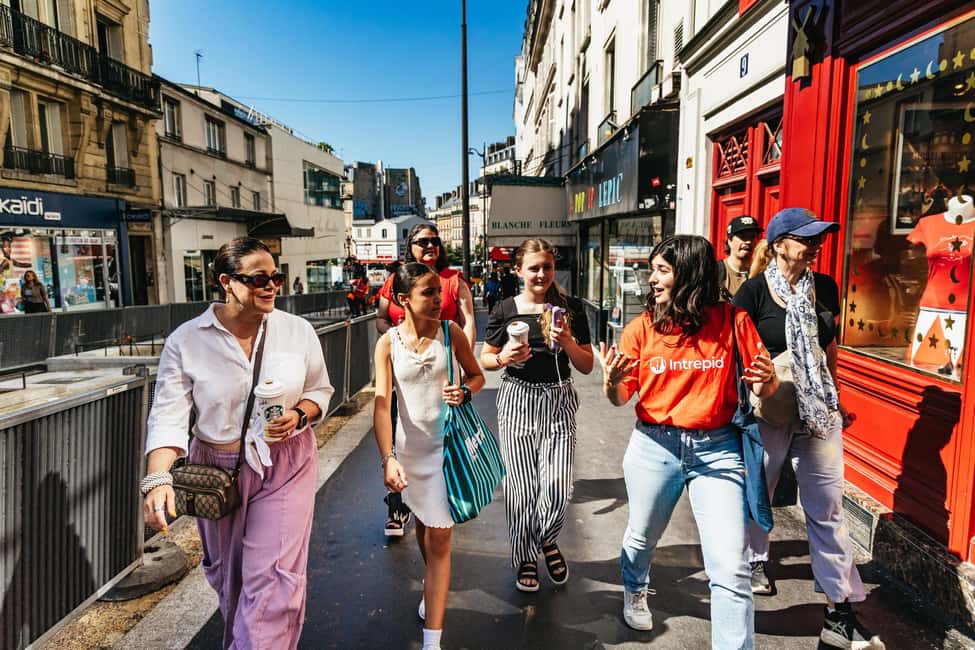
If you’ve ever wandered Montmartre on your own, you know the problem: you hit the big sights, you take a few photos, then you’re stuck pushing through the same lanes as everyone else. This tour works because it’s built like a walk with a point of view. You’re not just going from landmark to landmark; you’re learning how the neighborhood thinks—artists, singers, cafés, and the city’s changing layers.
The group size is the first practical win. With up to 14 people, the experience stays human-scale. In multiple experiences with this tour, the vibe is described as conversational rather than headset-loud, which matters if you want to ask follow-ups or get a quick explanation before you move on.
And since it’s only 2 km (about 1.2 miles) over 2 hours, it’s not a half-day commitment. You get a strong “I get it now” sense of Montmartre without burning your whole afternoon.
You can also read our reviews of more guided tours in Paris



Starting at Blanche and the Moulin Rouge windmill
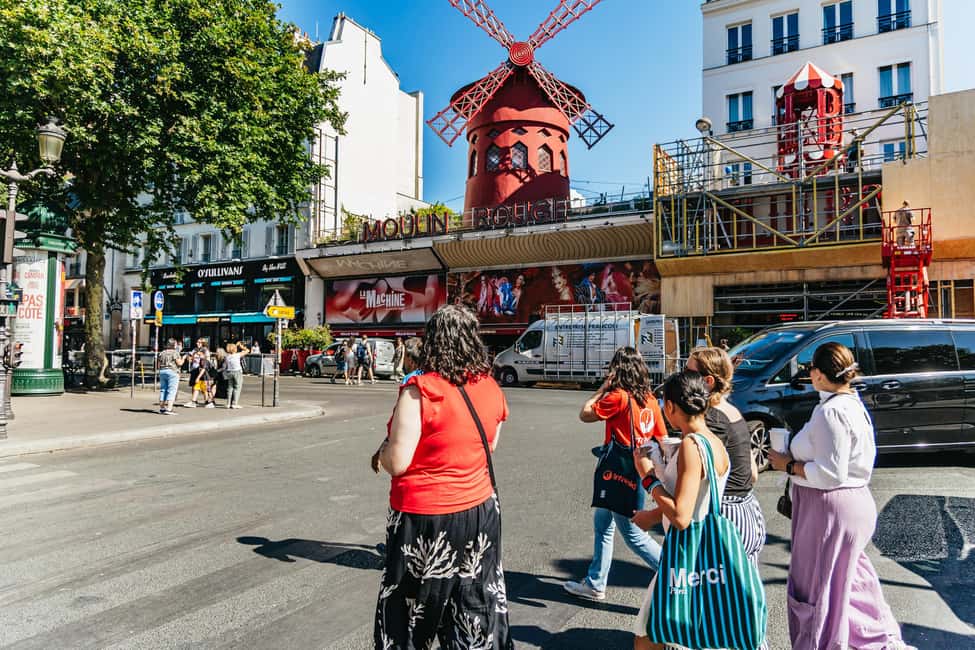
The meet-up is outside the Blanche metro stop (Line 2) at ground level. That’s useful because Line 2 is one of the easiest lines to navigate in Paris, especially if you’re staying somewhere central.
From there, the walk pulls you into the Moulin Rouge orbit right away, starting around the iconic windmill area. It’s the right opener because it sets expectations. Montmartre isn’t just pretty streets—it’s performance, music halls, and the creative myth-making that made the neighborhood famous.
You’ll also get early “spot it” moments that turn the area from scenery into story. People on this tour often mention the mix of classic Montmartre sights with references to French pop culture, and that’s exactly what this opening does well. You’re not waiting until the end to understand why you’re walking.
The croissant stop you’ll actually remember

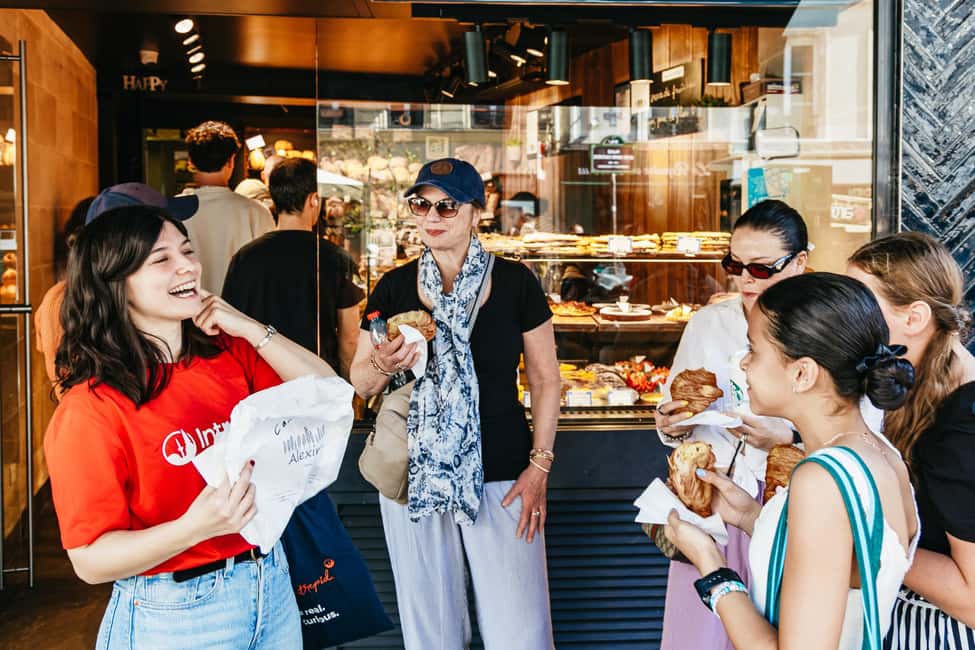
Yes, it’s a classic French pastry. But the tour handles this like it should: one solid stop, not a random bite. You’ll taste a prize-winning butter croissant from an award-winning bakery.
Why this matters for your day: it’s a morale boost halfway through the walk—especially on a hill. It also makes the tour feel grounded. Montmartre has a lot of art talk, but food is how you experience Paris’s everyday rhythm, not just its museum version.
The tour is marked as vegetarian-friendly, but it does include dairy (that butter croissant). If you’re lactose-free, gluten-free, or vegan, this one may not work. For everyone else, this pastry break is the kind of simple highlight that makes people recommend the tour even if they’re not usually “food tour” people.
Tip: If you want to take photos around the bakery area, don’t rush the first bites. Eat slowly, then look up. That’s when the neighborhood starts to feel real instead of tourist-y.
Amélie, Van Gogh, Picasso, and Dalida stops that connect the dots
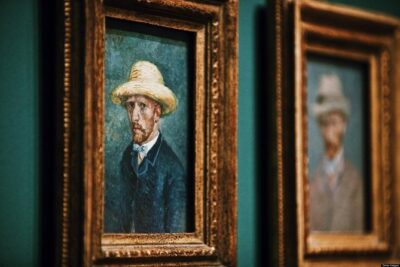
One of the best parts of this tour is how it connects different artists and eras without turning it into a lecture. You’ll move through streets where you can spot references that pop culture fans recognize, including the café from Amélie and Van Gogh’s former residence.
Then the story broadens. You pass Picasso’s old home and hear about Dalida, one of France’s beloved singers—often including her statue as part of the walk. These aren’t just name-drops. The guide’s job is to explain how these figures fit into Montmartre’s identity as a place where creativity stuck around, even as the neighborhood changed.
What to look for as you walk: the tour encourages you to read the streets like clues. Doorways, building angles, and the little quirks of the lanes are tied back to stories you hear along the way. That turns your eyes into tools, not just decoration.
If you love art history but hate feeling stuck in “facts only,” this is a good match. It keeps the pace light while still giving you enough context to enjoy what you see next.
Wall of Love, secret lanes, and a panorama for photos
Not every Montmartre tour stops at the same photo spots in the same order. This one includes the Wall of Love, where people write “Je t’aime” in 250 languages. It’s brief, but it’s meaningful, and it breaks up the walking with a quick moment that doesn’t feel like you’re rushing through another monument.
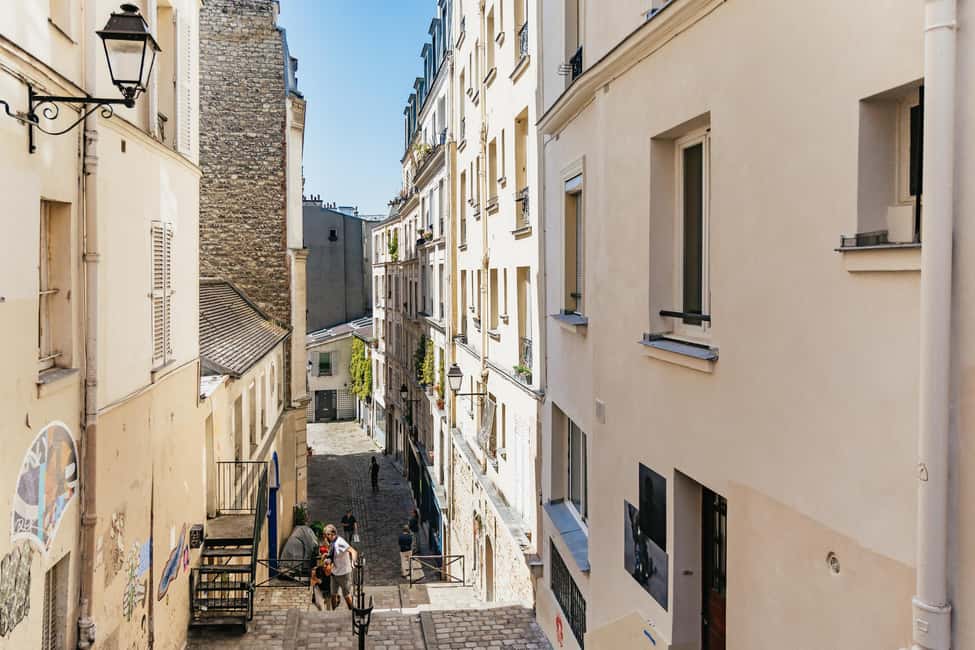
After that, you’re back into the winding lanes and quieter corners. The tour emphasizes breathtaking views over Paris, and it includes one of the best but less-known panoramas for photos. This is a major reason to take a guide instead of relying on your phone. Montmartre’s topography is tricky—you don’t always guess which turn gives you the view you want.
A practical note for your photos: bring your phone camera settings as if you’re shooting at golden-hour brightness. Even in daytime, Montmartre’s angles and stone buildings create contrast. You’ll get better results if you tap to focus and don’t overexpose the sky.
Also, this tour ends with photo time near Sacré-Cœur, but the best photo moments are spread out—so you’re not stuck only at the end.






Vineyards, Cabaret Le Lapin Agile, and Montmartre’s weird charm
Montmartre likes to surprise you. One standout stop is the vineyard presence, including mention of the last vineyard in Paris. That’s one of those details that changes how you interpret the neighborhood. It’s not just a hill of cafés and art studios—it has agricultural history still sitting there in plain sight.
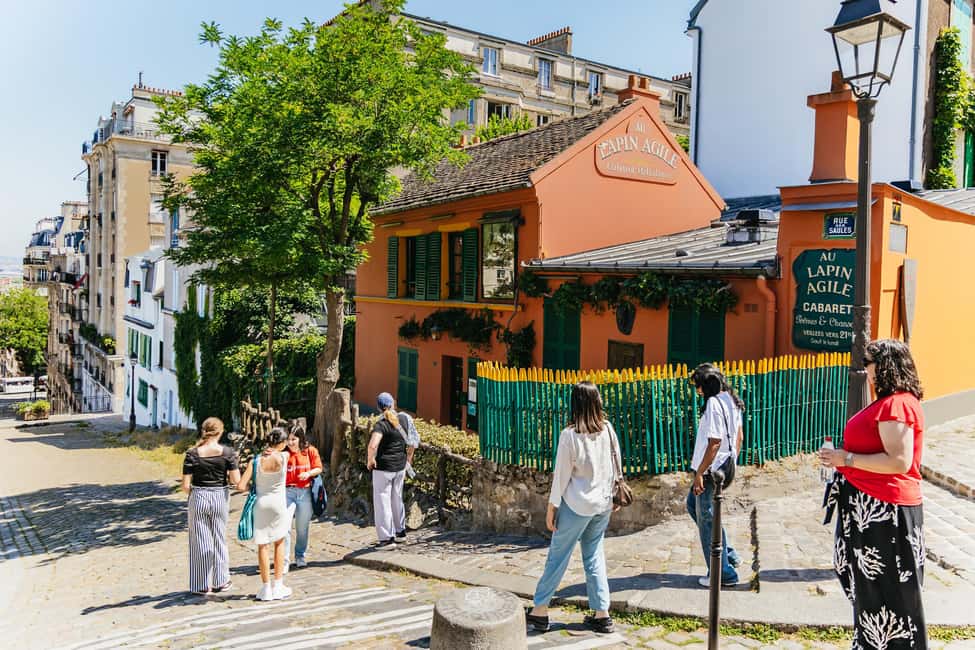
Then comes Cabaret Le Lapin Agile, a legendary venue known for its oddball stories. You’ll hear the quirky tale of Lolo, the painting donkey. Whether you care about cabaret lore or not, this is the kind of stop that makes the walk memorable because it’s playful. Montmartre’s reputation isn’t built only on famous paintings—it’s also built on comic myths and cultural legends.
The tour usually stays short here (you’re not trapped for an hour inside a venue), so you keep momentum. That matters because you’ve got Sacré-Cœur waiting, and you want your energy for the final segment.
Getting Sacré-Cœur from a different angle
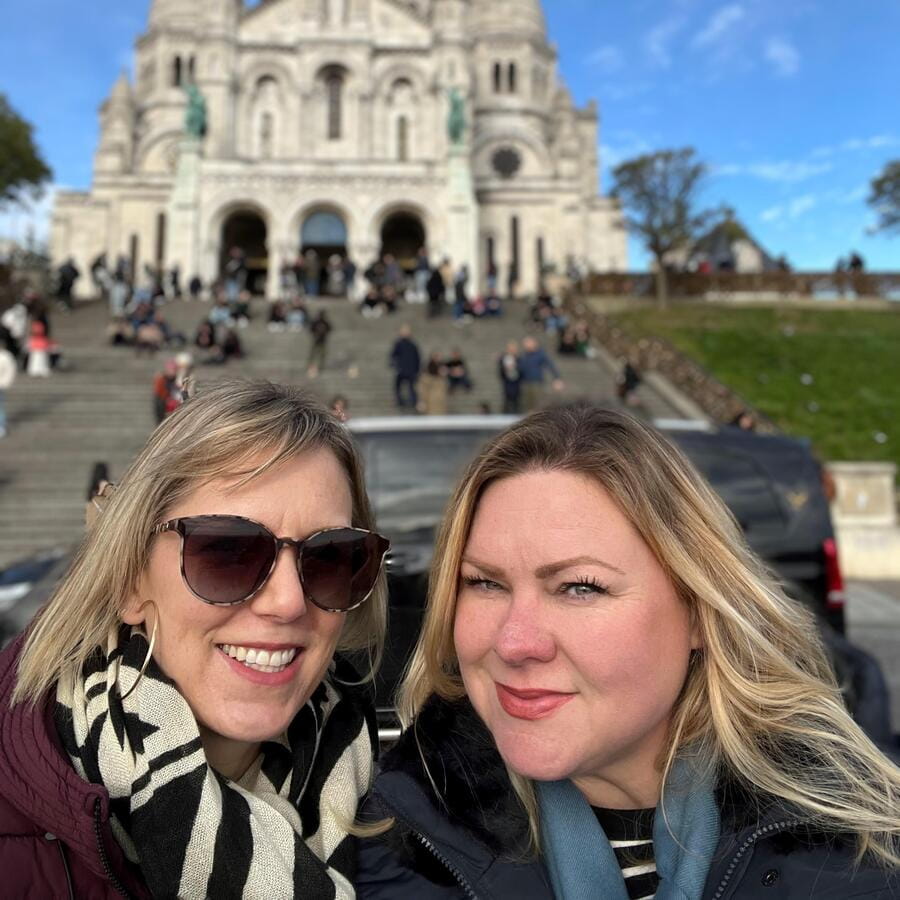
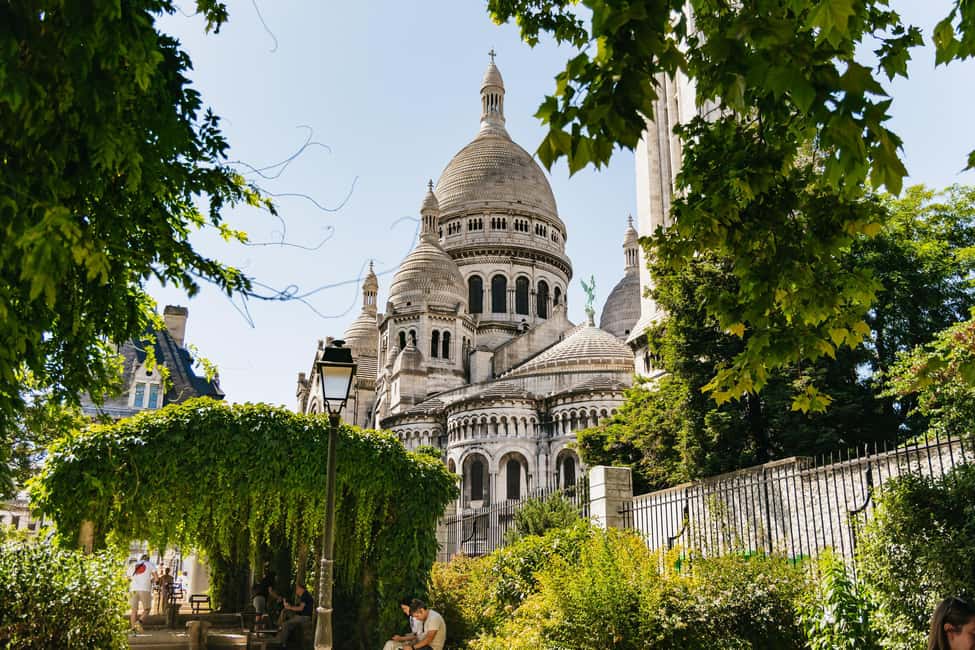
A lot of tours finish at the front view of Sacré-Cœur. This one takes you to a stunning vantage point few tourists ever see, then finishes at the basilica area itself. That “back side” perspective is a big deal. You’re not just looking at a building. You’re watching how it sits above the city, how the hill frames the view, and how Montmartre’s streets feed into it.
This is where the tour’s pacing pays off. Because the walk is planned for about 2 hours, you’re not arriving exhausted and rushing to check the box. Instead, you can actually enjoy the last part—views, photos, and that sense of scale when you’re finally close to the basilica.
Expect some hills and stair angles. Comfortable shoes matter here more than you think. You don’t need hiking gear, but you do need soles that don’t slip on uneven stone.
Price and practical value for $41
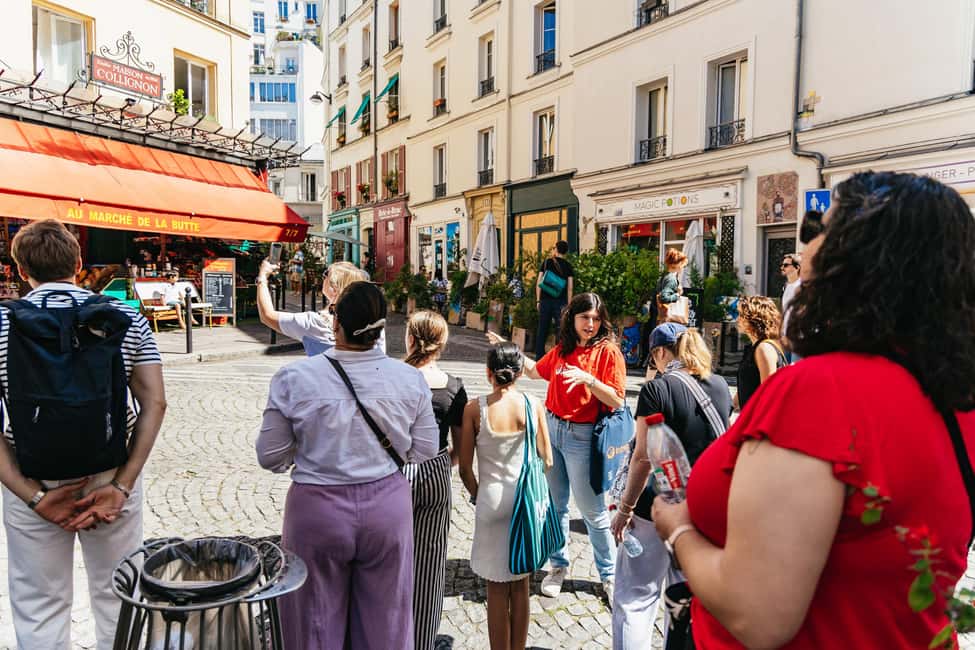
At $41 per person for 2 hours, the value depends on what you want out of Montmartre. If your plan is mostly photos, you could save money by walking on your own. But if you want the neighborhood to make sense—art references, why certain corners matter, and a photo panorama you’d probably miss—this price feels fair.
Here’s what you’re getting for that money:
- A local guide in English (live, not audio)
- Hidden panorama viewpoints for photos
- A freshly baked butter croissant included
- A small group (max 14) that keeps the experience personal
And there’s another value factor that’s easy to overlook: the tour is listed as carbon-neutral and run by a B Corp-certified company. That doesn’t change the views, but it can matter if you care about how tourism is managed.
You’ll still need to budget for drinks and anything extra, since they aren’t included.
So I’d frame it like this: $41 buys you time saved, confusion avoided, and a pastry you’ll talk about later.
Who this tour suits best (and who should skip it)
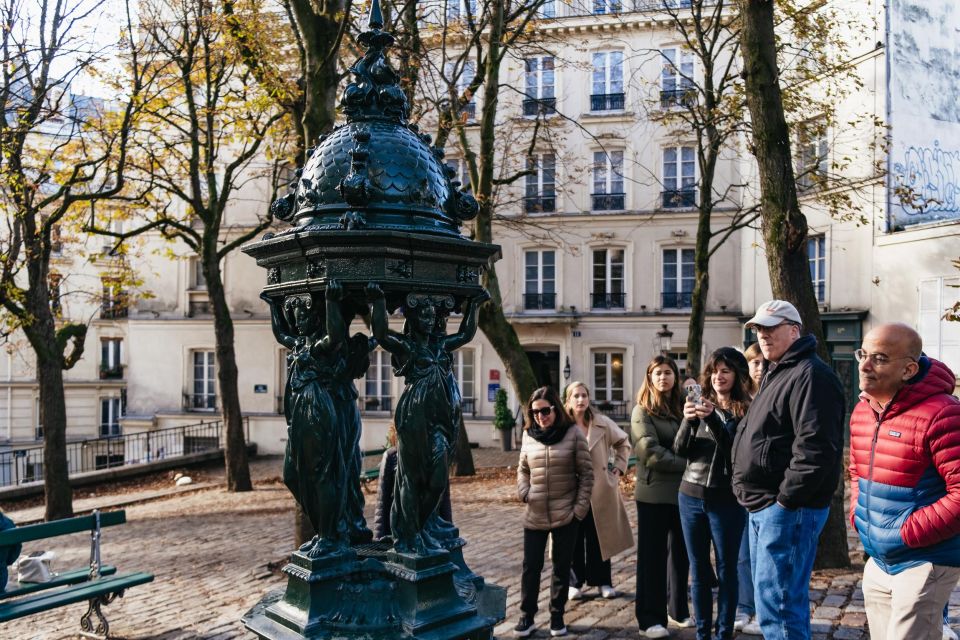
This experience is a great fit if you’re:
- A first-time Montmartre visitor who wants context fast
- An art or French culture fan who likes stories tied to what you see
- Someone who wants a manageable hill walk with a guided route
- A pastry lover who’s happy to eat one classic butter croissant
You might want to skip or choose another format if you:
- Need lactose-free, gluten-free, or vegan options (the tour isn’t set up for those)
- Want a low-pace, fully flat outing
- Prefer long museum time over neighborhood storytelling
Should you book this Montmartre walk?
If you’re spending limited time in Paris and want Montmartre to feel real, I’d book it. The combination of small group size, an included award-winning croissant, and rare Sacré-Cœur viewpoints makes it a strong deal for a 2-hour window.
Book it especially if you care about understanding the neighborhood instead of just taking pictures. And if you can handle a bit of uphill walking and you’re good with dairy, you’ll likely finish this tour feeling like you actually learned something useful—then you’ll head out with better instincts for where to wander next on your own.
FAQ
Where is the meeting point for the tour?
Meet outside the Blanche metro stop (line 2) at ground level.
How long is the tour, and how much walking is involved?
The tour lasts 2 hours and covers about 2 km (1.2 miles) on foot.
How many people are in the group?
The group is small, with a maximum of 14 participants.
What food is included during the tour?
You’ll get a freshly baked butter croissant from an award-winning local bakery.
Is the tour vegetarian-friendly, and does it work for special diets?
The tour is suitable for vegetarians. It is not listed as suitable for lactose-free, gluten-free, or vegan diets.
What should I bring for the walk?
Bring comfortable shoes and weather-appropriate clothing.
Can I cancel, and is pay-later available?
Free cancellation is available up to 24 hours in advance for a full refund. Reserve now & pay later is also offered.