REVIEW · PARIS
Paris: Famous Monuments Cycling Tour
Book on GetYourGuide →Operated by Bike About Tours · Bookable on GetYourGuide
One loop, five Paris icons. I love how this Paris cycling tour keeps you cruising on bike lanes while getting you up close to the Eiffel Tower, not just spotting it from far away. I also like that the route stitches the city together like a movie montage, with quick stops at landmark after landmark.
The trade-off is time. You get a lot of guided context, and if you prefer short stops over storytime, some of the history can feel like it takes over the rhythm. Also, this is a straight-line highlights ride, so you will not branch out to places like Montmartre or the Moulin Rouge area.
In This Review
- Key Highlights That Make This Ride Worth It
- Le Peloton Café and the Marais start: get rolling fast
- Notre-Dame and Île de la Cité: your first big-picture moment
- Pont des Arts and the bridges of Paris: why the river matters
- Louvre courtyards and the pyramid view: classic angles, manageable stress
- Hôtel des Invalides and Place de la Concorde: where the stories hit harder
- Eiffel Tower up close on bike paths, then the return ride
- Price and value: what $113,875 buys you (and what it doesn’t)
- Who should book this cycling route, and who should skip it
- What to bring (so the ride stays comfortable)
- Final verdict: should you book it?
- FAQ
- How long is the Paris Famous Monuments Cycling Tour?
- Where does the tour start?
- Is food included?
- Do I need to know how to ride a bike?
- How hard is the ride?
- What should I bring?
- What language is the tour guide?
- What’s included in the tour price?
Key Highlights That Make This Ride Worth It
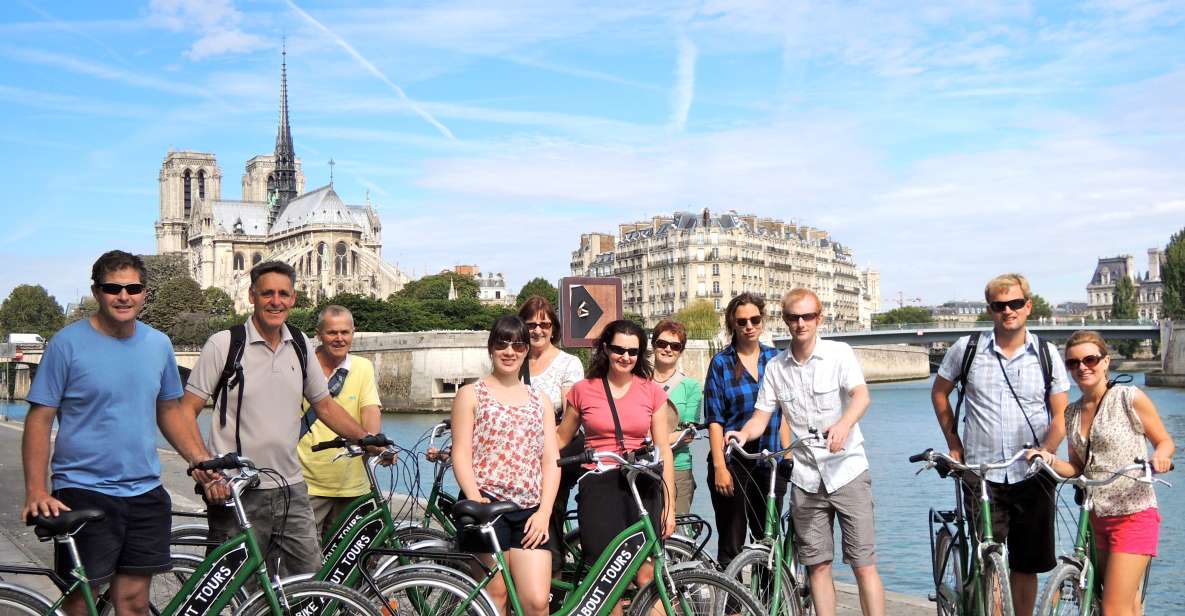
- Mostly flat riding (about 13 km) with plenty of photo stops, so you spend energy seeing Paris instead of grinding hills.
- Le Peloton Café in the Marais is a great starting vibe, and it puts you close to the older core of the city.
- Notre-Dame, Pont des Arts, and the bridges lesson give you a “why this matters” framework as you roll through the riverfront.
- Louvre courtyards from a back entrance lets you get the big visual hits with less of the usual stress.
- Rue Cler snack stop (crêpe or éclair) is practical fuel, not just sightseeing theater.
Le Peloton Café and the Marais start: get rolling fast
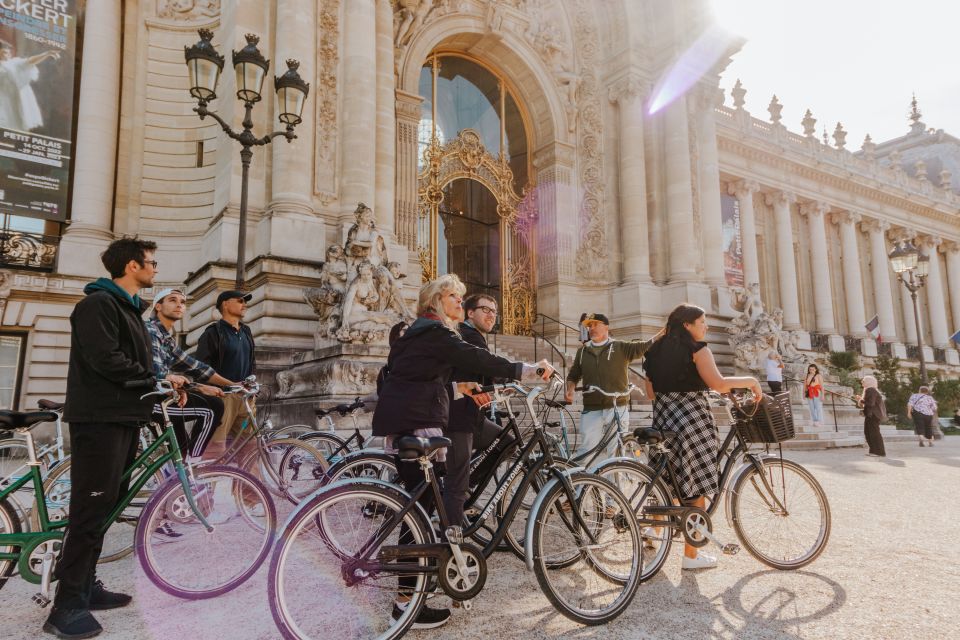
Your day begins at Le Peloton Café, at 17 rue du Pont Louis-Philippe in the Marais. Meeting here matters because you’re starting in one of the most atmospheric parts of Paris, with streets that feel like the city’s “real backdrops” rather than a waiting room for landmarks.
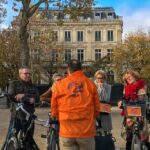
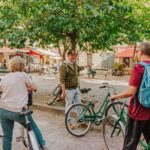
After you meet your team and get introduced to your guide, you’ll fit bikes (and helmets if you want them). This tour is built for smooth flow: once you’re moving, the route stays mostly on bike paths, which makes the ride feel calmer than you’d expect for covering so much famous ground.
One key note: this is not recommended if you don’t know how to ride a bike. If you feel shaky on balance or turning, you’ll spend your energy bracing instead of enjoying the views.
You can also read our reviews of more cycling tours in Paris

Notre-Dame and Île de la Cité: your first big-picture moment
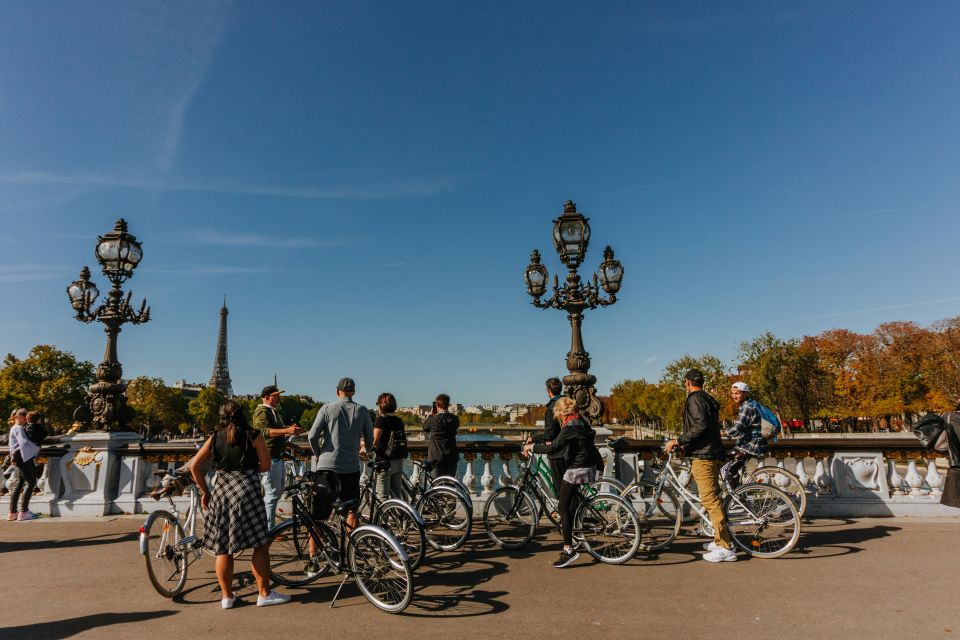
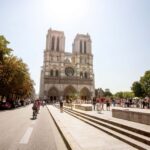
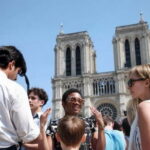
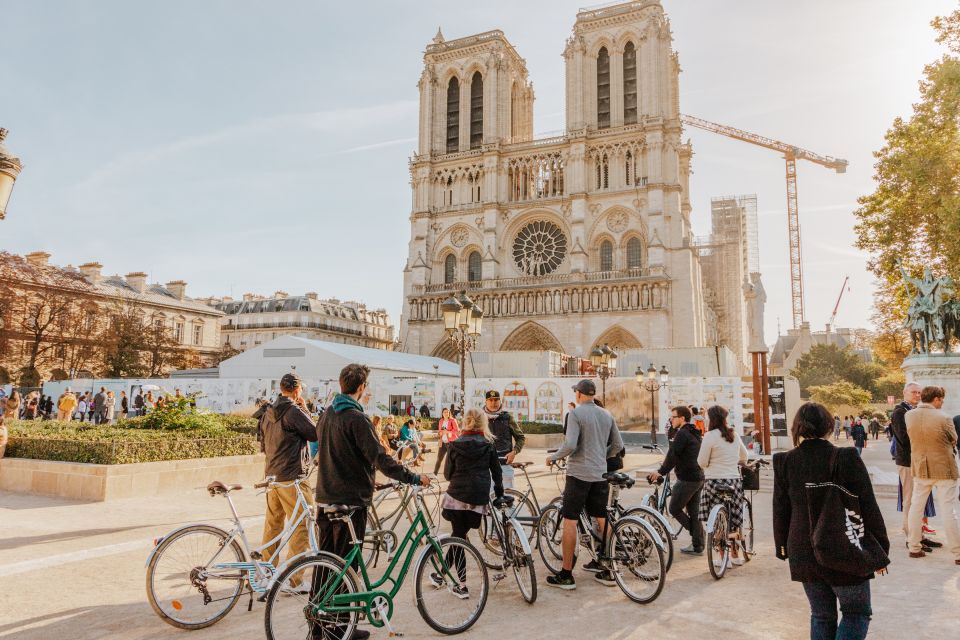
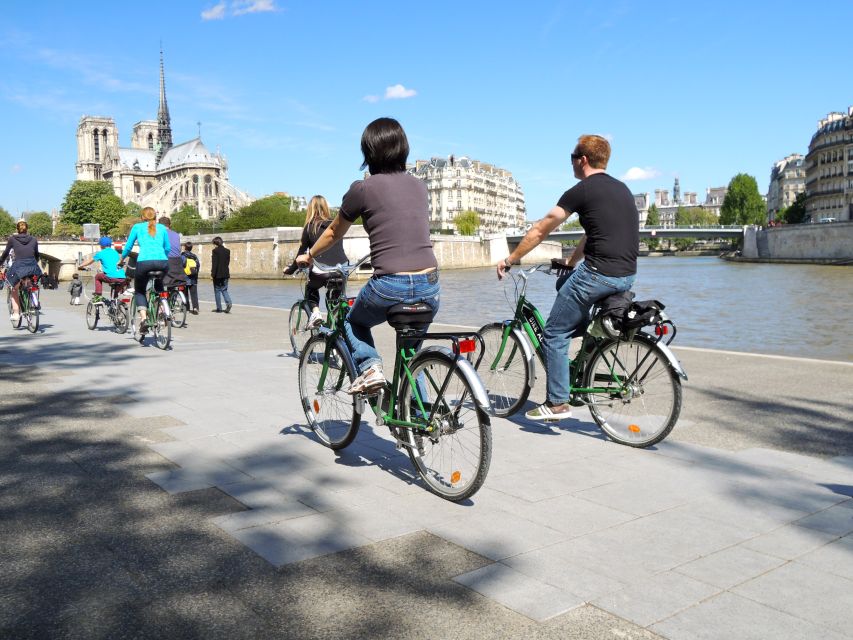
The first sight you’ll see is Notre-Dame, and the guide walks you through what you’re looking at—history, construction, and what’s gone through reconstruction. Even if you’ve seen photos a hundred times, being there on a bike changes the experience. You get a clear sense of scale and how the cathedral sits within the island’s streets and river edges.
From there, you swing around the island with stops that keep things from turning into a blur. You pass a local flower market, then head toward the Palais de Justice area, so the ride isn’t only about monuments—it’s also about how people move through the city around them.
If you like “orientation moments” while you travel, this early stretch is useful. It sets you up for how Paris is organized: islands, bridges, and major civic buildings all feed into the same mental map.
Pont des Arts and the bridges of Paris: why the river matters
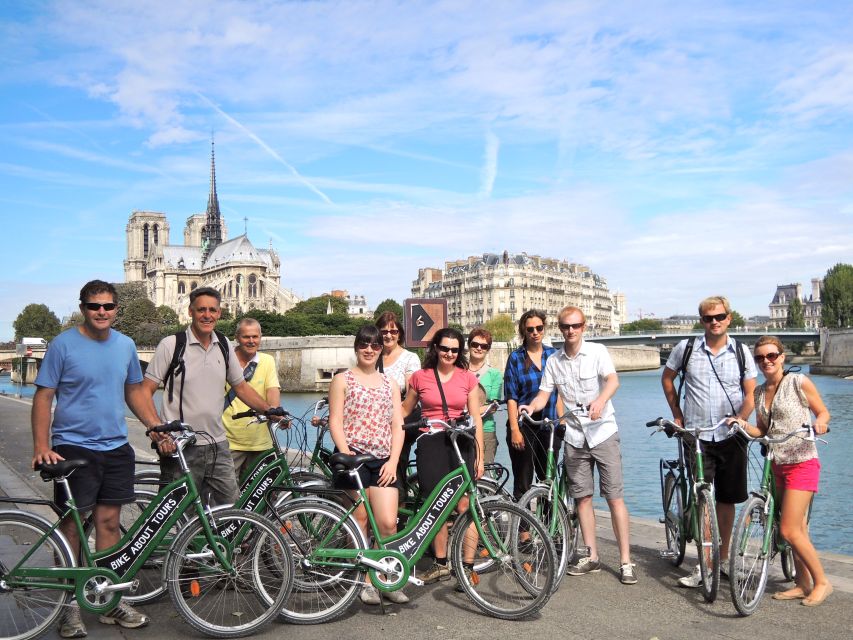
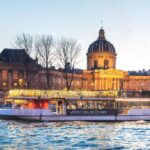
Next comes the Fontaine Saint-Michel in the Latin Quarter, then you roll onto Pont des Arts, described as Paris’s first lock bridge. The lock-bridge idea is famous, but what’s more helpful is that the guide connects the bridge theme to the broader role of bridges in Paris. You’ll also hear about the Institute of France in the same context.
This section is valuable for a simple reason: once you understand the bridge story, you start noticing details you’d otherwise miss—how crossings shape routes, views, and neighborhood connections. You’re not just collecting sights; you’re learning how the city’s geography does the heavy lifting.
Practical tip: keep your phone ready here. The bridge angles give you some of the best “Paris postcard” framing without requiring you to stand in a crowded spot for long.
Louvre courtyards and the pyramid view: classic angles, manageable stress
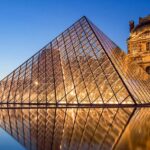
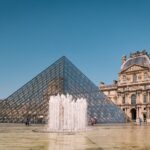
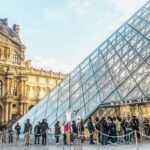
One of the smartest parts of the route is how you approach the Louvre. You pop in through a back entrance, then meander through older courtyard spaces before gliding through to the larger area where the Louvre pyramid sits.
The courtyard sequence is a good compromise if you want Louvre vibes without turning your day into an all-day museum mission. You get the iconic sightlines and photo angles, plus the guide can explain what you’re seeing as you move.
From the Louvre side, you’ll also catch views toward the Tuileries Garden and the Musée d’Orsay. Even though you are not stopping deep inside the gardens for a long walk, these viewpoints help you connect the Louvre to the bigger river-and-gardens composition of central Paris.
If you’re expecting a long, detailed museum-style experience, this may feel light. But if your priority is the monuments and getting back outdoors quickly, this is the right level of time.
Hôtel des Invalides and Place de la Concorde: where the stories hit harder
After the Louvre stretch, the tour shifts toward the Les Invalides area. Along the way you pass Place de la Concorde, which the guide frames as a former monarch-execution site now marked by the presence of an Egyptian obelisk. That contrast—violence and later symbolism—is the kind of story that can make a place feel more real than a simple landmark photo.
Then you cross the Alexander Bridge and approach Les Invalides head on, with the site noted as Napoleon Bonaparte’s resting place. This is one of those moments where the ride timing works in your favor. You’re approaching a major centerpiece with momentum, and the views build as you come closer.
From there, you head for a pit stop at Rue Cler. This is where the tour becomes more than monuments. It’s a busy pedestrian street filled with snack options, and you’re given time to indulge—think a crêpe or an éclair—without losing the thread of the ride.
If you’re budgeting time for food, aim for this stop. Food isn’t included, so this is the easiest chance to eat without scrambling or hunting down lunch later.


Eiffel Tower up close on bike paths, then the return ride
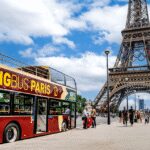
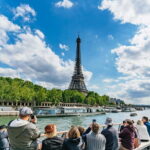
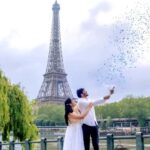
After Rue Cler, you thread through smaller streets to reach the Eiffel Tower. This is the highlight most people picture when they book: pedaling alongside Paris’s most famous landmark instead of standing behind a fence and hoping for a good angle.
What I like here is that the tour doesn’t just point at the Eiffel Tower—it builds you up to it. You’ve had time to absorb context at earlier stops, then you hit the real iconic moment with clear visual payoff.
On the way back, you get additional landmark education and photo opportunities. You’ll pull into views around the Grand Palais and Petit Palais, tied to World’s Fairs that took place in Paris. Later, there’s a photo op at the Arc de Triomphe and along the Champs-Élysées.
One detail that people might not expect: the return includes two tunnels and a ride along the Paris riverside. Those tunnels break up the street exposure and keep the ride fun, while the riverside section gives you that easy, scenic finish.
Price and value: what $113,875 buys you (and what it doesn’t)
Let’s talk money plainly. The listed price is $113,875 per person, which is extremely high for a 3.5-hour cycling experience. At this level, you’re paying for convenience and a guided route that hits a lot of Paris icons with minimal planning, plus bike and helmet support and an English-speaking guide.
But value depends on what you want from the day. If your goal is maximum landmarks in a single afternoon with minimal hassle, the route format makes sense. It’s also built around bike lanes and a relatively flat 13 km loop, which is a real quality-of-life factor compared to walking everywhere.
If your goal is shorter narration and more wandering into lesser-known corners, you may feel the tour leans more toward guided explanation than free exploration. And if you’re looking to go beyond central highlights to neighborhoods farther afield, the route doesn’t aim there.
Basically: at this price, book only if you’re confident you’ll enjoy the ride pacing and the monument-heavy focus.
Who should book this cycling route, and who should skip it
This tour fits best if you:
- Can ride a bike confidently, including on city streets and bike paths.
- Want Eiffel Tower + Louvre + Notre-Dame without coordinating multiple tickets and transport segments.
- Like structured sightseeing where you stop for photos and learn as you go, rather than wandering without a plan.
You might want to skip (or at least think hard) if you:
- Want a heavy mix of neighborhoods like Montmartre, Moulin Rouge, or the Jewish quarter, since this route stays focused on the central monument corridor.
- Prefer shorter storytelling and faster transitions. The guided narration can run long enough that it changes the feel of some stops.
Also, the guide works in English only, so if you were hoping for French-language narration, you’ll want to plan accordingly.
What to bring (so the ride stays comfortable)
The essentials are simple and practical. Bring a hat and gloves, and pack layers if you’re going in colder months. The route is flat and bike-path friendly, but comfort matters because you’ll be out for 3.5 hours with several stops where you stand around for photos and listen.
Since food and drinks are not included, plan to buy your own water and decide what you want at Rue Cler. The crêpe or éclair moment is built in, but you’ll still want to handle hydration and any extra snacks yourself.
Final verdict: should you book it?
If you want a monument-focused cycling tour that keeps moving on bike lanes and gets you up close to the Eiffel Tower, I think this is a strong pick. The Louvre courtyard approach, the Notre-Dame-to-bridge sequence, and the Rue Cler snack break make the day feel like a guided route through the visual center of Paris.
But if you dislike longer narration, expect less repetition in the central sights, or hoped for neighborhoods beyond the big names, you may feel boxed in. And with the listed price at $113,875 per person, I’d only book if you’re genuinely excited about this specific route style and the value you’ll get from a guide-led ride.
FAQ
How long is the Paris Famous Monuments Cycling Tour?
The tour duration is 3.5 hours.
Where does the tour start?
You meet at Le Peloton Café, located at 17 rue du Pont Louis-Philippe in the Marais. The tour ends back at the same meeting point.
Is food included?
No. Food or drinks are not included. There is a stop at Rue Cler where you can buy snacks like a crêpe or an éclair.
Do I need to know how to ride a bike?
Yes. The route is not recommended for people who do not know how to ride a bike.
How hard is the ride?
The route is described as flat, with most of the journey on bike paths, and it runs for about 13 kilometers with plenty of stops.
What should I bring?
Bring a hat and gloves. If it’s colder, pack layers as well.
What language is the tour guide?
The tour guide provides English.
What’s included in the tour price?
Bikes and helmets (if desired) are included, along with a tour guide.