REVIEW · PARIS
Paris Desserts and Pastries Small Group Cooking Class with a Chef
Book on Viator →Operated by Meeting the French · Bookable on Viator
Apron on, Paris magic starts. This Paris small-group dessert cooking class puts you in a real chef’s apartment kitchen, where baking is the main event, not a demo. You’ll learn practical French baking methods, then sit down to eat what you made with coffee, tea, or hot cocoa.
I like the format because you’re not just watching—you’re expected to make and enjoy 2–3 desserts (recipes vary, but the techniques are the point). You also leave with printed recipe copies, so the trip turns into something you can repeat at home. One consideration: when the kitchen gets busy with the maximum group size, some people report that participation can feel more limited, and drinks may be basic unless specified.
In This Review
- Key things that make this class worth your afternoon
- Entering a Paris apartment kitchen (where desserts are the plan)
- What you’ll bake: French icons plus global sweet ideas
- The 3-hour timeline: from measuring bowl to final tasting
- Small group size: the best version is 8 people max
- Chef personalities: names you might meet and what to look for
- Dietary needs and allergies: how safe and flexible is it?
- Price and value: what $195.84 buys you in real life
- Where you’ll start and how to plan your afternoon
- Who this class is best for (and who should skip it)
- Should you book it? My honest take
Key things that make this class worth your afternoon
- Chef-led, apartment-kitchen cooking instead of a classroom performance
- 2–3 desserts in one 3-hour session, often mixing French classics with international twists
- Recipe booklets/copies included, so you’re not guessing later
- Max 8 people, which usually keeps the attention personal
- Dietary needs can be handled (vegetarian, vegan, glucose-free, lactose-intolerant—plus allergies with notice)
- Hands-on techniques plus little “baking hacks” that actually help novice bakers
Entering a Paris apartment kitchen (where desserts are the plan)
Paris has a lot of food tours. This one is different because it’s built around action. You meet your host, a local chef, in their centrally located apartment kitchen, then get to work. That apartment setting matters: the pace feels personal, and you can ask questions as you go. It’s also a great way to taste how French home baking really works—less ceremony, more technique.
The class starts at 3:00 pm and runs about 3 hours. You’ll typically spend that time measuring, mixing, boiling, and baking, then end with a sit-down tasting of the desserts you helped create. It’s a “use your hands” kind of experience, which I think fits Paris better than one more walk-and-snack itinerary.
The place itself is usually fully equipped for baking, with utensils and ingredients provided—so you’re not arriving with half the supplies missing. That’s a big quality-of-life point. If you’ve ever joined a cooking class where you’re suddenly told to bring random tools, you’ll appreciate how this one is set up.
You can also read our reviews of more cooking classes in Paris

What you’ll bake: French icons plus global sweet ideas
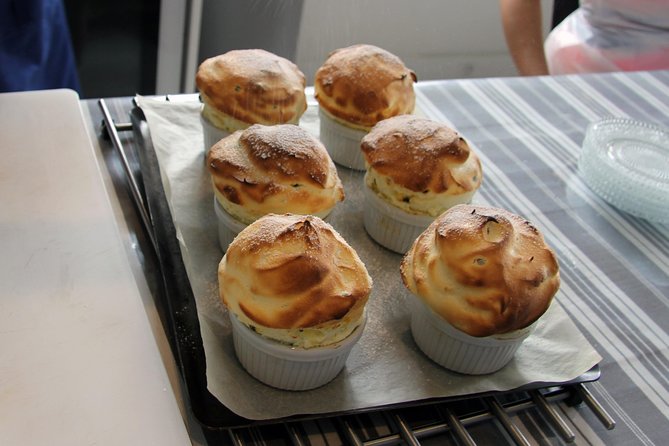
The menu changes from day to day, but the style stays consistent: French techniques, dessert textures you can recognize, and enough variety that you won’t get bored.
From the sample and commonly mentioned options, you might make desserts like:
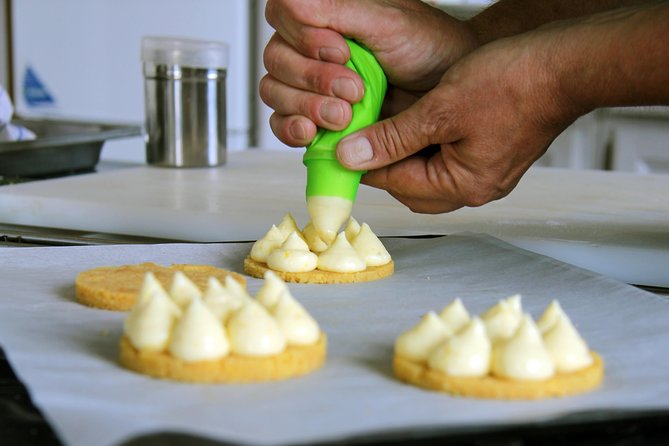
- Lemon tarts (bright, tangy, great for practicing pastry and filling)
- Mini molten chocolate lava cakes (a timing game and a texture lesson)
- Madeleines (small, elegant, and tricky in a rewarding way)
- Mango soufflé (a gentler stretch beyond the usual chocolate-and-butter routine)
You may also see classics such as tarte tatin, lemon madeleines, or molten fondant au chocolate—and some days include international treats too.
What I like for your planning: you’re not locked into one specific dessert you may or may not want. The structure is stable (2–3 desserts), but the exact recipes are flexible, which helps the class stay fresh. It also means you can match the experience to the season and what a chef thinks is best to teach that afternoon.
If you’re worried about difficulty, don’t be. Many reviews mention “easy” selections and clear step-by-step guidance. That doesn’t mean it’s effortless—it just means the chef tends to choose recipes that let beginners participate without turning the class into a stress-fest.
The 3-hour timeline: from measuring bowl to final tasting
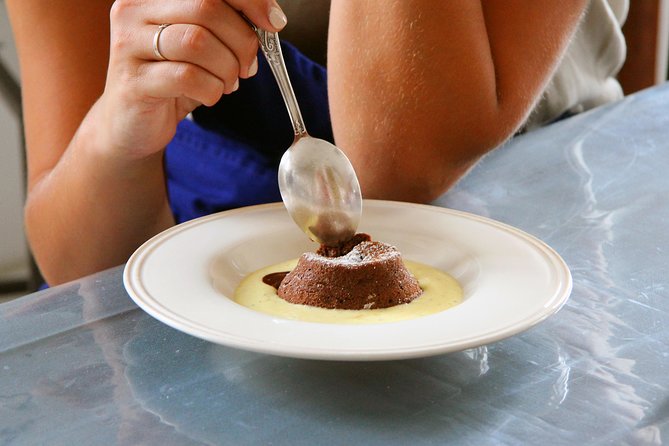
Here’s how the afternoon generally unfolds, and why each stage is useful.
1) Meet, apron up, and get organized
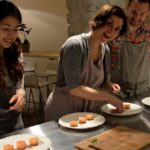
You start with introductions to the day’s plan, then tie on an apron. Even with no fancy staging, this part matters because you’ll be moving quickly between steps. When a chef sets up the kitchen flow well, you don’t spend the whole class waiting for ingredients or tools.
2) You measure and mix—under a chef’s watch
You’ll follow the day’s recipe(s) with hands-on help. You can expect tasks like measuring accurately, combining ingredients, and understanding what the batter or dough should look like as it changes. Reviews repeatedly praise chefs who are patient and good at explaining technique, especially for beginners.
A couple of smart “baking hack” moments often show up in these classes—small shortcuts or tips that make results more reliable at home. That’s the stuff you can’t easily learn from a random recipe online.
3) Baking, timing, and texture checks
French desserts often hinge on timing and texture. The oven timer isn’t just a cue—it’s the difference between a gooey center and a fully baked cake. As you bake, you’ll learn the visual and timing cues that matter most.
This is also where having a professional chef in the room helps. If your oven runs hot or your batter seems off, you can get a quick correction instead of starting over.
4) Sit down and taste what you made
When the baking finishes, you’ll eat your desserts on the spot, with coffee, tea, or hot cocoa in the mix. A few people also noted they had to ask for water, so I’d treat drinks as “maybe standard” rather than guaranteed luxury.
Still, the tasting part is a key reason to book. You get immediate feedback: does your lemon tart taste like you expected? Is your chocolate cake molten in the center? That feedback is how you build real baking confidence.
5) Leave with recipe copies
You get written recipes at the end. For me, this is where the value turns practical: you’re not trying to recreate a dessert from memory. You can repeat the method later, and you’ll remember what the chef told you while you’re making it.
Small group size: the best version is 8 people max
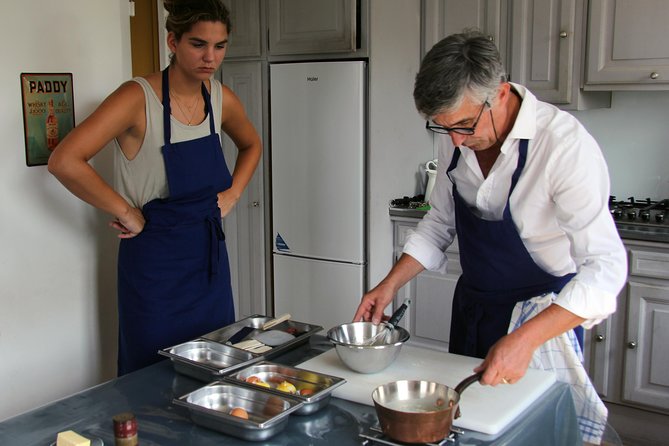
This class runs with a maximum of 8 travelers. That number is a big deal in a home kitchen.
In a smaller space, the chef needs to keep an eye on multiple stations: mixing, shaping, and baking. With a tight group, there’s more chance that each person actively participates—especially if the chef is trying to teach rather than just feed.
Some reviews complained that, in larger groups, certain people spent more time watching than doing. The most useful takeaway for you is simple: if you want maximum hands-on time, go in with the mindset that participation depends on group size and the chef’s balancing of tasks. Ask questions early. Keep your hands busy as soon as your step is ready.
Also, the course is not meant to be personalized the way a one-on-one class is. If you’re traveling with a group and everyone has different dietary needs, a private class might serve you better—but for most people, this setup is a fun, social way to learn.
Chef personalities: names you might meet and what to look for
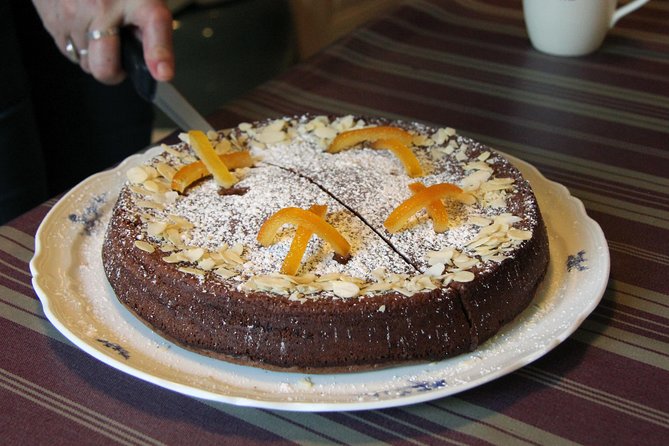
The experience is chef-driven, and the cooking style can feel different depending on who’s hosting that day. Reviews highlight chefs like Dominique, Frederic, and Marthe as friendly, organized, and good at keeping the class flowing.
What keeps showing up in positive feedback:
- Patient teaching for beginners
- Clear explanations of steps as you go
- A welcoming atmosphere in the apartment kitchen
- Desserts that actually turn out good, not just “good enough”
One practical thing to watch for: organization. If everything is prepped and the chef explains what to do before the kitchen gets chaotic, you’re more likely to bake actively. If you’re hoping for that hands-on, learn-the-why approach, pick your day assuming the chef will guide the process, and show up ready to jump in.
If you get a chef who focuses more on speed than participation, that can affect your experience. But when the host is teaching well, you end up with both skills and a memorable afternoon.
You can also read our reviews of more tours and experiences in Paris





Dietary needs and allergies: how safe and flexible is it?
The class explicitly caters to multiple dietary restrictions, including vegetarian, vegan, glucose-free, and lactose-intolerant needs. You should note any requirements during booking using the special requirements field. That’s not just a courtesy—it affects ingredient selection and can change dessert structure.
Allergies matter too. You’re asked to advise any allergies (food and animals). And there’s one important caution: the activity is not recommended for people with sensitive airborne allergies.
So for you, the practical approach is:
- Add dietary needs at booking, not after
- List allergies clearly and completely
- If you have airborne sensitivity, double-check fit before booking
This is one of the strongest reasons to choose a chef-led class in the first place. A good chef can adapt within reason. A generic cooking demo can’t.
Price and value: what $195.84 buys you in real life
The price is $195.84 per person for about 3 hours, and the class includes the chef, ingredients, utensils, an apron, and 2–3 desserts plus recipe copies. That’s a clear bundle.
Now, is it worth it? For most people who want real baking skills, I think the value is strongest when:
- You actively participate in multiple steps
- Your desserts turn out and you can recreate them at home using the recipe copies
- The small group stays manageable (closer to 4–6 than 8)
Some mixed feedback points out value issues when the class feels like more watching than making, especially when group size is close to the max. If you’re the type who hates standing around, I’d treat small-group size as your quality signal and plan to book when you’ll likely have fewer people.
Also, note what’s not included: food and drinks are not included unless specified. Yet you may still be offered coffee, tea, or hot cocoa at tasting time. Translation: don’t assume a full beverage service is baked into the price. If you like to pair desserts with wine or want a specific drink, plan accordingly.
Hotel pickup and drop-off aren’t included either, so you’ll want to get there yourself by public transport.
Where you’ll start and how to plan your afternoon
You’ll begin and end at the meeting point in Paris, returning back there after the class. The location is described as centrally located and near public transportation. That’s helpful because a cooking class schedule is tight: you don’t want to burn time crossing half the city.
Since the class starts at 3:00 pm, I’d plan your day with a calm buffer beforehand. You’ll likely be moving between steps while things bake, and you’ll be eating dessert at the end. A simple strategy is to eat a light lunch, then treat this like your main sweet-and-learn experience.
Since there’s no hotel pickup, get your public transport route ready. If you’re prone to arriving late, this is the kind of booking where being early matters.
Who this class is best for (and who should skip it)
This experience is a great match if you:
- Want hands-on baking practice instead of passive sightseeing
- Like desserts and want French techniques you can repeat at home
- Enjoy small group interactions in a real apartment kitchen
- Travel with someone who also wants to bake (the class requires at least two people total)
It’s also a nice family-friendly choice because the minimum age is 6. Several reviews mention kids enjoying it too, and chefs can often give younger participants jobs that fit their comfort level.
You might reconsider if:
- You want a private, fully customized menu and pacing
- You’re extremely sensitive to airborne allergens
- You get frustrated when you’re not actively doing the mixing every minute
If you’re a serious baker and want deep personalization, a private class may suit you better. But for most first-timers, this is a fun way to learn plus leave with recipes.
Should you book it? My honest take
Book it if you’re excited to learn French dessert technique in a real home kitchen and you like the idea of leaving with recipe copies you’ll actually use. The best versions of this class shine because it’s chef-led, small-group, and practical: you learn methods, you taste what you made, and you come home with something tangible.
Hold off or consider a different option if your top priority is guaranteed active participation for every second of the session, or if you have airborne allergy concerns. Also, if you want a specific drink setup (like wine service), don’t assume it.
If you want an authentic Paris food moment that turns into a skill you can keep, this is one of the more satisfying afternoon plans you can make.