Paris has a darker side than you expect. This 1.5-hour crime-walk follows famous cases from the 14th century to modern times, taking you from the Palace of Justice area to the Conciergerie. I love how the route connects grim stories to real places you can actually stand on, and I love the guide style that turns names and events into a clear street-level narrative. One possible drawback: the tone can skew very historical and name-heavy, so if you’re craving only a tight list of killers and methods, you’ll want to come with flexible expectations.
You start near the Louvre Pyramid (75001) and finish around Rue Chanoinesse (75004), right in central Paris. The tour uses a mobile ticket, and it keeps the group to a maximum of 25 people—small enough for questions, big enough to keep the energy moving.
One more practical thing: this experience asks for good weather. If it’s cold or rainy, the stories will still land, but you may feel it in your hands and face on the walk.
In This Review
- Key things to know before you go
- Paris Crime City: the idea behind this 1.5-hour dark walk
- Where the walk really starts: Louvre Pyramid to the Palais de Justice area
- Palace of Justice to Conciergerie: the route that gives the stories weight
- Famous names you’ll hear: from Renaissance intrigue to modern notoriety
- The guide’s role: what to listen for during the story turns
- Weather is the real spoiler (and how to plan for it)
- How much walking and how to pace yourself
- Value check: is $17.02 worth it for this 1.5-hour experience?
- Meeting point and ending near Rue Chanoinesse: plan your day around it
- Who this tour is best for (and who should think twice)
- Should you book Paris Crime City?
- FAQ
- How long is the Paris Crime City tour?
- Where does the tour start and end?
- What is the price per person?
- Do I need to print anything or will I use a mobile ticket?
- Is the group small?
- Is the meeting point near public transportation?
- Is a guide included?
- Does weather affect the experience?
Key things to know before you go
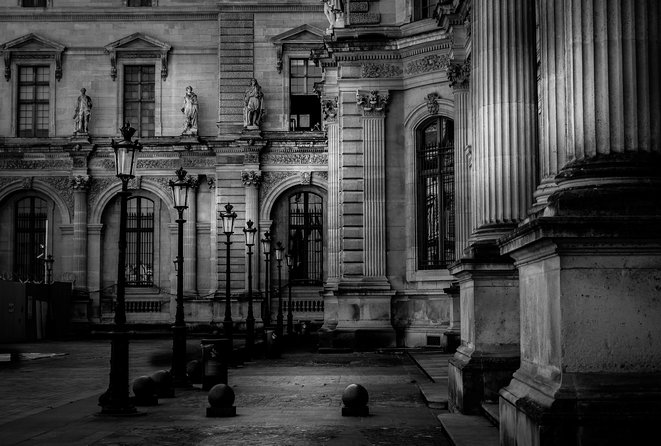
- Landmarks that anchor the stories: Palace of Justice to the Conciergerie zone, plus the older court atmosphere near Quai des Orfèvres.
- Stories spanning centuries: expect famous names that range from Catherine de Medici to Jacques Mesrine.
- A small group format: up to 25 travelers, with a single guide leading the flow.
- Mobile ticket convenience: you don’t need paper vouchers to show up.
- Expect weather sensitivity: the tour is designed for decent conditions, not a soaking-by-default stroll.
Paris Crime City: the idea behind this 1.5-hour dark walk
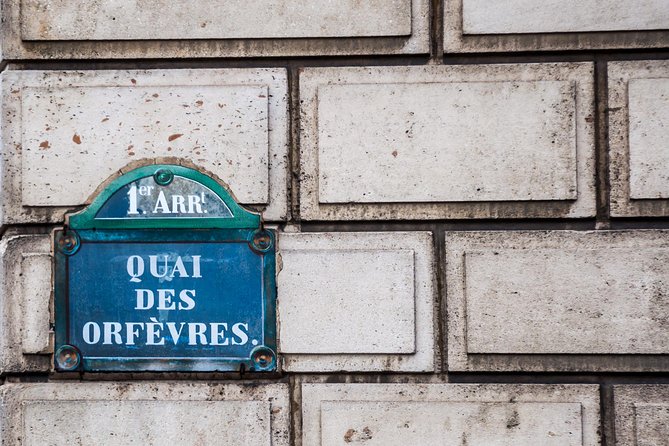
This isn’t a theme park. It’s a short guided walk built around real Paris court-and-prison spaces, using crimes as the thread to connect centuries of events. The core pitch is simple: you move along the Seine’s story-world, and the guide frames what happened, why it happened, and how it echoed through the city.
What I like about that approach is the way it makes Paris feel less like postcards and more like a living set. You’re not just looking at stone facades—you’re hearing why certain streets mattered, and how places tied to justice, betrayal, and punishment shaped the era around them.
The time limit is important, too. At about 1 hour 30 minutes, you get a concentrated hit of “Paris crime” without the all-day commitment. That’s perfect if you want a thematic outing that still leaves room for museums, cafés, and a proper stroll afterward.
You can also read our reviews of more city tours in Paris


Where the walk really starts: Louvre Pyramid to the Palais de Justice area
Your meeting point is at the Louvre Pyramid (75001), and that matters because it puts you right at the center of the action. You’re not being dropped at a far-flung neighborhood. You’re meeting where it’s easy to navigate, easy to reach by transit, and easy to combine with other sights you’ll likely already be doing.
From there, the story focus shifts toward the legal and crime corridor around the Palace of Justice and the broader Île de la Cité area. Even before you get deep into details, you’ll feel the change in atmosphere: this is where Paris’s institutional power—courts, arrests, imprisonment—has long shaped daily life and public fear.
If you’re the kind of traveler who likes to understand a city’s layout, this part is satisfying. You’re moving from a “tourist map” hub into the kind of zone where street names and buildings carry old meanings.
Palace of Justice to Conciergerie: the route that gives the stories weight
The heart of the experience is moving through the zone linked to the Palace of Justice and toward the Conciergerie. That’s where the tour’s concept clicks: these aren’t generic “crime sites.” They’re the places people historically passed through when justice turned into confinement.
The guide’s job is to take you through the timeline without making it feel like a textbook. In the best moments, the stories feel like case files: names first, then context, then the turning point. Expect betrayals, murders, and the kind of moral mess that makes history feel uncomfortably human.
There’s also a practical benefit to this layout: most of the walking is concentrated. You’re not constantly cross-town hopping. You get to stay in one zone and keep orienting yourself, which helps when you’re absorbing a lot of names and dates in a short time.
Famous names you’ll hear: from Renaissance intrigue to modern notoriety
One reason people seem to enjoy this tour is the range. You may hear about major figures and cases that span big arcs of French history, from Catherine de Medici to Jacques Mesrine.
You’ll likely also cover names such as Ravaillac, Philippe le Bel, and Cartouche. The “why” is part of the point: the guide isn’t only repeating crimes, but connecting motivations—power struggles, political fear, revenge, and the public appetite for scandal.
Still, here’s the balancing act. Some visitors want a laser focus on notorious criminals, while others prefer the broader political and historical framing. Based on the tour’s stated approach, you should expect quite a bit of context. If you go in wanting a nonstop parade of assassins with minimal background, you might find the history-to-crime ratio higher than you hoped.
If that sounds like you, I’d treat this as a “Paris justice in context” walk, not a pure true-crime hit list.
The guide’s role: what to listen for during the story turns
A short guided walk lives or dies by pacing, and this one puts a lot on the guide’s storytelling. Names from past departures that have been highlighted include Lionel, Franck, Aurélien, and Nicolas—people credited with clear explanations and strong command of anecdotes.
When a guide is on their game, you’ll notice two things:
- The story stays anchored to what you can see in front of you.
- The guide keeps the timeline understandable even when the centuries jump.
That doesn’t mean it’s always light or casual. The tone is intentionally “dark,” and the facts can get morbid. But the best guides make it feel like you’re solving a mystery in motion rather than sitting through a lecture.
My advice: don’t try to memorize every name. Instead, track the pattern. Ask yourself why the guide highlights certain motivations or connections. That’s where the tour earns its keep.






Weather is the real spoiler (and how to plan for it)
This experience requires good weather. That’s not just fine print—it affects comfort and mood.
At least one past participant specifically described a cold, rainy day with kids, and the result was that the atmosphere didn’t land the way it could. The lesson for you is straightforward: dress for walking in real conditions, not for a pleasant sidewalk stroll.
Bring layers. A rain shell helps. Warm gloves can make a big difference for how much you enjoy the “courthouse” vibe when the wind coming off the water gets sharp.
And if you’re booking during a season known for sudden showers, have a backup mindset. The tour is short, so weather doesn’t just slow you down—it can make the entire experience feel colder than the story.
How much walking and how to pace yourself
There’s no detailed distance provided, but the experience runs about 1 hour 30 minutes and is described as a walk through key areas around justice spaces and nearby lanes.
Some people have said the walking felt limited, which suggests it’s not an all-day endurance event. Still, in Paris, “limited walking” usually doesn’t mean “sit down every ten minutes.” You’re still outside, still moving, and still reading cues from the guide.
My pacing tips:
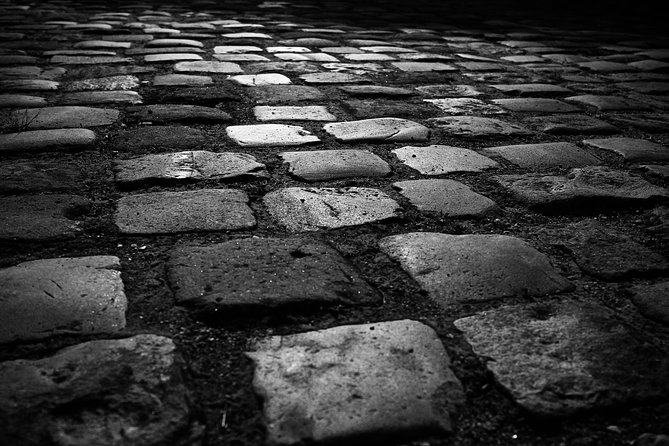
- Wear shoes you can handle on older paving stones.
- Keep your water bottle handy if it’s warm (and keep a small snack if you’ll be hungry after).
- If you’re sensitive to cold, treat this as a “warm-up mission” before dinner, not something to do after a full day of sightseeing.
Value check: is $17.02 worth it for this 1.5-hour experience?
At around $17.02 per person, this is priced like a focused, guided add-on rather than a big-ticket attraction. For that price, you’re paying for three things:
- A guide to connect the landmarks to the crime stories.
- A tight timeline that doesn’t waste your day.
- A small-group format (max 25).
If you’re the type who likes learning through storytelling, the value is strong. The tour turns otherwise intimidating civic buildings into something you can understand quickly—without hunting down a dozen separate museum plaques.
If you’re expecting a super-specific catalog of only the most famous criminals with zero historical context, you may feel the price is fine but the content doesn’t match your preference. That’s the main “value risk,” and it’s not about cost—it’s about fit.
Meeting point and ending near Rue Chanoinesse: plan your day around it
You start at the Louvre Pyramid and end at Rue Chanoinesse (75004). That ending location is handy because it drops you back into a central area where you can keep exploring without a complicated transit plan.
Here’s what I recommend for a smooth day:
- Arrive a little early at the Louvre Pyramid area so you’re not stressed.
- Have your mobile ticket ready on your phone screen.
- After the tour, use the surrounding time to do something you’ll enjoy more after a guided narrative—like wandering nearby streets with your new mental map.
Also, since timing matters with guided tours, double-check your start time so you’re at the correct departure. Paris runs on schedules, and you don’t want your evening ruined by a missed meeting point.
Who this tour is best for (and who should think twice)
This is a great match if you want:
- A short, story-driven walk in central Paris
- Famous names and case-style context
- A guided route that takes you from courtroom atmosphere toward prison history
It can also work for families, since most travelers can participate and the topic is flexible enough for older kids. But if you’re traveling with young children, weather comfort becomes even more important. A cold rain can turn a story walk into a “survival walk,” and that’s not what you booked.
Think twice if:
- You want only the darkest parts with minimal background and fewer historical references
- You get lost when a guide jumps across centuries
- You’re hoping for a longer, deeper true-crime experience
This walk leans toward historical framing plus crime stories, not a pure forensic reenactment.
Should you book Paris Crime City?
I’d book it if you want a short, guided dark-sid e Paris experience that makes the Palace of Justice and Conciergerie zone feel meaningful fast. The price-to-time ratio is solid, the small group size helps, and the storytelling focus is exactly what you want when you only have 90 minutes to “learn by walking.”
Skip or adjust expectations if you hate name-heavy historical context. This isn’t only about criminals doing crimes—it’s about how justice systems and political moments shaped what people did, and what the city remembered.
If you do book: dress for weather, arrive on time, and listen for patterns in the motivations. You’ll get more out of the tour that way than trying to catch every single name.
FAQ
How long is the Paris Crime City tour?
The tour lasts approximately 1 hour 30 minutes.
Where does the tour start and end?
It starts at the Louvre Pyramid, 75001 Paris, France, and ends at Rue Chanoinesse, 75004 Paris, France.
What is the price per person?
The price is $17.02 per person.
Do I need to print anything or will I use a mobile ticket?
You get a mobile ticket.
Is the group small?
Yes. The tour has a maximum of 25 travelers.
Is the meeting point near public transportation?
Yes, it is near public transportation.
Is a guide included?
Yes. The guide is included.
Does weather affect the experience?
Yes. The experience requires good weather. If it’s canceled due to poor weather, you’ll be offered a different date or a full refund.