REVIEW · VERSAILLES
Historical treasure hunt in the city of Versailles
Book on Viator →Operated by Jeu de piste / mysteries hunt · Bookable on Viator
Versailles becomes a board game on foot. You start with a briefing about a poison plot tied to D’Artagnan and King Louis XIV, then spend about two hours tracing clues across the historic city instead of staying locked inside the palace.
What I like most is how this Versailles treasure hunt turns streets into a story you can actually follow. I also love the way the format keeps moving: you’re given what you need, then you work the case independently for the bulk of the time—plus the hunt can feel different depending on how your group thinks and collaborates.
The main drawback is that the puzzles can be tricky, so if you want a hands-on, step-by-step guided tour the whole way, you may find the “figure it out yourselves” part a bit demanding. Good weather matters too, since you’re walking outdoors.
In This Review
- Key Points at a Glance
- A Two-Hour Mystery Game Around Versailles
- Where the Hunt Starts: Louis XIV’s Equestrian Statue
- The Welcome Briefing: Your Case Gets Started
- How the Investigation Works (And Why It Feels Like Cluedo)
- The Walk Itself: City Streets Over Palace Corridors
- Pacing and What “Moderate Fitness” Means in Practice
- Language and Ticket Format: Simple Setup for English Speakers
- Weather Reality: It Runs in Good Conditions
- Price and Value: What $30.10 Buys You
- Best For Who?
- Small Friction to Expect
- Should You Book This Versailles Treasure Hunt?
- FAQ
- Where does the treasure hunt start?
- How long is the experience?
- What language is it offered in?
- Is this activity guided or self-guided?
- Do I need a mobile ticket?
- What group size should I expect?
- What fitness level do I need?
- Is it suitable for children?
- What happens if the weather is bad?
- Can I get a refund if I cancel?
Key Points at a Glance
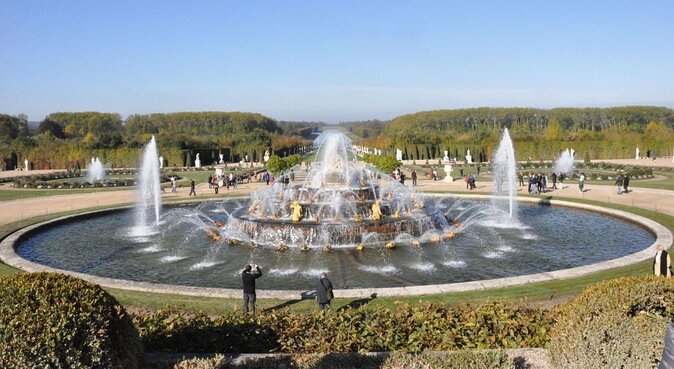
- Cluedo-style mystery in Versailles: Unmask the culprit among eight major figures
- About 2 hours on foot: All tied to a “time is counted” scenario
- English mobile ticket: Easy to use during the hunt
- Small group size (max 20): Better pace and less crowd stress
- Mostly city streets, not the palace: Great if you want Versailles beyond the main complex
- Works as a group challenge: Pairs well with families and friends, even if teamwork is needed
A Two-Hour Mystery Game Around Versailles
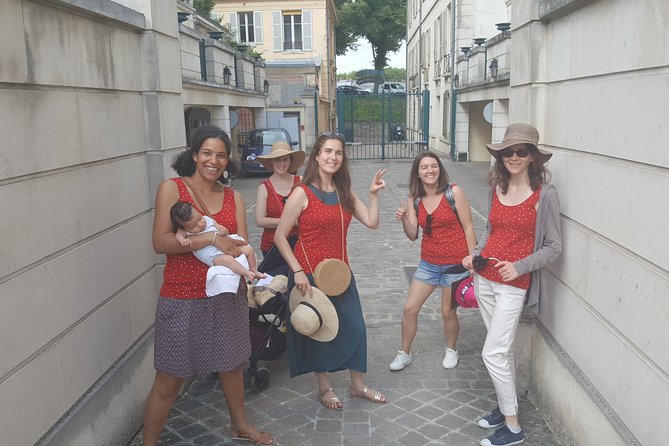
This is not a museum “see-and-read” outing. It’s a time-pressured historical whodunit built around D’Artagnan, the king’s guard captain, who’s pulled into the kind of plot that only makes sense in a palace city like Versailles. The setup is simple: you’ll be hunting for clues about an attempted poisoning and deciding who’s behind it.
What makes it fun is how the story pushes you to look at Versailles with fresh eyes. You’re not just walking past buildings—you’re actively collecting information, sorting hints, and narrowing down suspects. Think of it as a walking logic game that happens to run through real streets with real atmosphere.
The “2 hours approx.” also helps. It’s long enough to feel like a full experience, but short enough that you can still fit it around the rest of your day—especially if you’re spending time at or near the palace complex before or after.
You can also read our reviews of more tours and experiences in Versailles.



Where the Hunt Starts: Louis XIV’s Equestrian Statue
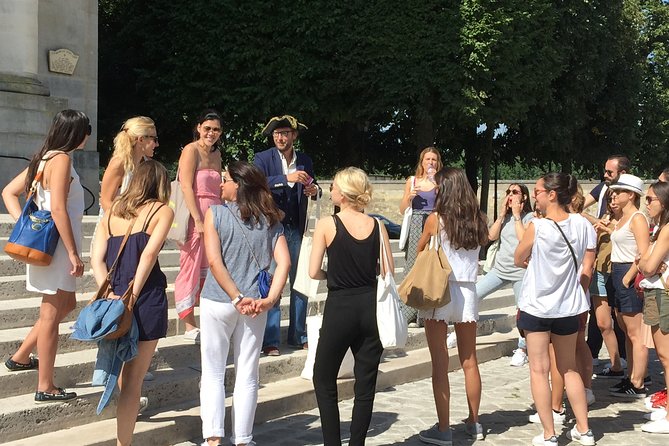
You begin at the Equestrian statue of Louis XIV in Versailles (78000 Versailles). Starting there is practical because it’s a clear landmark, and it keeps the hunt grounded in the city’s royal identity from the first minute.
You meet at 1:00 pm, and the activity ends back at the same meeting point. That loop matters. When the game finishes where it starts, you don’t end up trying to navigate the city while tired, puzzle-brained, and low on patience.
Also, the activity is listed as near public transportation. That’s a small detail, but it makes your day easier—especially if you’re combining this with palace visits or other plans.
The Welcome Briefing: Your Case Gets Started
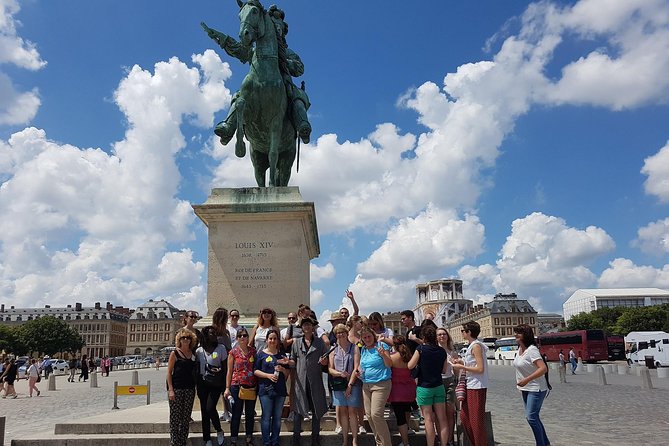
Before you head out on your own, there’s a welcome and introduction led by an investigator trainer. You’ll get oriented to the scenario and handed the materials you need to play.
Guides can vary, but you’ll typically see two styles reflected in how the hunt has been run successfully:
- Punctual and flexible arrivals (one guide named Arthur is specifically called out for being on time and kind)
- A clear handoff and then independence (one guide named Cyril is praised for giving the document and info you need, then letting you solve the case yourself)
That “get what you need, then go” approach is a big part of the value. It keeps the game moving without turning your afternoon into a lecture.
How the Investigation Works (And Why It Feels Like Cluedo)
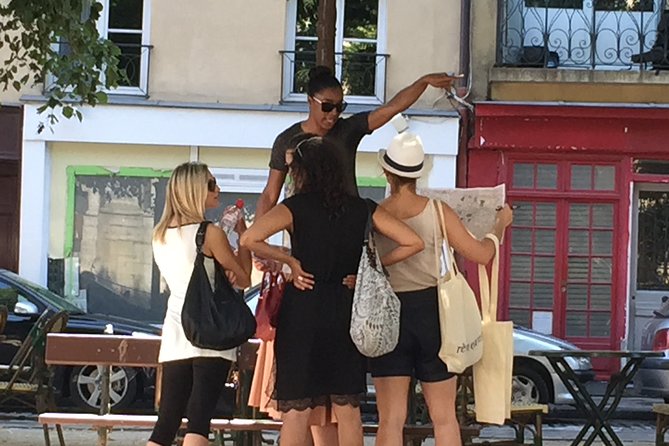
The heart of the experience is the hunt itself: unmask the culprit among eight prominent personalities connected to the kingdom. The scenario explicitly includes people such as Madame de Montespan, the Iron Mask, and the king’s brother.
If you’ve ever enjoyed Cluedo-style solving, you’ll recognize the vibe—gather hints, eliminate options, and commit to a solution. Here, though, the “board” is Versailles. Instead of flipping cards at a table, you’re making deductions while walking.
You should also be prepared for the game to lean into teamwork. One family experience describes an 11-year-old participating, but with the clear note that it became a team effort. Translation: it can work for kids, but if the group includes younger players, you’ll want adults who are comfortable being the puzzle brain for parts of the route.
The Walk Itself: City Streets Over Palace Corridors
One of the best parts of this hunt is that it guides you through the historic city of Versailles, not just the palace bubble. Feedback highlights that the hunt leads you into the town outside the palace, which is exactly what I’d want if you’re trying to understand Versailles as a real place people lived in—not only as a royal backdrop.
This changes how you see the day. If you’re planning to spend time at the château or the most famous palace areas, the hunt becomes a strong “second layer.” You get variety: crowds and grandeur on one side, then quieter street-level exploration on the other.
It also makes the experience feel more local. Even when you’re “doing a game,” you’re still walking real Versailles streets and noticing how the city connects.






Pacing and What “Moderate Fitness” Means in Practice
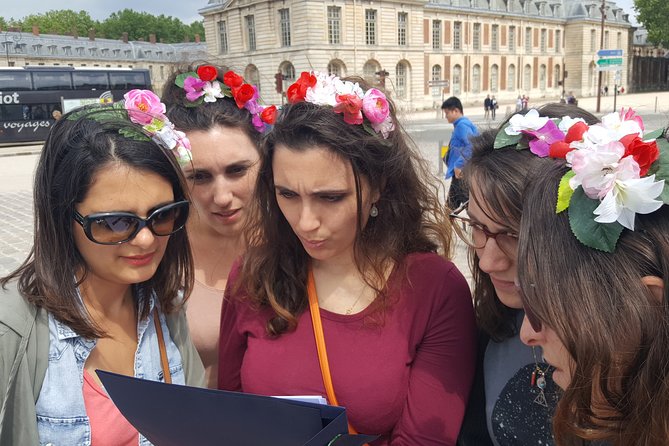
The activity is described as requiring moderate physical fitness level. That doesn’t mean anything extreme, but it does mean you should be comfortable with a two-hour walk and the usual city conditions: uneven pavement in places, standing while reading clues, and possibly some light backtracking if your group circles wrong.
The good news: it’s not a full-day hike. It’s a compact outing with a clear start and end, and the game structure naturally builds in pauses as you solve.
Language and Ticket Format: Simple Setup for English Speakers
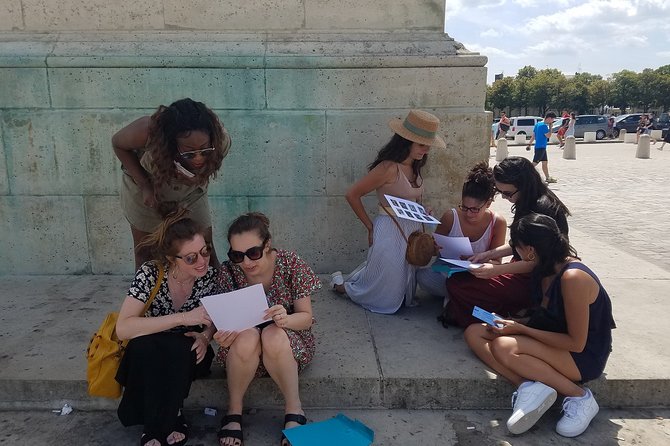
It’s offered in English, and you use a mobile ticket. That’s helpful because it reduces friction at the start. When you’re dealing with puzzles, you don’t want the biggest fight to be figuring out where to show your ticket.
The hunt is also capped at 20 travelers, which usually means less chaos at the meeting point and easier group management if something goes slightly sideways.
Confirmation is received within 48 hours of booking (subject to availability). That’s one more reason this works well for trip planning without last-minute surprises.
Weather Reality: It Runs in Good Conditions
This is one you should treat as weather-dependent. The experience requires good weather, and if it’s canceled due to poor weather, you’ll be offered a different date or a full refund.
In plain terms: if you’re visiting during a rainy period, build flexibility into your schedule. Don’t schedule this as the one activity that can’t move, unless you’re ready with Plan B.
Price and Value: What $30.10 Buys You
At $30.10 per person, this hunt is priced like a city activity rather than a major attraction ticket. For that money, you’re paying for three things:
- A real storyline (D’Artagnan, the poisoning plot, and the eight suspects)
- Structure and materials that turn walking into a game
- A short guided kickoff, then independence for the rest
You’re not paying for museum access, guided commentary at every corner, or a private driver. Instead, you get time in the streets plus a reason to notice details you’d otherwise skip.
Value also depends on your group type. If you enjoy puzzles, team problem-solving, or learning through play, the price feels fair. If you prefer a traditional “guide talks, you listen” format, you may judge the cost differently because most of the experience is self-directed.
Best For Who?
This hunt fits best if you like:
- learning in motion rather than standing still
- group cooperation (adults and teens are a strong match)
- seeing Versailles beyond the most famous palace areas
If your group is made up of puzzle lovers, you’ll likely get a stronger payoff because the game leans on deduction. If you’re traveling with kids, it can work—but plan on adults helping at times.
And if you’re someone who hates feeling trapped in long lines and crowded interiors, this is a nice way to use your afternoon productively while staying in the open air.
Small Friction to Expect
No perfect game runs smoothly for everyone. Here are the most realistic considerations:
- Puzzles can be tricky and require focus. That’s part of the fun for many people, but it can feel frustrating if you’re low on energy.
- Some clues may feel a little stretched in logic. One French feedback note describes the enigmas as occasionally far-fetched—so if you want strict “this equals that” reasoning, you might not love every step.
- Because you’re given the case materials and then left to solve it, you need a group that can tolerate uncertainty without stopping every few minutes to ask what to do next.
Should You Book This Versailles Treasure Hunt?
If you have about two hours, want something interactive, and like discovering Versailles through its streets, I think this is an easy yes. The combination of a strong story (D’Artagnan and a poisoning plot), an English mobile-ticket format, and a city-focused route makes it a smart add-on to any palace-heavy day.
I’d skip it only if you’re expecting a fully guided commentary walk, or if your group really dislikes challenging puzzles. Otherwise, this is a fun way to turn a familiar destination into something you’re actively solving while you walk.
FAQ
Where does the treasure hunt start?
The hunt starts at the equestrian statue of Louis XIV in Versailles (78000 Versailles, France).
How long is the experience?
It takes about 2 hours (approx.).
What language is it offered in?
The experience is offered in English.
Is this activity guided or self-guided?
There is a welcome and briefing by an investigator trainer, and then you solve the mystery independently for about 2 hours.
Do I need a mobile ticket?
Yes. The experience includes a mobile ticket.
What group size should I expect?
The activity has a maximum of 20 travelers.
What fitness level do I need?
A moderate physical fitness level is recommended since it involves walking outdoors.
Is it suitable for children?
It can work for children—one example included an 11-year-old participating—but it may require teamwork from adults.
What happens if the weather is bad?
The experience requires good weather. If it’s canceled due to poor weather, you’ll be offered a different date or a full refund.
Can I get a refund if I cancel?
Yes. Free cancellation is available. You can cancel up to 24 hours in advance for a full refund, and changes less than 24 hours before the start time aren’t accepted.