REVIEW · PARIS
Paris 4-Hour Bike Tour: Off the Beaten Path
Book on GetYourGuide →Operated by Blue Fox Travel · Bookable on GetYourGuide
Paris looks different from a bike saddle. This off-the-beaten-path 4-hour ride threads together the Latin Quarter and Le Marais with insider street-level stories, and I especially like the small-group feel with guides such as Tibault François or Guillaume, plus the planned crepe-and-coffee stop that keeps the energy up. You’ll also get the kind of history you can point to—like an old city wall and a Roman arena—without spending half your day in lines.
One thing to consider: the bike fit isn’t perfect for everyone. A few riders note the handlebar position can pinch or tire wrists, especially on longer stretches, so if you’re sensitive, pay attention to comfort early.
In This Review
- Key things I’d plan around
- Why a 4-hour Paris bike loop beats a slow walking day
- Meeting at Place Saint-Michel: the easiest start you’ll have in Paris
- Shakespeare & Company to the Latin Quarter: bookish streets and lived-in corners
- Rue Mouffetard, an old city wall, and a Roman arena you can actually see
- Saint-Germain-des-Prés and the Pantheon stop that’s built for efficiency
- The café and crepe break: local rhythm, not a tourist trap timeline
- Le Marais by bike: side streets, courtyards, and the Jewish quarter feel
- Price and value: what $53 actually buys you
- Who should book this, and who might want a different ride
- Should you book this Off the Beaten Path bike tour?
- FAQ
- How long is the Paris bike tour?
- Where do I meet the guide?
- What’s included in the price?
- What should I bring, and is water provided?
- Is rain gear provided?
- Is the tour offered in English?
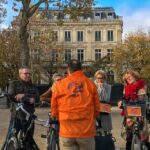
- How large is the group?
- Can I get a refund if plans change?
Key things I’d plan around
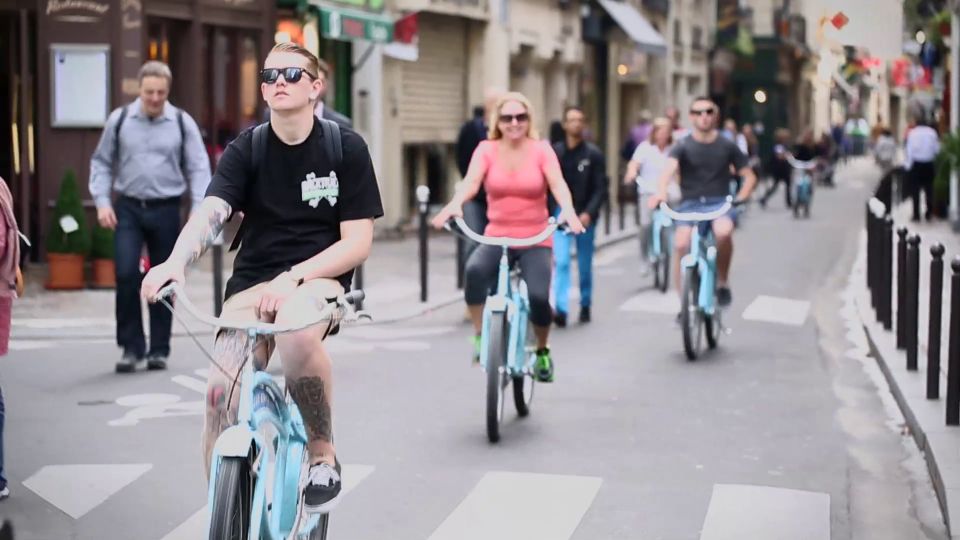
- Max 12 riders keeps the pace human and the guide’s attention on you.
- Latin Quarter + St-Germain + Le Marais in one half-day means less hopping and more continuity.
- Rue Mouffetard and old defenses: you’ll ride past real traces of how the city grew.
- A classic café break with 30 minutes to buy and try a savory crepe.
- Roman-era finds and skip-the-line entry at a major monument stop.
- Weather gear included (rain gear, plus warm gloves and scarves in cold conditions).
Why a 4-hour Paris bike loop beats a slow walking day
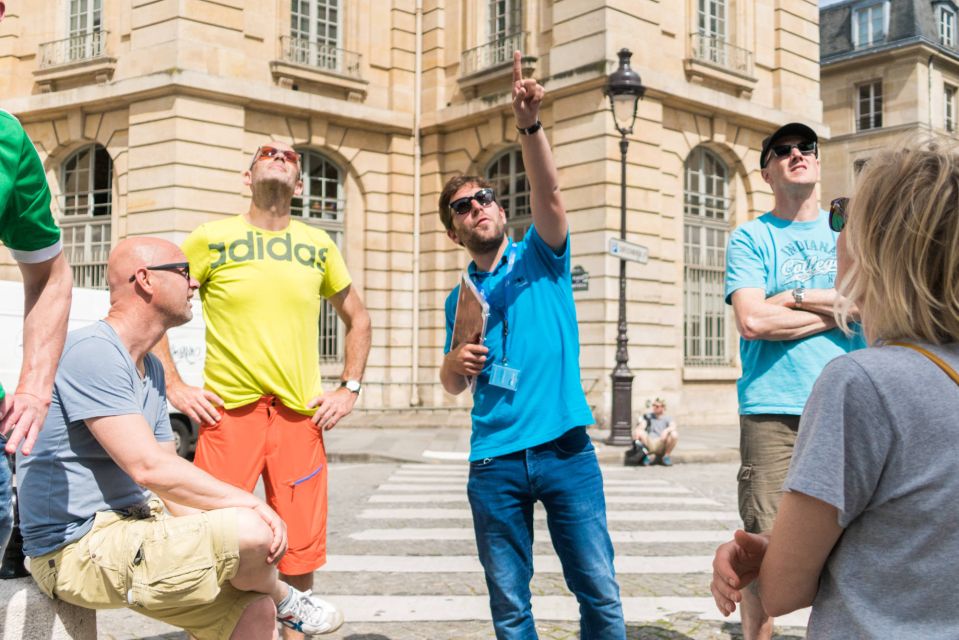
Walking tours are great for slow looking. A bike tour is better for slow feeling—you get moving, you cover real ground, and you still stop enough to understand what you’re seeing. In central Paris, that matters. Streets can look similar from a distance, but once you’re on two wheels, you notice the pattern: courtyard entrances, old street lines, changes in architecture block to block, and the way neighborhoods layer over time.
This particular tour is built for people who already know the big postcard spots and want the city behind them. You’ll pedal through the Latin Quarter and St-Germain-des-Prés with a guide who shares practical context—what to watch for as you ride, what to ignore, and how the area became what it is today. Then you’ll swing into Le Marais and the Jewish quarter, where side streets and small courtyards matter as much as the landmarks.
And yes, you ride more than a typical walking tour. But it’s not a nonstop sprint. Expect a balance of cycling stretches with short stops, so you can actually absorb what you’re passing—like the old city wall and a Roman arena you wouldn’t stumble into on your own.
You can also read our reviews of more cycling tours in Paris



Meeting at Place Saint-Michel: the easiest start you’ll have in Paris

The meeting point is simple and central: in front of the Saint-Michel Fountain at Place Saint-Michel. The closest metro stop is Saint-Michel (Line 4), and the closest RER stop is Saint-Michel – Notre-Dame (Lines B and C). That’s a big deal if your plans include museum time, river walks, or getting out of the city quickly afterward.
You’ll start from Tango & You | Paris 6ème Saint-Michel Course Tango Paris (same area as the fountain), then your route heads through central neighborhoods on back streets rather than main thoroughfares. Expect transfers between segments—short cycling bursts, then a pause while the group regroups and the guide sets up the next story.
Before you go, it helps to think about logistics in Paris terms:
- Arrive a few minutes early so you’re not rushing with a helmet on.
- Plan to bring snacks and water, since water isn’t included.
- Dress for weather. The tour includes high quality rain gear, and in colder conditions you’ll get warm gloves and scarves, but you still choose your base layers.
The biggest value here is that the whole day is low-stress. You don’t need to navigate. You just show up, get rolling, and let the guide stitch the neighborhoods together for you.
Shakespeare & Company to the Latin Quarter: bookish streets and lived-in corners
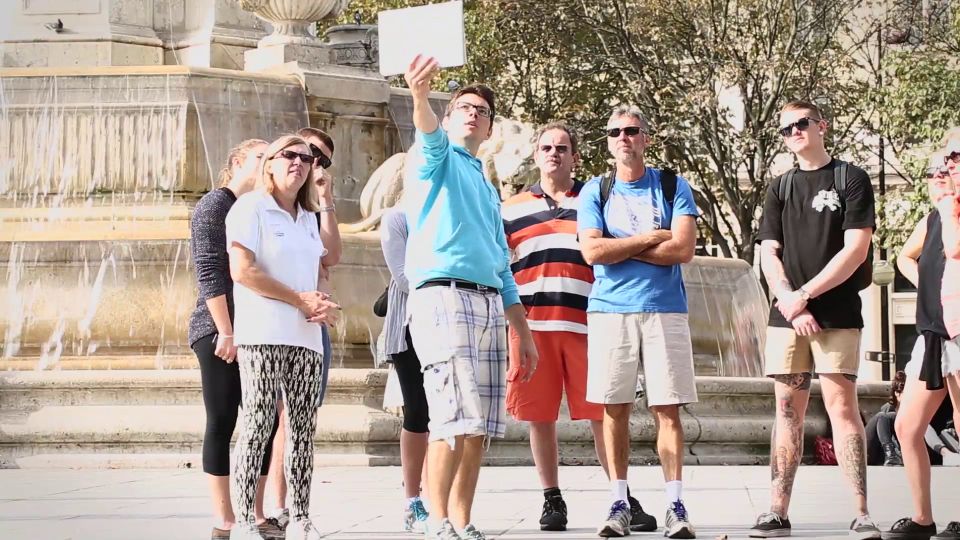
The tour begins with Shakespeare & Company for a short visit. This isn’t just a photo stop. It’s a perfect early anchor because it signals what you’re doing for the next few hours: seeing Paris as a place people actually use—students, writers, locals, and curious wanderers—rather than as a checklist.
From there, you ride into the Latin Quarter, one of the city’s most layered areas. This is where you’ll feel the contrast between grand history and everyday life. You pass charming streets that look walkable but reveal more from a bike’s-eye view: small turns you’d miss, street widths that change suddenly, and the way older parts of Paris sit next to newer rhythm.
There’s usually a “how did I not know this was here” feeling during this section. The Latin Quarter can be touristy on the surface, but the route is designed to get you past the most obvious crowds. The guide’s job is to keep you oriented—where you are, why it matters, and what to notice next as you approach the next neighborhood.
Also, don’t underestimate how much easier it is to follow stories when you’re not constantly crossing streets and weaving through crowds. On a bike, your brain can focus on the narrative instead of the navigation.
Rue Mouffetard, an old city wall, and a Roman arena you can actually see
One of the best reasons to do this tour is that you get time with things that don’t fit neatly into one famous museum. You’ll pedal down Rue Mouffetard, which the route highlights as one of Paris’s oldest and liveliest areas. Rue Mouffetard has that “street as theater” vibe: lots of storefront energy, people slowing down to browse, and a sense that this street has always mattered.
Then comes the special-history payoff. You’ll discover an old city wall and a Roman arena. These are the kinds of remnants that can feel abstract on a guidebook page. By riding past them, you see how the city grew around older layers—how fortifications shaped movement, and how Roman structures tie into modern Paris street lines.
This is also where guide quality really matters. Across the many guides who have led this tour, the recurring theme is fact with personality—clear explanations plus humor—so you’re not just looking at stones. You’re learning what those stones mean in the city’s timeline.
Small note: because these stops are tucked into central areas, you may move through busier traffic pockets even on quieter streets. The guide’s instructions and pacing help a lot here, and the group size (12 max) keeps the ride calm enough that you’re not constantly braking for the person in front of you.
Saint-Germain-des-Prés and the Pantheon stop that’s built for efficiency
Next you’ll spend real time in Saint-Germain-des-Prés. This is the neighborhood of cafés, thinkers, and Paris-style conversation—what people mean when they talk about an area’s intellectual mood. You get a longer segment here (around 40 minutes), which is key. A short pass by doesn’t let you feel the neighborhood’s texture. This does.
Expect the guide to point out what makes St-Germain different from the Latin Quarter. The architecture changes, the street layout feels slightly less student-charged and more tradition-heavy, and you’ll notice how the area holds onto its identity through courtyards, facades, and side streets.
Then the tour includes the Pantheon for a short stop. A big practical perk: the tour includes skip-the-line entry via a separate entrance. That means less standing and more time where it counts—quick orientation inside/outside, enough to understand why it’s such a big deal, then back on the bike before the crowds fully build.
If you’ve done a lot of museums already, this is a nice compromise. You’re not spending hours inside. You’re getting the landmark context and moving on with your day.






The café and crepe break: local rhythm, not a tourist trap timeline
About halfway through, you’ll get a snack/lunch-style break for 30 minutes in a traditional neighborhood café setting. The tour specifically builds in time for you to buy and try a savory crepe and get coffee. If you’d rather sit and decompress (and if Paris heat or wind makes you human), you can also choose the sit-and-sip option during that window.
Two practical tips:
- Bring your own snacks and water if you know you get hungry fast. The break is built for a specific café stop, but water and snacks are not included.
- Use the 30 minutes well. Eat, hydrate, and ask the guide for a couple of next-step suggestions. This tour is designed to hand you more than facts; it gives you direction for how to keep exploring after the bikes are put away.
A few riders mention it can be hot on certain days and wish the stop included more drink options. That’s understandable. Paris summers and open-bike days can add up. If you’re traveling in warm weather, plan ahead and don’t rely on the café break to fully cover hydration.
This pause is one of the best parts because it slows the pace without stopping the momentum. You’ll come back refreshed, ready to enjoy Le Marais with better focus.
Le Marais by bike: side streets, courtyards, and the Jewish quarter feel
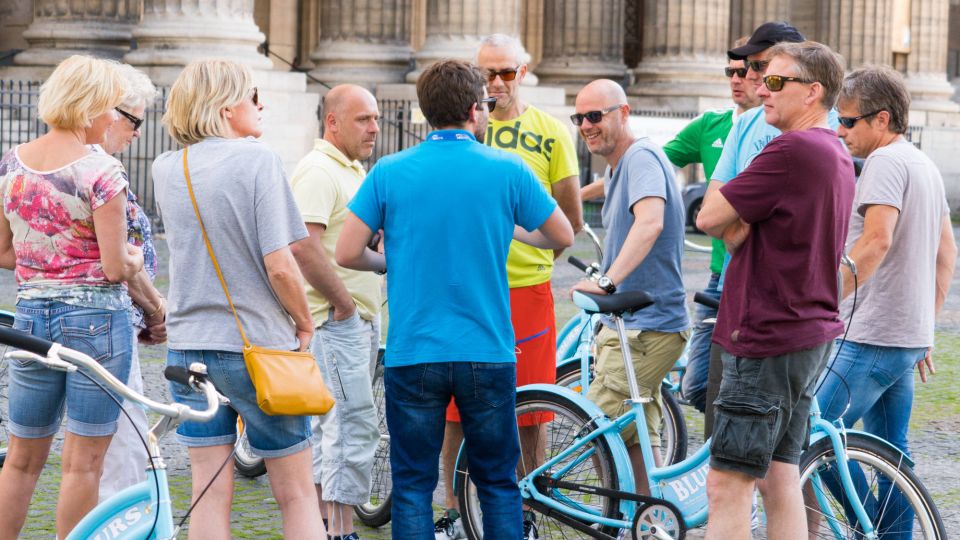
Le Marais is where the tour shifts from “neighborhood stories” to “neighborhood texture.” Expect about an hour here, with biking through central sections that feel more intimate than what you get on the main sightseeing routes.
This area rewards slow looking, but it also rewards movement. On a bike, you can glide past small streets, then stop where it matters—so you see more than a walking loop would allow in the same time. The guide’s commentary typically connects what you’re passing to why it’s important: how the Jewish quarter’s streets developed, how the city’s history left marks in everyday architecture, and where locals tend to spend time.
You’ll also see the tour’s theme in action: not just famous streets, but the quieter ones—narrow passages, courtyards, and corners that look like they belong to a smaller city tucked inside Paris.
It’s also the part of the day where the group energy tends to peak. People are warmed up to the ride, the helmet-and-bike rhythm is familiar, and the route has enough variety that it doesn’t feel like one long straight line.
Price and value: what $53 actually buys you
At $53 per person for 4 hours, this tour sits in the midrange for Paris activities. It becomes good value if you compare it to doing the same experience yourself in three separate ways: (1) renting a bike, (2) paying for guide storytelling and routing, and (3) spending time you’d otherwise use for sightseeing.
Here’s what you’re getting for the price:
- A comfortable, lightweight aluminum-framed bike
- A helmet
- A local guide with insider info on monuments and what to notice
- Rain gear when needed
- Warm gloves and scarves on cold days
- A snack/café break with 30 minutes to try a savory crepe and coffee
What’s not included matters too. Lunch/snacks and water aren’t included, so budget for that with your own supplies and café spending if you want more than the crepe/coffee plan.
Still, the overall feel is “less work, more seeing.” You get to cover multiple historic areas in one morning/half-day, plus you get practical tips for what’s worth more time and what’s better skipped.
Who should book this, and who might want a different ride
I think this tour fits best if:
- You’ve already seen the big Paris highlights and want neighborhood Paris instead of monuments only.
- You want a balance of movement and explanation (cycling plus multiple short stops).
- You like guided history that’s tied to what you’re actually passing—like the Roman-era remains and the old city wall.
It may be less ideal if:
- You’re very sensitive about bike fit and wrist pressure. Some riders report the handlebars can be uncomfortable due to the angle.
- You prefer long, uninterrupted biking. This route uses stops and transfers, so it’s more of a guided “see-and-understand” ride than a long distance cruise.
For family groups, the tour is described as suitable for all ages and fitness levels, which is a nice sign. Still, you’ll be on city streets. You’ll do better if you’re comfortable riding in traffic patterns and following the guide’s instructions.
This is also a smart choice if you’re the type who likes to keep exploring afterward. You’ll get tips on what to see next, and even a simple map can help you stitch together your remaining time in Paris.
Should you book this Off the Beaten Path bike tour?
Book it if you want a half-day that feels like Paris lived-in—Latin Quarter charm, St-Germain’s thinking-café vibe, and Le Marais with its side-street character—without spending your time lost or in queues. The included bike, guide, weather gear, and the crepe-and-coffee break make it easy to justify the price.
Skip it only if bike comfort is a big deal for you, or if you already know you prefer long-distance riding over stop-and-look sightseeing. Otherwise, this is one of the better ways to see central Paris with context, speed, and a guide who keeps the stories human (not robotic).
FAQ
How long is the Paris bike tour?
The tour lasts 4 hours.
Where do I meet the guide?
Meet your guide in front of the Saint-Michel Fountain at Place Saint-Michel. The closest metro stop is Saint-Michel (Line 4), and the closest RER stop is Saint-Michel – Notre-Dame (Lines B and C).
What’s included in the price?
Included are the bike (lightweight aluminum frame), a helmet, a local English-speaking guide, insider information, and high quality rain gear. On cold days you’ll also get warm gloves and scarves.
What should I bring, and is water provided?
Bring snacks and water. Water is not included.
Is rain gear provided?
Yes. The tour includes high quality rain gear in case of rain.
Is the tour offered in English?
Yes. The live tour guide provides English.
How large is the group?
Groups are limited to no more than 12 people, and the route is suitable for all ages and fitness levels.
Can I get a refund if plans change?
Yes. The tour offers free cancellation up to 24 hours in advance for a full refund. There’s also a reserve now & pay later option.