Orsay makes Impressionism easy to see. In 2 hours, you slip in fast with skip-the-line entry and a guide who points you to the museum’s biggest names and strongest stories.
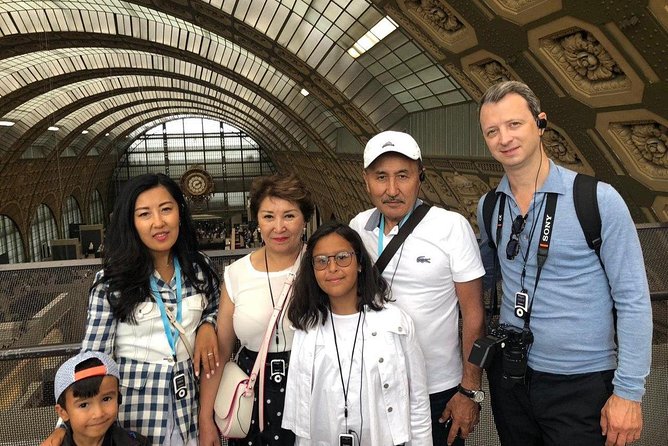
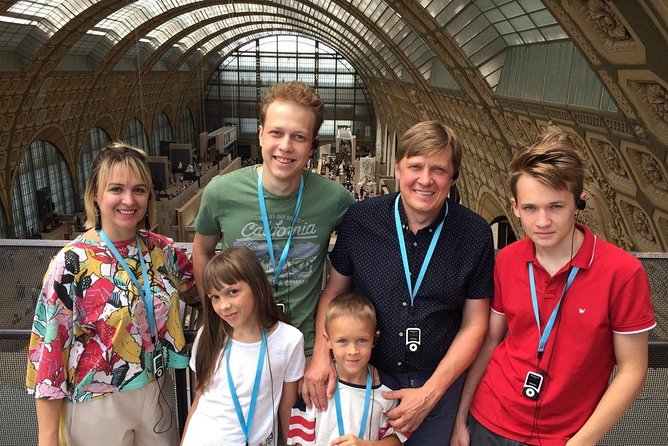
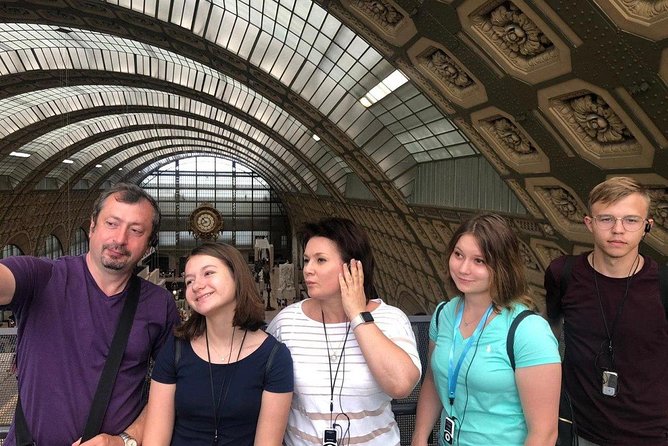
I love two things right away: the small group size (max six) keeps the pace human, and the headsets plus free locker help you move without turning your voice into a soundtrack.
One thing to plan for: admission is not included, so you’ll need to budget the €16 ticket on the day.
In This Review
- Key highlights you’ll feel right away
- Entering Musée d’Orsay fast, without museum stress
- Why a small group (max 6) changes everything
- Your guide’s route: what you’ll prioritize in the collection
- What “skip-the-line” really means for your visit
- The art you’ll see: Impressionism highlights tied to real storytelling
- Sculpture at Orsay: don’t treat it like an afterthought
- Headsets and lockers: small logistics that make the tour work
- Price check: is $80.72 worth it when €16 is extra?
- When this tour is a great fit (and when it isn’t)
- Practical tips to get more from those two hours
- Should you book this Musée d’Orsay Impressionism tour?
- FAQ
- How long is the Musée d’Orsay highlights tour?
- Is the Musée d’Orsay admission ticket included in the tour price?
- How many people are in the group?
- Where do I meet the guide?
- What’s included with the tour besides the guide?
- Is there free cancellation?
Key highlights you’ll feel right away
- Skip-the-line entry means less queue time and more museum time from the start.
- Max six guests keeps questions and comfort in the spotlight.
- Licensed guide focus on Impressionism and major works across key floors.
- Headsets make the commentary clear even in louder rooms.
- Free locker for smaller bags so you travel lighter inside.
- English tour for a smoother art-history experience without guessing.
Entering Musée d’Orsay fast, without museum stress
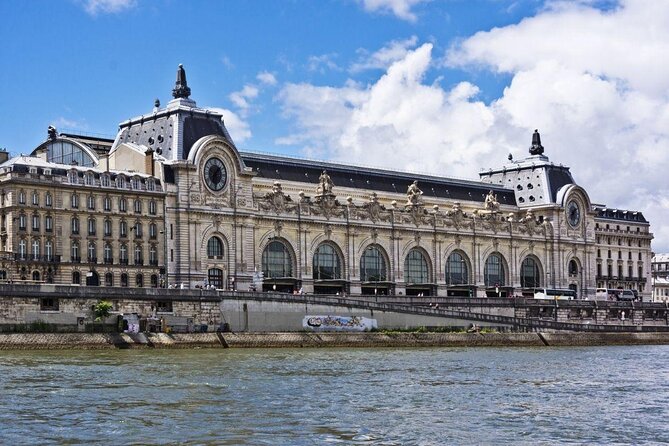
Musée d’Orsay is one of those Paris museums that’s popular for a reason. It’s also one of those places where the first thing you fight is time: lines, tight corridors, and crowds deciding they all want the same hallway view.
This tour is built to remove that friction. You meet at 1 Rue de la Légion d’Honneur (75007) and then head in with no waiting in line. For me, the value here is simple: when you’re spending a short time in Paris, saving even 20–30 minutes can be the difference between seeing the highlights and feeling like you raced through them.
The tour runs about 2 hours and returns you back to the meeting point. That makes it a strong choice if you want a reliable plan in a city where plans can drift fast.
You can also read our reviews of more tours and experiences in Paris.



Why a small group (max 6) changes everything
Large museum tours can turn into a slow-moving train. Small ones don’t just feel nicer; they help you see more clearly.
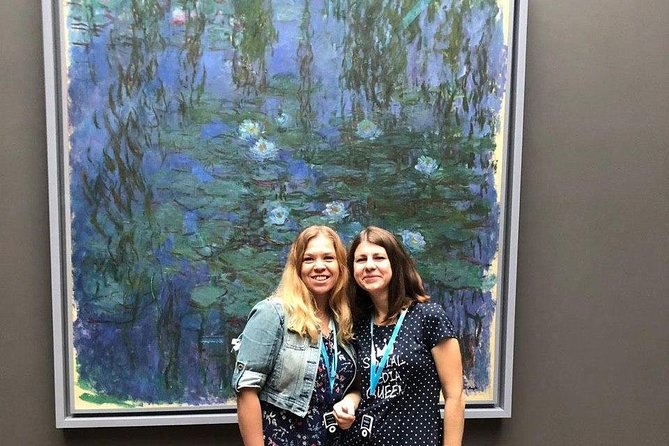
With a maximum of six travelers, your guide can steer you better. You’re less likely to get stuck behind someone who stops for five minutes to take photos of a label. And you’re more likely to get answers when you ask why a painting looks the way it does, or how Impressionism actually became a style (not just a word on a museum wall).
This is where guides like Ahmed, Elizabeth, Nadia, and Natalia often get praise: they keep the group comfortable and engaged, and they don’t bulldoze the conversation. One recurring theme is that guides pay attention to pace—especially for visitors who might need brief rests during a floor-to-floor walk.
Your guide’s route: what you’ll prioritize in the collection
Inside Musée d’Orsay, you’re not trying to “see everything.” You’re trying to see the right things in the right order so the museum’s story clicks.
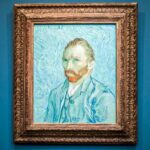
Your licensed guide focuses on the museum’s main masterpieces, with an emphasis on Impressionism and major figures. Expect to spend time on major names such as Monet, Manet, Cezanne, Sisley, Van Gogh, Gauguin, and the sculptural side of the museum. The description also flags Rodin and notes that you’ll see sculptures as well as paintings.
That matters because Impressionism is not just about light. It’s about how artists treated everyday life, how they painted speed and weather, and how new techniques became a kind of visual argument. When you’re shown the works with context, the museum stops being a wall of frames and starts becoming a timeline you can follow.
Also, the tour is structured for “main hits” rather than long detours. One downside that shows up occasionally with short guided tours is that any guide can get lengthy on one favorite piece. If your guide leans that way, it can make the overall experience feel a bit tiring—though the good news is you can still step away after the tour to explore at your own pace.
What “skip-the-line” really means for your visit

Skip-the-line can sound like a marketing slogan. Here, it’s practical.
Orsay’s crowds can be intense, especially during peak hours. By using the guided entry and walking straight into the collection, you avoid the moment where you’re standing around while your visit time quietly evaporates. You also start with momentum: the guide gets you oriented early, so you’re not guessing where to go first once you’re finally inside.
This matters even more because you only have about two hours. In that time window, every minute you lose to waiting is a minute you don’t get back. The no-wait entry is one of the most valuable parts of the experience because it protects your schedule.
The art you’ll see: Impressionism highlights tied to real storytelling

Musée d’Orsay is packed. The magic of this tour is that your guide turns selected works into a clear arc.
You’ll get a guided overview of Impressionism through key artists and major paintings. The aim is not to list facts like a worksheet. It’s to help you read what you’re seeing: the brushwork, the palette choices, and the emotional effect that made these artists stand apart in their moment.
You’ll also get commentary that’s designed to make art history feel understandable—sometimes with humour, sometimes with sharp comparisons, and sometimes by asking you questions as you look. That interactive style comes up in multiple guide stories associated with this tour, including Dimitri, Nadia, and Elizabeth. When a guide asks what you notice first, you stop being a passive observer and start seeing the paintings with your own eyes.





Sculpture at Orsay: don’t treat it like an afterthought
One easy mistake at Orsay is to treat the place like a painting museum only. But the tour’s focus includes sculptures, and that’s a smart move.
Rodin (listed as a key part of what you’ll see) connects to the broader theme of modern art—how artists captured form, movement, and modernity before the art world fully “locked in” Impressionism as the main label.
Seeing sculpture alongside painting also changes how you interpret space. Paintings often look like they’re made of light; sculptures feel like they’re made of weight. When your guide places both in the same walk, it helps your brain build a bigger picture of what “modern” meant across mediums.
Headsets and lockers: small logistics that make the tour work
Paris museums can be noisy. People talk while they walk, phones buzz, and sometimes the gallery layout funnels sound in weird ways.
That’s why I like that this tour includes headsets. You’re not stuck straining to hear the guide over the crowd. Clear audio makes a short tour feel longer—in a good way—because you don’t miss the key points.
You’ll also get a free locker for smaller bags. That’s a practical win. Lightweight touring inside a museum is easier on your shoulders and easier on your patience when people stop suddenly in front of works.
If you’re used to wandering Orsay on your own, this can feel like the difference between reading a book with page numbers versus trying to follow a story printed on a foggy mirror.
Price check: is $80.72 worth it when €16 is extra?
The tour price is $80.72 per person, and the Musée d’Orsay admission ticket is €16 per person (cash), which is not included in what you pay online.
Here’s how I’d evaluate value: you’re paying for the guide time, the small group size, the headsets, the locker, and the big one—skip-the-line entry. Admission alone is not the experience. It’s the access to a guided plan that compresses the museum into a meaningful route.
So the real budget is tour price plus the ticket. If you already planned to spend time figuring out where to start, this option can save you effort. If you’re the type who loves reading quietly and going at your own speed, you might feel some of that structure. But if you want a faster, clearer path to the best-known Impressionism, it’s a strong match.
Also note: the tour is booked on average about 138 days in advance. That’s usually a sign it sells enough that waiting too long can reduce your timing options. If you’re traveling in a popular season, booking earlier often helps.
When this tour is a great fit (and when it isn’t)
This is ideal if:
- You want a guided Impressionism overview without spending hours figuring out priorities.
- You prefer small groups and clearer communication via headsets.
- You only have a short window at Orsay and want maximum clarity in about two hours.
- You’re traveling with mixed ages and want a guide who handles comfort and pace well; one guide story specifically praises patience for a 77-year-old stepmom who needed brief rests.
It might be less ideal if:
- You hate any schedule at all. The tour moves at guide pace, and it can feel tiring if you’re expecting a slow stroll.
- You dislike extra steps. Since admission is not included, you’ll need €16 cash and follow the on-the-day process the guide offers.
- You already know you want to linger for a long time at fewer works. A DIY plan can be better if you’ll naturally spend most of your time in one or two rooms.
Practical tips to get more from those two hours
Bring a plan for how you’ll handle crowds. You’ll be walking floor to floor, so wear shoes you can move in quickly.
If you’re the type who likes to take photos, do it with a quick rhythm. The most satisfying shots in a museum are often the ones you take while your mind is still engaged with the story your guide just explained.
And don’t forget the simplest strategy: after the tour ends back near the meeting point, use what you learned to choose where to go next. The guided route isn’t meant to replace your own exploring. It’s meant to give you a “map in your head” so you don’t wander aimlessly.
Should you book this Musée d’Orsay Impressionism tour?
I’d book it if you want a focused, time-smart way to see Orsay. The combo of skip-the-line entry, max six group size, headsets, and a guide-led sweep through major Impressionism names (plus sculpture) is exactly how you make a short museum visit feel like a full one.
Skip it if you’re happy paying to enter on your own and you’d rather build your own route at your own pace. You’d miss the planned structure—but you might gain more freedom.
If you’re on the fence, here’s the quick decision rule I use: if you’ll only visit Orsay once (or you’re short on time), take the tour. If you’ll be back for a deeper personal wander, consider doing it independently.
FAQ
How long is the Musée d’Orsay highlights tour?
It runs for about 2 hours.
Is the Musée d’Orsay admission ticket included in the tour price?
No. Admission is not included. You’ll need the €16 per person ticket on the day (cash), though the guide can prepare it for you.
How many people are in the group?
The tour has a maximum of 6 travelers, making it a small-group experience.
Where do I meet the guide?
You meet at 1 Rue de la Légion d’Honneur, 75007 Paris, France.
What’s included with the tour besides the guide?
Included features are a free locker, headsets, and entering with no waiting in the line.
Is there free cancellation?
Yes. You can cancel up to 24 hours in advance for a full refund.