REVIEW · PARIS
Montmartre Marvels Small Group Guided Stroll in Bohemian Paris
Book on Viator →Operated by Paris TRIP · Bookable on Viator
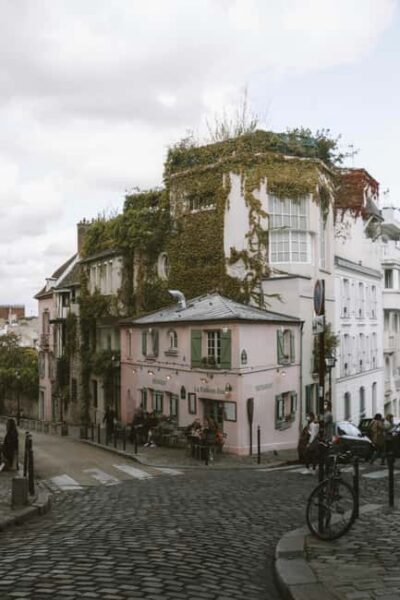
Montmartre can feel like a sketch coming to life. In this small-group walk, you connect classic corners of Montmartre with art-world stories, then top it off with big Paris views from the hill at Sacré-Cœur. It’s paced for real conversation, so you’re not just snapping photos and moving on.
I especially like the way the guide turns landmarks into human stories. Guides such as Olivia and Julie bring clear, organized explanations, plus jokes that make the streets easier to remember. I also love the small size (max 15), which keeps questions from getting lost in the shuffle.
One main consideration: this is a walking-and-stairs kind of neighborhood, with cobblestones underfoot and some uphill effort. Also, a few major sights have admission tickets not included (like inside Sacré-Cœur and stops such as Le Bateau-Lavoir), so plan for possible extra costs if you want to go in.
In This Review
- Key highlights that make this walk worth your time
- How this 2–2.5 hour Montmartre walk fits your day
- Meeting at Anvers and ending near Blanche: easier than you think
- The walk starts with Montmartre village charm (Stop 1)
- Sacré-Cœur views: the top-of-the-hill moment (Stop 2)
- Place du Tertre: old square energy and caricaturists (Stop 3)
- Clos Montmartre vineyard: wine roots on a city slope (Stop 4)
- Au Lapin Agile: cabaret legend and the story of Lolo (Stop 5)
- Place Dalida: a tribute that lingers in the streets (Stop 6)
- Moulin de la Galette: windmill views and Renoir vibes (Stop 7)
- Le Bateau-Lavoir: Picasso’s early cubist footsteps (Stop 8)
- Café des Deux Moulins: Amélie connections (Stop 9)
- Moulin Rouge nearby in Pigalle: bohemian past from the outside (Stop 10)
- What to wear and how much walking to expect
- Price and value: what you’re really paying for at $107.76
- Who this Montmartre walk suits best
- Should you book Montmartre Marvels?
- FAQ
- What time does the tour start?
- Where do I meet the guide?
- Where does the tour end?
- How long is the Montmartre guided stroll?
- Is the tour offered in English?
- How big is the group?
- What’s included in the price?
- Are entrance fees included for major sights?
- Is the walking easy for everyone?
- Is free cancellation available?
Key highlights that make this walk worth your time
- Max 15 people, so you actually get answers instead of hearing everything secondhand
- Morning start (9:30 am), leaving your afternoon open for museums, wandering, or a long lunch
- Sacré-Cœur hill views built into the route, with a focused 15-minute stop at the basilica area
- Place du Tertre and its caricaturist tradition in the historic center
- Clos Montmartre vineyard, established in 1933, plus mention of the October harvest festival
- Art landmarks from multiple eras, including Le Bateau-Lavoir’s tie to Picasso’s early cubist work
How this 2–2.5 hour Montmartre walk fits your day
This tour is built for people who want Montmartre without spending your whole morning fighting your way around. The timing works well because you get a satisfying sweep of the area in about 2 to 2.5 hours, then you’re released back into Paris with the rest of your day still yours.
Starting at 9:30 am matters more than it sounds. Morning tours often help you get oriented before the neighborhood gets hectic, and you’ll have energy left for whatever comes next—coffee, shopping, or simply walking a few streets farther on your own.
It’s also the kind of tour where questions don’t feel like an interruption. The pace is relaxed enough to ask why something is there, who created it, and how it connects to the broader Paris art scene.
You can also read our reviews of more guided tours in Paris



Meeting at Anvers and ending near Blanche: easier than you think
You meet at Anvers 75018 Paris and the walk ends at Blanche 75018 Paris. You’ll want to plan your trip to the start point on public transportation since transport to and from the meeting point isn’t included.
I like that the route doesn’t force you to backtrack the whole way. Finishing near Blanche can make it simpler to keep moving—especially if you’re heading toward other parts of the Left Bank or planning a later connection by transit.
You also get a mobile ticket, which cuts down on waiting time and reduces the chance of getting flustered before you even start.
The walk starts with Montmartre village charm (Stop 1)
Your first hour centers on Montmartre itself, beginning at the foot of the hill. This is where you get the big-picture feel of the neighborhood—its village-like streets, its artistic identity, and why people keep coming back even after the novelty wears off.
This first segment is valuable because it sets the tone. Once you understand the vibe, the later stops make more sense. Instead of seeing random corners with famous names, you begin to notice patterns: art culture here, performers there, and history stacked right on top of daily life.
Admission is free for this stop, which usually means you’re exploring from the street and learning what to look for as you go. It’s a great way to start building a mental map while the guide keeps you moving.
Sacré-Cœur views: the top-of-the-hill moment (Stop 2)
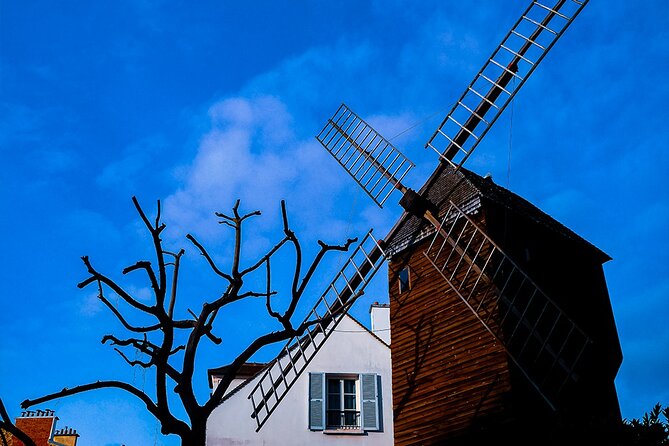
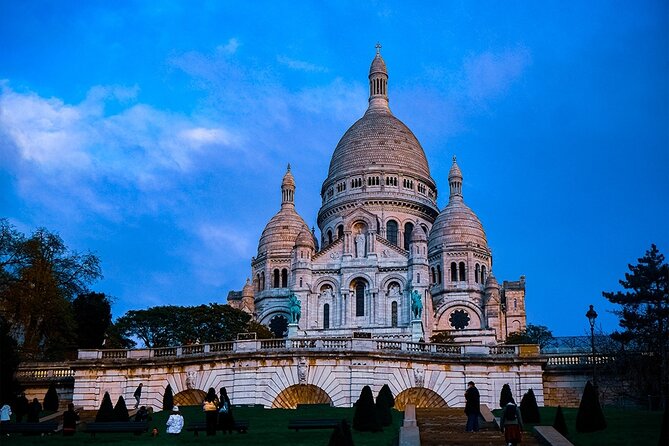
Next comes Sacré-Cœur, with a 15-minute stop at the basilica area. This is the classic Paris payoff: you’re up high enough to see the city spread out in front of you, and it’s the easiest way to get that wow-factor without wasting hours figuring out where to stand.
One practical note: admission is not included. If you want to go inside the basilica, you should expect an extra ticket cost. Even if you mainly focus on the views, plan your time so you don’t feel rushed when the group regathers.
Why this stop works on a guided walk: your guide can point out what you’re looking at and why that view became a must-see in the first place. You’ll leave with a better sense of where you are in the city, not just a camera roll full of sky-and-rooftops.
Place du Tertre: old square energy and caricaturists (Stop 3)
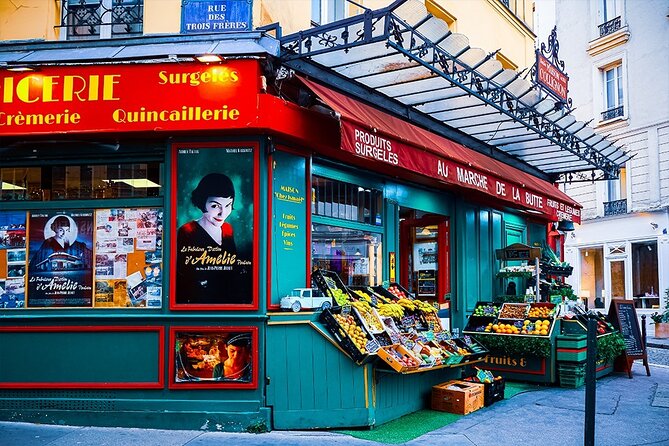
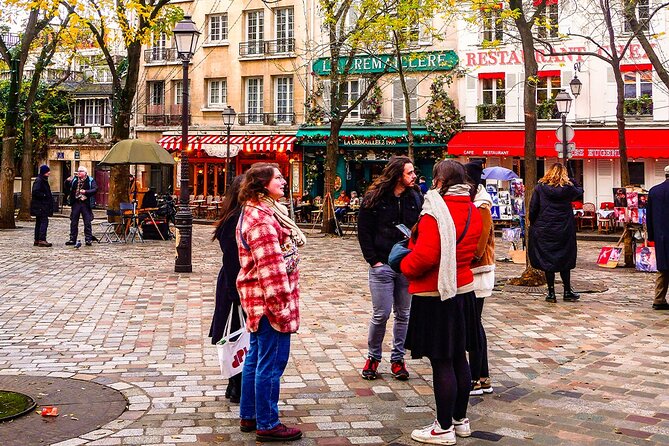
At Place du Tertre, you get 10 minutes in the historical center of Montmartre village. This is where the artistic tradition is kept alive by caricaturists, and where you’ll also run into some of the older restaurants of the capital.
The best way to enjoy this stop is to slow down. Look at the square like a stage: artists set up, visitors gather, and the neighborhood’s creative reputation feels real rather than packaged.
Since admission is free here, you’re not committing to a paid experience. You’re just getting a slice of how Montmartre’s art identity shows up in everyday street life.






Clos Montmartre vineyard: wine roots on a city slope (Stop 4)
This short stop is easy to miss if you’re only chasing big sights: Vigne du Clos Montmartre. You’ll have about 5 minutes here, but it’s a neat reminder that Paris isn’t only boulevards and museums.
The vineyard dates to 1933, and it produces limited batches of wine each year. It also connects to the Fête des Vendanges in October, a harvest celebration tied directly to the neighborhood.
What I like about this stop: it adds something unusual to the Montmartre story. It shifts you from painters and performers to growers and vintners, which makes the area feel more layered and real.
Au Lapin Agile: cabaret legend and the story of Lolo (Stop 5)
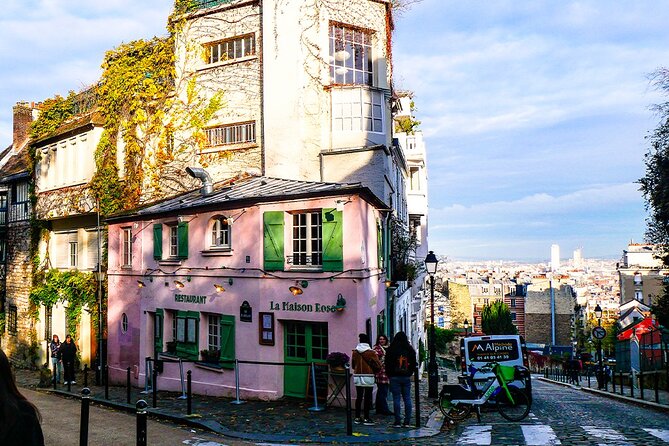
At Au Lapin Agile, you spend around 10 minutes. This is the cabaret linked to artists gathering to discuss art, and your guide shares the story of Lolo the donkey-artist.
Even if you only catch the basics, it’s the kind of legend that makes Montmartre memorable. This is where the neighborhood’s reputation for offbeat creativity becomes more than a slogan.
Admission is listed as free for this stop, so you’re likely viewing from outside and getting the context from the guide. That’s a good setup here, since the point is to understand why the place matters, not to treat it like a timed-ticket museum stop.
Place Dalida: a tribute that lingers in the streets (Stop 6)
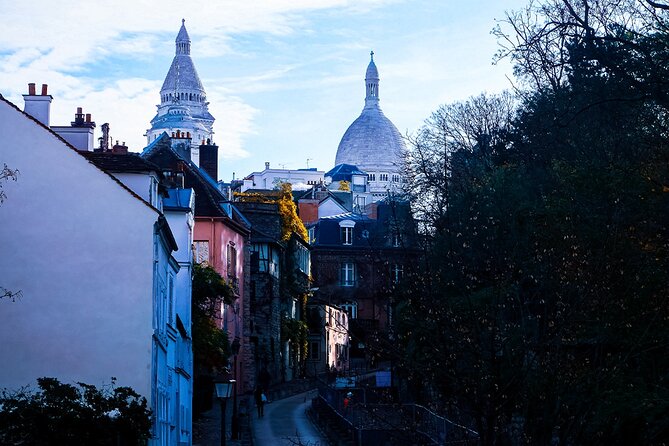
Place Dalida is brief—about 5 minutes—but it’s a nice tonal change. The square is meant as a tribute to the singer Dalida, who marked French music history and lived in beloved Montmartre.
This is the part of the walk that reminds you Montmartre isn’t only about visual art. Music, performance, and celebrity culture all fed into the neighborhood’s creative reputation.
Admission is free, so this stop is about atmosphere and story rather than entry fees. It also gives your legs a quick pause before the next stretch.
Moulin de la Galette: windmill views and Renoir vibes (Stop 7)
At Moulin de la Galette, you get 10 minutes. The stop gives you a look at one of the last windmills of Montmartre, plus the spot made famous by impressionist painter Renoir.
The value here is in the contrast: a working-looking landmark with a strong artistic association. You’re seeing how painters translated everyday scenes into art, and then you’re standing near the original setting.
Admission is free, which makes this an easy win. You can focus on what the windmill and surrounding area represent without needing to plan around paid entry.
Le Bateau-Lavoir: Picasso’s early cubist footsteps (Stop 8)
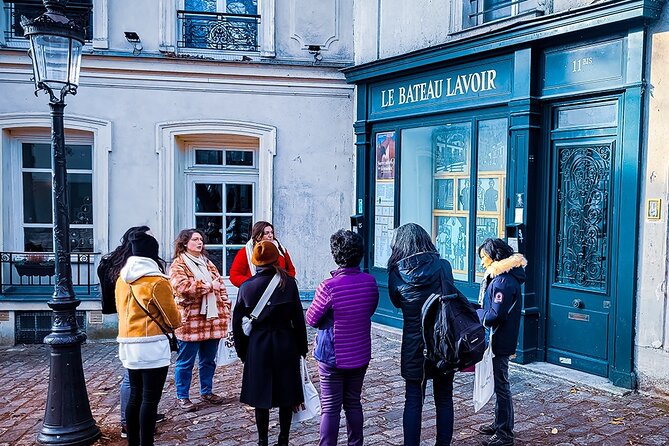
Your next art-heavy stop is Le Bateau-Lavoir, again about 10 minutes. This location is described as one of Montmartre’s most important artist’s workshops, where Picasso, among others, painted his first cubist works.
This is where a guide really earns their fee. The workshop story can feel abstract if you’re just looking at buildings, but with context, you start to connect the space to the artistic breakthroughs that happened inside or around that creative ecosystem.
Admission is not included for this stop, so if you’re hoping to enter any area tied to the workshop, expect an extra ticket situation. Even without entry, the lesson is strong: Montmartre helped shape a major art movement, not just decorate the edges of Paris.
Café des Deux Moulins: Amélie connections (Stop 9)
At Café des Deux Moulins, you’ll have around 5 minutes. This café is known for appearing in the film Amélie, so it’s a quick pop of modern pop culture into older streets.
If you’re a movie fan, this stop can feel like finding a secret you didn’t know you were looking for. Even if you’re not, it’s still useful as a reminder: Montmartre’s image has been exported worldwide, and film helped cement that identity.
Admission is free here. The goal is usually just a look-and-learn moment, not a long sit-down meal (food and drinks aren’t included on the tour anyway).
Moulin Rouge nearby in Pigalle: bohemian past from the outside (Stop 10)
The walk continues with Moulin Rouge in the nearby Pigalle district, about 10 minutes, even though it’s not in the middle of Montmartre. You’ll learn about the iconic red windmill as a symbol of the area’s bohemian past.
Admission is not included here as well. For many people, the best move is to treat this as a photo-and-context stop unless you’re planning a separate paid ticket for a specific show or indoor visit.
Still, it rounds out the tour nicely. You end with a link between Montmartre’s creative history and Paris’s bigger stage of entertainment culture.
What to wear and how much walking to expect
This tour asks for moderate physical fitness. That’s not a vague label here. The neighborhood is cobblestoned, and you’ll be ready for stairs and uphill sections.
My practical advice: wear shoes you can trust on uneven ground. You’ll be happier if your feet are comfortable before you even start, because Montmartre can turn a short walk into a workout fast.
The good news: the group size and guided pace keep it from turning into a long slog. You’re moving, stopping often enough to regroup, and getting a steady stream of story so you’re not just trudging uphill in silence.
Price and value: what you’re really paying for at $107.76
At $107.76 per person, this isn’t a bargain-basement deal. But it’s also not trying to be one. You’re paying for a guided route with a certified local guide, plus the structure to see a lot of Montmartre without spending your brain on navigation and research.
The small group (max 15) is a real value lever. It helps the guide adapt to your pace and gives you time to ask questions, which is harder to pull off on big bus-style tours.
To judge value for yourself, think about two scenarios:
- If you love understanding what you’re seeing, the guide storytelling is the core payoff, especially around art sites like Le Bateau-Lavoir.
- If you only want quick sightseeing and don’t care much about background, you might question the price once you account for any additional admission tickets not included.
Either way, you’re getting a morning activity that ends in a different neighborhood zone (Blanche). That can save time later, which is part of what makes it feel worthwhile.
Who this Montmartre walk suits best
This tour is a strong fit if you want:
- A guided sweep of Montmartre in a short morning
- Art and performance stories tied to real places
- A group small enough for questions and a relaxed pace
- A panoramic view moment at Sacré-Cœur
It may be less ideal if you dislike stairs or uneven surfaces. Also, if you’re expecting every major site to be included with admission, you’ll want to know that some key stops have tickets not included.
Should you book Montmartre Marvels?
I think you should book this tour if you want Montmartre with context and a guide who keeps the pace friendly. The combination of Sacré-Cœur views, multiple art-world stops, and quick stops like Place du Tertre and Café des Deux Moulins makes it a smart way to get your bearings fast and leave your afternoon free.
Book it especially if you care about the story behind the landmarks. Places like Le Bateau-Lavoir and Clos Montmartre give you variety beyond the obvious photo stops.
Skip it only if you’re planning to avoid paid entries entirely and don’t want any possible extra ticket costs at sights listed as not included. If that matters to you, you might instead plan a self-guided walk so you fully control admission choices.
FAQ
What time does the tour start?
The tour starts at 9:30 am.
Where do I meet the guide?
The meeting point is Anvers 75018 Paris, France, near public transportation.
Where does the tour end?
The tour ends at Blanche 75018 Paris, France.
How long is the Montmartre guided stroll?
It runs about 2 hours to 2 hours 30 minutes.
Is the tour offered in English?
Yes, it’s offered in English.
How big is the group?
The tour has a maximum of 15 travelers.
What’s included in the price?
The tour includes a small-group 2 hours Montmartre Village walking guided tour (15 pax max), a certified local guide, panoramic views of Paris from the hill, and learning about major landmarks such as Moulin Rouge and Sacre-Coeur. You also receive a mobile ticket. Food and drinks are not included.
Are entrance fees included for major sights?
Admission ticket inclusion varies by stop. Some stops are listed as free, while others are listed as not included, including Basilique du Sacre-Coeur de Montmartre, Le Bateau-Lavoir, and Moulin Rouge.
Is the walking easy for everyone?
The tour calls for moderate physical fitness. The area has cobblestones and you should be ready to climb stairs.
Is free cancellation available?
Yes. You can cancel for a full refund up to 24 hours in advance of the experience start time.