REVIEW · PARIS
Marmottan Monet Musée Skip The Line
Book on Viator →Operated by THINGS TO DO IN FZCO · Bookable on Viator
Skip the line and head straight to Monet.
I love the priority entry angle, because it helps you use your Paris time well. I also love the museum’s setting in a historic hunting lodge, once owned by the Duke of Valmy, which makes the art feel extra at home. One possible drawback: a few visitors reported ticket/voucher hiccups, so plan to have your confirmation details ready when you arrive.
If you’re an Impressionist fan, this ticket is a strong way to see Monet’s world’s largest collection plus works by Gauguin, Renoir, and Degas. You’re not stuck in a rigid schedule either, since it’s a self-guided visit with time to set your own pace. For some people, the collection mix may include more non-Monet material than expected, so Monet-only devotees should go in with flexible expectations.
In This Review
- Quick hits before you go
- Musée Marmottan Monet: the hunting-lodge setting that makes art feel personal
- Skip-the-line priority entry: what it really buys you in Paris
- Your self-guided visit: how to pace your Monet time
- What you’ll see: Monet’s major works plus other Impressionists
- Temporary exhibitions: the sport-and-art angle (and why it’s smart)
- The setting matters: why the building is worth your attention
- Practical timing: plan 1–2 hours, not 20 minutes
- Nearby plans: garden time and an easy neighborhood dinner
- Price and value: is a $30 ticket a good deal?
- Who this is best for (and who should rethink it)
- Should you book Musée Marmottan Monet Skip The Line?
- FAQ
- Is this ticket really skip-the-line at Musée Marmottan Monet?
- What art can I see at the Musée Marmottan Monet with this ticket?
- How long should I plan for this museum visit?
- When do I get confirmation after booking?
- Is the museum easy to reach with public transportation?
- What if I need to cancel?
Quick hits before you go
- Priority entry helps you walk right in and avoid the Paris wait game
- Monet’s largest collection plus major Impressionist names like Gauguin, Renoir, and Degas
- Permanent and temporary exhibitions mean there’s usually more than just one room to see
- A historic hunting lodge setting adds character before you even hit the paintings
- Headphones and the lowest floor are a tip for getting the most from the Monet displays
- Garden and neighborhood time can round out the visit nicely after the museum
Musée Marmottan Monet: the hunting-lodge setting that makes art feel personal
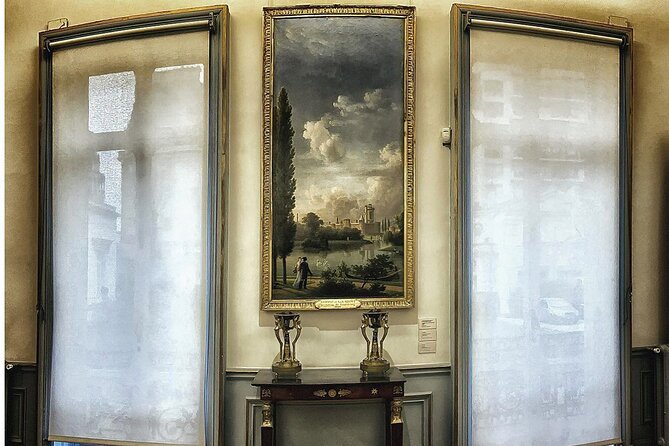
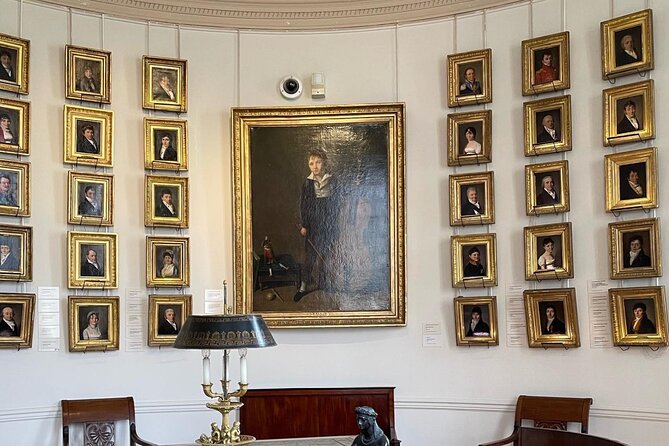
Musée Marmottan Monet isn’t housed in a big, anonymous box. It’s set in an old hunting lodge that belonged to the Duke of Valmy. That matters because you walk in expecting art, then you get architecture and atmosphere too—chairs, rooms, and a sense of old-world ease that makes the works feel curated by the building itself.
And yes, this is a Monet destination. The museum holds the world’s largest collection of Claude Monet. That alone makes it a worthy stop even if you’re already doing the major Paris museum hits.
If you care about Impressionism broadly, you’ll also find other big names. The ticket experience highlights works by Gauguin, Renoir, and Degas, so this isn’t only a Monet echo chamber. It’s a good way to compare styles without sprinting across the city.
You can also read our reviews of more tours and experiences in Paris



Skip-the-line priority entry: what it really buys you in Paris
A “skip the line” ticket sounds nice in theory. In practice, it’s all about time and stress. Paris days fill up fast, especially if you’re doing multiple museums or you’re balancing a tight trip. With this priority entry setup, you can show up and head inside instead of waiting for your turn.
The visit is designed around flexibility too. Your ticket gives access to the museum experience for about 1 to 2 hours, and it’s self-guided, so you can go at your pace instead of following a stopwatch that doesn’t match your interests.
Still, there’s one practical thing to keep in mind. A small number of people in the provided feedback described problems with vouchers not matching what staff expected, or tickets not appearing when they needed them. That doesn’t mean it will happen to you. But I’d treat it like common-sense travel prep: when you arrive, be ready to show your confirmation email or digital details.
Your self-guided visit: how to pace your Monet time
This ticket is built for self-guided exploration. That’s a plus if you like art at your own speed. It’s also a plus if you’re not sure how long you want to linger.
Here’s how I’d structure it so you don’t miss what matters most:
Start with the areas focused on Monet. The museum’s basement is repeatedly called out as a standout. One helpful tip from feedback: bring/prepare to use headphones (the museum offers audio support) and plan time on the lowest floor for the Monet highlights. Even if you usually speed through museums, give the Monet-heavy spaces a longer look.
Then branch out. The museum experience includes access to both permanent and temporary exhibitions. That means you’re not only seeing paintings in the permanent collection—you might also encounter changing displays that add a new angle to what you’re seeing.
Finally, end with the less-expected details. The building itself is part of the experience. Take a few minutes to look around. When the setting is this elegant, it helps you slow down and notice how the museum frames the art.
What you’ll see: Monet’s major works plus other Impressionists
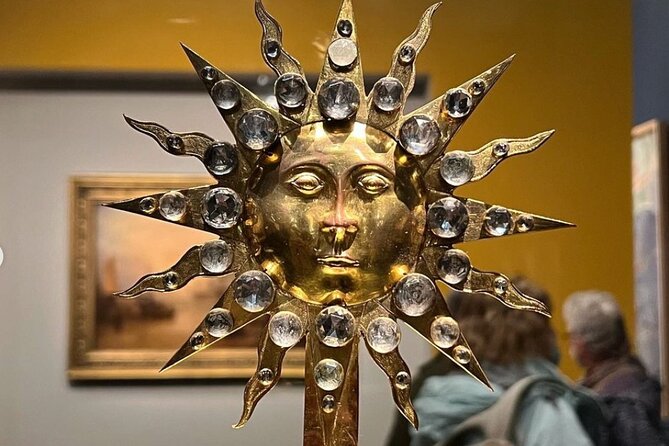
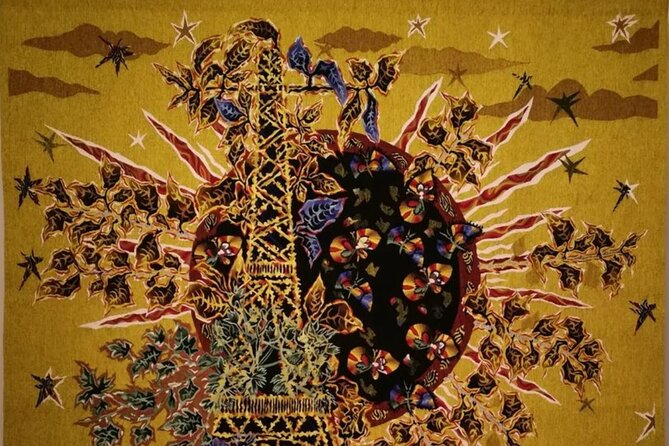
The big reason to come here is Monet. The museum’s collection is described as the largest in the world for him, and you’ll feel that emphasis as soon as you start exploring. Expect a serious run of Monet works rather than a token handful.
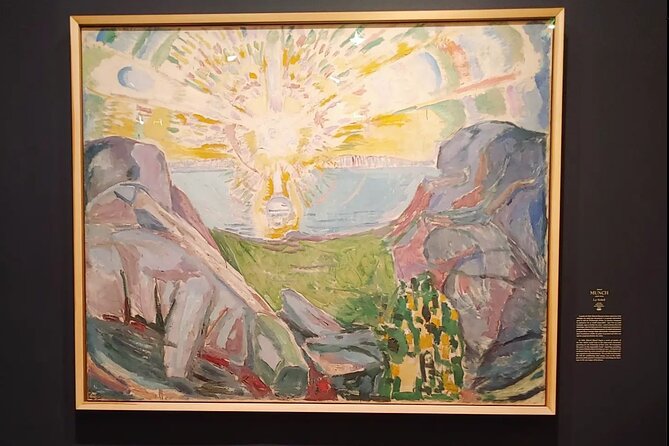
But this is also a broader Impressionist stop. The information provided points to works by Gauguin, Renoir, and Degas, and that mix can help you place Monet in context. Impressionism isn’t one single look. It’s a set of approaches that overlap and disagree. Seeing them in the same museum visit is useful if you like patterns in art history.
One note from visitor experiences: a few people felt the overall mix included more non-Monet content than they expected, including other artists and even objects tied to historic themes. That doesn’t mean the Monet is missing. It just means you should treat this as a museum visit, not a single-artist exhibition.
If you’re the type who loves one artist above all, you’ll still likely be happy here—especially if you spend extra time on the Monet-heavy sections like the lowest floor.
Temporary exhibitions: the sport-and-art angle (and why it’s smart)
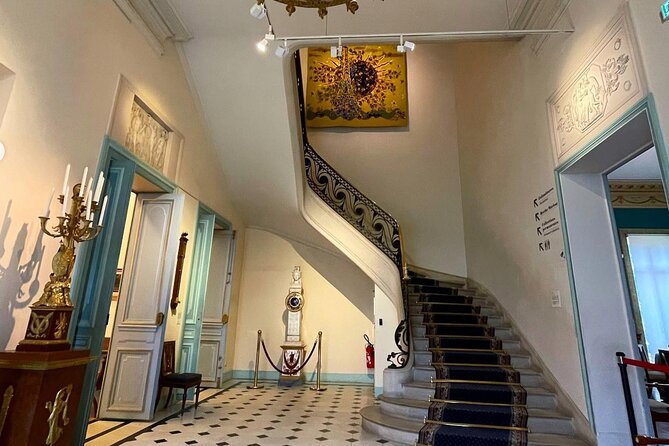
A strong part of the museum experience is access to temporary exhibitions. In the feedback you provided, one special show stands out: an exhibition themed around sport and artwork, prepared for the upcoming Olympic Games.
That kind of temporary exhibition is more than a distraction. It can make Impressionism feel like it’s living in the present. When the museum pairs classic works with a modern topic, it gives you something to think about besides just style and brushwork.
So if you visit during the run of a special exhibition, don’t skip it. Even if you’re mainly here for Monet, these temporary displays can deepen the visit by giving you an extra lens—how art responds to culture, events, and public life.





The setting matters: why the building is worth your attention
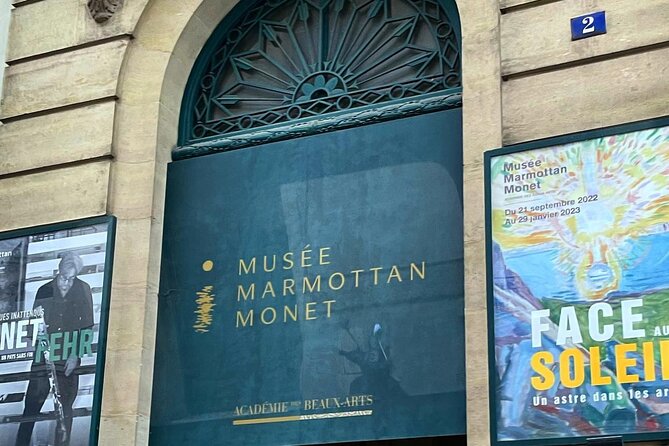
You might think the setting is just a background. In this museum, it’s not.
Because it’s a historic hunting lodge, the rooms feel more intimate than in many large Paris museums. The “palatial setting” shows up in the feedback, and that vibe affects how you read the art. When the rooms are elegant and detailed, the paintings aren’t floating in a white-box world. They feel placed, owned, and cared for.
It also helps you understand why people recommend it as a “stop within a stop.” It’s not only a checklist museum. It’s also an environment that makes you slow down.
If you like a museum that gives you both art and atmosphere without turning the whole thing into a crowded production, this one fits that mood well.
Practical timing: plan 1–2 hours, not 20 minutes

Most people will do this in about 1 to 2 hours. That range is right. If you try to do it in 30 minutes, you’ll skip the best parts—especially the Monet-focused areas.
Here’s a timing approach that usually works:
- Spend your first chunk on Monet-heavy spaces
- Use the next chunk for whatever temporary exhibition is on
- Save time for wandering and audio support, then finish with calmer rooms
Also, Paris heat can make a difference. Multiple notes mention how nice it felt to walk in quickly, especially when the weather made waiting unpleasant. The priority entry helps you avoid that “we’re stuck outside” feeling.
If you want to be extra efficient, arrive earlier rather than later. If you’re visiting on a day that’s not too busy, you may find you can enjoy the collections without feeling rushed.
Nearby plans: garden time and an easy neighborhood dinner
Part of the appeal is what you can do right after.
Feedback includes a nice detail: there’s a garden at the end of the street, and people liked getting a breath of air after the museum. That’s a simple win in Paris. Museums are great, but stepping outside for a short reset helps the art stick.
The same neighborhood effect came up in the feedback, with people finding a lovely dinner nearby. So if you’re deciding where to eat, consider building your meal plan around this area rather than racing back to the center right away.
Price and value: is a $30 ticket a good deal?
At about $30, this ticket sits in the “reasonable for a major Paris museum” category. The value comes from a few specific things:
- Time savings from priority entry, which can be worth a lot on a short trip
- Access to permanent and temporary exhibitions, so you’re not buying only one themed room
- A self-guided experience, meaning you control how long you spend with Monet
Where value can vary is in expectations. If you’re expecting a straight Monet-only hour, you might be disappointed by the broader museum mix. If you’re happy seeing Monet plus other Impressionists and historic context, you’ll likely feel you got your money’s worth.
Also consider the risk side. Since a few people reported voucher/ticket issues, double-check your confirmation details and be ready to show them at the door. If everything matches smoothly, this is a smart way to spend $30 in Paris.
Who this is best for (and who should rethink it)
This works best for:
- Monet lovers who want to prioritize his works without waiting in line
- Impressionist fans who enjoy seeing related artists like Renoir, Degas, and Gauguin in the same visit
- People who like self-guided museums and want a flexible pace
It might not be ideal for:
- People who want a guaranteed, flawless ticket redemption experience without any extra effort on arrival
- Die-hard Monet-only visitors who truly don’t want any attention on the museum beyond Monet
If you fit the first group, you’ll likely leave feeling you found something special in Paris—especially after you spend time with the Monet-focused areas and use the audio guidance.
Should you book Musée Marmottan Monet Skip The Line?
Yes, if your trip schedule is tight and Monet is a priority. I’d book it because priority entry plus a self-guided visit is exactly the kind of combination that protects your day.
Before you go, do two things: confirm you have your digital proof ready, and check the day you’re visiting. One provided note indicates the museum is closed on Mondays, so plan around that to avoid a wasted trip.
If you want Monet fast, with a strong chance to also enjoy the temporary exhibit and the museum setting, this $30 ticket looks like a solid choice.
FAQ
Is this ticket really skip-the-line at Musée Marmottan Monet?
The experience is described as a skip the line / priority entry ticket. That means you can turn up and head inside without waiting in line.
What art can I see at the Musée Marmottan Monet with this ticket?
You’ll access Claude Monet’s collection along with works by Gauguin, Renoir, and Degas. The visit also includes access to the museum’s permanent collection and temporary exhibitions.
How long should I plan for this museum visit?
Plan for about 1 to 2 hours. The experience is designed as a self-guided visit where you set your own pace.
When do I get confirmation after booking?
Confirmation is received within 48 hours of booking, subject to availability.
Is the museum easy to reach with public transportation?
Yes. The experience information says the venue is near public transportation.
What if I need to cancel?
This experience is non-refundable and cannot be changed for any reason.