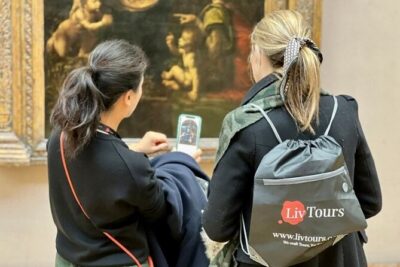
REVIEW · PARIS
Magnificent tour of the Louvre + Mona Lisa pass
Book on GetYourGuide →Operated by Roma in Tour · Bookable on GetYourGuide
The Louvre line can waste your whole day. This tour gets you moving faster with skip-the-line entry and a guide who gives Mona Lisa context before you go off on your own. It’s a smart format when you want the essentials, then freedom to choose what you see next.
I especially like two parts: the priority entrance so you can start inside right away, and the focused 30-minute Mona Lisa stop with stories and theories that make the painting feel more personal than just a tiny dot behind glass.
One consideration: the guided time is brief. If you want a full guided walk through the whole museum, this is not that. Also note it is not suitable for wheelchair users, and large bags aren’t allowed.
In This Review
- Key things to know before you go
- Meeting at 162 Rue de Rivoli: the easiest start point
- Skip-the-line access: what it means in real life
- The Mona Lisa moment: 30 minutes that actually help
- The icons you’ll catch during the key highlights
- Free time in the Louvre: how to explore across Richelieu, Sully, Denon
- Price and logistics: is $88 good value?
- Who should book this Louvre Wonders Tour
- Should you book it or keep it DIY?
- FAQ
- Where is the meeting point?
- How long is the guided part, and is the rest free time?
- What does skip the line mean for this tour?
- What ticket and guide details are included?
- Are there luggage or bag restrictions?
- Is the Louvre Wonders Tour refundable?
Key things to know before you go
- Skip-the-line access uses a faster priority line, not a magic teleport.
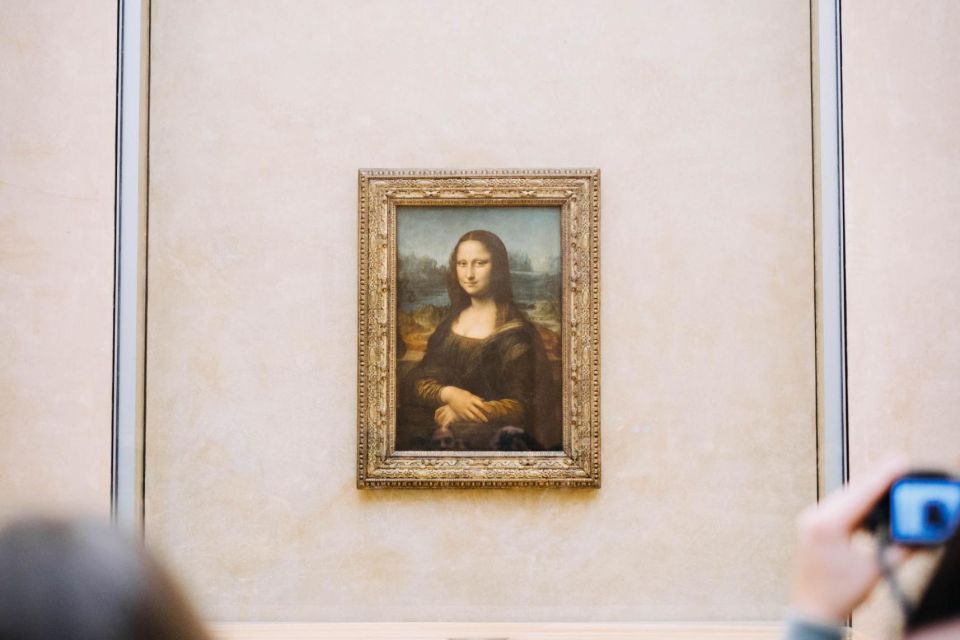
- Mona Lisa is the main guided focus, with about 30 minutes with a live English guide.
- You get a quick orientation to major icons like Winged Victory and Venus de Milo.
- After the guide leaves, you can explore freely across the Richelieu, Sully, and Denon wings.
- The meeting point is at 162 Rue de Rivoli, not at the museum door.
Meeting at 162 Rue de Rivoli: the easiest start point
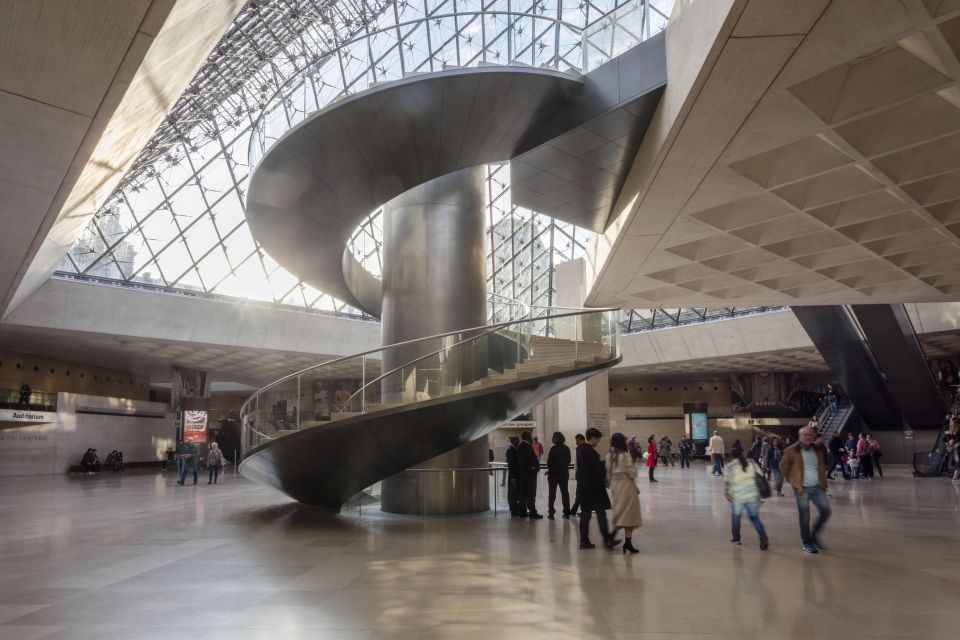
Your day begins at 162 Rue de Rivoli, outside the Louvre area at a clearly marked spot. Meet your guide in front of the souvenir shop to the left of the foreign exchange counter. This matters because many Louvre tours start inside, and that can create confusion when security lines and ticket lines are involved. Starting here keeps it simple: you gather in one place, then walk as a group.
It helps to know how to get there. Take Métro Line 1 or 7 to Palais Royal Musée du Louvre. From that station, you’re just dealing with streets and signage, not the maze of the museum entry system. Bring a passport or ID card, because you’ll need it for entry.
And check your bags before you leave your hotel. The museum won’t allow luggage or large bags, and anything over 55 cm x 35 cm x 20 cm is not permitted inside. This is one of those small rules that can change your whole mood if you show up with a big daypack.
You can also read our reviews of more tours and experiences in Paris.



Skip-the-line access: what it means in real life
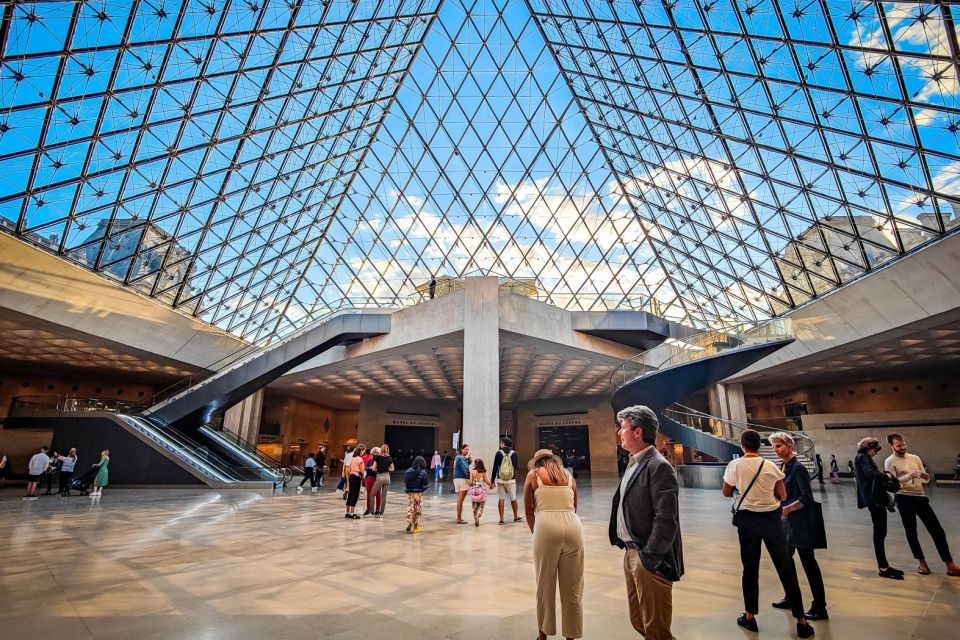
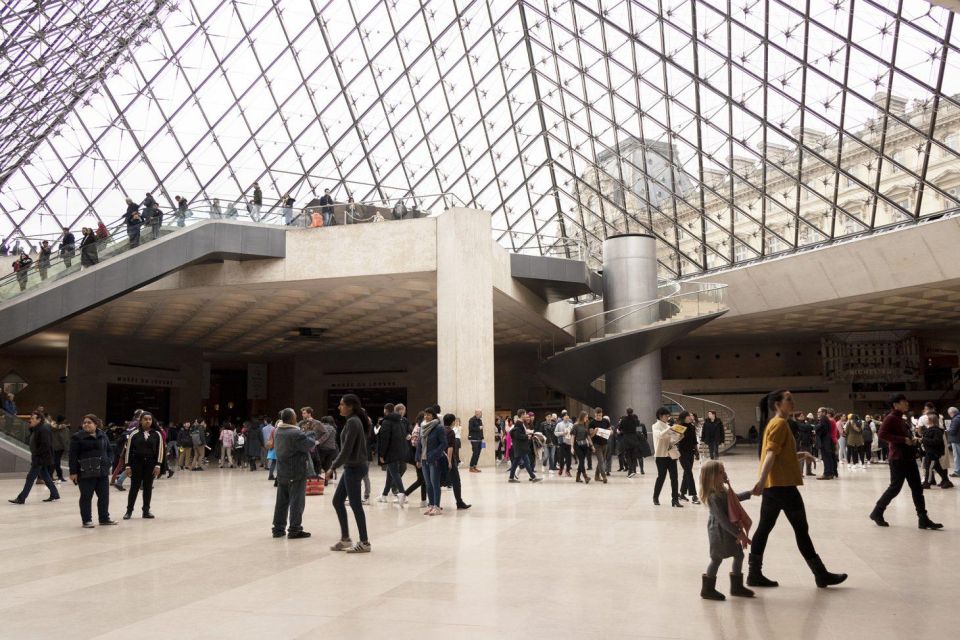
Skip-the-line here means you won’t queue in the long regular line. Instead, you enter a faster priority line with other customers who chose the same option. You’re still going through security and museum entry procedures, so don’t expect zero waiting. But it’s designed to cut the time you lose to the worst bottlenecks.
This is the value part. The Louvre is famous for being busy, and busy can turn into wasted time. With a priority entrance, you can spend your energy where it counts: in the galleries with the art, not standing still.
Tip: arrive a few minutes early. The meeting point is not inside the museum, and it’s easy to misjudge timing when you’re navigating a busy area near Palais Royal. If you’re early, you can relax instead of doing the nervous-speed walk.
The Mona Lisa moment: 30 minutes that actually help
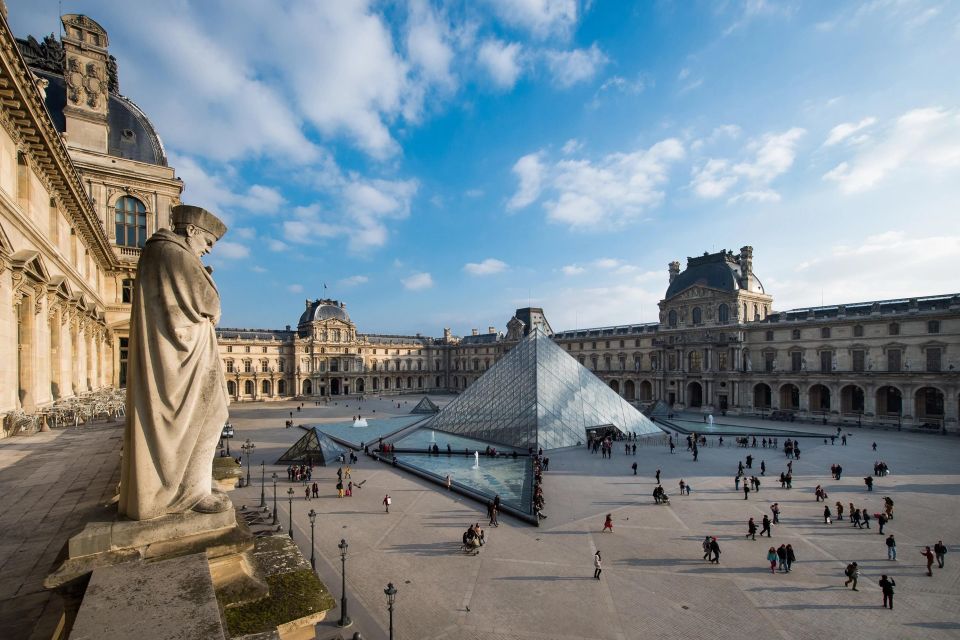
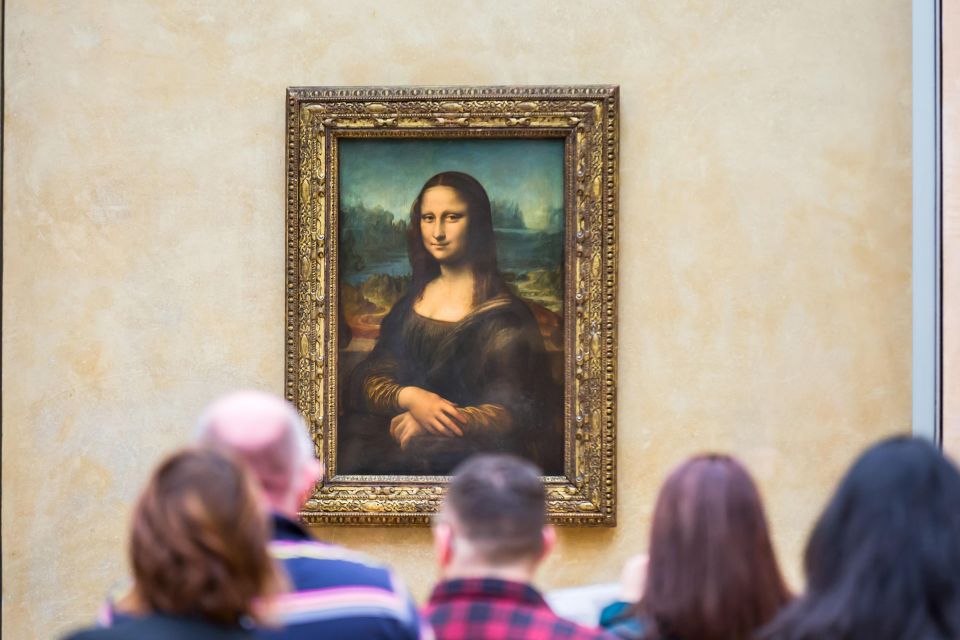
The main guided stop is the Mona Lisa, and the tour is structured around that. You’ll start with an introduction, then move through the museum with your guide sharing what matters before you reach the painting.
When you get in front of it, the guide’s job is to make you look with a purpose. You’ll get the painting’s significance and what makes it so hard to pin down: the subject, the technique, and why people keep returning for the same small details. You’ll also hear about the painting’s dramatic past, including its theft in the early 20th century and how that incident helped turn the Mona Lisa into a global obsession.
This is also where you get “useful attention.” Without context, the Mona Lisa can feel like a landmark you rush past. With the guide’s framing, you can slow down and actually notice what people talk about: the expressions, the composition choices, and the long list of theories that keep visitors arguing long after they leave.
The guided portion lasts about 30 minutes, then you’re free. That timing is a good match for real life. You get the payoff of a specialist explanation, but you don’t lose your whole day waiting for a tour to finish.
The icons you’ll catch during the key highlights
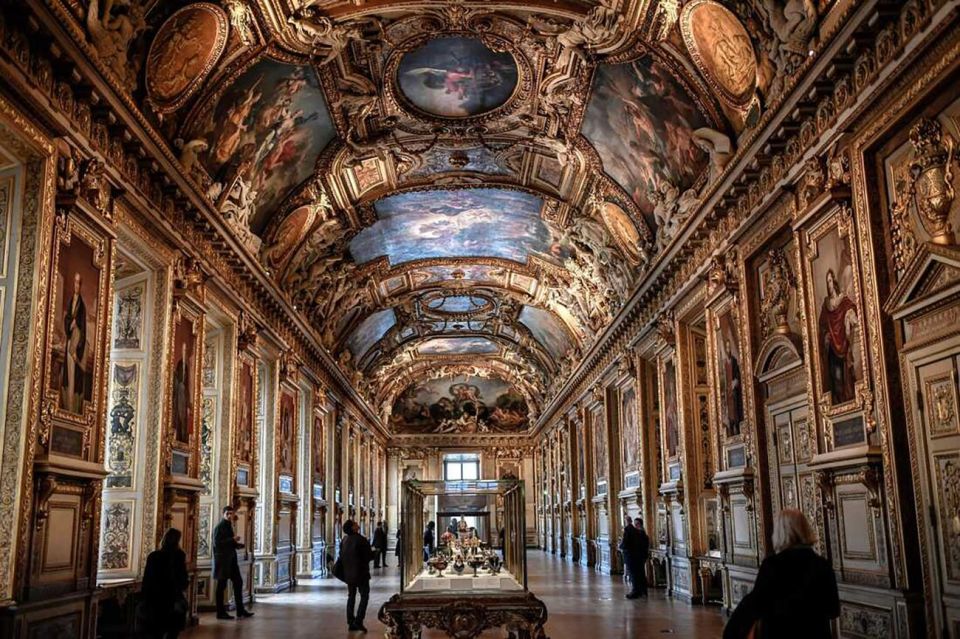
After the Mona Lisa, the tour isn’t a full museum marathon with the guide staying right beside you the whole time. Instead, you’ll be shown other major highlights with brief commentary, setting you up to explore on your own afterward.
Here are some of the headline works included in the spotlight:
- Winged Victory of Samothrace: one of those sculptures you can understand even if you don’t know a single Greek myth detail. The scale and movement do the talking.
- Venus de Milo: famous enough that you might think you already know it, but seeing it in person changes the experience. The missing arms make it feel even more present because your eyes fill in the gaps.
- Ancient Egyptian and Greek artifacts: you’ll get pointers toward the museum’s antiquities so you’re not just drifting randomly through galleries.
The practical value here is direction. The Louvre has so much that it’s easy to feel like you saw nothing because you never built a route. A short highlight pass helps you choose what’s worth slowing down for during your free time.
Free time in the Louvre: how to explore across Richelieu, Sully, Denon
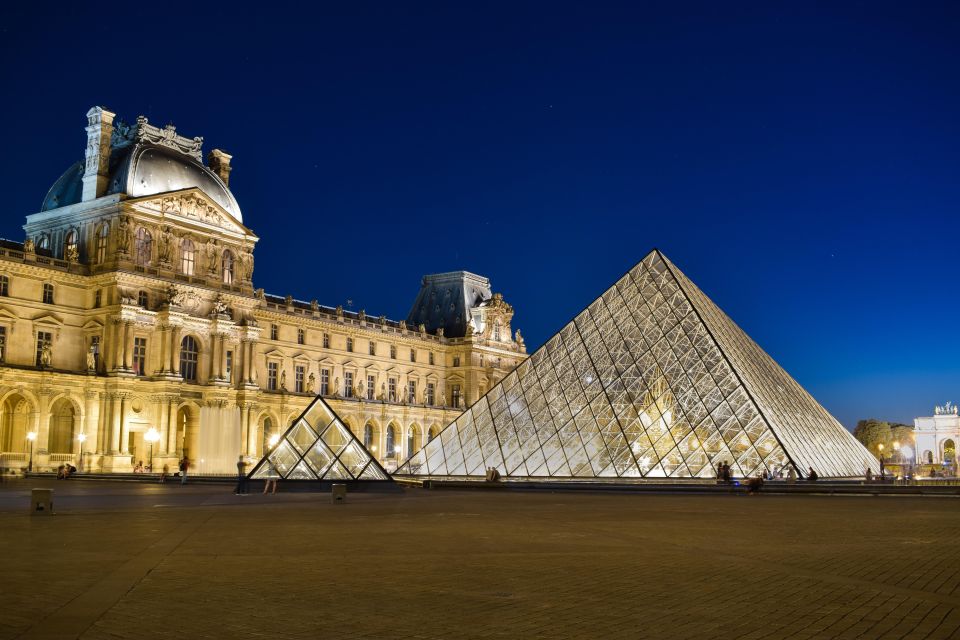
Once the guide wraps up, you’re on your own for as long as you like. The Louvre collection is spread across three wings: Richelieu, Sully, and Denon. That structure is both exciting and intimidating. You’ll want a plan that doesn’t rely on willpower alone.
Here’s how I’d approach it after a short guided start:
- Pick one main focus for the rest of your visit. Antiquities if you’re hungry for ancient history. Or paintings if you want more Renaissance and later European works.
- Choose a second backup area. If you wander into a crowd or a gallery feels too packed, you can pivot without losing your whole momentum.
- Use the highlight works you already saw as anchors. Winged Victory and Venus de Milo are great reference points for building a route from sculpture to nearby styles and periods.
Also, take breaks without guilt. The Louvre is enormous, and fatigue makes everything blur. A short pause lets you reset and keep your eyes fresh for the next room.
If you’re visiting for the first time, this mixed format is a nice compromise: guided explanation up front, then freedom to move at your pace.


Price and logistics: is $88 good value?
The price is $88 per person, and what you get is not just a talk in a museum. The cost includes:
- Licensed tour guide (English, live)
- Louvre entrance tickets
- Guaranteed skip-the-lines via priority entry
You’re paying for saved time and a guided Mona Lisa stop, which is the part many people want most. If you were going to the Louvre anyway, priority entry plus an expert explanation is the main reason this can feel worth it.
It’s also a good value for a short visit because the tour is only about 30 minutes with the guide (centered on the Mona Lisa). If you have limited time in Paris, that efficiency matters.
What you should plan for:
- Food and drinks are not included.
- There’s no hotel pickup.
So you’ll want to build your day around eating before or after your Louvre slot, not during the tour itself.
Who should book this Louvre Wonders Tour
This is a strong fit if:
- You’re a first-time Louvre visitor and want the Mona Lisa explained without spending hours on a group schedule.
- You value time-saving entry and like the idea of guided context followed by self-paced wandering.
- You read English well and want a live English guide rather than audio only.
You might want to look for another option if:
- You’re in a wheelchair or need accessibility support, because it’s listed as not suitable for wheelchair users.
- You want a long, fully guided tour covering lots of wings and eras. Here, the guide centers the Mona Lisa and key highlights, then you explore.
Should you book it or keep it DIY?
I’d book this if your top priority is getting to the Mona Lisa quickly and understanding what you’re seeing before you move on. The combination of priority entry and a guided explanation is exactly what makes the Louvre feel manageable instead of overwhelming.
If you hate lines and you’re short on time, this tour is built for your situation. The guided time is not long, but it’s long enough to change how you look at the most famous painting in the world—and then you get the best part: your own choices across the museum’s three wings.
FAQ
Where is the meeting point?
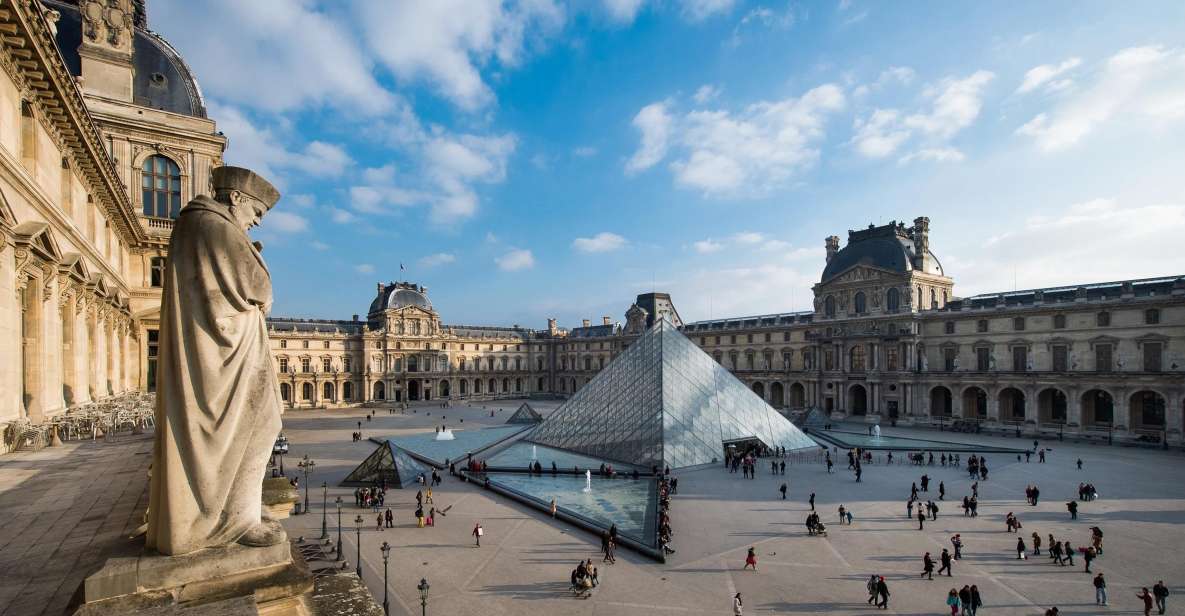
Meet your guide at 162 Rue de Rivoli, in front of the souvenir shop to the left of the foreign exchange counter. The activity starts and ends back at this meeting point.
How long is the guided part, and is the rest free time?
The experience is about 30 minutes. The Mona Lisa visit is guided and lasts approximately 30 minutes, and after that you are free to explore the rest of the Louvre Museum on your own.
What does skip the line mean for this tour?
Skip-the-line means you use a priority entrance line instead of waiting in the long regular line. It is faster, but you still enter as part of a group using the priority option.
What ticket and guide details are included?
This tour includes a licensed live tour guide (English), entrance tickets, and entry/admission to the Louvre Museum, with guaranteed skip-the-lines.
Are there luggage or bag restrictions?
Yes. Luggage or large bags are not allowed. Bags larger than 55 cm x 35 cm x 20 cm are not permitted inside the museum. You should also bring an ID or passport.
Is the Louvre Wonders Tour refundable?
The tour offers free cancellation up to 24 hours in advance for a full refund.