REVIEW · PARIS
From Paris: Prestige Champagne Tour and Tastings
Book on GetYourGuide →Operated by My Winedays · Bookable on GetYourGuide
Champagne tastes better with a plan. This private Champagne day combines cellar access, real production talk, and a scenic drive through the main wine towns. I especially like how you’re not stuck in one place; you move between big-house heritage and smaller-producer craftsmanship.
I also really like the pairing of the wine with a Michelin-star 3-course lunch in a château setting after you learn the key grape story. One possible drawback: the day is long and involves stairs down into underground galleries, so you’ll want comfy shoes and a willingness to go a bit slow in cold, damp cellars.
In This Review
- Quick take: what makes this trip work
- The Paris-to-Champagne drive: why the journey is part of the experience
- World-famous Champagne house: cellars, guided tour, and a tasting that teaches
- What you’ll likely notice during the tasting
- The Michelin-star château lunch: a high point, but choose your expectations wisely
- How to get the most from lunch
- Scenic wine towns and grape context: making sense of what you see
- Hautvillers and Dom Pérignon’s abbey: more than a photo stop
- Boutique Champagne producer: why small-scale tasting feels different
- How long is the day, and where it can feel rushed
- Price and value: what you’re paying for
- Comfort checklist: what to bring for cellars and château stops
- Language and guide style: Spanish, English, or French
- Should you book this Champagne tour?
- FAQ
- How long is the Champagne tour from Paris?
- Do I get hotel pickup and drop-off in Paris?
- What type of transportation is used?
- Which Champagne houses might be visited?
- Is lunch included, and is it Michelin star?
- Is there more than one Champagne tasting?
- Will I learn about the Champagne grapes?
- Is the tour accessible for wheelchair users?
- What should I wear or bring?
Quick take: what makes this trip work
- Two Champagne styles in one day: a world-famous producer plus a boutique house tasting
- Grape education you can taste: Chardonnay, Pinot Noir, and Pinot Meunier, explained in context
- Château lunch timing: you learn first, then eat in a magnificent park setting
- Hautvillers plus Dom Pérignon’s abbey: a meaningful stop tied to the region’s origin story
- Cellar conditions are real: plan for cold (around 10°C/45°F) and damp tunnels
- Private-driver service: hotel pickup, private transportation, and a guide who stays with you
The Paris-to-Champagne drive: why the journey is part of the experience
This isn’t a quick bus run. You get hotel pickup in Paris and then a private car or luxury minivan ride out toward Grand Est’s Champagne country. Expect a solid chunk of drive time (about two hours each way), which is long enough to let your day feel unhurried and organized.
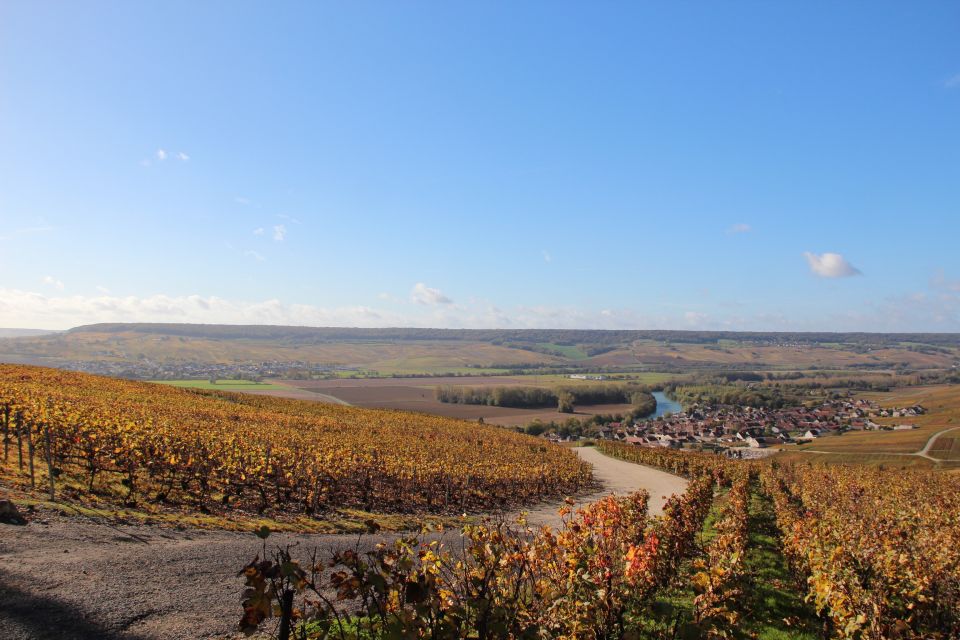
On the road, you’ll pass through the areas that wine lovers actually talk about: Montagne de Reims, Côte des Blancs, and Vallée de la Marne. Those names aren’t just marketing; they help you understand why Champagne tastes the way it does—different slopes, different grape emphasis, and different local weather patterns. Even if you’re not a “nerd” about viticulture, seeing these zones gives the tastings more meaning.
You can also read our reviews of more wine tours in Paris
World-famous Champagne house: cellars, guided tour, and a tasting that teaches
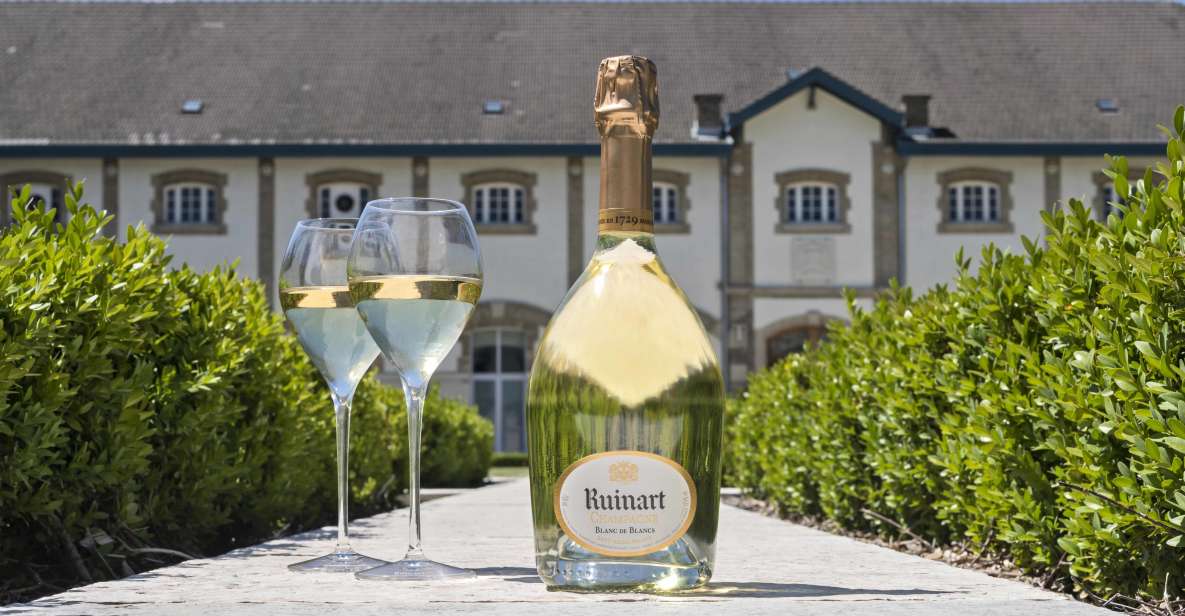
One of the best parts of Champagne tours is that they turn a glass of bubbles into something you can picture. Here, you visit a top producer (depending on availability, think names like Ruinart, Bollinger, Moët & Chandon, or Veuve Clicquot) and you get a guided visit with tasting time.
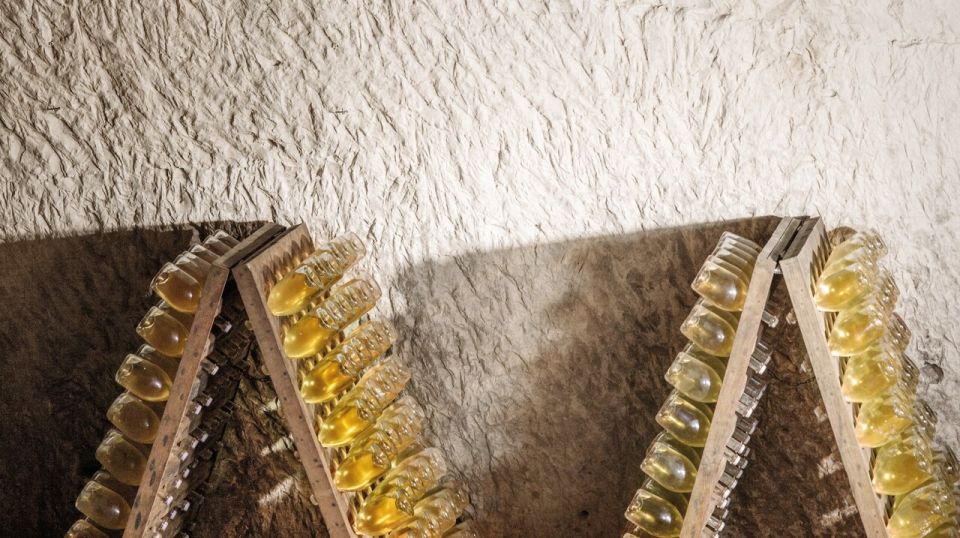
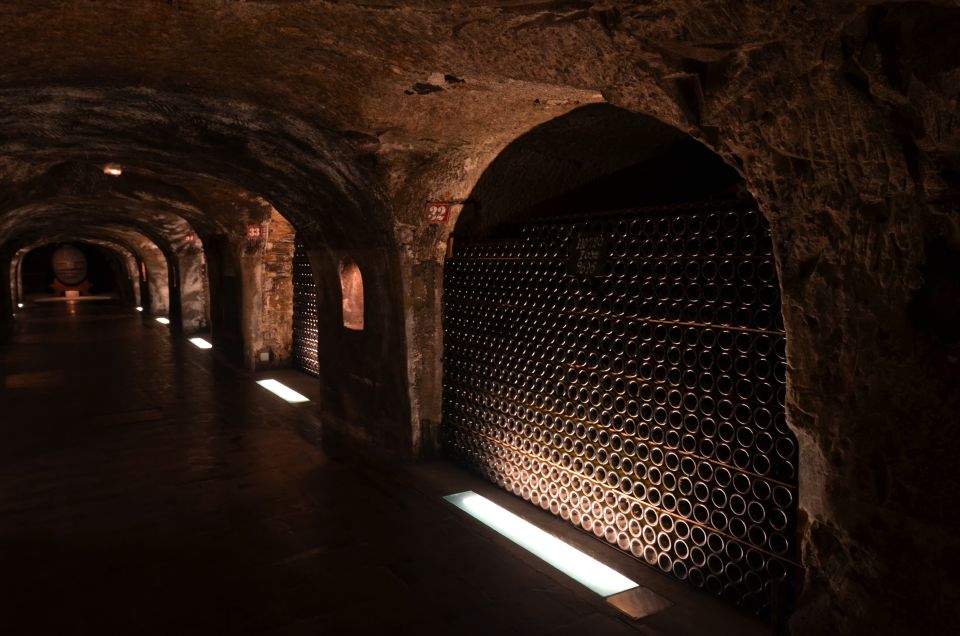
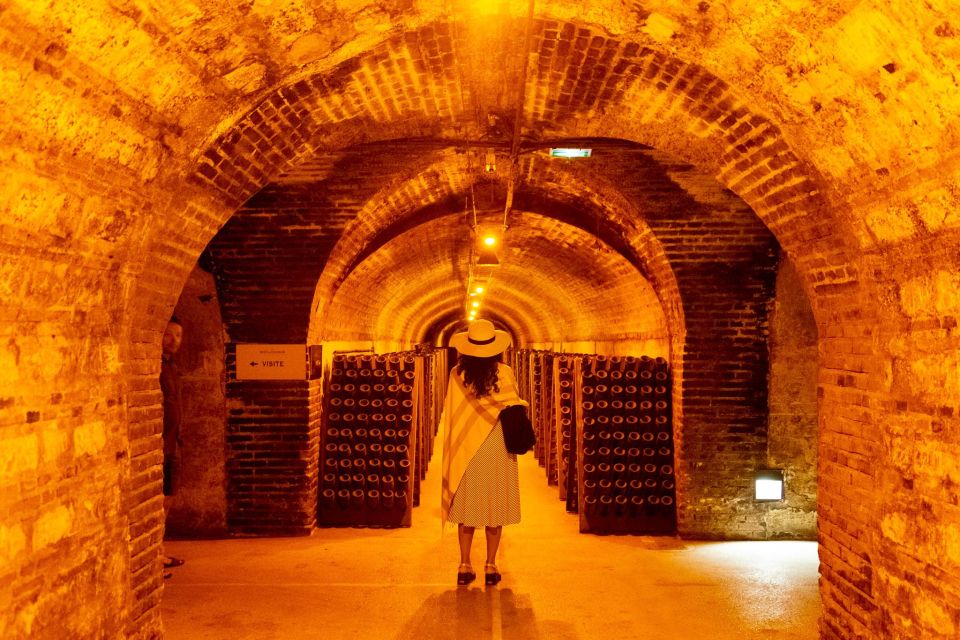
In the cellars, you’ll learn how sparkling wine is made and why traditional methods still matter. You’ll also spend time inside the underground galleries where the real work happens year-round. The practical point: cellars are usually cold and damp, often around 10°C/45°F, so bring layers. Even in summer, you’ll feel that chill—especially when you pause for photos.
What you’ll likely notice during the tasting
The tasting element isn’t just about “which one tastes better.” It’s about noticing structure: acidity, fruit character, and the feel of bubbles. The tour also sets you up for later because you’ll hear the Champagne region’s three grape names—Chardonnay, Pinot Noir, and Pinot Meunier—and what each grape tends to contribute.
If you want to get the most out of this stop, pace your notes lightly. I find it’s easy to forget what you’re tasting when you’re excited. Take a quick mental tag—crisp, round, or more red-fruit—and you’ll connect the dots when you taste again later.
The Michelin-star château lunch: a high point, but choose your expectations wisely
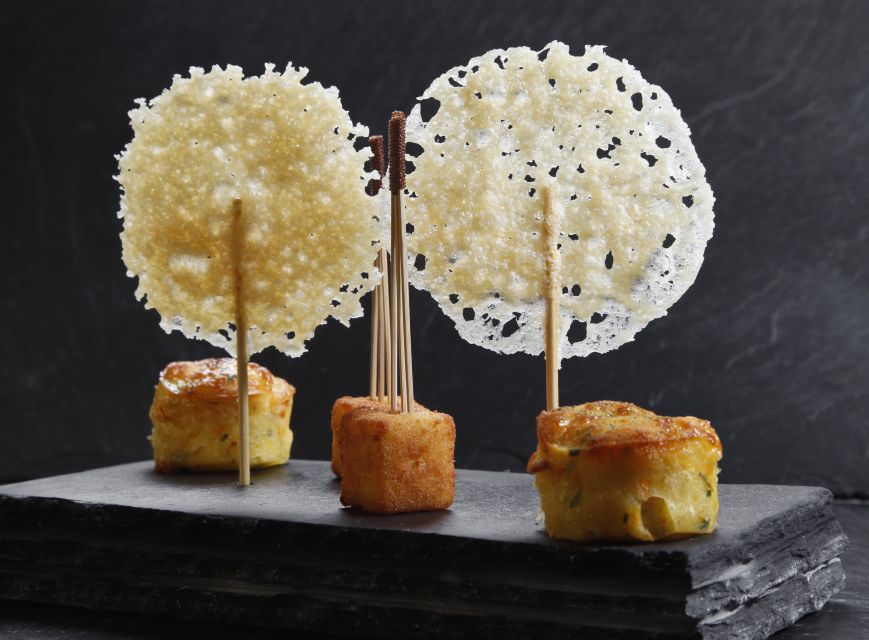
After the first winery visit and tasting, you’ll head to a local restaurant for coffee, tea, lunch, and more Champagne tasting as part of a regional-food experience. The lunch is 3 courses at a Michelin star restaurant, and it includes wine pairing when available.
The setting is part of why it feels special: you’ll eat in a château environment located inside a beautiful park. That matters more than it sounds. A good lunch stop gives you a reset before the second wine visit, and the château atmosphere makes the day feel like a destination, not just a drink stop.
That said, one caution I take seriously: a Michelin label doesn’t automatically guarantee the meal is perfect for every person’s preferences. If you care a lot about views or a certain ambiance, I’d arrive ready to focus on the food and service rather than expecting a dramatic scenery moment. The wine pairing can also swing from “wow” to “good but subtle” depending on which Champagnes are chosen for that day.
How to get the most from lunch
Eat steadily, not quickly. The tour shifts from tasting to walking and exploring (like Hautvillers later), so you don’t want to be too stuffed or too buzzed early. If you can, sip slowly during the pairing; you’ll taste better when you’re not rushing.

Scenic wine towns and grape context: making sense of what you see
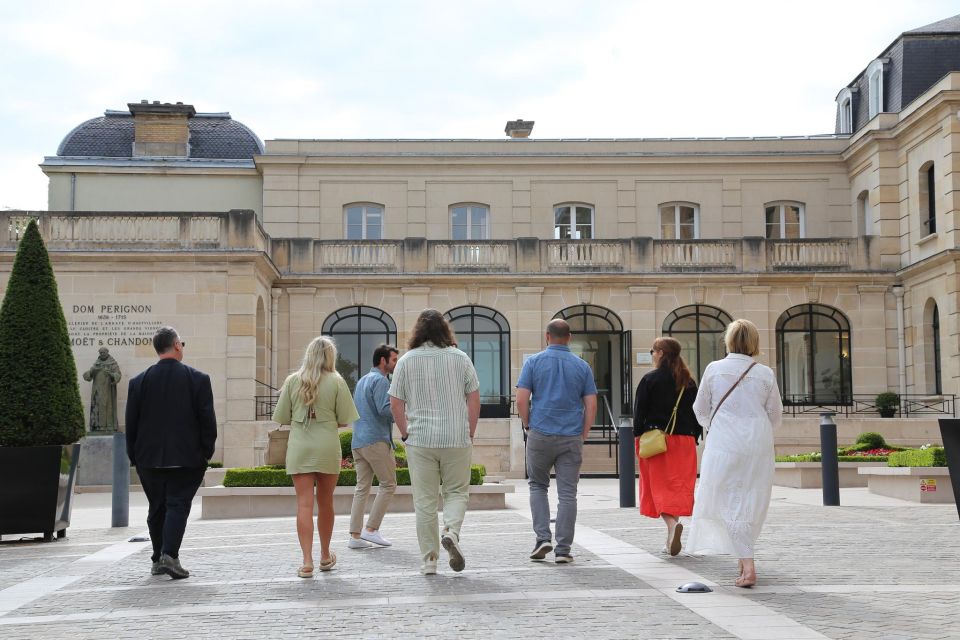
Between Reims, Ay, and Épernay, the drive is designed to connect your eyes to what you’re hearing. You’ll pass through major Champagne areas and get a clearer mental map of where things happen. For me, this is the difference between drinking Champagne and understanding Champagne.
You’ll also hear about the grapes that make the region what it is. When the guide links Chardonnay, Pinot Noir, and Pinot Meunier to the style you’re tasting, you start recognizing patterns. For example, you might notice sharper, citrusy tones feel more “Chardonnay-like,” while fruitier, rounder notes can signal other blends.
Even if you only half-listen, the grape explanation helps you taste with intention. Later, when you meet a boutique producer, you’ll know what to look for in a glass.
Hautvillers and Dom Pérignon’s abbey: more than a photo stop
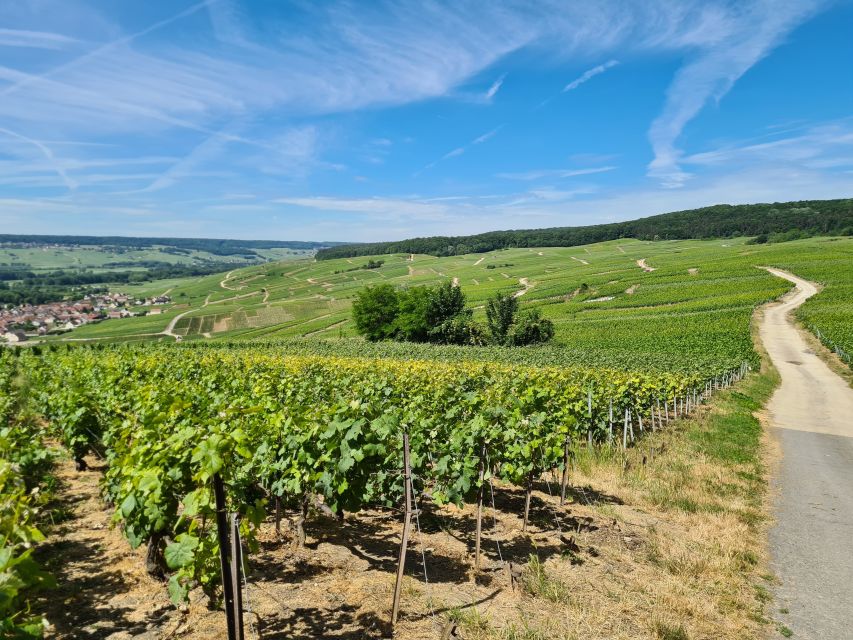
Then comes the emotional core of the day for many people: Hautvillers and the abbey connected to Dom Pérignon. This is where Champagne stops feeling like a product and starts feeling like a place with characters and stories.
You’ll visit the abbey where Dom Pérignon worked as a cellar master more than 300 years ago. That “more than 300 years” piece lands differently when you’re already thinking about production methods, aging, and the craft required to make bubbles consistent. You’re not just hearing legend; you’re walking into a setting tied to how Champagne culture formed.
Practical tip: this portion of the day sits inside a full schedule, so keep your energy. You’ll be coming off earlier tastings and a long drive. Wear shoes you can walk in comfortably, because even a short stop can involve uneven ground.
Boutique Champagne producer: why small-scale tasting feels different
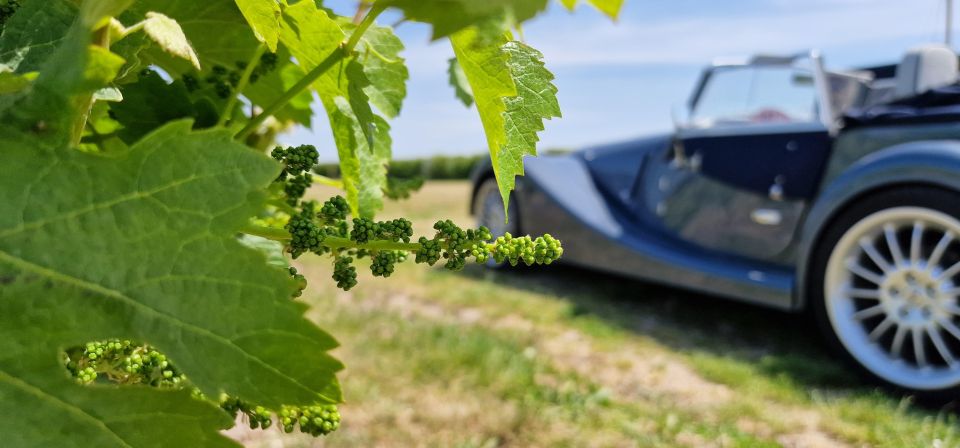
The second winery visit shifts the tone. You’re not just seeing what made the famous brands famous—you’re learning how a boutique Champagne producer approaches the same craft in a smaller, more personal way.
You get a guided tour and tasting here as well, and the day is designed so you taste multiple authentic Champagnes that you typically wouldn’t find everywhere. When the big-house stop is about heritage and big cellar systems, the boutique stop tends to feel more direct and human—more about the choices that shape flavor.
This is also where you can use what you learned earlier. If you noticed acidity or fruit character during the world-famous tasting, you can test whether those traits shift with a smaller producer’s approach. The goal isn’t to find a “better” Champagne; it’s to understand that Champagne is made from the same grapes, but the final result depends on blending decisions and production choices.
How long is the day, and where it can feel rushed
This experience runs about 11 hours. That’s not too crazy for a private Paris-to-Champagne day, but it’s long enough that you’ll want to plan your energy.
Here’s the rhythm: pickup and drive out, guided tour and tasting at the first producer, lunch with tasting, then a second guided winery visit, and finally the return drive. The tour also includes multiple stops tied to Champagne culture and the Dom Pérignon story.
The places that can feel tight are usually the transitions—moving from cellar to lunch, then lunch to village exploration. If you’re sensitive to schedule pacing, you’ll be happier if you go in with the mindset of a “full day experience” rather than expecting free time for wandering.
Price and value: what you’re paying for
At $1,584 per group, the price looks steep on paper. But Champagne tours from Paris can become expensive fast once you add private transport, pickup, expert guidance, and top-tier cellar access. What you’re buying here is convenience plus structured access.
You get:
- Hotel pickup and drop-off in Paris
- Private transportation by black car or luxury minivan
- A private driver/wine expert guide
- A freshly baked croissant
- One visit to a world-famous Champagne house with tasting
- A Michelin-star 3-course lunch with wine pairing (subject to availability)
- A second visit to a boutique Champagne house with tasting
If you and a friend split the day as a small private group, it can start to feel more reasonable—especially compared to paying separately for transfers, guided visits, and a high-end lunch. If you’re solo, you may feel the cost more sharply, because you’re paying for a private setup either way.
My take: this is best value when you want a guided, high-comfort day with access to producers that you’d struggle to arrange on your own from Paris.
Comfort checklist: what to bring for cellars and château stops
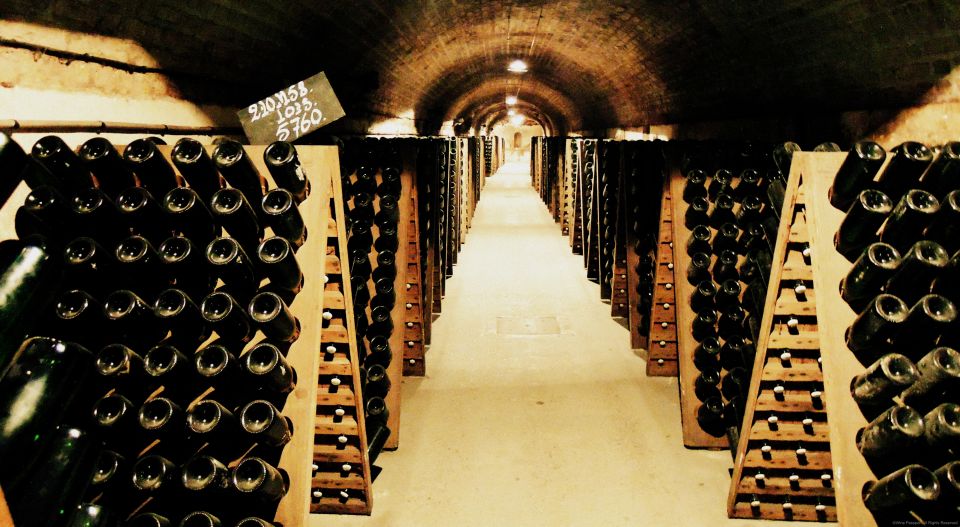
You’ll be in and out of cold, damp underground galleries and also walking around charming historical areas. Don’t underestimate the comfort details.
Bring:
- Comfortable shoes (some areas involve lots of stairs)
- Warm layers for cellars (around 10°C/45°F)
- A light jacket even in warmer months, because the cold hits fast underground
And one more important note: this tour is not wheelchair accessible due to stairs to access underground galleries. If mobility is a concern, you’ll want to look for an alternative format that reduces steps.
Language and guide style: Spanish, English, or French
The live guide can be Spanish, English, or French. That matters because wine tours depend on clarity. When the grape story, production steps, and tasting guidance come through well, you can taste with understanding instead of guessing.
In one account I found especially memorable, the driver named Joel stood out as amazing. That kind of competent, calm presence really improves the day—especially when you’re moving between several stops and tastings.
Should you book this Champagne tour?
Book it if you want a structured, high-end Champagne day from Paris that mixes big-name cellar access with boutique tasting, plus a Michelin-star lunch experience tied to the château setting. This is a great fit when you’d rather spend your time tasting and learning than planning transport and booking multiple stops.
Think twice if you strongly dislike long schedules or hate cold, damp cellar environments. Also, if you’re very sensitive to the ambiance of the lunch setting and service pace, ask questions before you go so your expectations match what you’ll likely get on the day.
If you fit the sweet spot—comfortable walking, curious about Champagne making, and happy to spend an entire day in wine country—this tour is the kind of outing that turns a simple glass into a whole storyline.
FAQ
How long is the Champagne tour from Paris?
It lasts 11 hours total.
Do I get hotel pickup and drop-off in Paris?
Yes, pickup from your hotel in Paris and drop-off are included.
What type of transportation is used?
You travel by private black car or a luxury minivan.
Which Champagne houses might be visited?
The tour can visit one of several top producers depending on availability, such as Ruinart, Bollinger, Moët & Chandon, or Veuve Clicquot.
Is lunch included, and is it Michelin star?
Yes. You’ll have a 3-course lunch in a Michelin star restaurant with wine pairing (subject to availability).
Is there more than one Champagne tasting?
Yes. You’ll have tasting time at a world-famous Champagne house and also tasting at a boutique Champagne house. Lunch also includes Champagne tasting.
Will I learn about the Champagne grapes?
Yes. The tour covers the three grapes of the region: Chardonnay, Pinot Noir, and Pinot Meunier.
Is the tour accessible for wheelchair users?
No. It is not wheelchair accessible because there are many stairs to reach the underground galleries.
What should I wear or bring?
Wear comfortable shoes. Bring warm clothes for the cellars, which are usually cold and damp (around 10°C/45°F).