REVIEW · PARIS
From Paris: Normandy Landing Beaches D-Day Tour by Minibus
Book on GetYourGuide →Operated by ParisCityVision · Bookable on GetYourGuide
D-Day starts miles from Paris. This full-day trip along the Normandy coast turns famous WWII names into real places you can stand near, look at, and understand. I especially like the stop at the American Cemetery in Colleville, and I like that you stay in a capped 15-person group that makes the guide’s explanations actually land.
One thing to plan for: it’s a long day, and lunch isn’t included, so you’ll want to be ready with a simple plan for food and water. If you’re sensitive to war themes, go in with eyes open—this is an emotional route.
In This Review
- Key highlights you’ll feel all day
- How the Paris-to-Normandy Day Works (and Why Timing Matters)
- Longues sur Mer German Battery: Seeing the Atlantic Wall from Ground Level
- American Cemetery in Colleville: The Visit That Changes the Tone of the Day
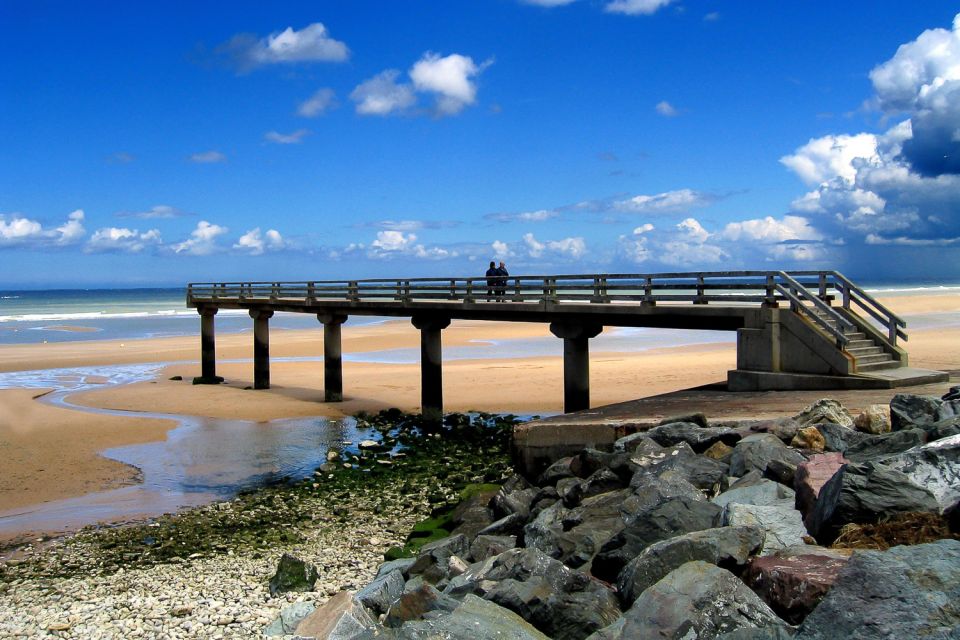
- Omaha Beach: Bloody Landings and a Planned Pause Before Lunch
- Arromanches Artificial Harbor Ruins: Engineering Built in Less Than 15 Days
- Juno Beach and the Atlantic Wall Remains: The Guided Coastline Walk
- Price and Value: Is $204 Worth It for This Normandy Route?
- Who This Tour Suits Best (and Who Should Think Twice)
- Should You Book This Paris to Normandy D-Day Minibus Tour?
- FAQ
- How long is the Normandy D-Day tour?
- What is the meeting point in Paris?
- Where does the tour end?
- Is lunch included?
- Does the tour include transportation from Paris?
- How many people are in the group?
- What languages are available for the live guide?
Key highlights you’ll feel all day
- Small-group flow (max 15 people) keeps the pace practical and questions possible
- American Cemetery in Colleville with 9,386 resting soldiers and a 2007 Visitor Center
- Omaha Beach for a quiet moment after seeing what happened there
- Arromanches harbor ruins showing the Allies’ engineering built in less than 15 days
- Longues sur Mer Atlantic Wall battery for the German-side perspective
- Juno Beach Atlantic Wall remains with a guided walk through the remains
How the Paris-to-Normandy Day Works (and Why Timing Matters)
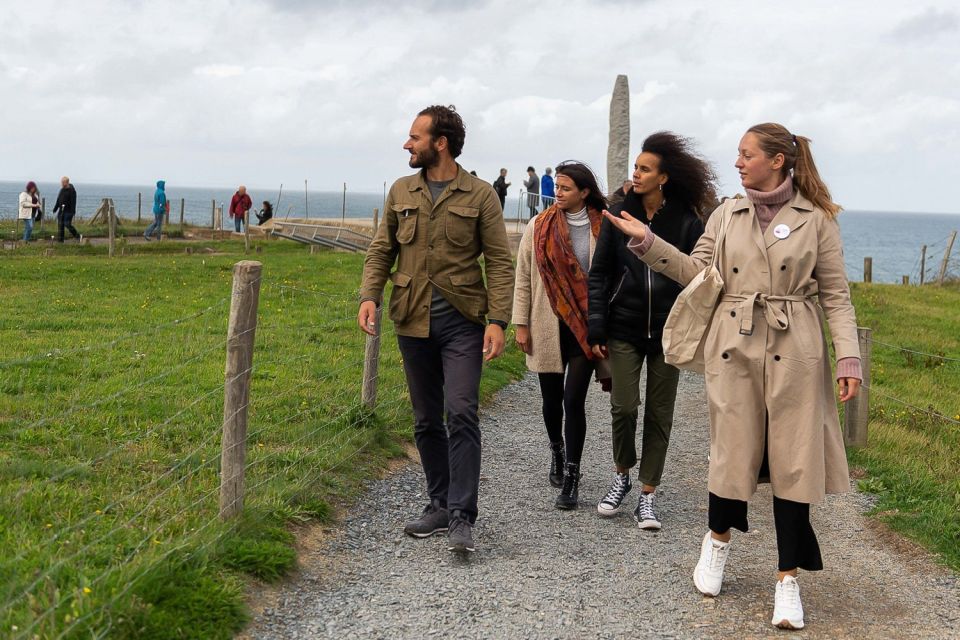
This is a 12-hour full-day loop that runs by minibus, starting in Paris and returning to the same meeting spot. You’ll meet the guide in front of Hotel Pullman Tour Eiffel, then head west across France toward Normandy. If you choose optional hotel pickup, it’s from your Paris hotel—but the pickup time listed on your voucher is approximate and can shift by up to 30 minutes with traffic.
The group stays small—up to 15 participants—which matters more than it sounds. On a day like this, you don’t want to spend your energy herding people or waiting on big bus logistics. You want time for the guide to explain what you’re looking at and for you to look long enough to get your bearings.
You’ll also want to pack for the reality of being on your feet. Bring comfortable shoes and sunglasses. Pets aren’t allowed, and you shouldn’t bring luggage or large bags—plan to travel light so boarding and storage stay easy.
You can also read our reviews of more tours and experiences in Paris.



Longues sur Mer German Battery: Seeing the Atlantic Wall from Ground Level
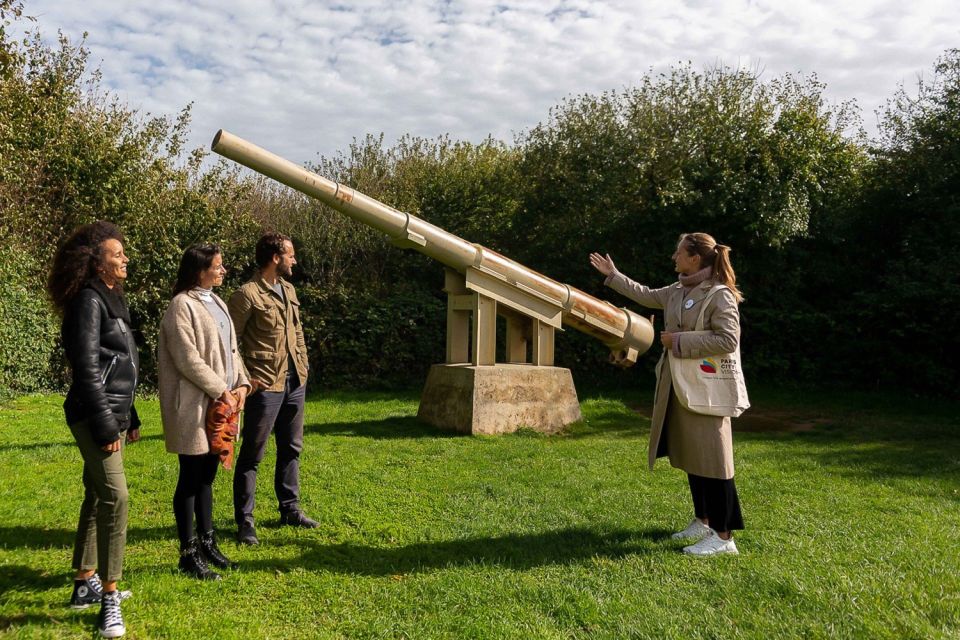
One of the most useful stops comes early: the German battery at Longues sur Mer, part of the Atlantic Wall defense system. If you only know D-Day as an “Allies arrived here” story, this stop widens the picture fast. You’ll be looking at a fixed, hardened defensive position—exactly the kind of place that made landing operations so difficult and costly.
What’s valuable about this stop is the context. You’re not just looking at stone and metal. You’re seeing the purpose-built opposition along the coast. The battery setting also helps you understand why the coastline mattered so much—angles, sightlines, and how defenders could cover approaches.
A practical note: this kind of site often means walking on uneven ground. Wear shoes that handle coastal paths and don’t plan on needing a long sit-down break.
American Cemetery in Colleville: The Visit That Changes the Tone of the Day
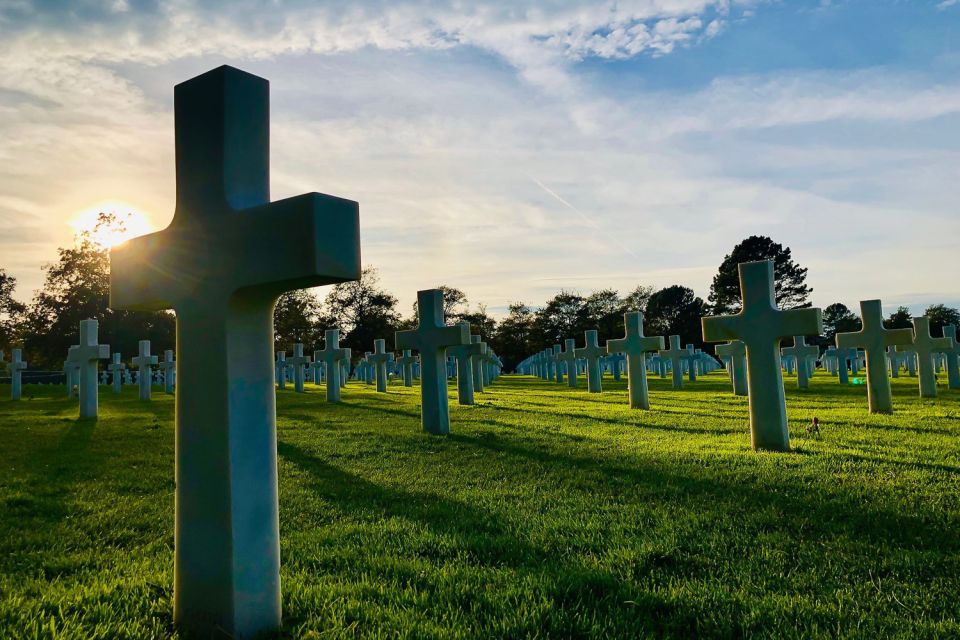
The day’s emotional anchor is the American Cemetery in Colleville. This place holds the remains of 9,386 soldiers, and the layout is designed to make the human scale unavoidable. Even if you know the facts, standing in a cemetery like this hits differently than reading about it.
You’ll also have time connected to the Visitor Center created in 2007, which helps you connect the landings to the wider operations. That matters because D-Day wasn’t one moment—it was planning, movement, supply, and decisions stretched across days and weeks. The Visitor Center gives you a calmer way to absorb the story before you move back out to the shoreline sites.
The best part here is that the cemetery gives your brain a chance to slow down. You’ll likely feel the day shift from “seeing history” to “honoring people.” This is the stop where the tour’s guided explanations are most likely to stay with you after the bus ride ends.
Omaha Beach: Bloody Landings and a Planned Pause Before Lunch
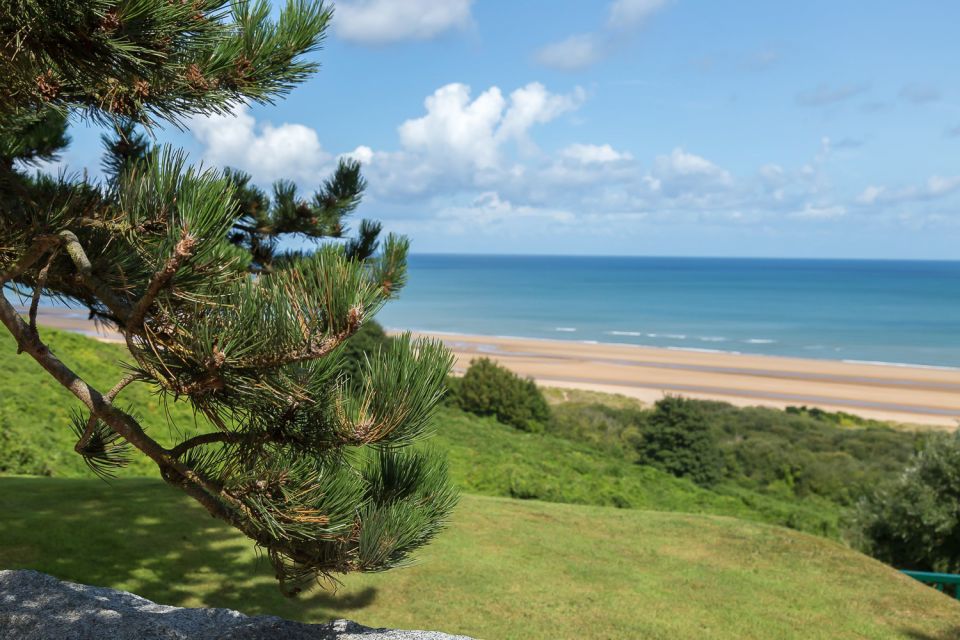
From the cemetery, you continue toward Omaha Beach, known for some of the bloodiest fighting during the D-Day landings. This is one of those places where the coast looks familiar but the history is anything but ordinary. The shore gives you a strong mental picture of distance and exposure—two words that shaped the entire landing reality.
The tour also builds in a quiet moment. You’ll spend time contemplating what happened there before you head for lunch. That “before lunch” pacing isn’t random. It helps you avoid the common mistake of rushing the shoreline, then eating like it’s just another stop. Here, the tour nudges you to take the moment seriously first.
You should expect you’ll spend time looking, not sprinting. Bring patience and give yourself the gift of standing still for a minute or two. If you’re tempted to take quick photos and move on, try slowing down instead. This coast doesn’t reward speed.
Arromanches Artificial Harbor Ruins: Engineering Built in Less Than 15 Days
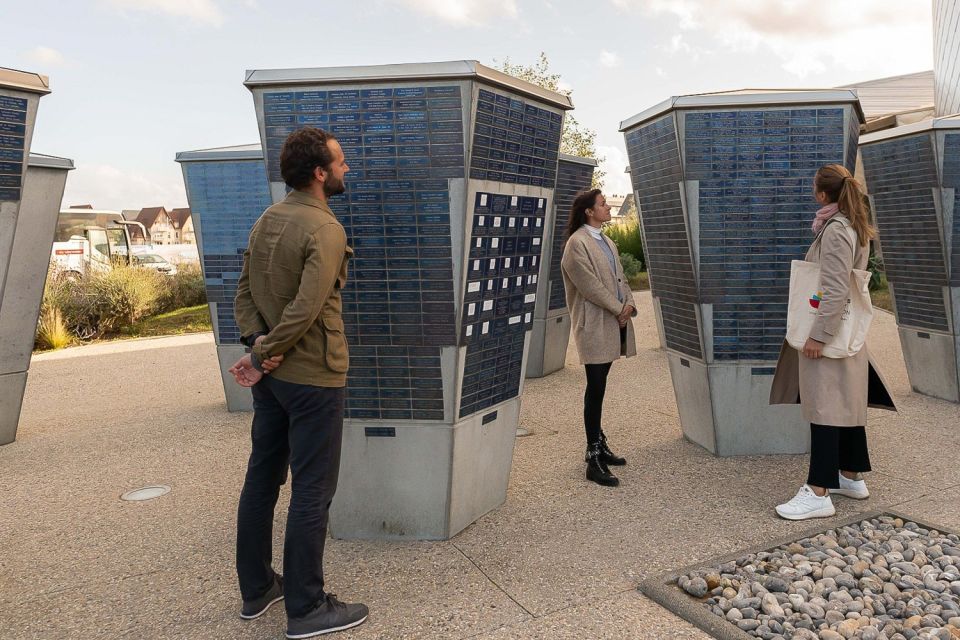
In the early afternoon, you’ll reach Arromanches, and the centerpiece is the ruins of the artificial harbor built by the Allies in less than 15 days. This stop is fascinating because it flips the usual D-Day focus. You’re not just seeing where troops fought—you’re seeing the logistics side that kept the operation alive.
The harbor ruins also show something important for your understanding: the landing wasn’t a one-day event. To move men, vehicles, and supplies onto the beaches, the Allies needed engineering solutions fast. Arromanches is where that reality becomes visible.
Look around the area and you’ll likely get why this site is such a strong complement to Omaha Beach. Omaha teaches you about confrontation. Arromanches teaches you about sustainment—the behind-the-scenes effort that allowed the battle to keep going.
A practical tip: coastal air can be breezy even on good days. Sunglasses help. Comfortable shoes matter again, because you’ll want to move carefully along the shore.





Juno Beach and the Atlantic Wall Remains: The Guided Coastline Walk
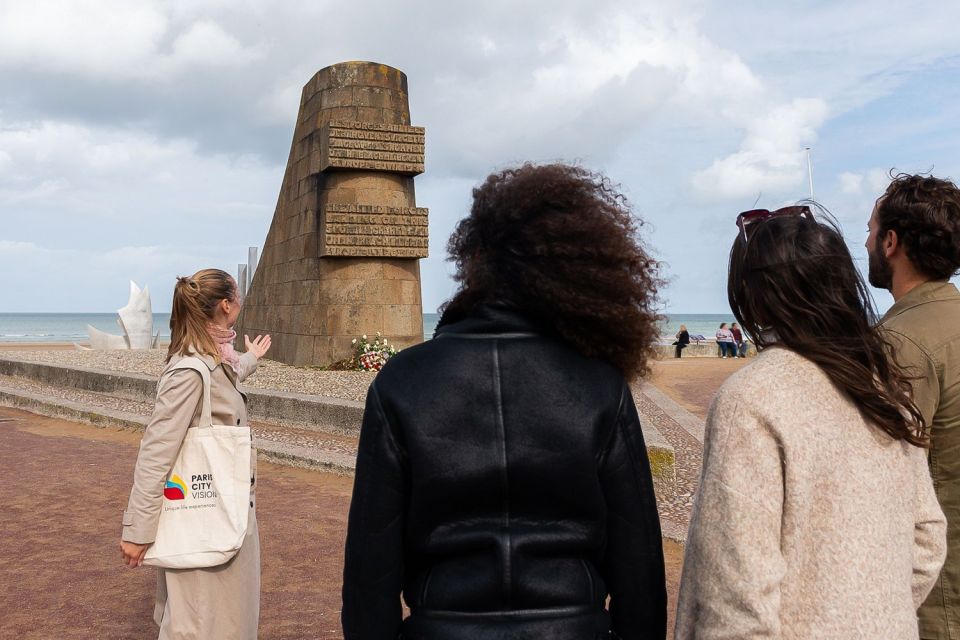
As the tour returns along the coast past Gold Beach, you’ll continue to Juno Beach. Here, you get a guided look at the remains of the Atlantic Wall. This part is valuable because it ties the day together. Earlier you saw the German battery at Longues sur Mer; now you’re looking at more remnants along the coast, helping you recognize how the defense line formed a system, not random structures.
This is also a good late-day stop for perspective. By the time you reach Juno, you’ve already absorbed the American Cemetery and the Omaha Beach focus, plus the Arromanches logistics story. The Atlantic Wall remains become easier to interpret as the tour guide connects what you’re seeing to the broader defensive strategy.
Just remember: a “guided walk” means you’ll likely be standing and moving more than you expect. Again, shoes with good grip are the move.
Price and Value: Is $204 Worth It for This Normandy Route?
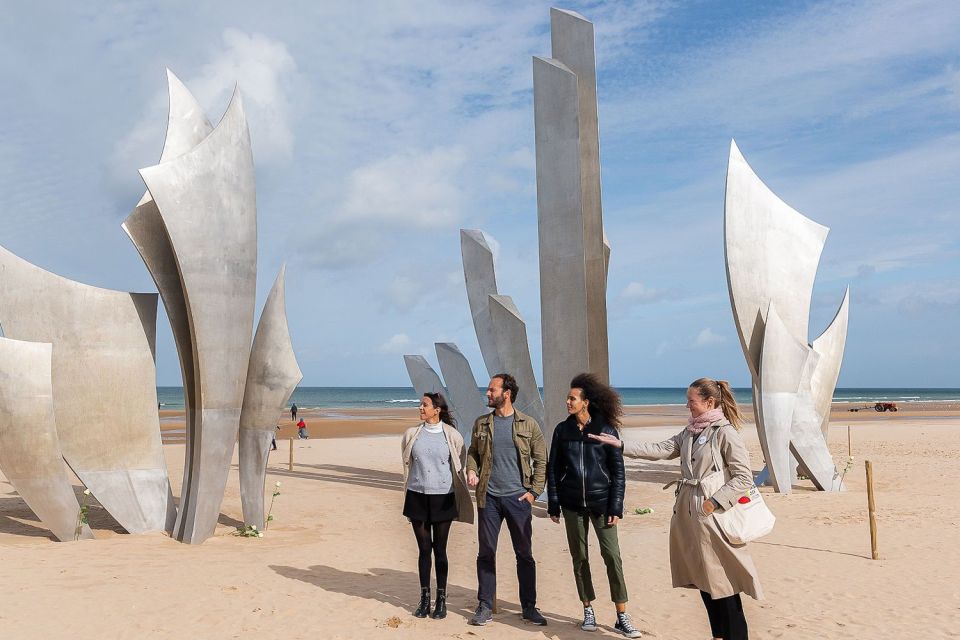
At $204 per person, you’re paying for a full-day, guided D-Day route from Paris with round-trip transportation and a live guide (English and Spanish). The price is more about time-saving and interpretation than about comfort. Normandy isn’t close, and a day like this can chew up your energy if you’re trying to assemble transport, timing, and explanations on your own.
Here’s what you’re getting for the money, based on what’s included:
- Guided tour at multiple key sites
- Round-trip transportation from the Paris meeting point
- Access to emotionally and historically significant stops, including the American Cemetery and key coastal points
What’s not included is lunch, so you’ll want to plan for food on your own. That’s a small downside, but it’s also an easy one to solve—bring water, and budget for a simple meal near the route when the tour breaks.
Also, note the group size. Small group (15 max) is often the difference between a tour that feels like a lecture and one that feels like a guided conversation you can actually hear. In this case, that matters because many of the sites benefit from careful explanation.
If you want D-Day context without the hassle of driving and coordinating between multiple sites, this price can feel fair.
Who This Tour Suits Best (and Who Should Think Twice)
This tour fits best if you:
- Want a one-day Normandy plan that covers several major WWII coastal and cemetery stops
- Appreciate a structured route with guided explanations
- Prefer small-group travel rather than huge crowds
- Are okay with the emotional weight of a cemetery and battlefield sites
You might want to think twice if:
- You’re strongly sensitive to war themes and need extra time to process
- You don’t enjoy long days on the road (you’re out for 12 hours)
- You’d rather spend more time somewhere specific than keep moving along a full route
It’s also worth mentioning what’s not allowed: pets and large bags. So if you’re traveling with lots of gear, plan to travel light.
Should You Book This Paris to Normandy D-Day Minibus Tour?
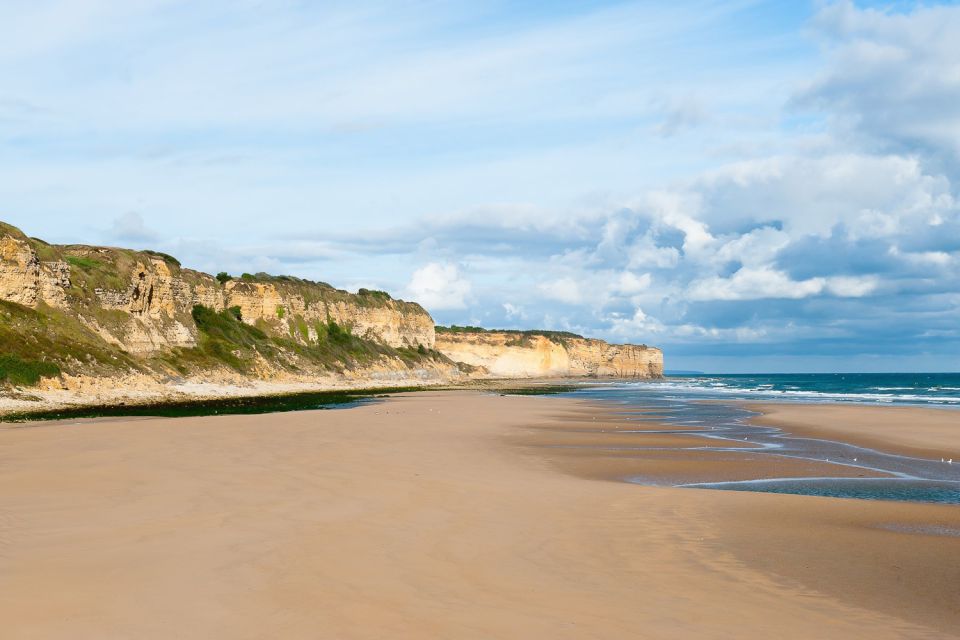
If you’re coming from Paris and you want one well-paced day that connects the main places—Longues sur Mer, the American Cemetery in Colleville, Omaha Beach, Arromanches harbor ruins, and Juno Beach—this is a strong choice. The small-group format, the guided explanations in English or Spanish, and the thoughtful pacing (including time for reflection) are the biggest reasons to book.
I’d book it if you want less logistics stress and more meaning per hour. I’d skip it only if you know you need more than a single day to absorb this kind of history, or if a long bus day and emotional stops will be too much.
FAQ
How long is the Normandy D-Day tour?
The tour duration is 12 hours.
What is the meeting point in Paris?
You meet the representative with your voucher in front of Hotel Pullman Tour Eiffel.
Where does the tour end?
The tour ends back at the meeting point (Hotel Pullman Tour Eiffel area).
Is lunch included?
No, lunch is not included.
Does the tour include transportation from Paris?
Yes. The tour includes round-trip transportation from the meeting point, and hotel pickup is optional.
How many people are in the group?
It’s a small group limited to 15 participants.
What languages are available for the live guide?
The live tour guide speaks Spanish and English.