REVIEW · PARIS
Rigoletto at the Jacquemart-André Museum
Book on Viator →Operated by Opera a Palazzo · Bookable on Viator
One evening in a museum changes how opera lands. This Paris show turns Rigoletto into a close-range drama in Édouard and Nélie Jacquemart’s salons, not a distant stage. The setting alone makes you sit up and pay attention fast.
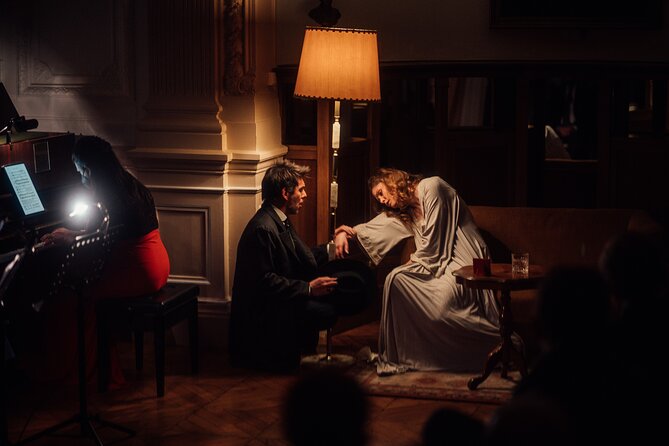
I love the intimacy: you’re physically close to the baritone, soprano, tenor, and bass, with staging that brings performers into the audience. I also like the structure, which keeps things lively with breaks and a smaller cast so first-time opera-goers don’t feel lost.
The main drawback is comfort: some spaces have limited seating, and you may need to plan for standing in parts of the evening. If you want guaranteed good sightlines, aim to get closer earlier.
In This Review
- Key things that make this Rigoletto at Jacquemart-André special
- Rigoletto at 8:30 pm in a museum, not a theater
- The intimate staging that makes this Rigoletto easier to follow
- Step into Jacquemart-André’s salons during a private museum moment
- Champagne at intermission: the practical luxury of a pause
- The cast and music: who you’ll hear and how the sound works
- Room-by-room realities: seating, sightlines, and standing time
- Who this is best for (and who should think twice)
- Price and value: what you’re paying for at $348.07 per person
- Getting there: transport-friendly but plan your arrival
- Should you book Rigoletto in the Jacquemart-André Museum?
- FAQ
- What time does the Rigoletto experience start?
- How long is the experience?
- Is the performance available in English?
- Do I get admission to the museum as part of the experience?
- Is Champagne included?
- Is there a mobile ticket?
- How soon will I receive confirmation after booking?
- What is the cancellation policy?
Key things that make this Rigoletto at Jacquemart-André special
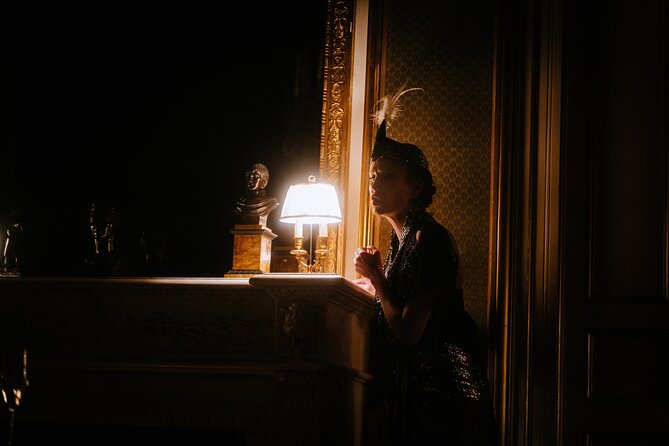
- Opera in museum salons, with the story unfolding right where the art and décor live
- Champagne at intermission, plus a pause that keeps the evening relaxed
- Close-up singers with few characters, so you catch facial emotion and pacing
- A trio of musicians (piano, violin, cello) supporting the score
- Staging that alternates sitting and standing, including moments where singers mix with the audience
Rigoletto at 8:30 pm in a museum, not a theater
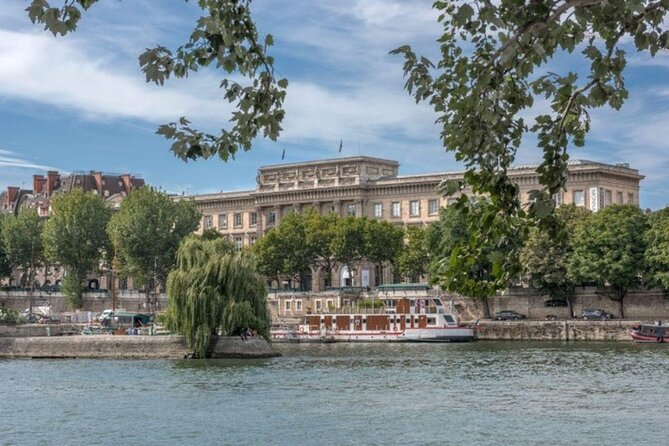
This is an evening experience that starts at 8:30 pm, which is a nice rhythm for Paris. You get your dinner plan earlier, then you slide into an opera performance where the mood already feels elegant before the first note.
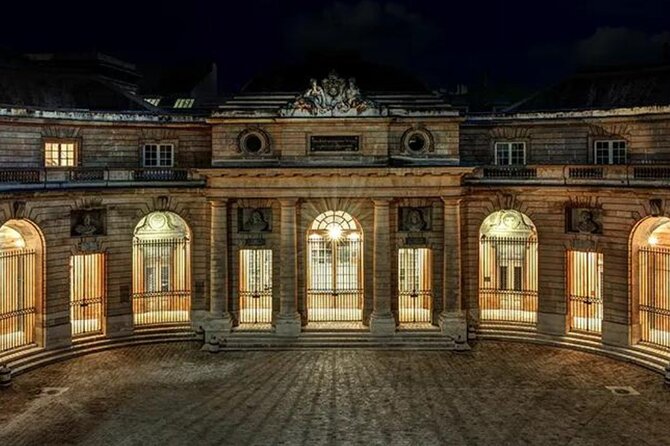
Instead of rows and distance, you’re in the Jacquemart-André Museum’s first-floor salons. That matters because Rigoletto is emotional. Betrayal, fear, and love hit harder when you can see the performers clearly and feel the room’s quiet attention.
It also helps that the show is offered in English. Even if you know opera well, it’s comforting to catch the story without doing extra decoding in your head.
You can also read our reviews of more museum experiences in Paris


The intimate staging that makes this Rigoletto easier to follow
This production focuses on the main roles—Rigoletto, Gilda, the Duca di Mantova, Sparafucile, and Maddalena—so you get a clear line through the drama. The staging is imagined for a smaller, more personal room, with the singers often close enough that you notice gestures, not just voices.
What I find especially smart is the way the pacing is built around the museum setting. Expect an alternation between moments where you sit to follow key parts of the story, and other moments where performers stand and interact with people nearby. That design also makes the evening feel less like a rigid performance and more like you’re part of what’s happening.
The performance is also supported by a small trio of musicians—piano, violin, and cello. In a big theater, you can lose subtlety under the scale. Here, the sound feels more direct, which supports the emotional turns in Verdi’s drama.
Step into Jacquemart-André’s salons during a private museum moment
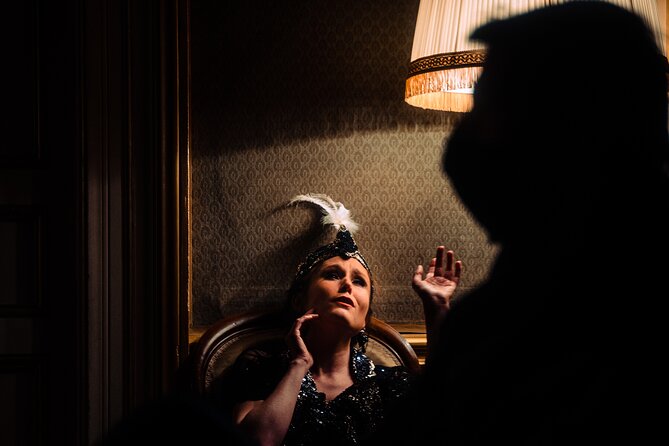
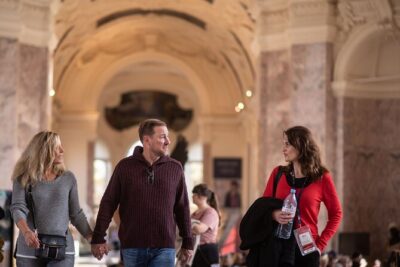
Before the opera fully takes over the room, you’re offered an exclusive chance for a private tour of the museum’s prestigious permanent collection in the salons on the first floor. This is one of the strongest reasons to book, even if you consider yourself only a casual opera fan.
The museum spaces are built for conversation and art-watching: think salons, private living rooms, and major artworks that feel meant for slow looking. That changes your evening. You arrive expecting opera, then you realize you’re also getting a high-quality museum visit in a setting that’s usually less about being rushed.
And because this event is structured around the museum environment, you’re not just touring before the show and then disappearing. You’re inside the experience the whole time—art first, then opera threaded through the same rooms.
Champagne at intermission: the practical luxury of a pause
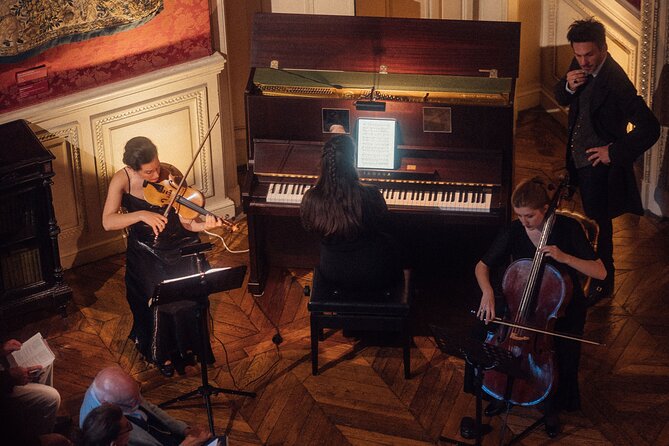
Yes, there’s a glass of Champagne at intermission. It’s not just a nice perk. A pause is useful here because the show runs about 3 hours and the staging includes moments that can require standing.
That break helps you reset without leaving the room. It also gives you time to reposition yourself for better sightlines before the next act begins. If you’ve got questions in mind—about what you’re seeing, about the story, about how the museum rooms connect to the staging—intermission is when the evening becomes conversational.
A small note from past experiences: some people wished the Champagne moment came with a little something extra, so if you’re prone to snack-before-opera habits, you might want to eat well beforehand.
The cast and music: who you’ll hear and how the sound works
The show is built around five principal roles: Rigoletto (baritone), Gilda (soprano), the Duca di Mantova (tenor), Sparafucile (bass), and Maddalena (mezzo-soprano). That lineup is intentionally tight, which makes it feel like a concentrated version of opera rather than a full-company spectacle.
The music is performed live by a trio—piano, violin, and cello—which keeps the sound focused and intimate. In a smaller room, a smaller ensemble can feel clearer. You’re more likely to notice phrasing and dynamics, not just overall volume.
This matters because Rigoletto is all about psychological pressure. The “small” details—how a line lands, how a character’s intensity changes—are easier to catch when the performers aren’t swallowed by stage space.





Room-by-room realities: seating, sightlines, and standing time
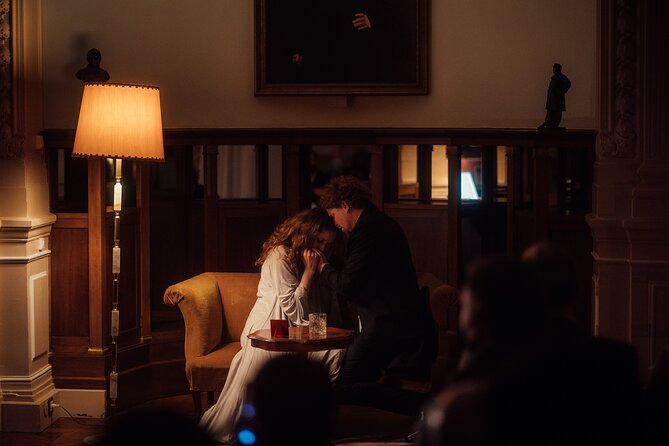
This is where you should pay attention before you buy. Some seating is available, but the layout can vary by room. In at least one main area, it can feel crowded and tough to see unless you’re positioned well.
If you’re short on patience for standing, plan on moving strategically. Try to choose your spot early, and expect that parts of the staging may require standing rather than constant sitting.
One more practical consideration: lighting for the later parts of the evening may not be as bright as you’d like for the final act. You won’t miss the story, but if you care a lot about seeing every visual detail, sit where visibility feels best and keep your expectations aligned with the intimate format.
Who this is best for (and who should think twice)
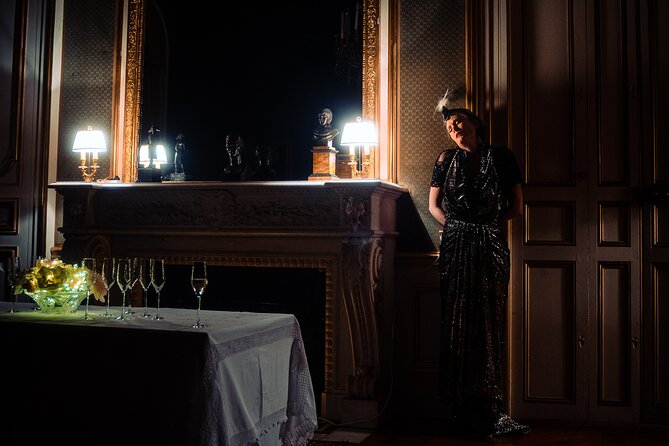
This experience is ideal if you want opera in a way that feels human-sized. I’d point you here if:
- You’re a first-time opera-goer and you like the idea of a smaller, easier-to-follow cast
- You enjoy art settings and want an event that feels like more than just a show
- You value close listening and clearer emotional acting over grand spectacle
You might think twice if:
- You need lots of guaranteed, comfortable seating for the whole evening
- You’re expecting a huge theater-style production with lavish staging from start to finish
- You want a long, guaranteed post-show interaction with performers (the show schedule may not always deliver the meet-and-greet timing exactly as some printed materials suggest)
Price and value: what you’re paying for at $348.07 per person
At $348.07 per person, this isn’t a casual add-on. The value only makes sense if you’re buying the whole package: opera plus museum access plus a very personal performance setup.
Here’s what you’re getting for that price:
- A ticket that includes entry to the opera experience
- A private tour of the museum’s permanent collection in the first-floor salons
- Champagne at intermission
- An intimate production with live music from a trio and a main cast that stays focused
So the question isn’t just whether the opera is expensive. It’s whether you want opera where the room is part of the drama. If you love Paris museums, enjoy close-up performance, and want something different from the standard theater circuit, the price can feel justified.
If you mostly want a traditional, seated theater experience with big-scale staging, you may find the cost harder to swallow because this show trades scale for closeness.
Getting there: transport-friendly but plan your arrival
The meeting point is near public transportation, so getting to the museum should be straightforward. Still, because this is a tight, scheduled evening format that starts at 8:30 pm, you’ll want to arrive in a calm window rather than sprint in at the last minute.
Bring a mindset of flexibility. The experience is not designed around perfect, theater-style comfort at every moment. If you show up ready to enjoy the setting and adjust to room layouts, you’ll have an easier time.
Also consider what to wear. One recurring piece of feedback was about people not respecting the organizer’s request for evening wear in such a prestigious venue. If you’re deciding between smart and casual, go smarter. It helps you blend in with the museum mood.
Should you book Rigoletto in the Jacquemart-André Museum?
Book it if you want opera that feels close and personal, with real museum spaces doing more than acting as a backdrop. I’d especially recommend it if you care about atmosphere, art, and storytelling you can follow without needing a full theater production.
Skip or compare first if seating comfort matters more than intimacy. The structure can include standing time and crowded conditions, and the final act may be dimmer than you’d like depending on where you end up.
If you’re somewhere in the middle, this is a strong “yes” for most people: the show’s focus on the main roles, the small ensemble, and the museum’s elegant rooms create a combination that doesn’t really exist elsewhere in Paris.
FAQ
What time does the Rigoletto experience start?
It starts at 8:30 pm.
How long is the experience?
It lasts about 3 hours.
Is the performance available in English?
Yes, it is offered in English.
Do I get admission to the museum as part of the experience?
Yes. Admission Ticket Included, including a private tour of the permanent collection in the salons on the first floor.
Is Champagne included?
Yes. You receive a glass of Champagne at intermission.
Is there a mobile ticket?
Yes, the experience uses a mobile ticket.
How soon will I receive confirmation after booking?
Confirmation is received within 48 hours of booking, subject to availability.
What is the cancellation policy?
Free cancellation is available. You can cancel up to 24 hours before the start time for a full refund.