REVIEW · PARIS
Private One Way Transfer frm Railways Station to Hot in Paris 1-3
Book on Viator →Operated by France by cab · Bookable on Viator
Your arrival should be the easiest part. This private ride takes you straight from the platform to your hotel, with a driver who helps you handle luggage and finds you fast. You’ll also get a bit of Paris scenery during the drive rather than arriving stressed and stuck in the wrong line.
I like two things right away: the pickup process is very specific (platform start + nameplate), and you get a door-to-door transfer without hauling bags across stations. The other win is the value when you split it among up to three passengers—you’re buying relief, not just transportation. One consideration: your hotel has to be in the Paris area covered by the rule that the destination postal code starts with 75 or 92.
In This Review
- Key things to know before you go
- From the Platform to Your Hotel Door in 30–45 Minutes
- Private One-Way Means Fewer Moving Parts
- How the Pickup Works at Paris Stations (And Why It’s Helpful)
- Jumping Past Taxi Lines Without Losing Time
- The Drive: A Little Sightseeing Without the Work
- Where This Works Best: Hotel Location Rules (75 or 92)
- Price and Value: When $89.36 Makes Sense
- Car Comfort and Luggage: Fit Matters on Arrival Day
- Language and Problem-Solving on the Spot
- Who Should Book This Transfer?
- Should You Book This Private Arrival Transfer?
- FAQ
- How long is the private transfer from the train station to the hotel?
- How many passengers and bags can this transfer accommodate?
- Where will the driver meet me at the train station?
- What do I need to do to find the driver quickly?
- Is the hotel location limited?
- What’s included in the price?
- Do I need a ticket on my phone?
Key things to know before you go

- Platform pickup with a nameplate: the driver meets you at the beginning of the platform, not somewhere deep in the station.
- Up to 3 passengers and 3 baggages: the car size is planned around that limit.
- 30 to 45 minutes typical travel time: built around the drive to your hotel area.
- Hotel in Paris (not the outer suburbs): postal codes must start with 75 or 92.
- Bottled water included: a small touch that helps right after trains.
- Light sightseeing during the ride: you’ll see Paris on the way, not just through a back-seat window.
From the Platform to Your Hotel Door in 30–45 Minutes
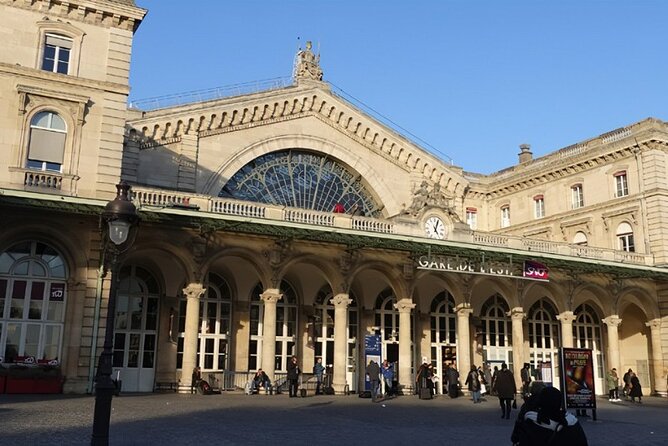
This is a simple service with a clear goal: get you out of the station and into your hotel quickly. The ride is scheduled for about 30 to 45 minutes, depending on which station you start from and where your hotel sits inside the covered area. That time window matters because Paris can be slow when you’re tired and overloaded with luggage.
The big “why this is worth it” is what happens right after you step off the train. Instead of navigating station corridors, taxis, and confusing pick-up zones, you move straight from platform to car. It’s the kind of transfer that helps you start your trip on stable ground—less searching, fewer wrong turns, more check-in.
You can also read our reviews of more private tours in Paris



Private One-Way Means Fewer Moving Parts

This is a private, one-way transfer for just your group. That means you’re not sharing the ride with strangers, and you’re not getting slowed down by extra stops. It also means the driver can focus on your luggage and your arrival needs.
The group limit is important: up to 1–3 passengers and 3 baggages. If your group is right at the cap, this stays comfortable. If you’re traveling with more luggage than that, you’ll want to adjust plans early, because the service is specifically sized for that amount.
Also, you’re getting a mobile ticket, so you should expect your confirmation details to connect to your phone. That’s usually handy on travel days when you don’t want to hunt for paper.
How the Pickup Works at Paris Stations (And Why It’s Helpful)
The pickup instructions are clear, which is rare in busy places like major rail stations. The driver meets you at the beginning of the platform and uses a nameplate with your details. You’re asked to stay at the start of the platform and not wander into the station trying to “find an exit.”
This is exactly the right approach when stations get crowded. If you’ve ever had the moment where you’re staring at tracks, hoping your driver can guess which way you walked, you’ll appreciate the “stay at the beginning” rule. It reduces confusion for everyone and helps the driver locate you quickly.
You’ll also want to double-check the station you’re arriving at and your final hotel details. The service asks you to indicate your final destination in Paris, which helps the driver match you with the correct run and route.
Jumping Past Taxi Lines Without Losing Time
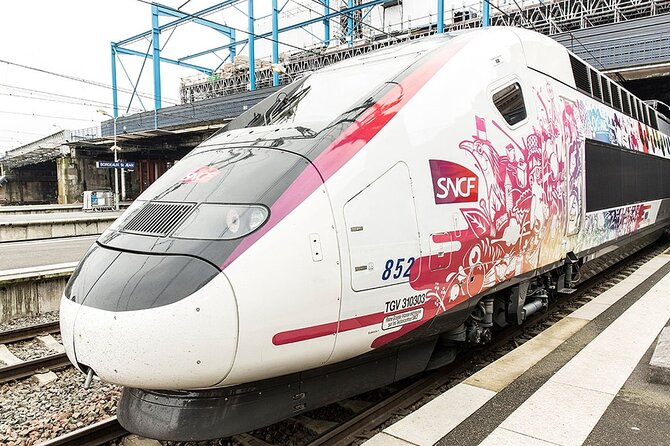
Paris taxi lines can be long at arrival time, especially at big stations. The value here is that you avoid the uncertainty of waiting, and you don’t lose energy while you’re still dragging bags.
One detail that stands out from the service experience reports is the way drivers communicate and show up clearly. Some arrivals were handled smoothly with the driver being visible on the platform with a sign, which is a huge relief after train travel. At places like Gare d’Nord, where everything can feel like motion and noise, that kind of organized meeting point helps you get your bearings fast.
If you’re arriving tired, the practical win is obvious: the driver helps you get from the platform to the car and handles luggage loading. That’s not just convenience. It can be the difference between enjoying your first hour in Paris and burning it searching for transport.
The Drive: A Little Sightseeing Without the Work
This transfer isn’t a full tour, but you do get a bit of Paris sightseeing during the ride. That means the trip itself becomes useful: you’ll see parts of the city while you’re being transported to your hotel.
This matters more than it sounds. Early in a trip, orientation helps. Even a short drive can give you a sense of direction—where major areas sit, how neighborhoods connect, and what your hotel’s general setting feels like. You don’t have to plan a walking route immediately, because the transfer gives you a gentle visual start.
The driver can also suggest a bottle of water, and bottled water is included. It’s a small thing, but it fits the moment: you’re coming off trains, you’re likely warm or dehydrated, and you’re about to step into hotel check-in.
You can also read our reviews of more tours and experiences in Paris






Where This Works Best: Hotel Location Rules (75 or 92)
Here’s one of the most important constraints. The hotel should be in Paris, and suburban areas are not included. Your destination postal code has to start with 75 or 92.
In practice, that means you should confirm your hotel address before booking. If your hotel is just outside that postal code range, the service may not fit. Because this is a one-way pickup from railways to a set drop-off, the location rule isn’t a footnote—it’s the difference between a smooth ride and a problem to solve later.
If your hotel is within the covered postal codes, you can treat the transfer like a reliable “done deal.” You’ll know you’re using a service designed for your exact arrival-to-hotel corridor.
Price and Value: When $89.36 Makes Sense
The price is $89.36 per group, up to 3 people, for about 30 to 45 minutes. That turns the math into a simple travel decision: you’re paying for private door-to-door comfort rather than figuring out shared options.
If you’re traveling solo, you may feel like it’s pricey compared to public transport. But if you’ve got luggage, and you’d rather avoid taxi lines and station confusion, it often feels fair. If you’re a couple or a small group, the cost becomes easier to justify because you split it across passengers.
Value here also includes the driver doing real work—helping you get to the car and loading luggage. For arrival days, that labor is worth real money. You’re not just paying for a seat; you’re paying for less hassle.
Car Comfort and Luggage: Fit Matters on Arrival Day
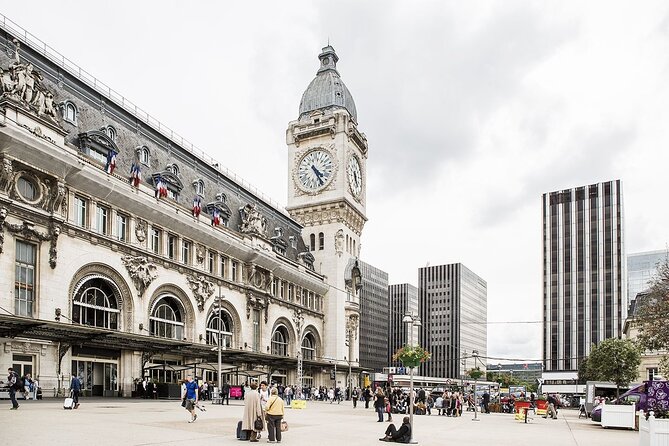
This transfer supports up to 3 baggages. That’s usually enough for a typical couple or small family trip, but it’s not built for heavy packing with lots of extras. If you’re traveling with large suitcases, bulky bags, or multiple carry-ons per person, you’ll want to consider how that maps to the bag limit.
Clean, comfortable vehicles show up in the service experience reports too. A clean car doesn’t sound like a travel headline, but after train travel and station waiting, it changes the mood. You’ll climb in and feel like the day is finally settling down.
The takeaway for you: pack like you want to move fast at the platform. This service is at its best when your luggage count matches the stated allowance.
Language and Problem-Solving on the Spot
Paris is bilingual in tourist-heavy areas, but not every driver is equally comfortable in English. Even so, the service experience includes drivers who found ways to communicate clearly, even when language wasn’t shared perfectly. That’s important because you’ll likely need quick confirmation about your hotel destination and meeting point.
If you do get momentarily lost on the way out of the station, the practical thing to do is keep calm and use the driver’s guidance. One documented example described a driver who helped when passengers got turned around. That’s a good sign: it suggests the service is used to dealing with the stress that comes with station chaos.
The meeting-point rules also help reduce communication strain. When you stay at the beginning of the platform and look for the nameplate, you don’t need a long conversation to locate each other.
Who Should Book This Transfer?
This is a strong fit if you want a simple arrival plan with less mental overhead. It’s especially useful when you land with luggage, arrive during peak station crowding, or simply don’t want to spend your first hour solving logistics.
You’ll probably love this if:
- you’re traveling with up to 3 people and can keep luggage within 3 baggages
- your hotel is in Paris with a postal code starting 75 or 92
- you want a smooth arrival flow from platform to hotel without detours
It’s less ideal if you’re staying outside the covered postal code range, or if your luggage situation exceeds the stated allowance. In those cases, you might want to look for a different transfer setup that better matches your exact needs.
Should You Book This Private Arrival Transfer?
If you want an arrival that feels controlled, I’d lean yes. The platform pickup, the nameplate, and the door-to-door ride remove the biggest stress points in Paris station arrivals. The service also includes bottled water and a bit of sightseeing, which is a pleasant bonus for such a short ride.
The one thing to double-check is your hotel location. Confirm the postal code starts with 75 or 92 and that your hotel is within the Paris area covered by the service. If that’s all aligned and you’re traveling within the passenger and luggage limits, this is a solid, practical value—especially when you split the cost among up to three people.
FAQ
How long is the private transfer from the train station to the hotel?
The transfer typically takes about 30 to 45 minutes, depending on the station and your hotel destination in Paris.
How many passengers and bags can this transfer accommodate?
It’s for a maximum of 1–3 passengers and up to 3 baggages.
Where will the driver meet me at the train station?
The driver meets you at the beginning of the platform and shows a nameplate with your details.
What do I need to do to find the driver quickly?
Stay at the beginning of the platform where you arrive. Do not go anywhere inside the train station, and make sure you’ve indicated your final hotel destination in Paris.
Is the hotel location limited?
Yes. The hotel should be in Paris, and suburban areas are not included. Your destination postal code has to start with 75 or 92.
What’s included in the price?
The transfer includes a one-way private transfer, bottled water, and all taxes, fees, and handling charges.
Do I need a ticket on my phone?
You should have a mobile ticket. Confirmation is received at the time of booking.
If you’d like, tell me your arrival station (Gare du Nord, Gare de Lyon, etc.) and your hotel postal code, and I’ll help you sanity-check whether this transfer fits perfectly.