REVIEW · PARIS
Paris: Musée de Montmartre and Gardens Entry Ticket
Book on GetYourGuide →Operated by Musée de Montmartre · Bookable on GetYourGuide
Montmartre feels like a backstage pass. In the Musée de Montmartre, you step into the 1600s, then follow how artists turned this hill into Paris’s most creative address. I love how the museum connects buildings to stories, and I also really like the 90-minute audioguide that maps Montmartre’s evolution in a way that stays easy to follow.
My second big plus is the time outside. The Renoir Gardens bring in plants (and that garden calm), plus you’ll also get to spend time with the Montmartre vineyard scenery. One thing to keep in mind: on some dates, the café may close for special events or sections of the museum may be temporarily out of service, so build in a little flexibility.
In This Review
- Key things to know before you go
- Musée de Montmartre in Bel Air House: history you can walk through
- Start strong with skip-the-line entry and a simple game plan
- Inside the museum: how Montmartre’s creative scene gets explained room by room
- A detail I found extra useful: nightlife is part of the museum story
- The audioguide route: 90 minutes that you can slow down
- Renoir Gardens and the private garden: where the visit cools down
- Coffee break reality check
- Temporary exhibitions: what changes, what doesn’t
- Time your visit: museum hours, last entry, and a calm pacing plan
- Price and value: why a $16 ticket can make sense here
- Who this suits best (and who should think twice)
- Should you book the Musée de Montmartre and Gardens ticket?
- FAQ
- How long is the visit with the audioguide?
- What are the museum opening hours?
- When is the last entry?
- What’s included with the ticket?
- Is a live guide included?
- What time is the café open?
Key things to know before you go
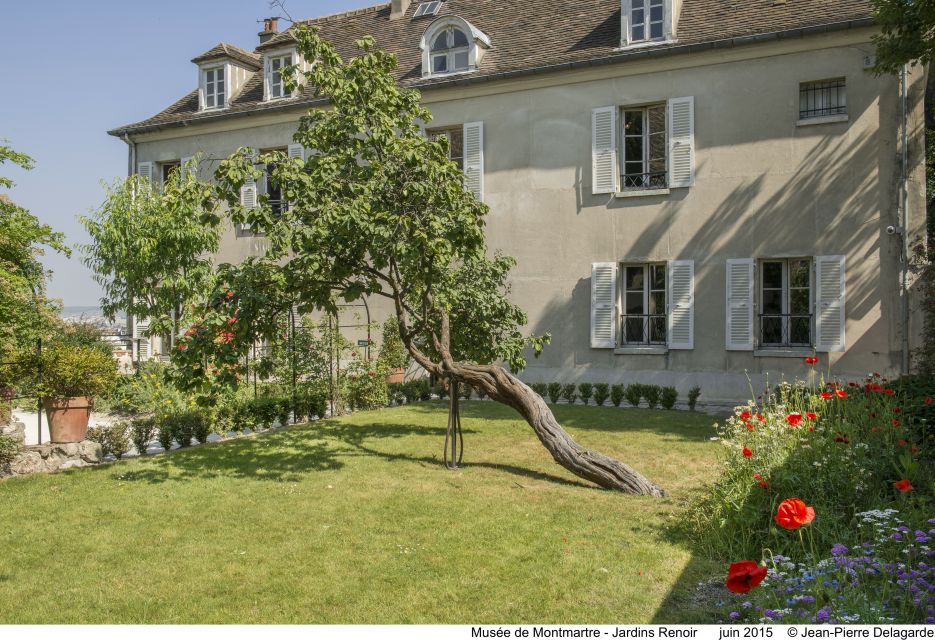
- Bel Air House setting: A seventeenth-century building that’s the oldest in Montmartre
- Skip-the-line entry: Go straight to the museum entrance with your voucher
- A 90-minute audio route: A self-paced way to track Montmartre from the 1800s onward
- Renoir private garden access: You get the garden experience, not just museum rooms
- Cabaret and artists in context: Chat Noir and the wider nightlife world are part of the story
- Temporary exhibitions: What you’ll see can change, so it’s worth checking what’s on
Musée de Montmartre in Bel Air House: history you can walk through
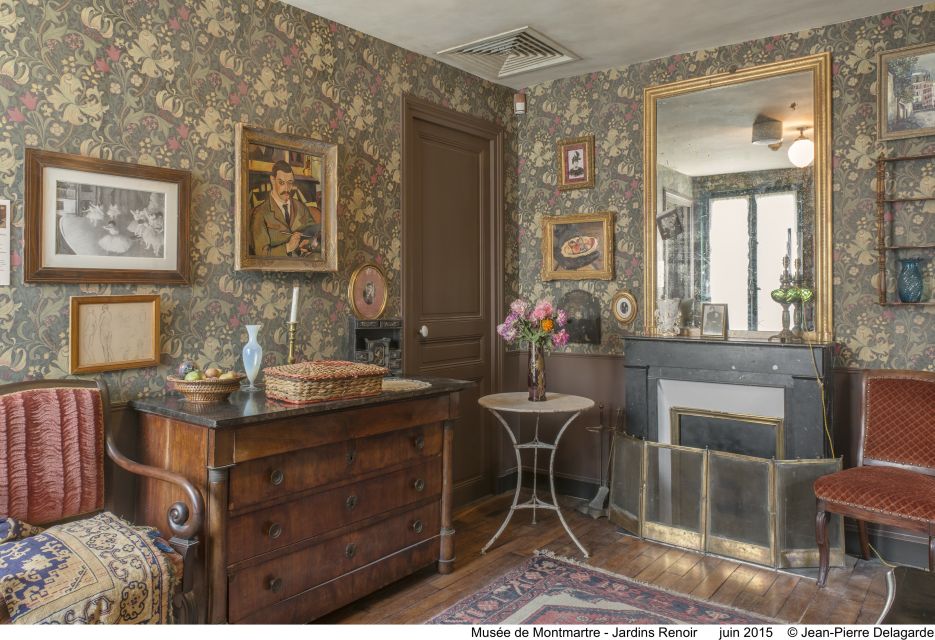
If you’ve ever felt like Montmartre is famous for its views but vague about its past, this is the fix. The Musée de Montmartre is housed in the Bel Air House, a seventeenth-century building. That matters because Montmartre wasn’t always the postcard you know today; it has a layered, local past, and this museum starts in the oldest physical layer.
Once you’re inside, you’re not just looking at art on walls. You’re moving through rooms that connect to how artists lived, worked, and met. The museum’s permanent collection is built to show how Montmartre became an artistic center, then how the city pressed closer as the district grew and changed.
You can also read our reviews of more tours and experiences in Paris



Start strong with skip-the-line entry and a simple game plan
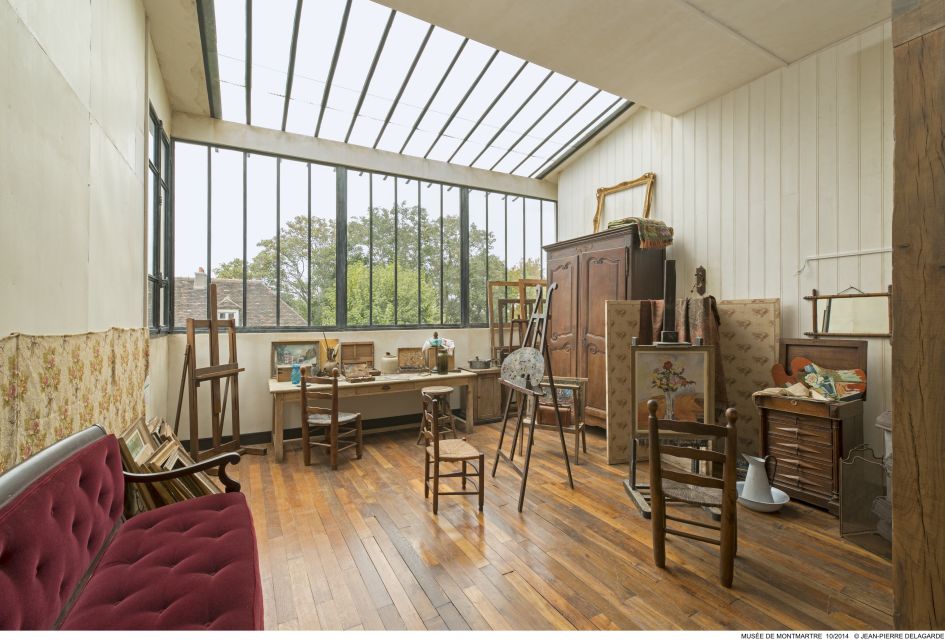
The ticket package is set up for low friction. You show your voucher at the entrance, and you can go directly in without waiting in the ticket line. That’s a real benefit in Montmartre, where queues can grow fast and your time on the hill is always a bit precious.
Because there’s no live guide included, you’ll want your own rhythm. I suggest arriving with at least a half-day mindset for the whole experience (museum rooms plus gardens plus whatever temporary exhibits are on). The audioguide route is 90 minutes, but you’re free to stay and wander after it finishes.
Inside the museum: how Montmartre’s creative scene gets explained room by room
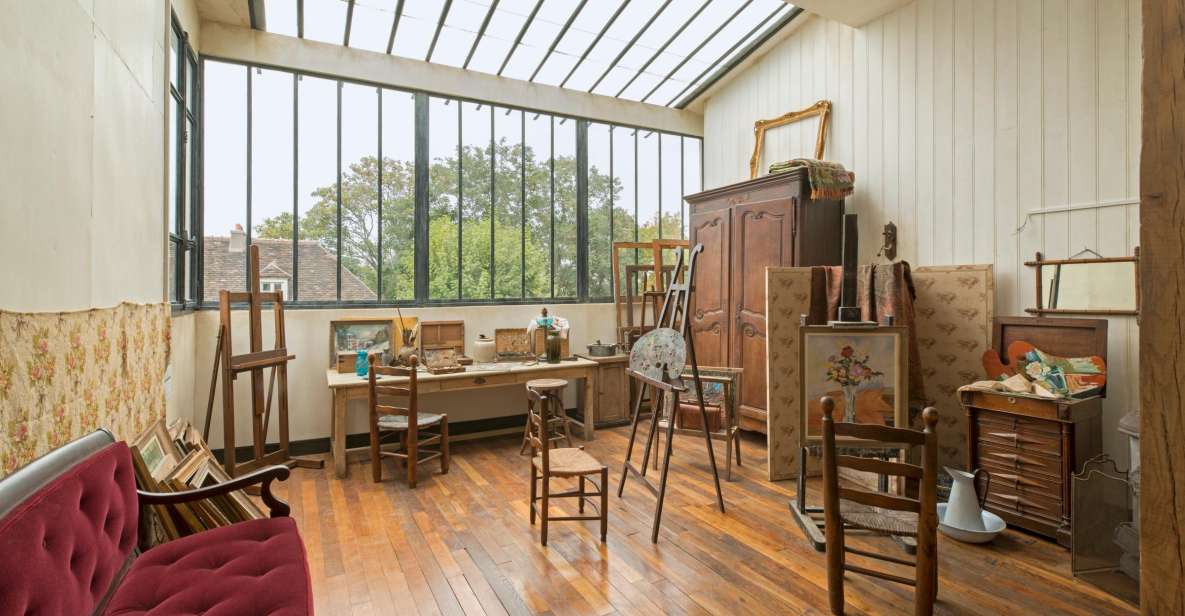
The museum experience is built around a timeline, and the audioguide is the thread that keeps it coherent. You start with what Montmartre life looked like in the 1800s and what changed when it became part of the wider city.
Here’s the story your visit will trace:
- Artists began moving to Montmartre in 1870
- Cafes and cabarets multiplied in the 1880s
- Over time, Paris shaped the countryside side of Montmartre—and the neighborhood’s identity hardened into the one we recognize
I like this approach because it keeps the “why” attached to what you’re seeing. Instead of treating the district like a legend, it turns Montmartre into a place that grew, got louder, and attracted performers and painters for specific reasons.
A detail I found extra useful: nightlife is part of the museum story
Montmartre’s creativity wasn’t only studios and paint. Your audioguide connects the art world with performance culture, including:
- The Chat Noir cabaret
- Théâtre d’Ombres (shadow theatre), created in 1866 by Henri Rivière and Henry Somm
- Performers and public voices like Aristide Bruant and Yvette Guilbert
- Dance and spectacle connected to the Moulin Rouge world, including names like La Goulue and dancers such as La Môme Fromage / Grille d’Egouts
- Toulouse-Lautrec as one of the artists known for representing these performances
Even if you don’t consider yourself a cabaret-history person, you’ll probably appreciate how the museum shows art as part of everyday entertainment, not only high culture.
The audioguide route: 90 minutes that you can slow down
The audioguide is designed to cover the main story in about 90 minutes. That timing is useful because you can treat it like a solid “core visit,” then decide how much you want to linger.
You’ll likely want to use this strategy:
- Listen for the moments where the story names a place, a venue, or a shift in time
- After the audioguide finishes, go back and re-look at the spaces that felt most relevant to you
If you’re the type who likes to see everything fast, be warned: the museum has multiple rooms and small areas that can be easy to miss if you’re not following the signage. I’d rather plan on taking your time than rushing, especially since the museum also includes garden access.





Renoir Gardens and the private garden: where the visit cools down
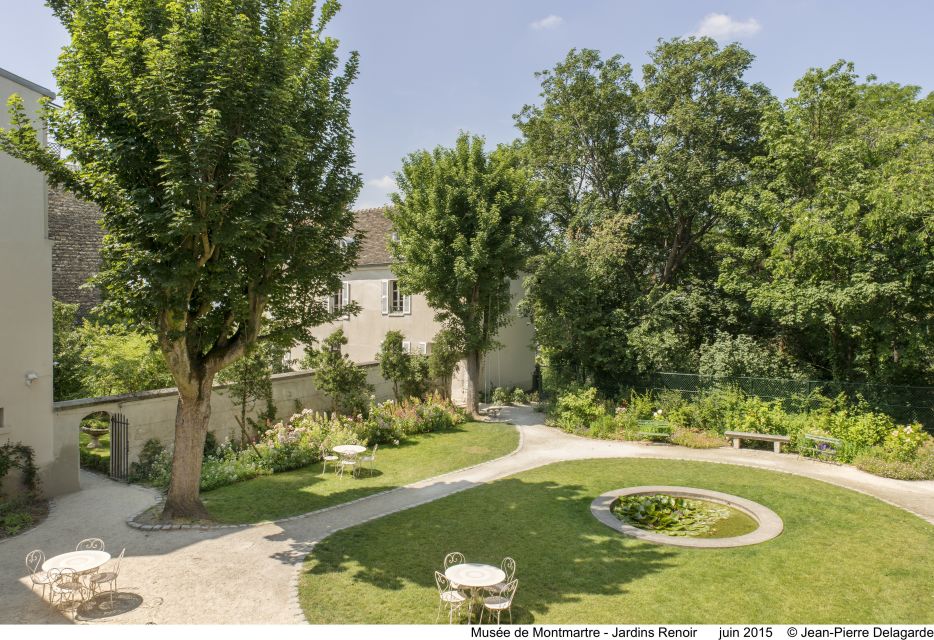
After the museum rooms, you’ll step into the quieter side of Montmartre. The Renoir Gardens are included, and you’ll also get access to the Renoir private garden. This is where the experience shifts from cultural storytelling to atmosphere—plants, shade, and a chance to breathe.
The garden experience isn’t only decorative. It ties back to the theme of Montmartre as a living district with its own landscape. The information connected to your visit includes luxuriant flora in the Renoir Gardens and the Montmartre vineyard, which gives you a more grounded sense of how people lived here before the neighborhood became completely urban.
Coffee break reality check
You also get access to the café/coffee shop area. The café hours listed are 11:00 AM to 6:00 PM, but there’s at least one practical note to remember: the café can close for private events on certain days. So if you’re relying on lunch there, it’s smart to treat it as flexible.
Temporary exhibitions: what changes, what doesn’t
In addition to the permanent collection, the ticket includes temporary exhibitions. That’s a good deal because it means you’re not paying for the same fixed set forever—you’re getting whatever the museum is presenting during your dates.
From recent exhibits you might have a chance at:
- Maximilian Luce exhibitions (seen as a highlight by some visitors)
- Special shows connected to artists like Herbin (again, based on past temporary exhibition feedback)
Because the temporary program varies, I’d treat it as a bonus layer. The core of the visit—the Montmartre story, the Bel Air House context, and the gardens—remains the backbone.
Time your visit: museum hours, last entry, and a calm pacing plan
Plan around the hours. The museum is open 10:00 AM to 7:00 PM, and the last entry is 45 minutes before closing. That last-entry rule matters because it can squeeze your garden time if you arrive too late.
My practical suggestion:
- Aim to start your museum visit earlier in the day so the gardens don’t feel rushed
- Use the audioguide as your anchor, then add time for garden wandering and any temporary exhibit areas that catch your attention
- If you’re combining this with other Montmartre stops, keep margins. Montmartre is a hill, and moving between places can add up faster than you expect
Price and value: why a $16 ticket can make sense here
At about $16 per person, this ticket is priced like an experience that’s meant to be worth it even if you only have one day in the area. The key value isn’t just entry—it’s the mix:
- Skip-the-line access
- A 90-minute audioguide
- Museum rooms + gardens
- Access to the Renoir private garden
- Coffee shop time
If you’re the kind of traveler who hates standing in lines and wants your cultural time to feel organized, skipping the ticket queue can be a big deal. And if you want Montmartre to be more than views, the audioguide and the timeline approach turn the district into something you can actually understand in a short visit.
Who this suits best (and who should think twice)
This works especially well for you if:
- You want a focused Montmartre experience without arranging a live guide
- You like self-paced stories with a guided structure
- You care about the connection between artists, performances, and how a neighborhood becomes famous
It may not be ideal if:
- You expect a massive, all-day art museum with big collections like the Louvre
- You’re very strict about café plans on the day you go, since the café can be affected by private events
Should you book the Musée de Montmartre and Gardens ticket?
I’d book it if you want the “Montmartre story” in a clean, doable format: Bel Air House first, then the 1800s-to-city-connection narrative through the audioguide, and finally the gardens and vineyard scenery to slow the day down. The combination of skip-the-line entry and garden access makes it feel like more than just another museum stop.
If you’re short on time, this is one of those tickets that can give you both meaning and atmosphere in a single day—without dragging you through a complicated plan.
FAQ
How long is the visit with the audioguide?
The audio tour lasts about 90 minutes, and you can stay longer to explore at your own pace.
What are the museum opening hours?
The Musée de Montmartre is open from 10:00 AM to 7:00 PM.
When is the last entry?
Last entry is 45 minutes before the halls close.
What’s included with the ticket?
The ticket includes entrance to the permanent and temporary exhibitions, access to the museum gardens and coffee shop, skip-the-line entry, access to the Renoir private garden, and an audioguide.
Is a live guide included?
No. This experience includes an audioguide, not a live guide.
What time is the café open?
The Café Renoir is open from 11:00 AM to 6:00 PM.