REVIEW · PARIS
Paris Wine Tasting Session with Expert Sommelier
Book on Viator →Operated by Le Foodist · Bookable on Viator
French wine can feel like a maze at first glance. This Paris session maps it fast with a guided tasting and real tasting technique. I love the six-glass format (including Champagne) because it gives you variety without overwhelming you, and I love that you practice blind tasting skills instead of just listening.
The biggest thing to consider is the format: this is a tight, sit-down, drinking-and-learning session. If you want vineyard views or lots of walking around Paris, this won’t scratch that itch.
You’ll meet at Le Foodist, start at 5:00 pm, and spend about two hours tasting, eating simple bites, and working through a tasting booklet near public transport. The vibe is small-group and hands-on, with Stephan described as welcoming and entertaining.
In This Review
- Key Highlights You Should Know
- Where the Paris Wine Class Starts (Le Foodist, 5:00 pm)
- Six Glasses That Teach You How French Wine Fits Together
- Why the Champagne matters
- The Lesson: Learn the Regions by Taste, Not by Label
- A practical way to use this after the class
- Blind Tasting: Where the Skills Actually Stick
- The “why” behind blind tasting
- Food Pairing Basics with Bread, Olives, and Ham
- How to taste while eating
- Small-Group Format and the Stephan Factor
- Price and Value: Is $102.03 Worth Two Hours?
- Who This Paris Wine Tasting Fits Best (and Who Might Skip)
- Before You Go: How to Get the Most from the Class
- Should You Book This Paris Sommelier Wine Tasting?
- FAQ
- How long is the Paris wine tasting session?
- How many wines will I taste?
- What is included in the ticket price?
- What time does the tour start and where is the meeting point?
- What is the group size limit?
- Is there a minimum drinking age?
- Will I get a mobile ticket?
- Can I cancel for a refund?
Key Highlights You Should Know
- Six pours, one lesson plan: five wines plus one type of Champagne, taught as you go
- Small-group attention: limited to 16 travelers, so questions don’t get lost
- Taste like a pro: you learn how to spot the wine’s origin without checking the label
- Blind tasting practice: a real exercise to connect grape, flavor, and region
- Smart food pairing basics: bread, olives, and ham to show how flavors interact
- A usable take-home booklet: so the next bottle you buy feels less like a gamble
Where the Paris Wine Class Starts (Le Foodist, 5:00 pm)
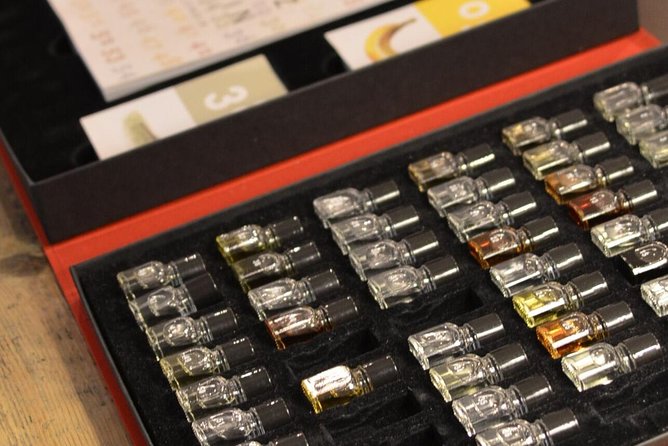
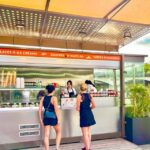
This experience meets at Le Foodist, 59 Rue du Cardinal Lemoine, 75005 Paris, and it starts at 5:00 pm. That timing matters more than it sounds. Late afternoon is a sweet spot: you’re likely done with most sightseeing, but you’re still hungry enough that bread, olives, and ham feel like part of the lesson instead of a side note.
The location is in Paris, and it’s close to public transportation, which makes it easy to combine with dinner plans afterward. You’ll also get a mobile ticket, so you won’t be hunting for paper like it’s a scavenger hunt.
One other practical point: since the tasting includes multiple pours, you’ll want to treat this as an apéritif-style stop. It’s not just a quick sample. It’s a guided session where you’ll spend time smelling, tasting, and comparing.
You can also read our reviews of more food & drink experiences in Paris
Six Glasses That Teach You How French Wine Fits Together
The core structure is simple: you’ll taste six wines total—five wine samples plus one Champagne sample—with the goal of turning French wine regions from names into flavors you can recognize.
Instead of only discussing grapes and regions in the abstract, the format is built around learning relationships:
- Grape → winemaking choices → flavor
- Flavor clues → likely region
- Tasting logic → what you can infer before you read the label
That’s the “aha” moment many people want, especially in Paris where wine menus can look like a wall of options. When you’re tasting multiple styles in one sitting, the differences become clear. You stop asking which bottle is expensive and start asking what the wine is trying to do.
Why the Champagne matters
The Champagne pour isn’t just for fun. Sparkling wine behaves differently on the palate, and that contrast helps you learn faster. Bubbles can change how you perceive acidity, fruit, and texture. So even if you usually order Champagne only for celebrations, this lesson makes it feel more like part of the French wine conversation—not a separate category.
The Lesson: Learn the Regions by Taste, Not by Label
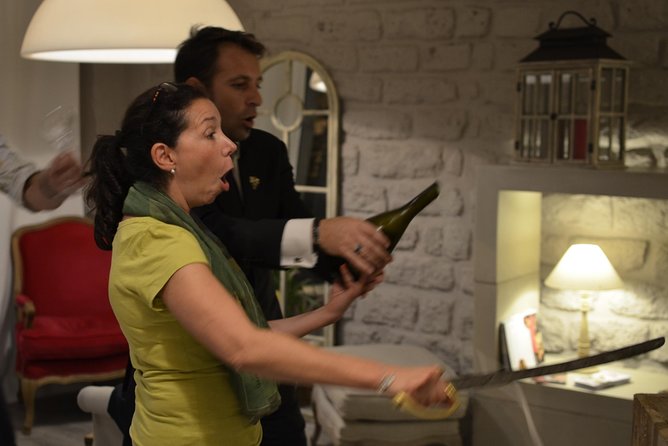
A big promise here is learning to recognize a wine’s origin without checking the label. That’s a skill, not magic. And it’s exactly what makes a guided masterclass worth your time.
You’ll get coached on how to notice clues as you taste. You’ll hear explanations about:
- Different grapes
- Winemaking techniques
- How to recognize where a wine is coming from based on sensory cues
You’ll also work through the links between flavor, grape, and region, and you’ll cover five primary winemaking regions. Even if you can’t (and don’t need to) memorize every detail, you’ll leave with a framework.
A practical way to use this after the class
When you’re back in a shop or ordering at a restaurant, try this approach:
- Identify what stands out first (fruit, acidity, body, dryness).
- Think in styles you practiced in the class.
- Only then look for label details to confirm your guess.
This turns wine ordering into a fun puzzle instead of a stress test. And it’s especially helpful in Paris, where menus can be confident and you might feel less confident.
You can also read our reviews of more wine tours in Paris
Blind Tasting: Where the Skills Actually Stick
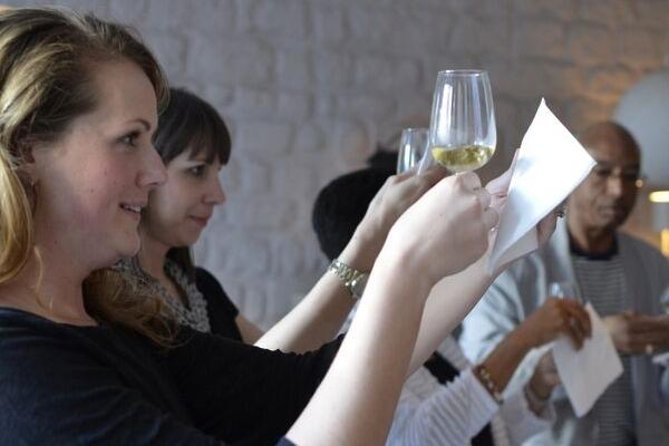
One of the strongest parts of the session is the blind tasting component. You’ll sample wines in a way that forces your senses to do the work, then your guide connects your impressions to what’s in the glass.
Blind tasting can feel intimidating if you think you need to be a “wine person.” You don’t. The point is training your attention:
- What does it smell like?
- What does it taste like at the front of your tongue?
- How does it finish?
- Does it feel light, medium, or structured?
This is where the lesson shifts from knowledge to experience. You stop relying on what a label claims and start trusting what your palate notices.
The “why” behind blind tasting
In real life, you can’t always trust your first assumption. Blind tasting teaches you to slow down and compare. It also gives you language for your reactions. When you know what you’re noticing, you can order with confidence later, even if the bottle names are new to you.
Food Pairing Basics with Bread, Olives, and Ham
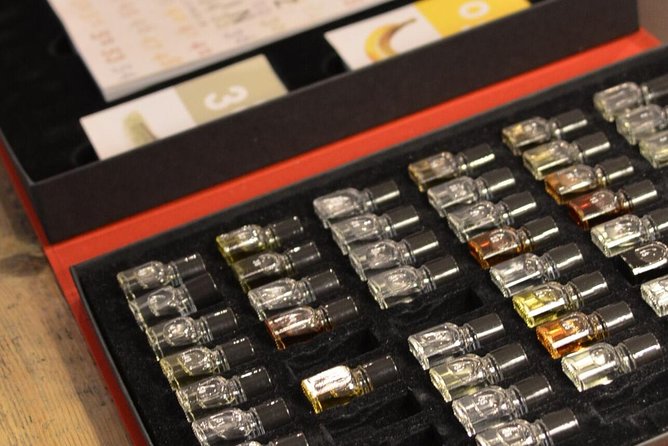
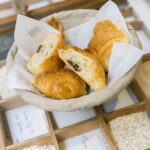
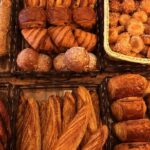
The tasting includes bread, olives, and ham, plus a tasting booklet. Those simple bites are there for a reason: food changes how wine tastes, and the class uses that effect to teach pairing basics without making it complicated.
Here’s what you can expect in practice:
- Bread helps you reset your palate between different pours.
- Olives and ham add salt and savory flavors, which highlight different parts of the wine.
- You’ll learn basic pairing ideas so you can think beyond “red with meat” or “white with fish.”
This is a smart setup for visitors. Many wine tastings treat snacks like filler. Here, the food is part of the lesson, and it makes the tasting feel more like a hosted experience than a classroom.
How to taste while eating
If you’re trying to get real value, don’t rush. Take small bites, then sip and compare. Give your palate a moment after each change. The class is about noticing how flavor shifts, not just collecting impressions.
Small-Group Format and the Stephan Factor
You’re not crammed into a crowd. This is a small-group tour limited to 16 people, and that changes how the experience feels. In a group that size, you’re more likely to get personal attention, follow the discussion, and ask questions without waiting for the whole room to settle.
One of the standout details in the feedback is Stephan. He’s described as welcoming and entertaining, and that matters. Wine can be technical, but a friendly host makes the room relax. When people feel comfortable, they taste more honestly, ask better questions, and enjoy the learning process instead of trying to “perform” expertise.
A small group also helps with the blind tasting portion. You’ll hear guide explanations and comparisons that make the next pour easier to understand.
Price and Value: Is $102.03 Worth Two Hours?
At $102.03 per person for around two hours, you’re paying for more than a few sips. You’re paying for:
- An expert sommelier guiding the tasting
- Six samples total (five wines and one Champagne)
- Snacks (bread, olives, and ham)
- A tasting booklet
- A small-group setting capped at 16 travelers
- A structured approach that includes blind tasting and region-learning coaching
If you compare this to buying wine by the glass in a restaurant, you might spend similar money without getting a lesson plan. And if you compare it to generic tastings that only hand you a menu, this adds clear instruction and practice.
So where’s the value? It’s in the “transfer.” After a session like this, you can apply the tasting logic when you’re shopping or ordering. That’s why the booklet and the guided method matter. You’re not just consuming wine for a night—you’re building a tool you can use again.
Who This Paris Wine Tasting Fits Best (and Who Might Skip)
This masterclass is ideal if you fall into any of these categories:
- You love wine but want clear, practical guidance in plain language
- You’re new to French wine and want the biggest confusion points handled early
- You enjoy learning through taste, not only lecture
- You want an apéritif before dinner in Paris with good structure
It might not be the best fit if:
- You want a walk-through tour with lots of external sights
- You’re looking for a casual, one-and-done sip without structured tasting
- You don’t want to drink multiple pours in one evening (the minimum drinking age is 18)
Also, if you’re sensitive to alcohol or you prefer minimal drinking, consider how you’ll handle the blind tasting course and pace. You will be sampling multiple wines.
Before You Go: How to Get the Most from the Class
You’ll get the most value if you show up with a curious mindset. Don’t try to memorize everything. Instead, pick two or three things you want to “get” by the end:
- Which flavors you notice first
- How acidity and dryness feel in different wines
- What clues help you guess the region
Bring your appetite for learning. You’re tasting wine, but you’re also practicing sensory attention. And since this ends back at the meeting point, you’ll be free to head straight to dinner afterward without the hassle of figuring out a long route.
Should You Book This Paris Sommelier Wine Tasting?
If you want a confident start to French wine—and you like the idea of learning through a guided tasting with blind practice—I think this is a strong booking. The combination of six samples, a sommelier-led approach, small-group size, and a take-home booklet makes it feel like more than a standard tasting.
If, on the other hand, you’re chasing a scenery-heavy itinerary, this is a smarter choice than a day tour but it’s still a learning session. For most visitors, that trade-off is worth it. It’s one of those experiences that can genuinely change how you order wine in Paris for the rest of your trip.
FAQ
How long is the Paris wine tasting session?
It’s approximately 2 hours.
How many wines will I taste?
You’ll taste five wine samples and one Champagne sample.
What is included in the ticket price?
The experience includes an expert sommelier, tasting samples, bread, olives and ham, and a tasting booklet.
What time does the tour start and where is the meeting point?
It starts at 5:00 pm at Le Foodist, 59 Rue du Cardinal Lemoine, 75005 Paris.
What is the group size limit?
The tour has a maximum of 16 travelers.
Is there a minimum drinking age?
Yes, the minimum drinking age is 18 years.
Will I get a mobile ticket?
Yes, the tour uses a mobile ticket.
Can I cancel for a refund?
You can cancel up to 6 days in advance for a full refund.