REVIEW · PARIS
Paris: The Ultimate Wine and Cheese Tasting in English
Book on GetYourGuide →Operated by Les Caves du Louvre · Bookable on GetYourGuide
Ten pairings turn wine questions into answers. In a 2-hour session at Les Caves du Louvre, you’ll taste 10 wines and 10 cheeses while an English wine expert walks you through terroir and French pairing logic. I like that it spans big-name regions like Bordeaux, Burgundy, and the Rhône Valley, not just one corner of France, and I also like that you get both red and white wines (5 each). One thing to consider: this is an alcohol-forward experience, and non-alcoholic beverages aren’t included.
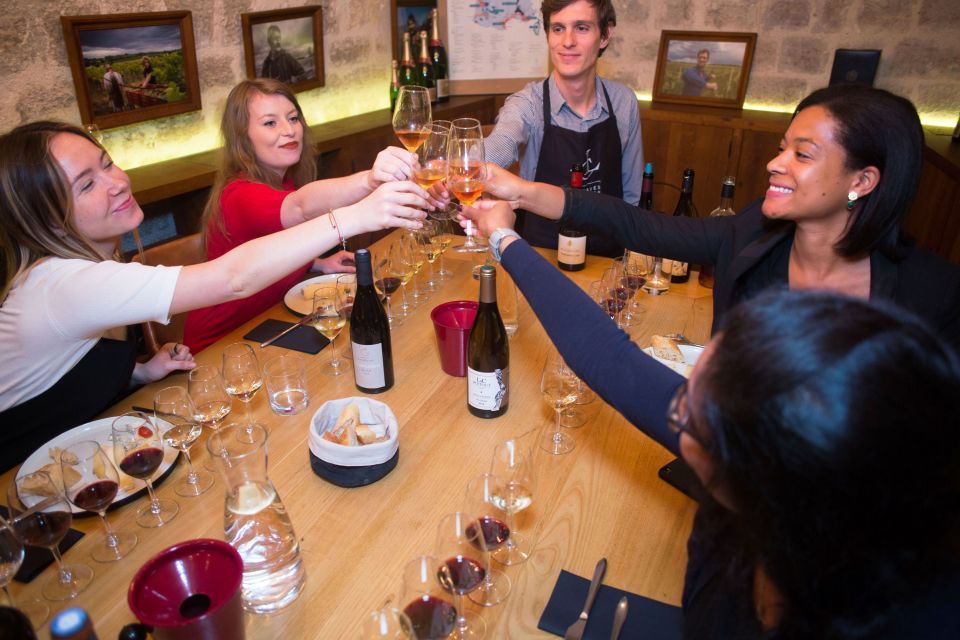
The setting matters too. The tasting room atmosphere in the cellar makes the whole class feel like you stepped into France for a short time, not a rushed stop with plastic cups. If you want a low-effort souvenir tasting, this may feel a bit too educational.
Here’s the good news: at $128 per person, you’re paying for a structured class, 20 tasting portions total, and time with an English instructor who can answer follow-up questions as you go.
In This Review
- Key things you’ll notice right away
- English wine and cheese in the cellar at Les Caves du Louvre
- How the tasting works: 10 wines, 10 cheeses, one pairing system
- What you’re tasting (and why it helps)
- The pairing lesson behind the pour
- French terroir across Bordeaux, Burgundy, and the Rhône Valley
- Why terroir lessons are useful on your next trip
- Cheese you can taste: Brie, blue, and Loire goat cheese
- Brie: soft texture, easy entry
- Blue cheese: bold flavor, strong rules
- Loire goat cheese: fresh tang and clean contrast
- The hidden value: finding your personal favorite
- AOP and wine style differences: the lesson you’ll repeat later
- What you’re learning beyond vocabulary
- The tasting room atmosphere: why it feels different from quick pours
- Price and value: is $128 worth it?
- What makes the value feel real
- Who should book this tasting class
- Quick watch-outs before you go
- Should you book this Paris wine and cheese class?
- FAQ
- How long is the wine and cheese tasting class?
- What’s included in the price?
- Are there non-alcoholic beverages included?
- What wines and cheeses will I taste?
- Where does the experience take place?
- Is hotel pickup or drop-off included?
- What language is the class taught in?
- Is this suitable for children?
- What’s the cancellation policy?
- Can I reserve now and pay later?
Key things you’ll notice right away
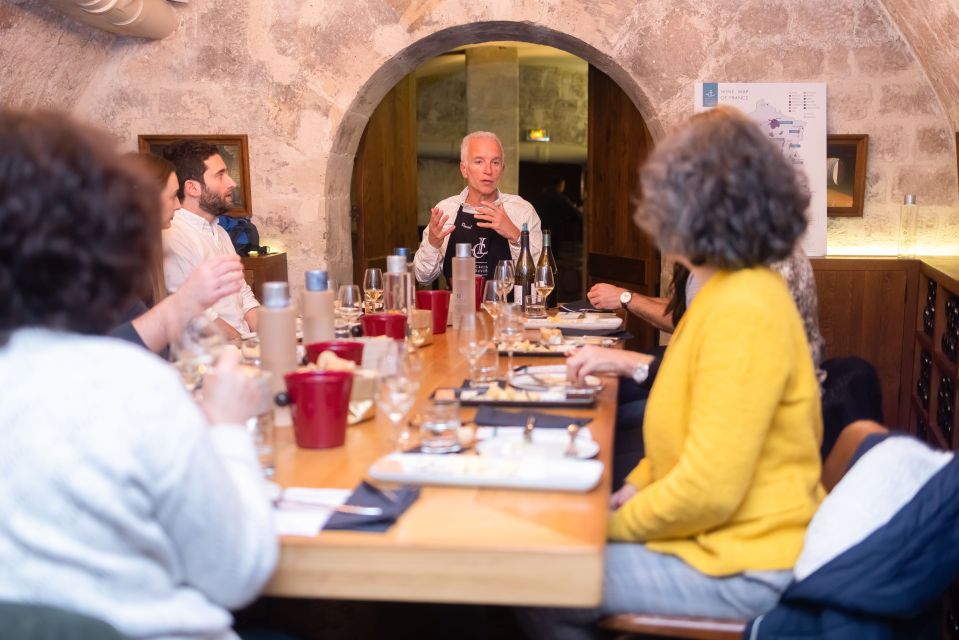
- A cellar-based tasting room experience at Les Caves du Louvre rather than a storefront pour-and-go
- 10 wines (5 white, 5 red) paired with 10 hand-crafted cheeses across France
- Terroir storytelling in English, covering major regions like Bordeaux, Burgundy, and the Rhône Valley
- AOP basics and tasting techniques so you can decode bottles later
- Pairing advice you can use at a shop or restaurant, not just while seated
- Guides you might meet, including Justan, Alexis, or Clemant, who led English classes in past tastings
English wine and cheese in the cellar at Les Caves du Louvre
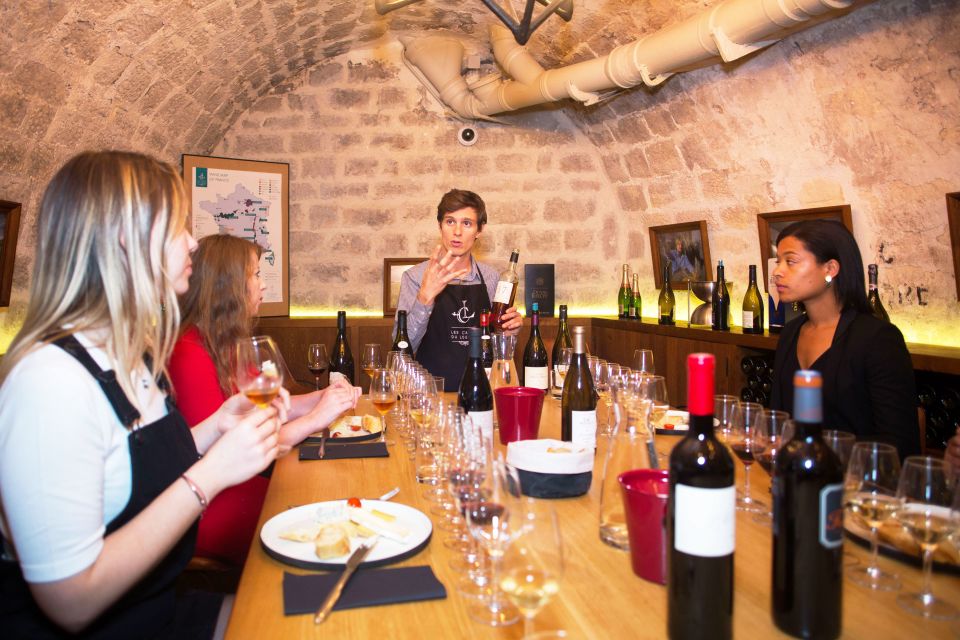
Paris does wine well, but most tastings you find are either too brief or too general. This one stays focused. It’s a 2-hour class in the cellar setting at Les Caves du Louvre, and that alone changes the mood. You’re not standing around a counter. You’re in a room made for tasting, with time to pay attention.
The biggest win here is that the experience is in English, taught by a wine expert. That matters because wine has a language of its own—acidity, body, tannins, aromas, and the boring-but-important labels. When you can ask questions and get clear answers, tasting stops feeling random and starts feeling learnable.
This is also a “pairing-first” approach. You’re not just tasting wines and then trying to guess which cheese goes with what. The class structure pushes you to think about why a pairing works.
One more detail I appreciate: the selection is designed to represent French wine styles across regions, rather than repeating the same flavor profile over and over. That gives you a real sense of how the place (terroir) shapes the bottle.
You can also read our reviews of more food & drink experiences in Paris


How the tasting works: 10 wines, 10 cheeses, one pairing system
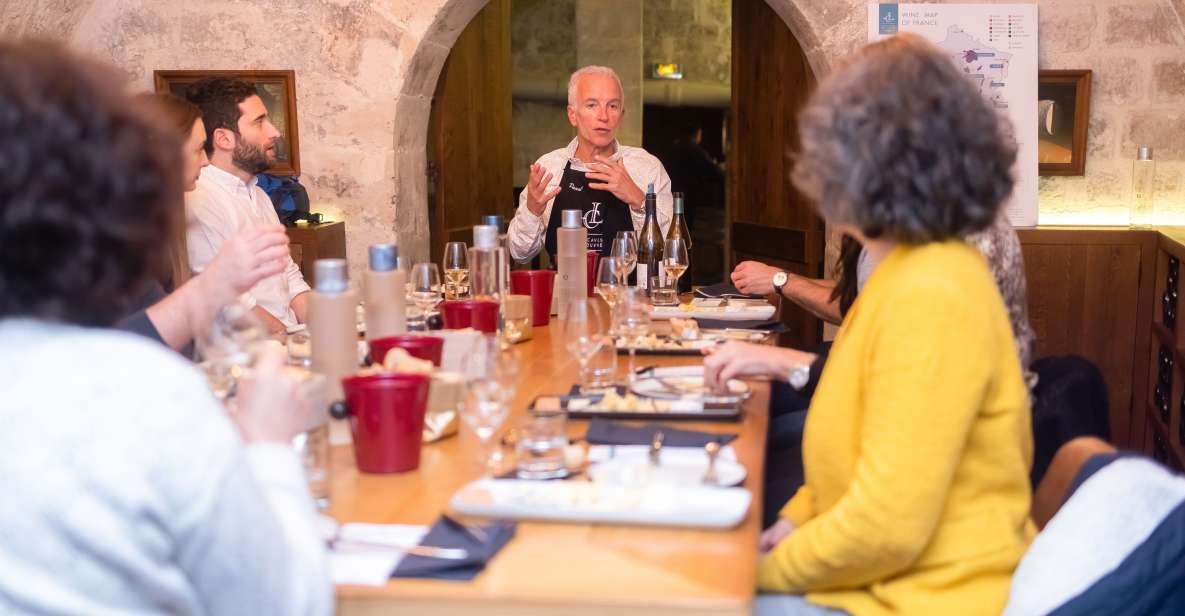
You’ll taste 10 wines paired with 10 cheeses over two hours. That’s a lot of variety, but it’s also just enough time to connect dots. The pacing is built for learning while you still have your palate fresh.
What you’re tasting (and why it helps)
You’ll sample 5 white wines and 5 red wines, chosen to represent major French regions. As you move through the line-up, you start noticing patterns:
- Whites tend to reward the way cheese acidity and saltiness interact.
- Reds tend to show how fat and texture in cheese can soften or sharpen tannins.
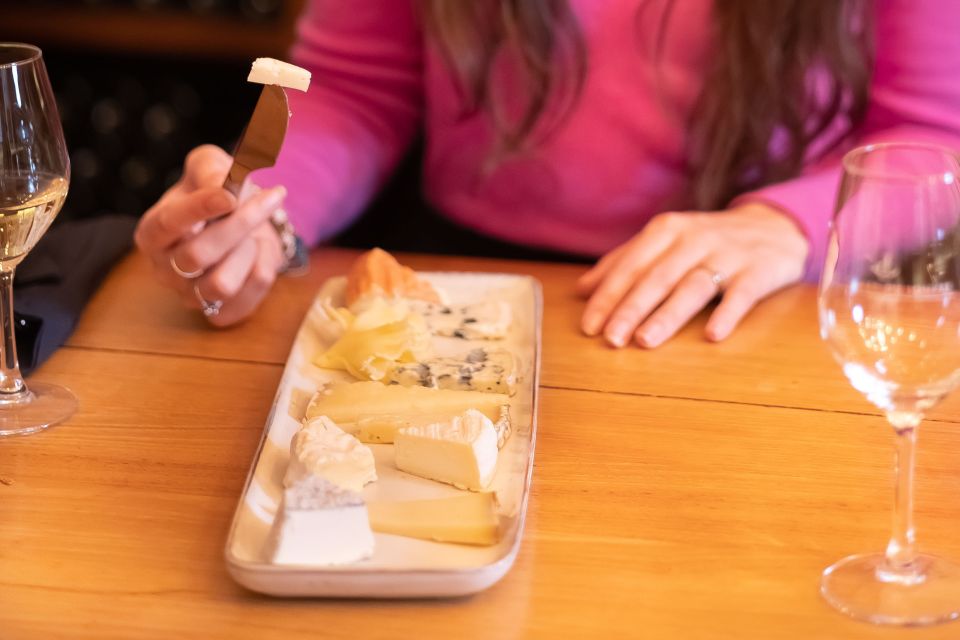
You’re also tasting hand-crafted cheeses from across France. You’ll see classics such as Brie, blue cheese, and fresh goat cheese from the Loire Valley. That cheese mix is smart because it includes different fat levels and different strengths—soft and mild, bold and funky, and tangy and fresh.
The pairing lesson behind the pour
The class isn’t only about what’s in the glass. You’re also taught techniques for tasting and pairing—how to choose a wine, how to match it to cheese, and how to recognize what you’re reacting to.
A good pairing class teaches you a method you can repeat. Here, you’re learning the logic behind pairings: balance, contrast, and harmony. It’s the kind of skill that sticks when you later shop for wine or order a cheese plate.
If you get a guide like Justan, Alexis, or Clemant (names that have appeared in English-led tastings), you’ll likely feel that the instruction is interactive. The best moments in classes like this are the question-and-answer exchanges—when you can ask why a pairing worked or didn’t.
French terroir across Bordeaux, Burgundy, and the Rhône Valley
A lot of wine tastings in Paris focus on “tasting notes.” This class aims higher: it connects the wine to its growing conditions. That’s the heart of terroir—soil, climate, and regional style.
In this experience, the selection is meant to represent prestigious wine regions such as Bordeaux, Burgundy, and the Rhône Valley. Even without going vineyard-by-vineyard, this approach gives you a practical education:
- You start to recognize how regional style can influence flavor direction.
- You learn to think beyond grape names and consider the role of environment.
- You get the chance to hear how “place” shows up in the glass.
You can also read our reviews of more wine tours in Paris



Why terroir lessons are useful on your next trip
If you plan to visit vineyards later or you just want to order more confidently in restaurants, terroir knowledge helps. Instead of guessing, you can predict what a wine might do with food.
It also helps you shop. When you understand region-based style, the label becomes a clue, not a mystery.
One smart detail here is that the tasting includes both reds and whites. That gives terroir lessons more credibility, because you’re not only learning one style in one season.
Cheese you can taste: Brie, blue, and Loire goat cheese
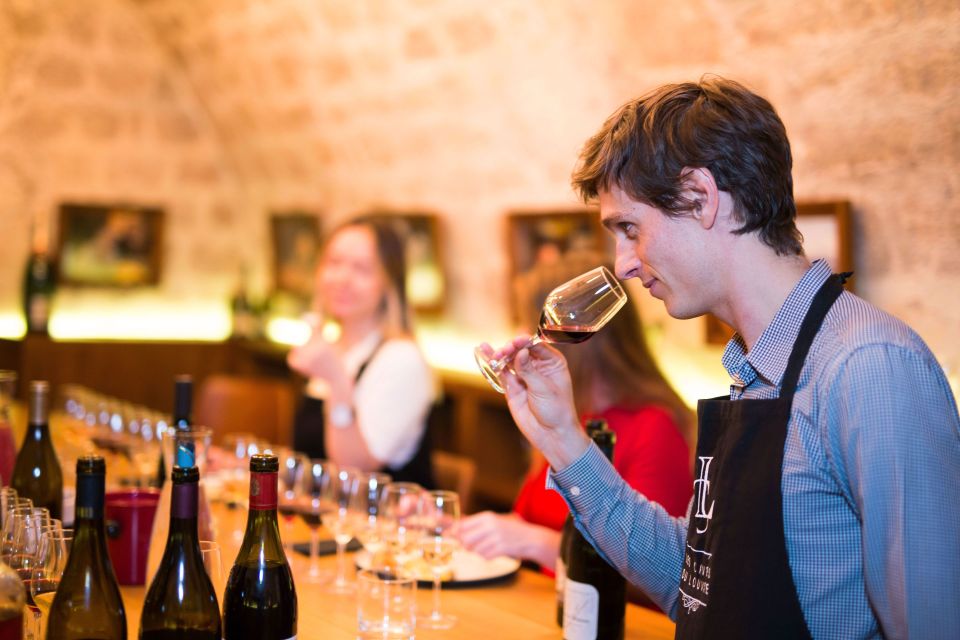
Wine is half the story. Cheese is the other half, and the menu is designed to teach you something.
You’ll taste cheeses from all over France, including:
- Brie
- Blue cheese
- Fresh goat cheese from the Loire Valley
That trio is a strong mix because each cheese behaves differently.
Brie: soft texture, easy entry
Brie can feel forgiving. It’s creamy, mild to moderately flavored, and it often works well with wines that don’t feel overly aggressive. Brie helps you learn how texture and mildness affect the way wine tastes.
Blue cheese: bold flavor, strong rules
Blue cheese has power. Its sharpness and saltiness can take over if your wine isn’t built to handle it. When you taste it in a structured pairing, you get a real lesson in balance. You learn whether you need something more acidic, something richer, or something with the right character to keep the cheese from dominating.
Loire goat cheese: fresh tang and clean contrast
Fresh goat cheese can bring a noticeable tang. Pairing it is a great way to learn how acidity and freshness interact. It also teaches you that “cheese pairing” isn’t only about richness—it’s also about contrast and tension.
The hidden value: finding your personal favorite
Even if you think you’re not a cheese person, having a guided line-up can flip that. Past experiences with this class have led people to discover pairings they didn’t expect to love. The structure keeps you moving through different strengths, so you’re not stuck with one style you can’t stand.
AOP and wine style differences: the lesson you’ll repeat later
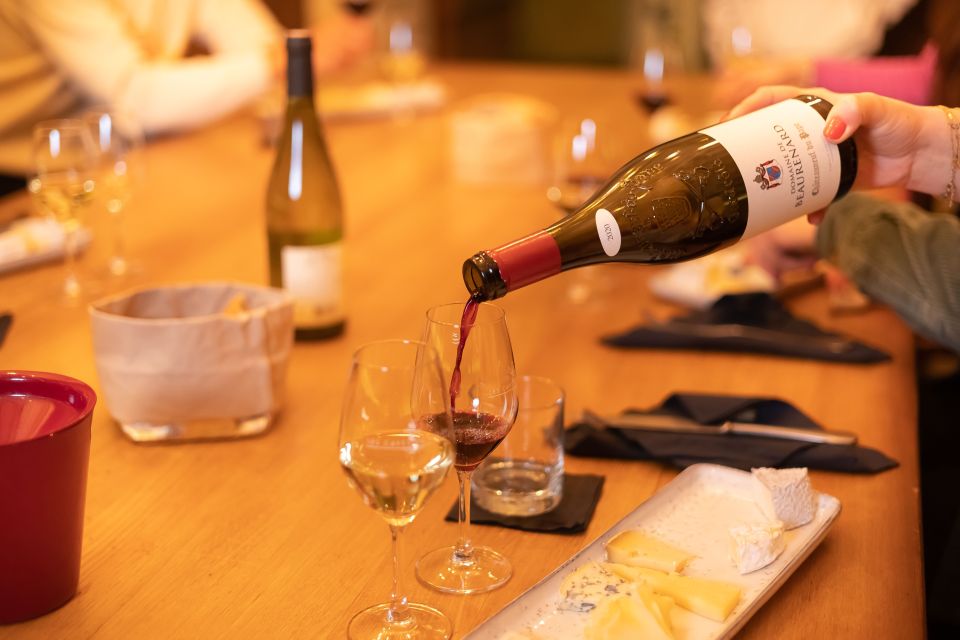
French wine has a system of rules. AOP is a big one, and you’ll learn about AOP (the French regulation system) during the class.
Why it matters: AOP isn’t just trivia. It connects you to how wine is produced and regulated. It gives structure to what you’re buying and helps explain why certain wines taste the way they do.
During the tasting, you’ll also learn how to distinguish wine styles. That’s practical. It means you’ll start to notice differences without needing a scorecard.
What you’re learning beyond vocabulary
The “style differences” part usually becomes useful in two situations:
- When you’re standing in a wine shop trying to choose something without a guide.
- When you’re ordering wine with cheese, a dessert, or a meal and you want the wine to match the food instead of fighting it.
If you want a souvenir that isn’t just a label, this kind of skill is the real payoff.
And yes, AOP can sound bureaucratic on paper. In a tasting class, it becomes a way to understand the choices behind the glass.
The tasting room atmosphere: why it feels different from quick pours
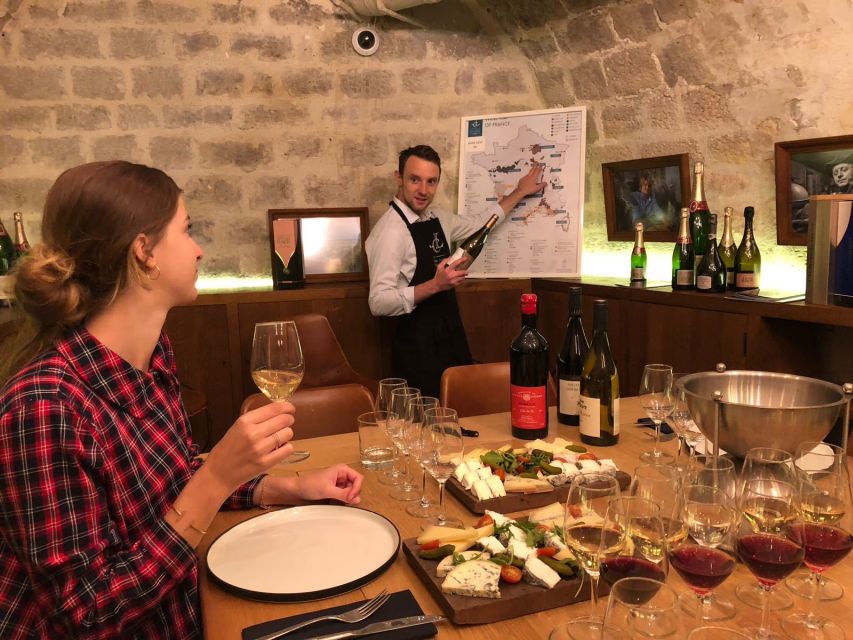
This class is held in the cellar, and the environment shapes the experience. You’ll be in a stunning tasting room atmosphere designed for focus. That makes a difference when you’re sampling 20 items. It’s easier to notice how wine changes from one cheese pairing to the next.
The atmosphere also supports learning. People usually ask more questions when they feel comfortable and not rushed. Based on past English-led sessions, guides like Justan, Alexis, and Clemant have encouraged curiosity and answered questions clearly—especially about terroir, growing conditions, and soil types.
Even if you’re not a total wine nerd, that sort of explanation turns tastings into a story, not just a flight.
Price and value: is $128 worth it?
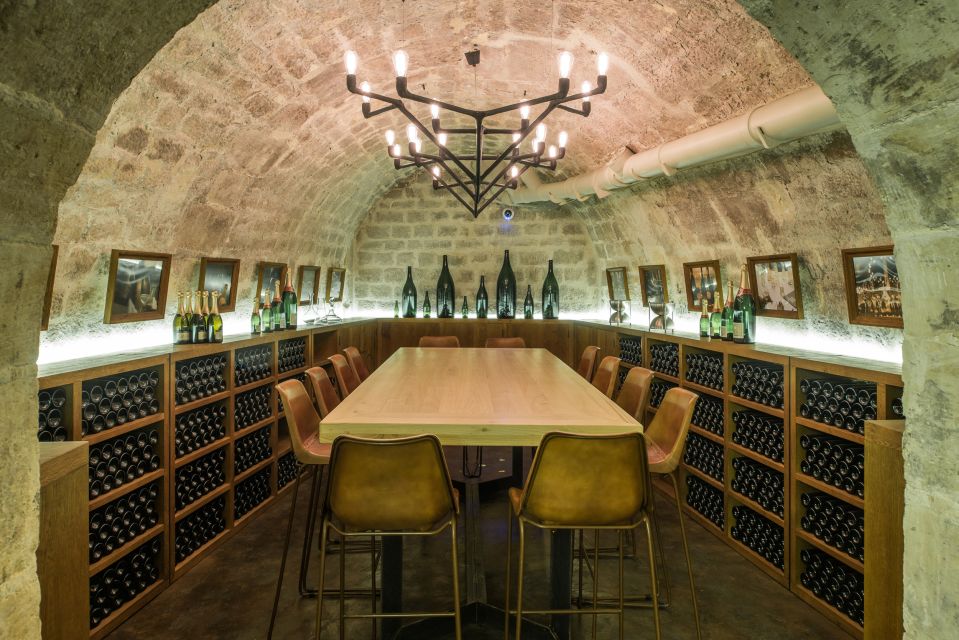
$128 per person for a 2-hour class is not a cheap lunch. But you’re not paying for a single taste. You’re paying for a structured tasting with:
- Entry into the cellar setting
- A 2-hour tasting class
- An English wine expert
- Tastings of 10 cheeses
- Tastings of 10 wines
That math matters. If you’re trying to buy wine and cheese on your own in Paris, you’ll likely spend that amount quickly—and you still won’t have a guided pairing method.
What makes the value feel real
For me, value comes from three things:
- You get enough variety to learn patterns (white and red, multiple regions, multiple cheese personalities).
- You get time with an English expert to clarify terms like AOP and pairing logic.
- You get a repeatable way to think about wine and cheese, so your next order is better.
If you enjoy structured learning with taste rewards, this price starts to make sense fast.
If you’re only looking for a casual sip and you don’t want to talk about wine at all, you might feel the class portion is more than you need.
Who should book this tasting class
This is a strong fit if you:
- Want to learn the basics of French wine styles and how to pair them with cheese
- Prefer learning in English and asking questions as you go
- Like structured tastings with both whites and reds
- Want a France-themed experience that isn’t just one grape variety
It’s not a fit if you:
- Want a child-friendly activity (it’s not suitable for children under 18)
- Are avoiding alcohol, since non-alcoholic beverages aren’t included
- Prefer purely self-guided wandering with no instruction
Quick watch-outs before you go
- This is built around tastings of wines and cheeses, so if you dislike either, your enjoyment may drop.
- Non-alcoholic beverages aren’t included, so plan accordingly if you’re not drinking much.
- Expect education alongside tasting. If you’re looking for a totally hands-off experience, this might feel too instructional.
Should you book this Paris wine and cheese class?
Yes—if you want a real introduction to French wine and pairing, and you like the idea of learning AOP, terroir, and style differences while tasting 10+10 pairings in a proper cellar setting. The best part is that the education is practical: you come away with a method to choose wines and match them with cheese, not just a list of what you tried.
Book it especially if English instruction matters to you and you want an expert on hand. With guides like Justan, Alexis, or Clemant leading English tastings, the class has a track record for clear explanations and strong Q&A energy.
If you’re avoiding alcohol or you want a quick snack-only experience, look for something lighter. But if you’re ready to taste widely and learn along the way, this is a satisfying use of two hours in Paris.
FAQ
How long is the wine and cheese tasting class?
The class lasts 2 hours.
What’s included in the price?
The price includes entry of the cellar, the 2-hour tasting class, an English wine expert, tastings of 10 wines, and tastings of 10 cheeses.
Are there non-alcoholic beverages included?
No. Non-alcoholic beverages are not included.
What wines and cheeses will I taste?
You’ll taste 10 wines (5 white and 5 red) and 10 cheeses, including options like Brie, blue cheese, and fresh goat cheese from the Loire Valley.
Where does the experience take place?
It takes place in Paris, in the Ile-de-France region, at Les Caves du Louvre.
Is hotel pickup or drop-off included?
No. Hotel pickup and drop-off are not included.
What language is the class taught in?
The tasting is taught in English.
Is this suitable for children?
No. It’s not suitable for children under 18.
What’s the cancellation policy?
You can cancel up to 24 hours in advance for a full refund.
Can I reserve now and pay later?
Yes. You can reserve and pay later to keep travel plans flexible.