REVIEW · PARIS
Paris: Bread and Croissant-Making Class
Book on GetYourGuide →Operated by Meeting the French · Bookable on GetYourGuide
Paris is better when you bake it yourself. This hands-on class in a family-run boulangerie teaches how to make baguette and croissants step-by-step, with a translator when you need one. You spend two hours rolling dough, shaping loaves, and learning why French bread gets its crusty gold outside and tender warm inside.
I especially love the behind-the-counter access. You don’t just watch bread go by; you get guidance from a baker with generations of experience, sometimes with instructors like Chef Didier, plus interpreters such as Luis, Luce, or Elsa who keep everything clear. I also love that you’re making more than one thing: a classic baguette, the bakery’s signature version called La Parisse, and croissants.
One thing to consider before you book: at $258 for 2 hours, this is priced like an intimate workshop, not a casual pastry stop. You’ll be working with your hands, and it’s not ideal if you want a quick look-and-leave activity.
In This Review
- Key takeaways before you go
- Enter Le Petit Mitron and Step Into a Working Boulangerie
- Why French Baguette Shaping Matters (and What You’ll Learn)
- Classic Baguette Skills You Can Replicate at Home
- La Parisse: The Bakery Signature You’ll Actually Make
- Croissant Time: Shaping for Layers and Flake
- What the Class Feels Like: Timing, Tasting, and Hands-On Flow
- What You Leave With: Bread to Take Home and Recipes by Email
- Price and Time: Does $258 Make Sense for This Workshop?
- Who Should Book This Bread and Croissant Class in Paris
- Tips to Show Up Ready (So You Actually Learn)
- Should You Book This Bread and Croissant-Making Class?
- FAQ
- How long is the Paris bread and croissant class?
- Where is the meeting point?
- What is the group size?
- What languages are offered for the instructor and translation?
- What will I make during the class?
- Do I get recipes to use at home?
- Is food tasting included during the workshop?
- Is this class suitable for children?
- What flexibility do I have if plans change?
Key takeaways before you go
- Family-run bakery access: You learn in the real production area, not a staged demo space
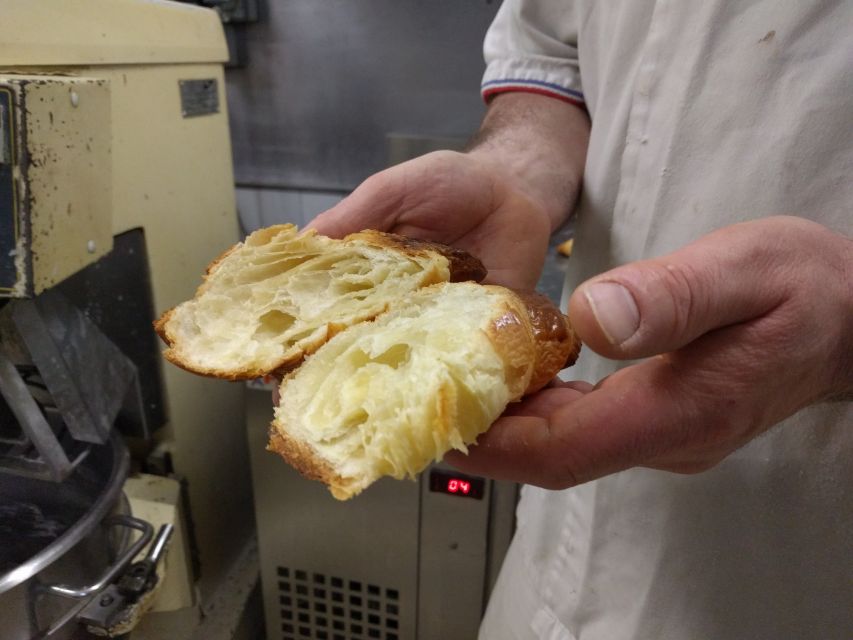
- Crust-and-crumb technique: You get specific guidance for that crunchy exterior and soft center
- Classic + signature breads: You make both a standard baguette and La Parisse, the bakery’s local claim to fame
- Croissants with shaping tips: You practice how the dough is formed, not just how it tastes
- Small groups (up to 8): More personal attention while you’re working dough
- Take-home support: You leave with recipes emailed after the class, plus bread you made to enjoy later
Enter Le Petit Mitron and Step Into a Working Boulangerie
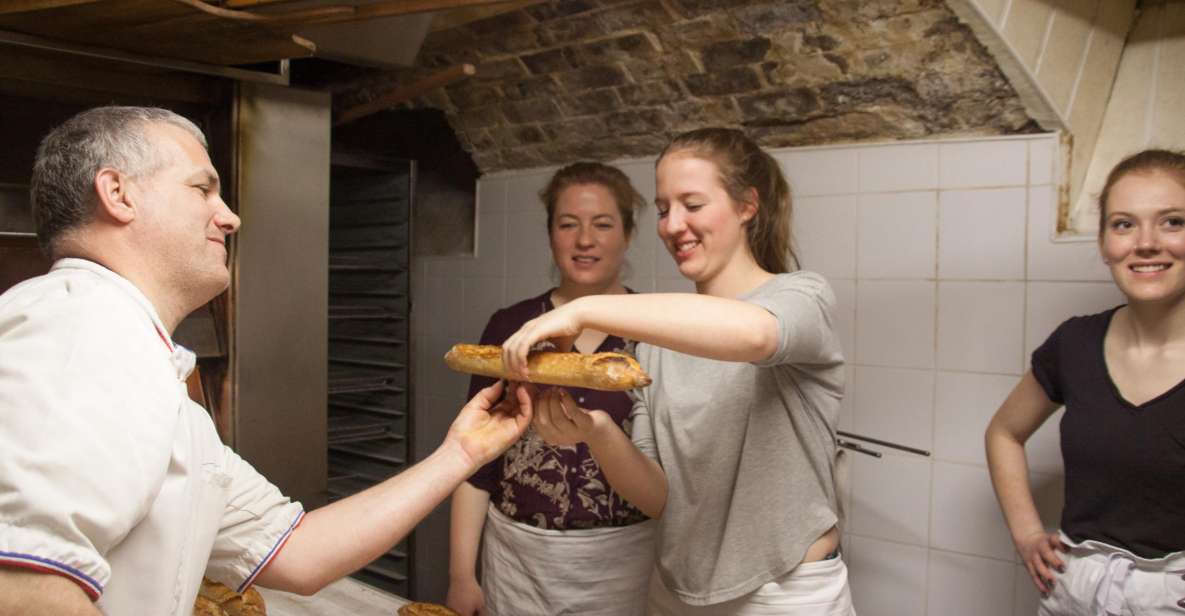
The class meets at Le Petit Mitron, 8 rue Oberkampf, in Paris 11 (easy to reach once you’ve found the street). The whole point here is that you start inside a bakery environment where bread-making is routine. That matters, because you’ll pick up the small, practical moves French bakers use every day, not just the romantic idea of bread.
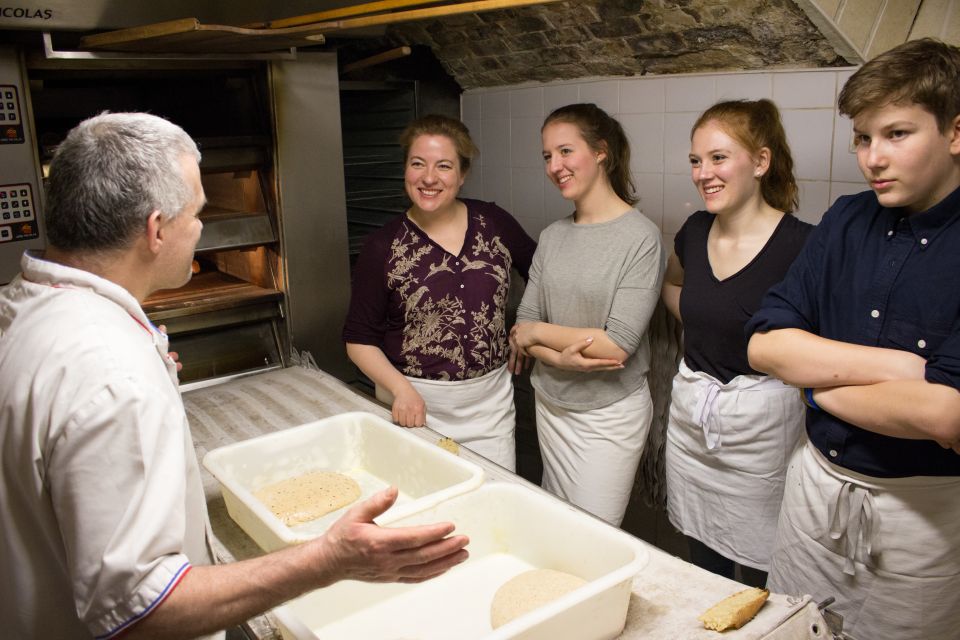
In a small group of up to 8 participants, you’re not lost in the back row. The baker and interpreter (English, French, Japanese, or Spanish) can slow down, repeat when needed, and help you correct your technique while the dough is still workable. Several people mention how engaging the baker can be, including a comedic, high-energy style (Chef Didier is specifically named often), which helps a hands-on class feel like a shared project instead of a lecture.
You should expect the class to be active from the start: flour, dough, and hands-on shaping. If that sounds fun, you’re in the right place. If you prefer quiet museums and long scenic walks, this one may feel like homework with better snacks.
You can also read our reviews of more tours and experiences in Paris

Why French Baguette Shaping Matters (and What You’ll Learn)
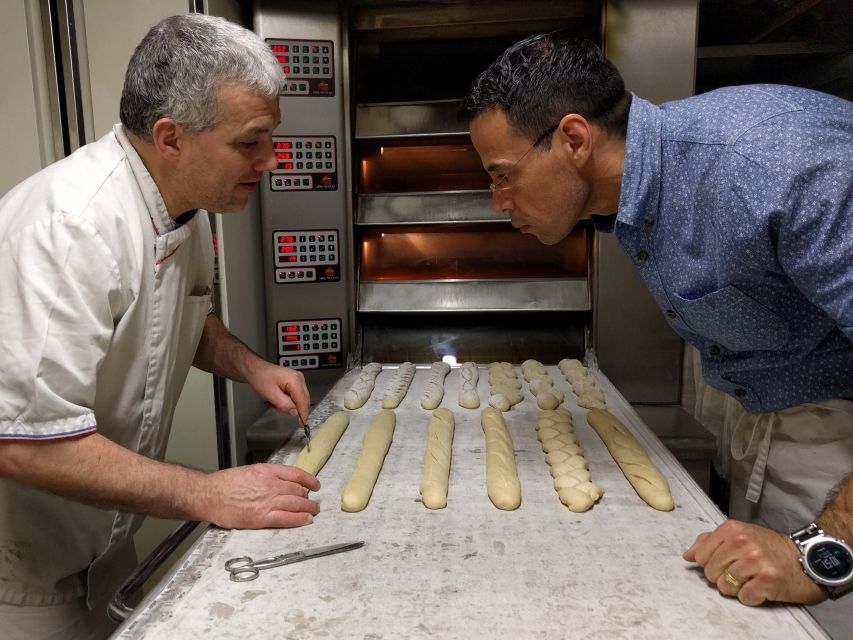
The heart of the experience is baguette-making, taught in a way that connects technique to results. You’ll learn the step-by-step process that turns basic ingredients into a loaf with a recognizable look and texture: crackly crust outside, warm softness inside.
The bread secrets here are built around the details:
- Getting the crust right: You’ll learn how to create that crunchy golden exterior instead of a dull crust.
- Protecting the interior: You’ll work on handling dough so the inside bakes up soft and warm, not tight or dry.
- Shaping for structure: Baguette shape isn’t just aesthetics. It’s how the dough expands and sets as it bakes.
I like that the class doesn’t pretend baguettes are magic. It treats them like craft. One strong theme in the feedback is how deeply the baker explains the process, plus how much history and context gets woven in. People talk about learning why baguette shapes developed the way they did and how French baking evolved over time. Even if you’re here just for the practical skills, that context helps you understand why the method looks the way it does.
Also, be ready for the sensory side. You’ll be working with flour, feeling dough consistency, and watching fermentation and handling choices. Bread is one of those crafts where watching matters—but doing matters more.
Classic Baguette Skills You Can Replicate at Home
You’ll bake two types of baguette during the class. The first is the classic French baguette, which becomes your benchmark. If you can reproduce the classic baguette at home, you can usually work from there for other variations.
During your hands-on time, you’ll focus on the mechanics that affect the final loaf:
- How to handle dough without overworking it
- How shaping influences how the loaf expands
- What to pay attention to during baking so you recognize good crust color and doneness
What you leave with is also important. Instead of only tasting bread at the end, you get recipe instructions sent by email. That’s a practical advantage, because it means you can take your time rereading the process once you’re back in your kitchen. You’re not stuck trying to decipher notes while everything is already moving too fast.
If you’ve tried baguettes at home and they always come out wrong, this is the kind of class that gives you a different way to troubleshoot. The skills aren’t just “follow this recipe.” They’re “use these techniques so the dough behaves the way you need.”
La Parisse: The Bakery Signature You’ll Actually Make
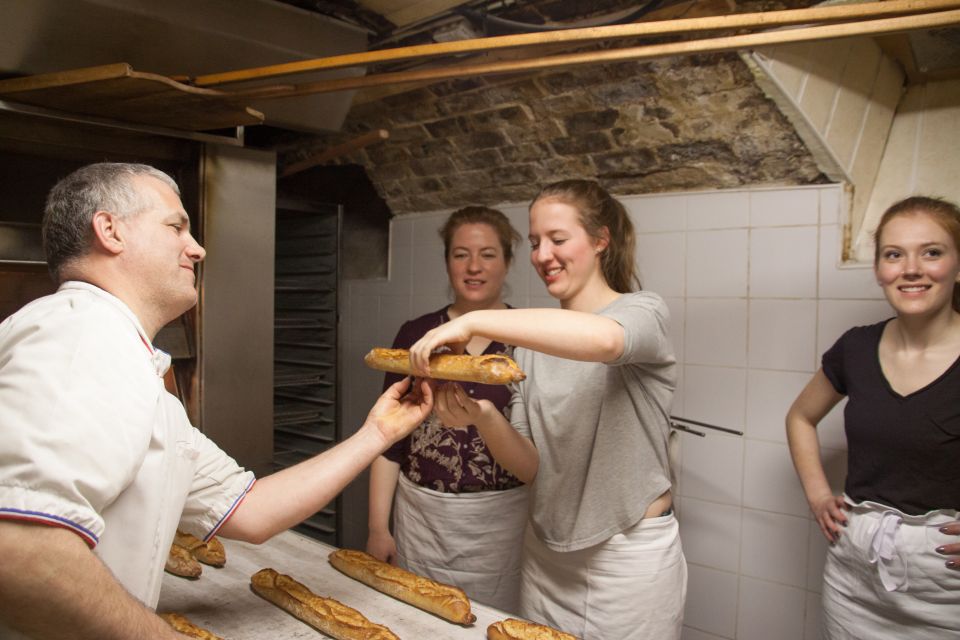
The second baguette is the signature version called La Parisse, a special bread for which the bakery is famous throughout Paris. You’ll make it as part of the same class structure, which means you’re not just getting an extra item—you’re learning how another bread style changes the shaping and approach.
Why this matters: many cooking classes teach a single “basic” recipe and leave you with the feeling you learned one trick. Here, you get a real comparison. You see how a classic baguette approach translates into a bakery-specific variation. That helps you understand French baking as a living craft, not a one-size-fits-all recipe book.
One more plus: you get to experience the bakery’s way of doing things inside the same environment where the bread is actually produced. That’s the difference between learning how to bake bread and learning how this bakery gets its results.
Croissant Time: Shaping for Layers and Flake
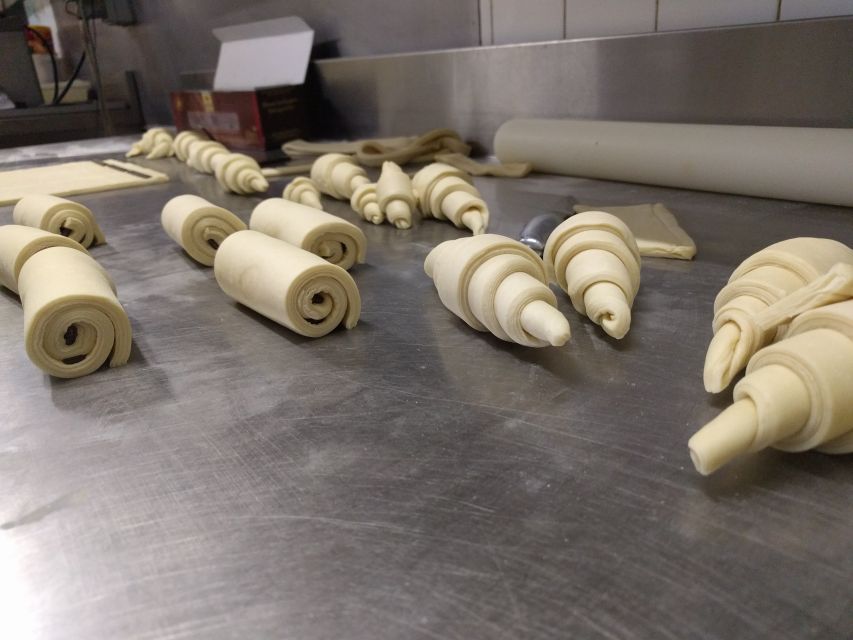
After the baguette training, you switch gears to croissants. This is where the class becomes extra fun if you like pastry as much as bread.
You learn how to make and shape croissants using the baker’s tips. Even if your first attempt looks different from a shop-bought croissant, the point is that you’re learning technique—the kind that affects lamination and structure. Shaping is part of that. It influences how the dough layers behave as the croissant bakes and expands.
From the feedback, croissants are a standout part of the experience, including people who call out the tasting of warm croissants during the class. If you want to understand croissants as more than a flaky treat, you’ll appreciate the guidance that connects how dough is handled to what ends up in your bite.
If you’re traveling with kids or teens (and older kids seem common in the feedback), croissant-making is often the most visually rewarding moment because it feels like a transformation. Dough becomes something shaped like breakfast.






What the Class Feels Like: Timing, Tasting, and Hands-On Flow
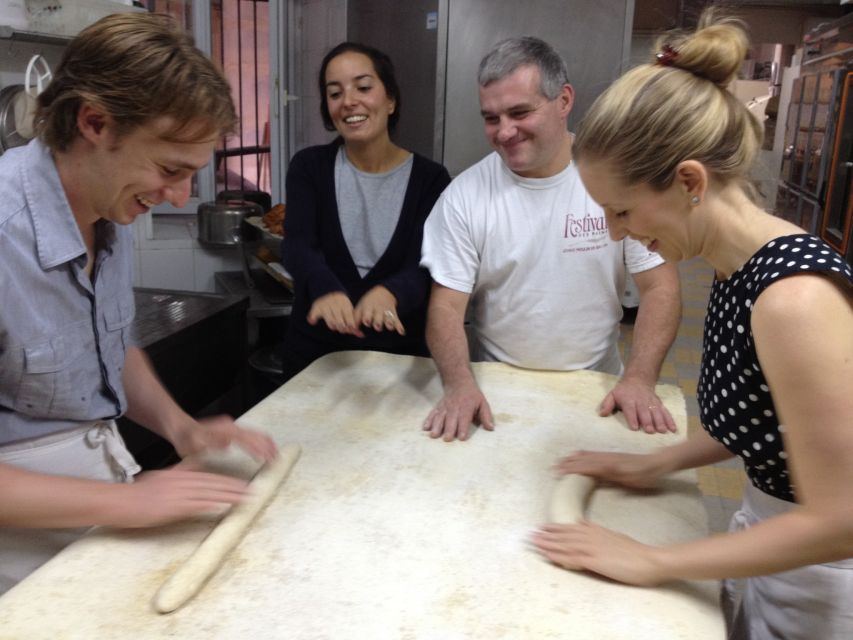
This is a compact two-hour workshop, so the pacing matters. You’re working, baking, and then tasting along the way. Many people mention warm baguettes and croissant tasting during class, and that makes sense: letting you taste while skills are fresh helps you connect technique to results.
Here’s what I’d tell you to expect in the flow:
- Dough work happens early and stays hands-on
- Baking happens while instruction continues
- You taste the results while everything is still new in your mind
- The baker and interpreter team keeps the group moving without leaving slower participants behind
The class also tends to feel interactive. The baker’s personality comes through in the teaching style—often funny, engaging, and clearly proud of the craft. The interpreter support is also a big deal. Multiple languages are offered, and English-speaking visitors often praise how smoothly translation supports the hands-on work, not just the storytelling.
One practical note: because you’re looking down at dough and tools, you can miss bread smells if you’re rushing. Take a second when the baking happens. French bread has a scent that tells you more than timers do.
What You Leave With: Bread to Take Home and Recipes by Email
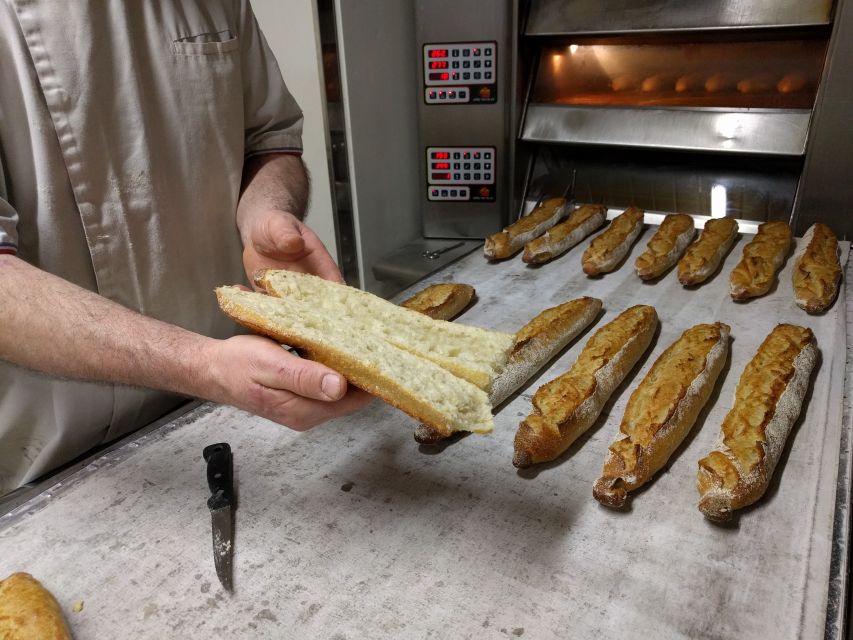
The best classes don’t end when the oven cools. This one sends you home with tangible results and repeatable instructions.
You’ll leave with:
- Bread you made, including your special baguette unique to the bakery
- Recipes sent by email so you can reproduce the process later
That bread-to-taste-to-learn combo is where the value shows up. You’re not paying only for instruction. You’re also taking home what you made. One person even highlights leaving with a big bag of baguettes after a class that included multiple samples of breads and croissants.
Recipes by email matter because it reduces the pressure to capture every detail perfectly in the moment. Two hours goes fast in a working bakery, and you don’t want to spend it panic-writing.
Price and Time: Does $258 Make Sense for This Workshop?
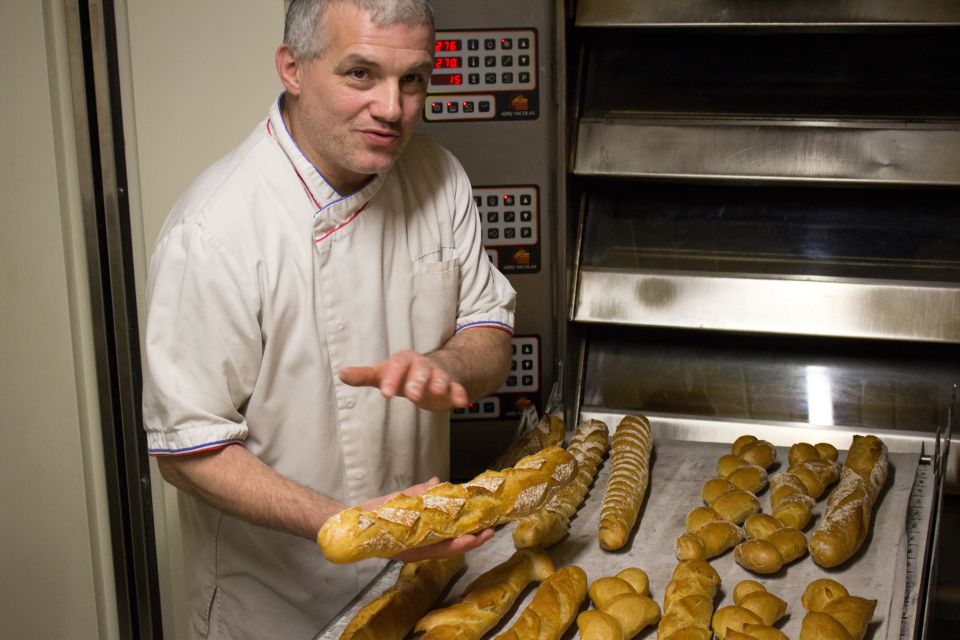
Let’s talk money plainly. At $258 per person for 2 hours, this isn’t a budget activity. But it also isn’t a generic tour.
For that price, you’re getting:
- A small group capped at 8
- Hands-on time in a real bakery setting
- Ingredients and utensils (plus an apron)
- Baguette-making for classic and La Parisse
- Croissant making and shaping guidance
- Bread tasting during class
- Recipe instructions emailed afterward
If you compare that to a self-guided bakery visit, this costs more. But you’re paying for coaching, technique, and the take-home payoff. In a bread class, the biggest “hidden value” is how often you can correct your method while the dough is workable. That’s exactly what you get with a small group and a working-baker instructor.
So the real question isn’t whether it’s cheap. It’s whether you’ll use the skills again. If you like baking, or you’ve struggled to get crust and crumb right at home, this kind of class can pay off quickly.
Who Should Book This Bread and Croissant Class in Paris
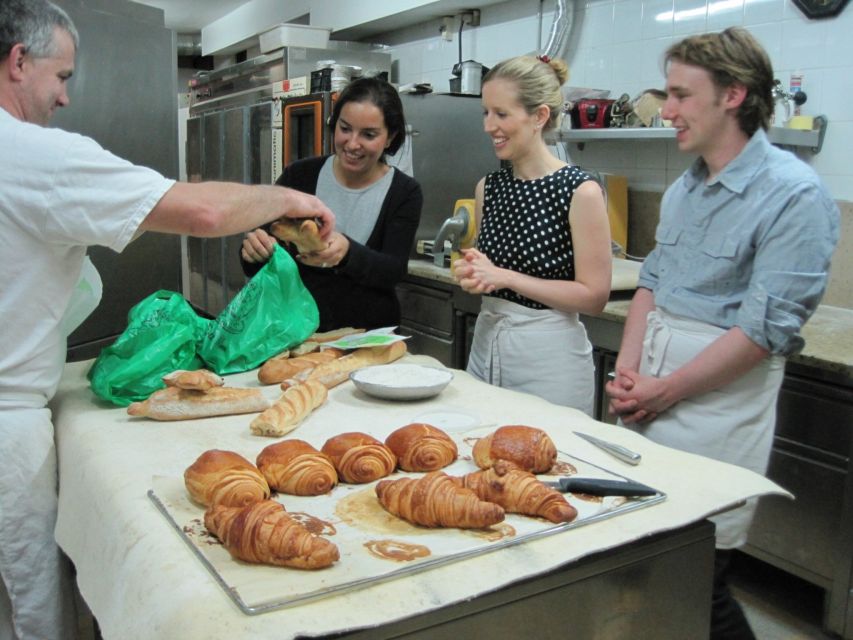
This is a great fit if you:
- Want to learn bread and pastry technique, not just watch
- Like hands-on cooking where you feel the ingredients and dough
- Prefer a small group format with instruction in multiple languages
- Want a culturally rooted Paris experience centered on everyday craft
It’s especially appealing for families with older kids. The class is not suitable for children under 6, but multiple families with kids around school-age describe the class as a highlight—fun, engaging, and hands-on.
You might also appreciate it if you care about bread quality and sourcing. People mention the baker’s passion and depth of knowledge, and one participant specifically talks about flour being made on site without additives. I can’t guarantee how that applies to every situation, so if you have strict dietary needs, you should ask the bakery directly before the class.
If you’re the type who wants a quick photo stop and then dinner, you’ll probably be happier choosing a different kind of activity. This one is work—with rewards.
Tips to Show Up Ready (So You Actually Learn)
Because this class is hands-on, you’ll enjoy it more if you prepare for the practical reality.
- Wear clothes you’re comfortable getting flour on.
- Bring an appetite. Even with tasting during class, you’ll be doing active work.
- If you’re baking at home already, think of this as technique coaching. The class is good at pinpointing what makes results differ.
- If language is a concern, check that you’ll be supported in your chosen language (English, French, Japanese, or Spanish are offered).
One last “value” tip: after the class, use the emailed recipes soon. Bread instructions make more sense while your memory of the dough feel is still fresh.
Should You Book This Bread and Croissant-Making Class?
If you want a real Paris food skill, I’d book it. This class gives you three things that most tours can’t: technique, hands-on time, and take-home bread plus recipes. The small group format helps a lot, and the baker-translator team approach keeps you from feeling lost even if French isn’t your strongest language.
Skip it if you only want a passive experience, or if $258 feels too steep for an activity that’s all about practical baking. Also, keep in mind the class isn’t suitable for children under 6.
FAQ
How long is the Paris bread and croissant class?
The class runs for 2 hours.
Where is the meeting point?
Meet at Le Petit Mitron, 8 rue Oberkampf, 75011 Paris.
What is the group size?
It’s a small group with a maximum of 8 participants.
What languages are offered for the instructor and translation?
Instruction and support are available in English, French, Japanese, and Spanish.
What will I make during the class?
You’ll learn to make and shape a classic French baguette, make a special bakery baguette called La Parisse, and learn to make and shape croissants.
Do I get recipes to use at home?
Yes. A copy of the recipe is sent by email after the class.
Is food tasting included during the workshop?
The class includes tasting of the breads and croissants made during the session.
Is this class suitable for children?
It is not suitable for children under 6.
What flexibility do I have if plans change?
Free cancellation is available up to 24 hours in advance for a full refund. You can also reserve now and pay later.