REVIEW · PARIS
Paris, between Crimes and Mysteries
Book on GetYourGuide →Operated by Cultival · Bookable on GetYourGuide
If Paris had a shadow, this tour finds it. You start on the Pont Neuf area and work your way into a darker side of the city where Templars, alchemists, witches, and infamous criminals mix into one story.
I especially like the way this experience treats small details as the real engine of the tour. You get crime-case narration that stretches from medieval rule to major fugitives of more recent times, which keeps the walk moving instead of feeling like a museum lecture.
One drawback to consider: this is a French live tour, so if your French is basic, you may catch the atmosphere more than every plot point. Also, you’ll be on your feet for 90 minutes, so comfortable shoes matter.
In This Review
- Key things to know before you go
- Pont Neuf: Where the story starts near Henri IV
- The belly of Paris: shady dealings and superstitions
- Île de la Cité: crime legends in the heart of Paris
- A timeline of crime cases: Philip the Fair to modern fugitives
- Cursed sites, hidden symbols, and alchemy talk that stays practical
- The walk ends by the Médicis Column: prophecy in stone
- Price and timing: 90 minutes at about $17
- Who this tour suits best (and who should skip it)
- Should you book Paris, between Crimes and Mysteries?
- FAQ
- What is the duration of Paris, between Crimes and Mysteries?
- How much does the tour cost?
- Where is the meeting point?
- What language is the tour guide?
- What is included in the ticket price?
- What should I wear or bring?
- Is the tour suitable for children?
- What are the main themes of the tour?
- Can I cancel for a full refund?
- Will the itinerary always stay the same?
Key things to know before you go
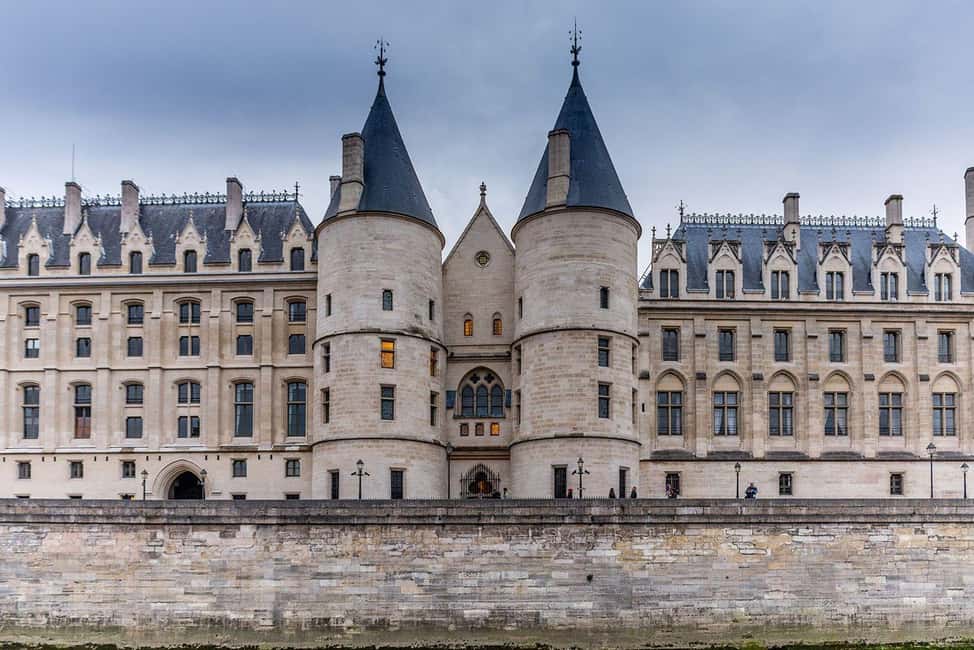
- Pont Neuf start: clear, central meeting point by Henri IV’s equestrian statue.
- Île de la Cité focus: narrow streets tied to long-running justice stories and dark legends.
- True crime timeline: cases linked to Philip the Fair, plus names like Lacenaire, Cartouche, and Mesrine.
- Occult and symbols: cursed sites, hidden markings, alchemy references, and superstitions.
- Ends at an astrology relic: the tour finishes near the Médicis Column.
- Short and intense: 90 minutes means you’ll move at a story-friendly pace, not a slow sightseeing crawl.
Pont Neuf: Where the story starts near Henri IV
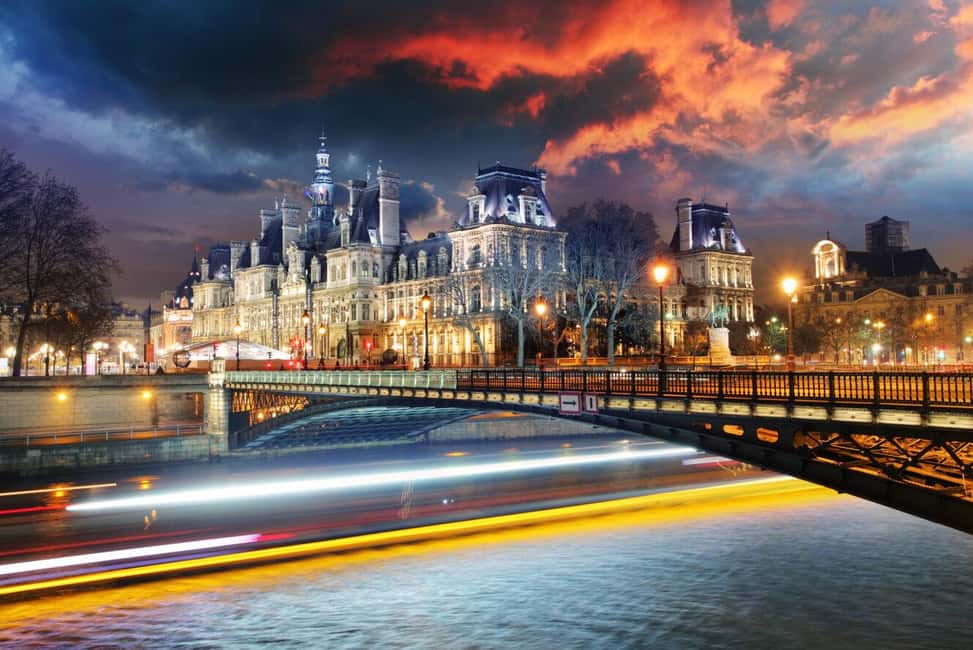
The meeting point is on the Pont Neuf, directly in front of the equestrian statue of Henri IV (15, Place du Pont Neuf, 75001 Paris). It’s a smart start: it’s easy to find, and it places you right where you can orient yourself before the tour turns into something less postcard and more rumor.
From there, the walk leans hard into atmosphere. Think night-market energy, narrow-street secrets, and the feeling that Paris has layers that never fully stop moving. You’re not just “learning facts.” You’re being guided through a narrative that connects places to people, and people to the kind of fear and fascination that makes legends survive.
Also, this kind of tour works best when you let go of the need to separate “legend” from “history.” The value isn’t in testing every claim like a courtroom. The value is in understanding why these stories stuck around—and how they shaped the way people talked about power, crime, and the unexplained.
You can also read our reviews of more tours and experiences in Paris.



The belly of Paris: shady dealings and superstitions
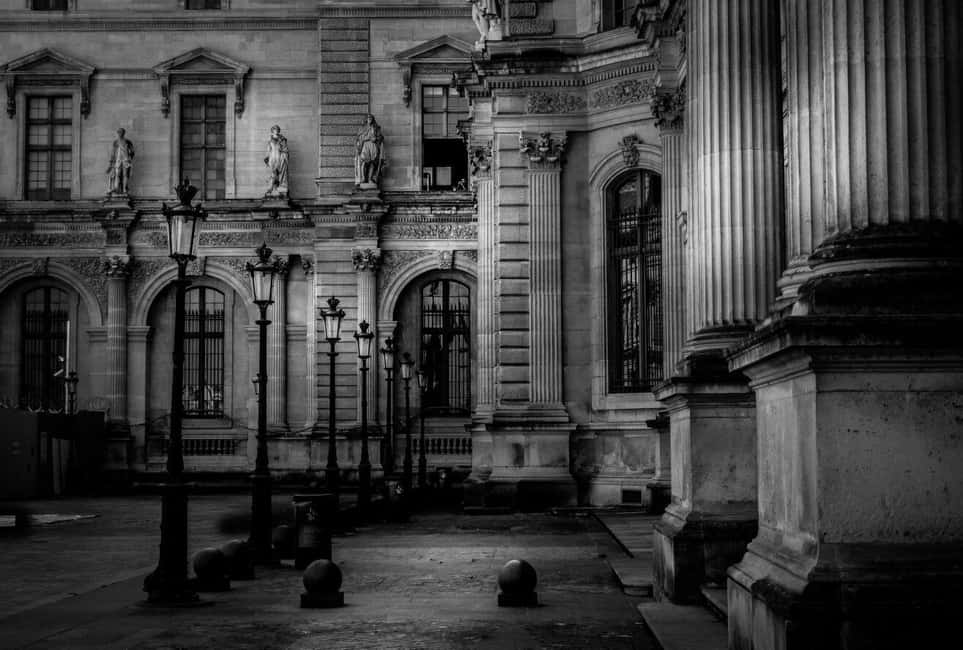
After the start, you head into the part of Paris that feels like its informal underworld—what the tour describes as the belly of the city. This is where the experience shifts from broad legends to more pointed themes: lingering superstitions, esoteric experiments, and the sense that some people chased answers through symbols instead of science.
What I like here is the balance between “spooky” and “specific.” Instead of only throwing in vague occult references, the guide ties the tone to the city itself—streets, corners, and landmarks that become prompts for stories. If you enjoy urban mythology, this is the section that makes the myth feel lived-in, not invented.
The practical consideration is pacing. Because it’s all story-based, you’ll want to stay close to your guide and keep your attention on the details they highlight. If you wander to take photos at your own pace, you can miss the connection between what you’re seeing and what’s being explained.
Île de la Cité: crime legends in the heart of Paris
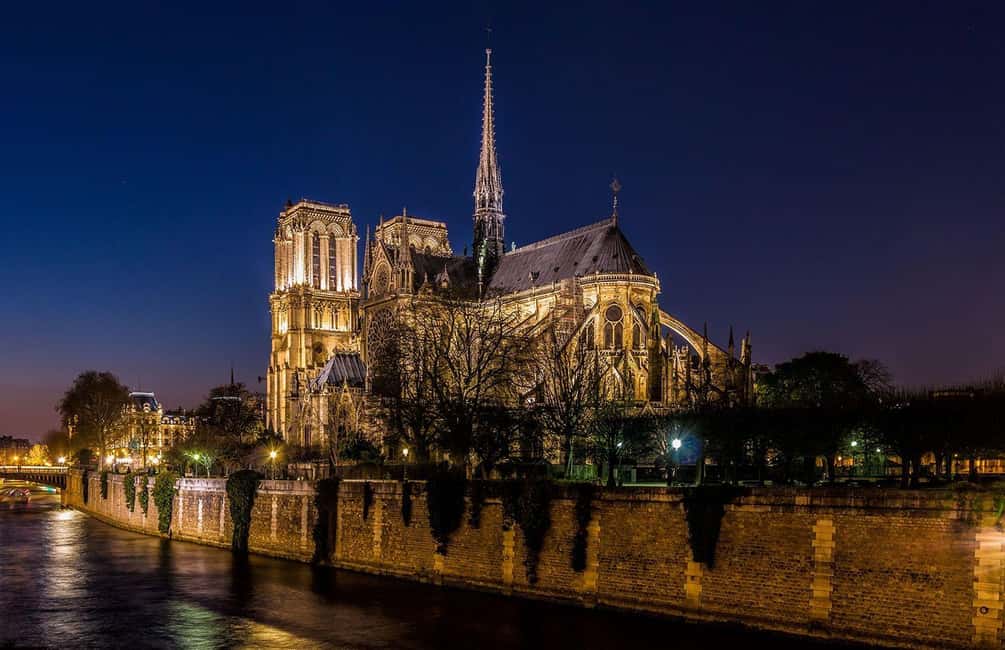
The tour then moves through the narrow streets of the Île de la Cité, a logical setting for darker tales. This is long described as a stronghold of the city’s power and its controversies, so it fits perfectly with a tour focused on crime, conspiracies, and occult practice.
One particularly concrete anchor is the area tied to 36 quai des Orfèvres, which the tour uses as a backdrop for stories that helped shape Paris’s dark legend. Even if you don’t know the details going in, the point becomes clear quickly: the city’s central spaces carry reputations. People remember who was judged here, who hid here, and what happened when official rules collided with private desperation.
As you walk, the guide revisits major moments and cases, turning the environment into a timeline. The lesson isn’t only “things happened.” It’s that Paris built its identity through conflict—legal, social, and psychological. That’s what makes this neighborhood feel different when you’re told to look at it with that lens.
A timeline of crime cases: Philip the Fair to modern fugitives
One of the most praised parts of the experience is the storytelling style—small stories in a big city. That shows up in how the tour links together different eras without losing momentum. You’re not stuck in one century.
The guide covers major criminal cases, including references tied to Philip the Fair’s reign. From there, you move into a darker run of infamous names: Lacenaire, Cartouche, and Mesrine, plus other lesser-known figures that still matter to the overall narrative of notoriety and escape.
Here’s the value for you as a visitor: it’s easier to remember a city when you can attach names to places and motives. A classic sightseeing walk often gives you chronology. This one gives you cause and effect—what people feared, what authorities tried to control, and how criminals became legends.
A word of realism: this is not positioned as a documentary. It’s a guided story built around crime and occult themes. So if you want cold, verified history with footnotes, you may find yourself wanting more source detail. If you’re okay with narrative history—facts blended with legend-driven interpretation—you’ll probably enjoy it much more.
Cursed sites, hidden symbols, and alchemy talk that stays practical
The middle portion of the tour leans into cursed sites and hidden symbols, including mentions of alchemy and witches. This is the section where you might wonder how it connects to a city you thought you already knew.
The way it works is this: the guide points at signs in the environment and then explains what those signs meant to people who lived with fear, superstition, and secret knowledge. You start noticing patterns—like how stone, layout, and location can support a story even after the original context is gone.
One thing to keep in mind: these themes can feel intense if you’re not in the mood. This isn’t a gentle “ghost story” stroll. It’s crime and occult crossover, with the focus on how conspiracies and infamous criminals shaped how Paris was talked about.
If you’re the kind of person who likes urban symbolism, you’ll leave with a new habit: looking at Paris as a place where fear and belief became part of the public record. If you prefer purely cultural or art-focused walks, you may want to pair this with a lighter day afterward.




The walk ends by the Médicis Column: prophecy in stone
The tour finishes before the Médicis Column, described as a mysterious astrological relic steeped in prophecy. This ending point matters because it closes the loop between crime storytelling and the occult idea that the future can be read—whether through the stars, symbols, or hidden signs.
It also gives your brain somewhere to land. After names, cases, and cursed locations, the ending becomes a moment of reflection: what does it mean when people treat the physical world like a message?
Practically, because the tour ends near this relic, it’s a good location to continue your day nearby. You’re still in the central Paris area, and you can shift from dark narrative mode to casual sightseeing without having to cross town.
Price and timing: 90 minutes at about $17
At $17 per person for a 90-minute guided experience, the value is mostly in the density of content. This is not a long, slow tour where you cover a handful of stops. It’s designed to keep moving and keep the story tight.
For the price, you get:
- a guided tour
- a tour entry ticket
- a live French guide
If you’re budgeting, consider what you’re really buying: interpretation plus narrative. You’re paying for a guided framework that turns ordinary streets into “what happened here” storytelling. In Paris, that kind of guided transformation is often where you get the best return.
The main trade-off is limited time. You’ll cover the highlights of the theme, but you won’t have hours for deep detours. If you love this genre, you’ll probably want to follow up later with a self-guided walk or additional reading.
Who this tour suits best (and who should skip it)
This is a great match if you’re into true crime in a city setting, enjoy legends with a little occult flavor, and like guides who keep the story moving through real places like Île de la Cité and the Pont Neuf area.
It’s also a strong option if you like learning through “how people thought,” not just “what happened.” The tour’s mix of Templars, alchemists, witches, and criminals hints at a bigger theme: power often attracts secrecy, and secrecy often creates myths.
You might skip it if:
- you want only straightforward history without the supernatural/occult framing
- you can’t comfortably follow a French live guide
- you don’t like crime-themed storytelling as the main focus
It’s recommended for ages 8 and up, so families who are comfortable with the darker themes may be fine, as long as the kids can handle the tone for 90 minutes.
Should you book Paris, between Crimes and Mysteries?
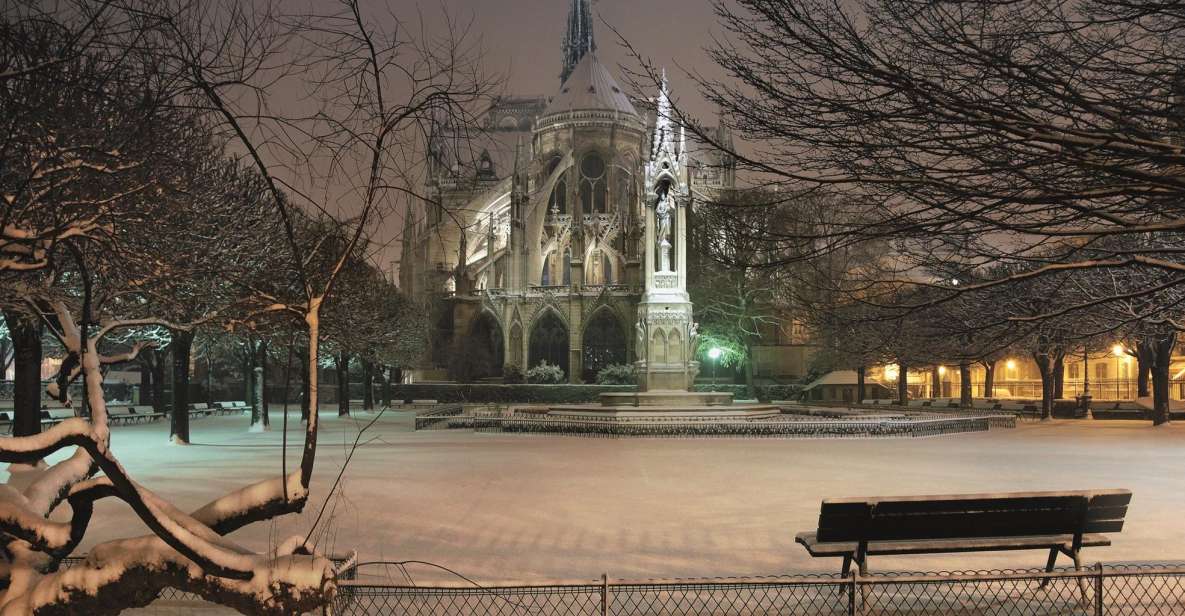
Book it if you want Paris in a different mode: street-level storytelling that connects famous and obscure criminals, medieval justice vibes, and occult symbols into one walk. The strongest reason to choose it is the approach—short stories that make the city feel like it has a hidden script.
Skip it if you’re coming for art and architecture only, or if French narration is a struggle. For everyone else—especially fans of crime legends and symbolic city walks—this is a fun, reasonably priced way to spend 90 minutes away from the usual postcard route.
FAQ
What is the duration of Paris, between Crimes and Mysteries?
The tour lasts 90 minutes.
How much does the tour cost?
The price is $17 per person.
Where is the meeting point?
Meet on the Pont Neuf, in front of the equestrian statue of Henri IV, at 15 Place du Pont Neuf, 75001 Paris.
What language is the tour guide?
The live tour guide speaks French.
What is included in the ticket price?
You get a guided tour plus a tour entry ticket.
What should I wear or bring?
Wear comfortable shoes.
Is the tour suitable for children?
It’s recommended for ages 8 and up.
What are the main themes of the tour?
Expect legends of Paris with a focus on crime, conspiracies, and occult practices, including alchemy and astrological elements.
Can I cancel for a full refund?
Yes. You can cancel up to 24 hours in advance for a full refund.
Will the itinerary always stay the same?
For security or technical reasons, the itinerary can be modified on the day of the tour, and refunds are not available for those changes.