REVIEW · PARIS
Louvre Museum Access Private Guided Visit
Book on Viator →Operated by Paris in person · Bookable on Viator
The Louvre runs on time, not guesses. This private guided visit turns the biggest museum in the world into a clear hit list—covering landmarks like the Mona Lisa and the Nike of Samothrace in about two hours.
I love getting a professional art historian who can connect the dots as you move through the museum. I also love the way the route follows art’s timeline, from Greek and Roman foundations to medieval shifts, Renaissance heights, and later styles like Romanticism and Neoclassicism.
One possible drawback: you’re not seeing everything in the Louvre. This is a highlights-and-story route, so you’ll want extra time later if you’re the type who likes wandering room-by-room.
In This Review
- Key takeaways
- Why This Private Louvre Plan Works in 2 Hours
- Meeting at Arc de Triomphe du Carrousel and Getting In Without Stress
- The Louvre’s Essentials: Mona Lisa, Nike of Samothrace, and the Story of Great Art
- The Roman Gallery: Why Antiquity Still Rules European Art
- Greek Works and the Lifeline to Western Visual Culture
- Medieval Art to the Great Gallery: Seeing the Renaissance Take Shape
- Medieval art: the bridge you might miss
- The Great Gallery: Italian Renaissance at full volume
- Romanticism and Neoclassicism: Two Ways to Feel a Painting
- What the Art Historian Guide Adds (Boris, Tina, Mila, and More)
- Price and Ticket Value for $301.71
- Who Should Book This Private Louvre Visit
- Should You Book This Louvre Private Guided Visit?
- FAQ
- How long is the Louvre Museum Access private guided visit?
- Is this a private tour?
- What’s included in the price?
- Are food and drinks included?
- Where do we meet for the tour?
- Is the experience refundable if plans change?
Key takeaways
- Private, English-led art focus that keeps you from feeling lost in crowds
- Highlights with context from antiquity to Renaissance and beyond
- Tight timing (about 15 minutes per major stop) so you cover the right rooms fast
- Guides who tailor your route based on what you want to see
- A smoother start to your visit, including smart use of your entry time
Why This Private Louvre Plan Works in 2 Hours
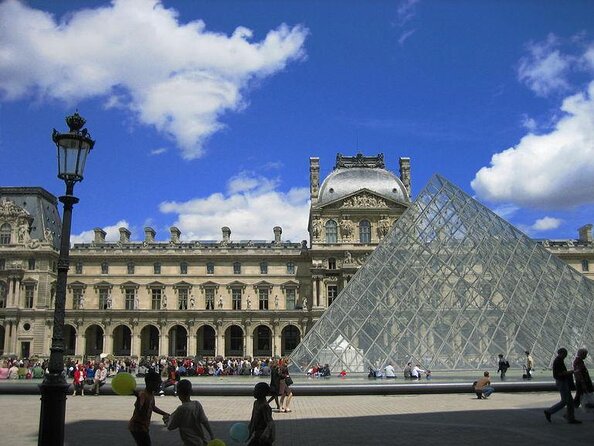
The Louvre is not a museum you casually “do.” It’s a whole city of galleries, and without a plan you can burn hours and still miss the pieces that make people stop mid-sentence. This experience is built for the real-world Paris schedule: you get a structured visit that prioritizes the masterpieces and the big artistic turning points.
What I like most is that it’s not just name-dropping. The guide leads you through major movements and themes so the art starts to make sense as you look—Roman art’s influence, Greek foundations, the jump into medieval themes, and then the Renaissance style people call the peak of European painting. You’ll also get the later style swing into Romanticism’s drama and Neoclassicism’s controlled elegance.
This is a strong choice if you only have one short day, if you’re traveling solo, or if you want the museum to feel understandable instead of overwhelming.
You can also read our reviews of more guided tours in Paris



Meeting at Arc de Triomphe du Carrousel and Getting In Without Stress
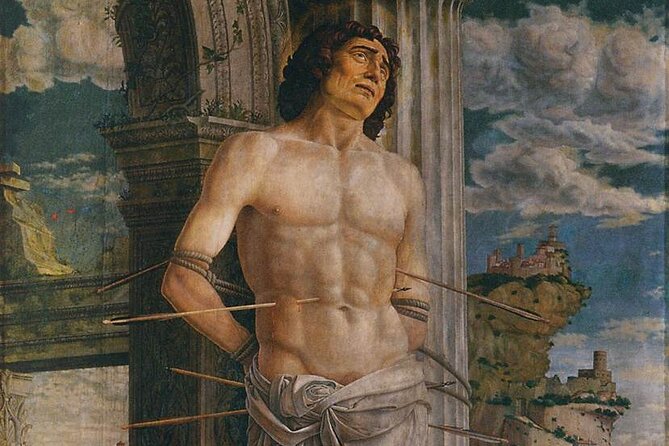
Your tour meets at Arc de Triomphe du Carrousel, Pl. du Carrousel, 75001 Paris, and ends back there. That location matters because it’s right in the Louvre orbit, so you’re not trekking across the city just to start.
You’ll receive confirmation at booking, and the tour uses a mobile ticket. The tour is also described as near public transportation, which helps a lot because the Louvre area can be tricky to navigate on foot once you add crowds.
One practical note: the experience calls for moderate physical fitness. The Louvre has lots of walking, dense crowds, and stairs. Comfortable shoes are not optional here—think “all-day museum pace,” not “nice dinner shoes.”
The Louvre’s Essentials: Mona Lisa, Nike of Samothrace, and the Story of Great Art
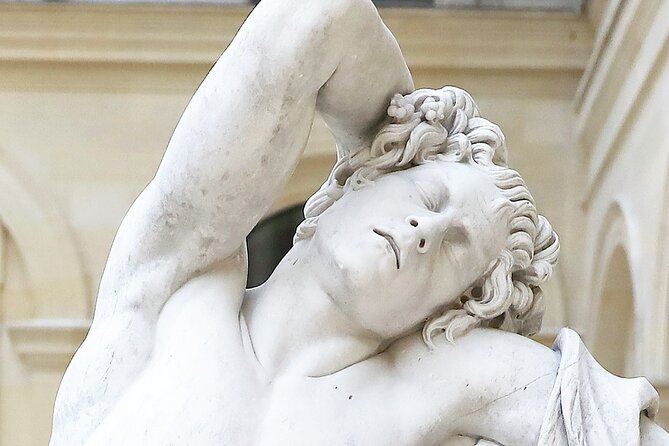
Your first stop is the Louvre Museum, where you’ll get guided time with some of the best-known masterpieces plus the kind of works that often get overlooked if you only chase fame. Expect the visit to begin with the feel of an organized introduction: you’re not wandering, you’re being oriented.
This is where the Louvre’s scale can really hit you, so having a guide changes everything. Reviews reflect a common theme: guides help you enter quickly using the time slot and then move you into the museum efficiently. In plain terms, you start seeing art sooner and spend less time standing still.
You’ll see major stars like the Mona Lisa and the Nike of Samothrace, but the real value is the framing. When an art-historian guide points out what to notice—style choices, material details, and why later artists cared—it turns famous art into something you can actually read.
There’s also a bonus effect: once you’ve been shown how the museum organizes its galleries and ideas, you’ll have an easier time continuing on your own after the two hours.
The Roman Gallery: Why Antiquity Still Rules European Art
Next up is the Roman gallery. This stop is only about 15 minutes, but it’s designed to answer a big question: why did Roman art matter so much later in European culture?
Roman art helped set patterns for what came after—how bodies were represented, how power was shown through imagery, and how classical themes kept reappearing with new meanings. Even if Roman sculpture feels different from what you expected, the guide’s job is to help you connect the visual language to its legacy.
Here’s the practical benefit for you: if you know what the Romans were doing and why, the rest of your Louvre visit stops feeling like random rooms. You start seeing the “after” in the art’s influence instead of just the “then.”
Greek Works and the Lifeline to Western Visual Culture
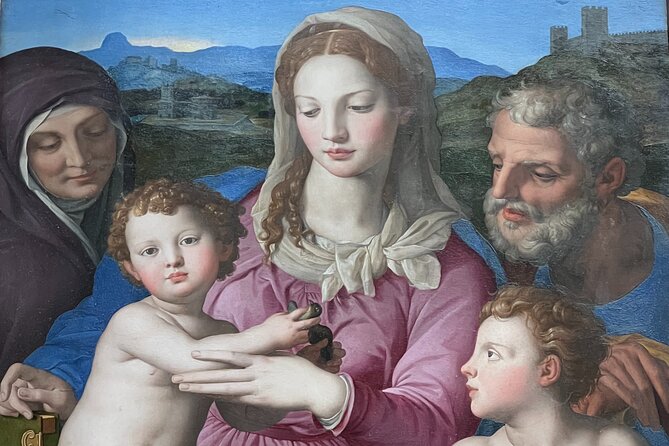
The next stop focuses on Greek works of art and their crucial importance. This is where you often get your first real “aha” moment: Greek style didn’t just end up in textbooks; it became a reference point that artists kept using for centuries.
Greek art is frequently where people begin to notice proportions, posture, and the way motion or calm gets expressed. With a guide, you’re not left guessing what you’re supposed to see. You get quick tools to look with intention—what’s symbolic, what’s technical, and what later European artists borrowed.
Because your time is limited, this kind of guided “greatest hits with meaning” works better than trying to figure it out solo. You’re getting the foundation without needing weeks of study.
You can also read our reviews of more private tours in Paris






Medieval Art to the Great Gallery: Seeing the Renaissance Take Shape

After antiquity comes medieval art, followed by the big focal point: the Great Gallery. This sequence is smart. It shows you how styles and themes evolve rather than treating each era like a separate museum.
Medieval art: the bridge you might miss
Medieval art can be easy to skip if you’re only chasing the biggest names. But this stop is there for a reason: it explains how medieval themes influenced the Renaissance period. The guide helps you notice what shifts in mood, subject matter, and artistic priorities.
Even in a short visit window, this kind of context prevents you from saying, “Okay, pretty,” and moving on. You’ll look with more questions.
The Great Gallery: Italian Renaissance at full volume
The Great Gallery is described as the focal point, with Italian renaissance art at the center. This is the room many people think of when they imagine European painting at its most polished and influential.
If you’ve ever felt like you appreciate a masterpiece but don’t know why others call it essential, this stop is where the answer gets practical. The guide helps you understand the qualities people were aiming for—composition, idealized beauty, drama, and balance. And since the timing is tight, you’ll get a tour that hits the most meaningful angles instead of letting the room’s size swallow your attention.
Romanticism and Neoclassicism: Two Ways to Feel a Painting
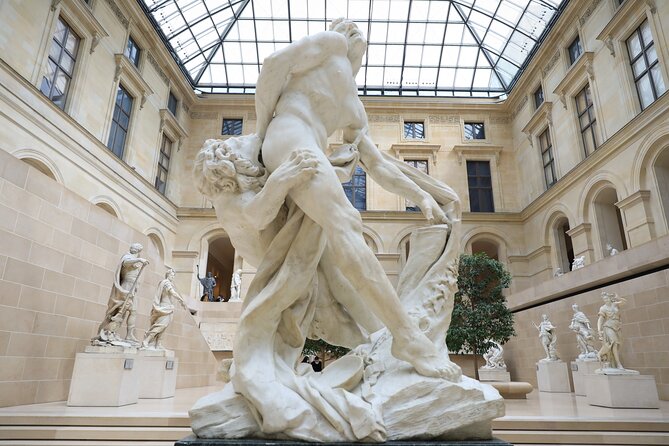
Next you’ll move into the Romanticism gallery, described as fiery and dramatic. Then you’ll shift into Neoclassicism, with elegant, poised, sophisticated paintings.
This pairing is a good way to train your eye. Romanticism asks you to look for intensity—emotion, motion, and drama. Neoclassicism asks for discipline—restraint, symmetry, clarity, and composure. When you see both back-to-back, the differences land fast. You can almost feel how tastes changed.
From a value perspective, this is one of the best parts of the route. If you only saw masterpieces without learning what style means, you might walk away thinking everything is just beautiful. These stops help you understand that the museum is also a record of changing ideas—what people valued, feared, admired, and wanted to portray.
What the Art Historian Guide Adds (Boris, Tina, Mila, and More)
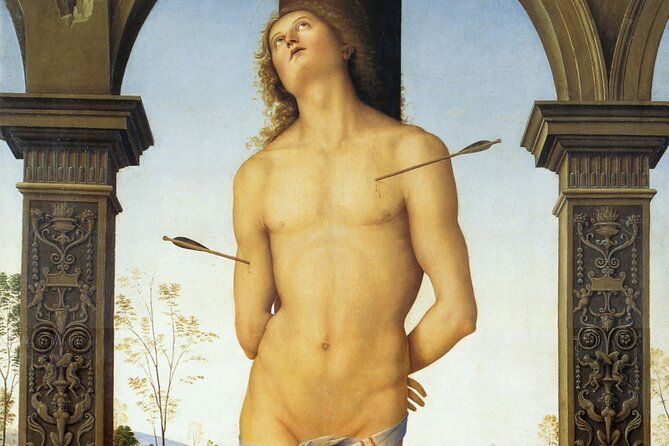
The biggest reason to choose a private guided format here is focus. Reviews repeatedly highlight that guides are punctual, engaging, and able to adapt. Names that come up include Boris, Boraz, Tina, Mila, and others. The pattern is consistent: guides help you keep moving and help you understand what you’re seeing without turning it into a lecture you can’t follow.
You’ll likely get:
- a quick interview-style setup so the route matches your interests
- explanations that connect the art to broader European culture
- practical navigation help so you don’t waste your energy figuring out where to go next
One review also mentioned an interesting extra stop along the way: a look at the original moat area around the earlier fort beneath the Louvre. That’s not something you’d automatically find on your own, and it’s exactly the kind of detail a good guide can help you notice if your route allows for it.
After your tour ends back at the meeting point, the guide’s framing can make your follow-up wandering (if you choose to do more) feel purposeful instead of random. If you want to spend even a bit more time inside, this is where the guide’s “how to keep going” advice pays off.
Price and Ticket Value for $301.71
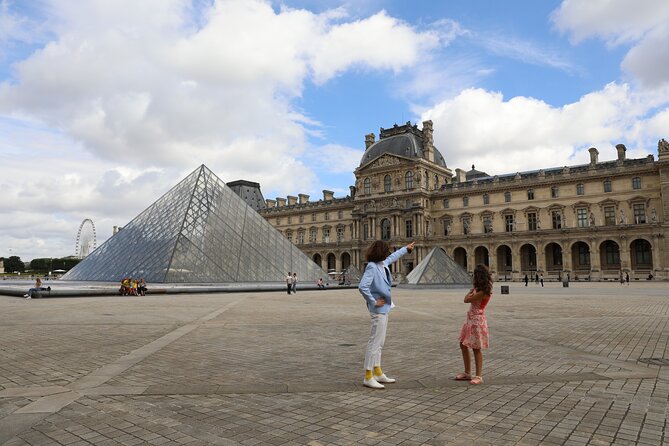
This tour costs $301.71 per person and runs about 2 hours. The museum entry included is listed as €22 for adults. So you’re paying for three things at once:
- your time with a private art historian guide
- guided access built around your visit window
- a ticket component that’s already included
Is it expensive? Yes, compared with walking in on your own. But the value isn’t just convenience. It’s compression. In a museum this big, losing one or two hours to confusion can turn into disappointment fast—especially if you only have one Louvre day.
If you’re traveling as a couple or a small group, this kind of private focus also becomes easier to justify. The tour is listed with group discounts, which can help soften the cost.
A simple rule to use: if you can’t imagine spending half your day figuring out what to see, this is the kind of spending that saves your trip.
Who Should Book This Private Louvre Visit
I’d steer you toward this tour if:
- you have limited time and want the essentials with meaning
- you’re traveling solo and want the museum to feel manageable
- you prefer a structured route instead of hoping you stumble into the right rooms
- you care about how art changes over time, not just the famous names
This is also a great option if you don’t want to commit to a full-day Louvre marathon. The design is built around getting you oriented, giving you a memorable slice of art history, and then letting you decide what you want to pursue afterward.
If you love deep research and want to linger for long stretches in many wings, this may feel short. But for most first-timers, it’s a smart way to turn overwhelming into clear.
Should You Book This Louvre Private Guided Visit?
If your top priority is seeing the Louvre’s major masterpieces fast and leaving with an actual understanding of what you looked at, I think you should book it. The format fits your schedule, keeps you moving, and gives you the kind of context that makes the art stick.
Don’t book it if your goal is to spend hours drifting and reading every label. This tour is designed for a guided story across key galleries, not a full museum immersion.
My practical advice: treat this as your “core Louvre day.” Book this for your first visit or your only visit, then plan extra time later (if you can) for the areas that grab you after the guide’s storyline gives you a starting point.
FAQ
How long is the Louvre Museum Access private guided visit?
It runs for about 2 hours.
Is this a private tour?
Yes. It’s private, and only your group will participate.
What’s included in the price?
The tour includes a professional art historian guide, a private tour, and a €22 admission ticket to the museum for adults. You’ll also use a mobile ticket.
Are food and drinks included?
No, food and drinks are not included.
Where do we meet for the tour?
The start location is Arc de Triomphe du Carrousel, Pl. du Carrousel, 75001 Paris, France. The tour ends back at the meeting point.
Is the experience refundable if plans change?
No. This experience is non-refundable and cannot be changed for any reason.