REVIEW · PARIS
Further training workshop
Book on Viator →Operated by Aperture Tours · Bookable on Viator
Paris photos get better fast.
This private 3-hour photography walking tour turns iconic Paris into an outdoor classroom, with a professional photographer professor coaching you as you shoot Notre Dame, the Louvre, and the maze-like streets around the Île de la Cité and the Latin Quarter. It’s built for real camera practice: technique, exposure, lighting, and composition, without needing specialist gear.
I like that it’s genuinely small-group (up to four), so you’re not stuck watching someone else’s camera tips from across the sidewalk. I also like that the stops are mapped to big photo goals—Notre Dame, the Louvre, and even the Eiffel Tower—so your lesson ends with images you can actually use as postcards.
One thing to consider: this is a walking workshop with short, focused photo sessions (about 30 minutes per stop). If you’re hoping for lots of time inside museums or long hangs at one viewpoint, you may feel a little rushed.
In This Review
- Key Things You’ll Really Get Out of This Workshop
- A Photo Walk That Teaches You How to See
- Notre-Dame de Paris: Angles, Lines, and Exposure Practice
- The Louvre Photo Stop: Symmetry Without Being Boring
- Tuileries Garden Views: Working the Edges of a Big Scene
- Eiffel Tower Session: Make the Icon Yours
- Pont Neuf: Finishing Strong With a Bridge Composition
- What Makes the Pricing Feel Fair for a Private Workshop
- Who This Tour Suits Best (and Who Might Want Something Else)
- Practical Tips for Getting Great Photos on Day One
- Should You Book This Paris Photography Workshop?
- FAQ
- How long is the experience?
- What is the group size?
- How much does it cost?
- What places do we photograph?
- Is admission required for the stops?
- Do I need special photography equipment or experience?
- Is a camera included?
- What time does the tour start?
- Can I cancel for a full refund?
Key Things You’ll Really Get Out of This Workshop
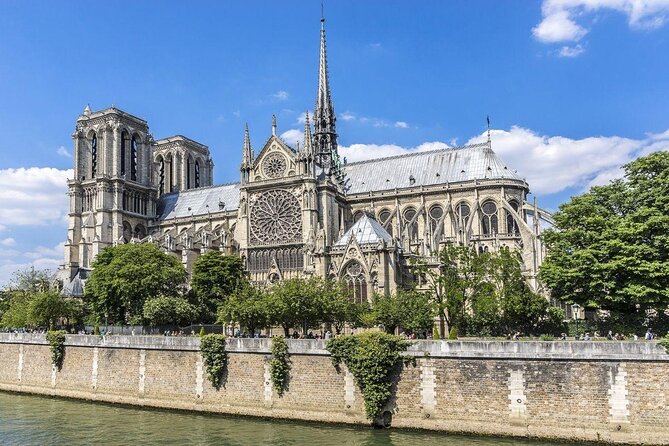
- Private coaching for up to four means you get answers to your exact camera questions, not generic tips
- Real Paris photo targets: Notre Dame, the Louvre, Tuileries, Eiffel Tower, and Pont Neuf
- Exposure, lighting, and composition guidance you can apply instantly as the light changes
- No specialist experience needed—your guide tailors the lesson to your level and camera
- Free admission listed for the main stops, so you can focus on shooting plans rather than tickets
A Photo Walk That Teaches You How to See
I love Paris because it gives you near-constant “frame material.” But even with a great city in front of you, your photos can still look like snapshots. This tour helps you fix that fast by building habits: where to stand, how to control light, what to adjust in-camera, and how to compose so your final image looks intentional.
The workshop format matters. Instead of a lecture, you’re walking from one iconic spot to the next while the photographer adjusts what you work on—angles, timing, and composition—based on what you’re shooting that moment. You’ll get tips that are meant to be used right away, not filed away for later.
And yes, the pace is brisk. You’re there for skill-building, not for wandering all day.
You can also read our reviews of more tours and experiences in Paris



Notre-Dame de Paris: Angles, Lines, and Exposure Practice
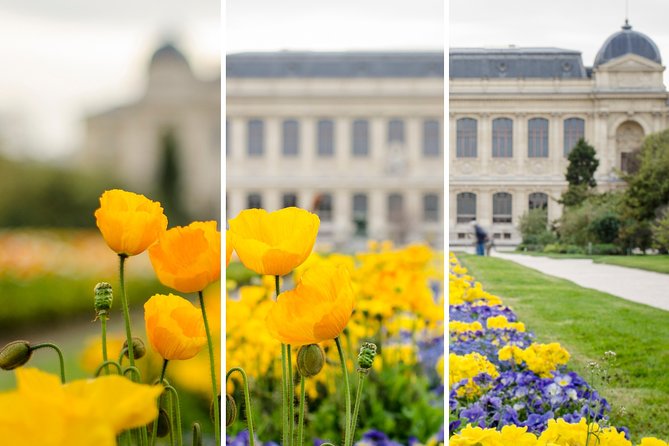
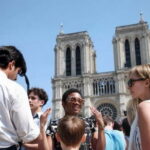
Stop 1 is Cathedrale Notre-Dame de Paris for about 30 minutes, and it’s listed as admission-free for this activity. This is a smart start. Notre Dame is iconic, but it’s also demanding to photograph because it’s tall, detailed, and surrounded by other visual noise.
Here’s what you can focus on during your first stop:
- Pick a position that makes the cathedral the subject (not the busy surroundings)
- Practice exposure control so stone tones don’t end up too dark or blown out
- Use composition rules (like leading lines) to make the building feel anchored instead of floating
This is the moment to set your “photo goal” for the day. If your goal is postcard-perfect verticals, tell yourself that before you shoot. If your goal is a more creative look, aim for a dramatic angle or a tight crop that shows textures.
If your tutor is Alexander, the teaching style is described as patient and informative—exactly what you want when you’re learning on the fly and don’t want to feel rushed.
The Louvre Photo Stop: Symmetry Without Being Boring
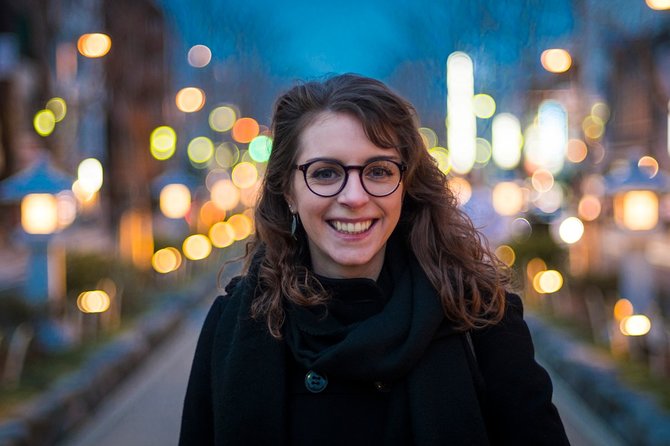
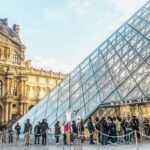
Stop 2 is the Louvre Museum for about 30 minutes. Admission is listed as free for this activity, so you can concentrate on photographing from public areas rather than budgeting time for entry.
The Louvre is a “composition magnet.” It gives you straight lines, strong geometry, and big architectural shapes. That can make it easy to overdo symmetry and end up with flat-looking results. The workshop helps you go beyond the default shot.
During this stop, I’d aim to practice:
- Angle changes: move a few steps and try a slightly different perspective
- Framing discipline: decide what you want the viewer to notice first
- Light awareness: even within 30 minutes, the way highlights fall can change the mood of the image
If you’re using a phone, the same concepts still matter: what you include, what you cut out, and how you control brightness. This is where the lesson becomes practical. You’ll learn what to adjust so the camera stops guessing for you.
Tuileries Garden Views: Working the Edges of a Big Scene
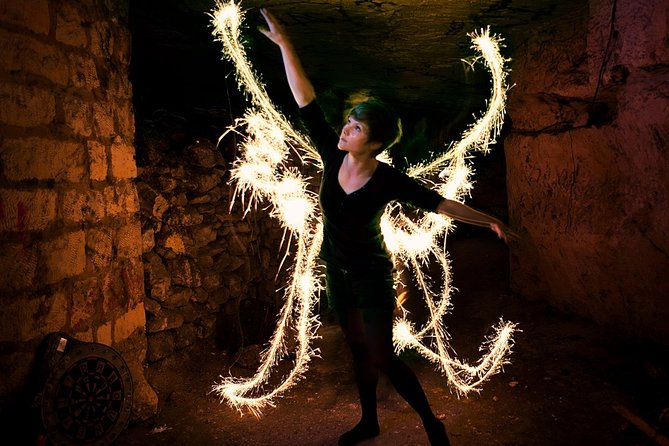
Stop 3 is the Tuileries for about 30 minutes. It’s a good breather between huge landmarks, and it’s also a place where “creative camerawork” really pays off.
What makes this stop useful in a workshop? You get variety. Even if you don’t plan on photographing people, you’ll find lots of textures and repeating shapes—walkways, boundaries, and architectural accents. Instead of trying to capture everything, you can make a smaller, stronger image.
Try this kind of thinking:
- Look for leading lines that pull the eye toward the main subject
- Practice foreground-background separation through your framing choices
- Shoot a few “safe” images early, then test one more experimental idea before the time runs out
This stop also helps you avoid the common trap of chasing landmark shots nonstop. You’ll leave with photos that feel more like you were thinking, not just aiming.
Eiffel Tower Session: Make the Icon Yours
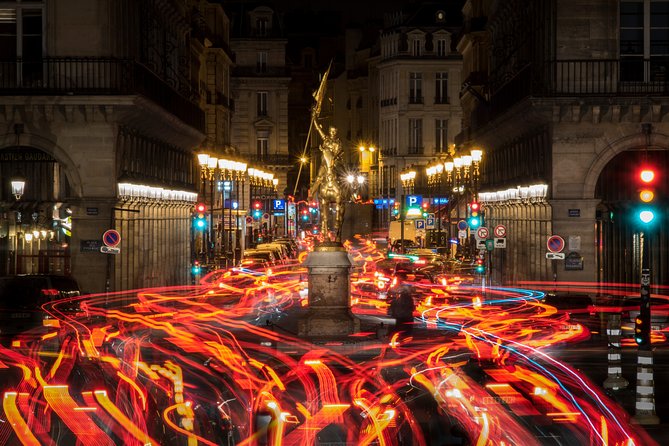
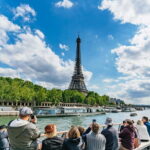
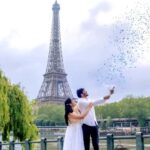
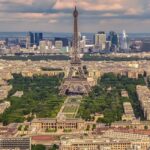
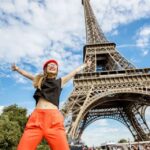
Stop 4 is the Eiffel Tower for about 30 minutes, again listed as admission-free for this activity. Eiffel Tower photos can go one of two ways: either they look generic, or they look like the photographer took control of the shot. This workshop pushes you toward control.
In a short time window, your best tool is strategy:
- Decide in advance whether you want a wide environmental shot or a more graphic crop
- Look for interesting framing: something that creates a border around the tower
- Pay attention to contrast—how dark areas and bright highlights behave in your image
Because this is coached, you’re not left guessing. The photographer can guide you toward settings and composition that match what you’re seeing. You also get a chance to practice “resetting” your approach: same subject, different idea.
Pont Neuf: Finishing Strong With a Bridge Composition
Stop 5 is Pont Neuf for about 30 minutes, and it’s listed as admission-free. Ending here makes sense. Bridges offer strong geometry and natural pathways for your eye to follow. You can also use the bridge’s structure to create depth, which often makes photos feel more three-dimensional.
This last stop is where I’d expect your photos to start looking like your own style. After working through Notre Dame, the Louvre, and Tuileries, you’ll have fresh camera habits—and now you can apply them to a final, satisfying subject.
If you want a simple plan:
- Start with one classic framing
- Then switch to one creative composition: tighter, higher/lower perspective, or a crop that emphasizes structure
- Finish by checking your results on your camera screen and adjusting one last time
This is how you turn a tour into a skill, not just a list of sights.
What Makes the Pricing Feel Fair for a Private Workshop
The price is $190.10 per person for about 3 hours. That sounds like a lot until you factor in what’s included: a local guide plus a private workshop with a professional photographer professor, and small-group size up to four.
Here’s the value math that matters for most people:
- You’re getting instruction, not just sightseeing
- You have a limited group, which makes questions practical
- You’ll learn technique you can reuse on future trips
If you’re the kind of traveler who spends time after the trip sorting photos and wishing they looked better, this workshop is targeted at that pain. Even if you only gain one “camera habit” that improves your results, it’s a win.
And because the main stops are listed as admission-free for the activity, your time goes into shooting rather than ticket stress.
Who This Tour Suits Best (and Who Might Want Something Else)
This is a strong fit if:
- you want to improve composition and exposure in a hands-on way
- you like photographing major landmarks but want less generic results
- you prefer small-group instruction and personalized guidance
It may be less ideal if:
- you want long museum time inside the Louvre (this is a photo-focused walking workshop)
- you hate moving at a brisk pace between stops
Most travelers can participate, and service animals are allowed. It’s also near public transportation, which helps if you’re coordinating with other parts of your day in Paris.
Practical Tips for Getting Great Photos on Day One
You don’t need specialist equipment, but you do need readiness. The basics matter because you only have about 30 minutes per stop.
Bring:
- Your camera (it’s not provided)
- Any basic accessories you already use (whatever helps you shoot comfortably)
Go in with a mindset:
- Decide what you want your photos to do: look crisp, look dramatic, feel like you were there
- Expect to tweak settings and composition during the coaching, not just at the beginning
- Use each stop to test one idea, then keep the idea that works
Also, wear shoes you can walk in for a few hours. Paris is beautiful, but it’s also very much a city you experience on your feet.
Should You Book This Paris Photography Workshop?
I’d book it if you want a structured way to upgrade your photos without becoming a full-time photography nerd. The combination of private, small-group coaching, a focused route through major Paris landmarks, and short practice sessions makes it efficient. You’ll likely come away with a handful of photos you feel proud of—and a clearer sense of how to control your camera next time.
If you’re looking for a slow, sightseeing-only stroll, or you want time to wander freely without guidance, you might prefer a different kind of tour. But for learning how to see and shoot Paris with intention, this one fits.
FAQ
How long is the experience?
It lasts about 3 hours (approximately).
What is the group size?
It’s a private workshop with a maximum of four people.
How much does it cost?
It costs $190.10 per person.
What places do we photograph?
The tour includes photo stops at Cathedrale Notre-Dame de Paris, the Louvre Museum, Tuileries, the Eiffel Tower, and Pont Neuf.
Is admission required for the stops?
The itinerary lists the stops as Admission Ticket Free.
Do I need special photography equipment or experience?
No specialist equipment or prior experience is needed. You should bring your camera.
Is a camera included?
No. The camera is not included, so you’ll need to bring your own.
What time does the tour start?
The start time listed is 1:00 pm, and multiple departure times are offered.
Can I cancel for a full refund?
Yes. Free cancellation is available. You can cancel up to 24 hours in advance for a full refund.
If you tell me what camera you’re bringing (phone, DSLR, mirrorless, or compact), I can suggest what to focus on first during the Notre Dame stop so you start improving right away.