REVIEW · PARIS
Freemason; myths and revelation of a secret organization
Book on GetYourGuide →Operated by Cultival · Bookable on GetYourGuide
Secrets hide in plain sight. This 90-minute Freemasonry walking tour is all about separating story from reality, using what you can actually spot in Paris—especially the visible and hidden Masonic symbols built into architecture. I like the way it connects the order’s English origins to the Enlightenment, then brings it back to modern France through the Grande Loge de France. One thing to plan for: the tour is French only, so you’ll want enough language comfort to follow the explanations.
What I really enjoy here is the focus on observation with a guided hand—look closely at facades and sculptures, then learn what you’re seeing and why it matters. I also appreciate how the tour treats Freemasonry as a social and historical force, not just a conspiracy puzzle, with discussion of organisation, rituals, symbolism, and influence. The only real caveat from the experience itself is that pacing and clarity can vary a bit depending on the guide, so bring curiosity (and be willing to ask questions).
In This Review
- Key Things You’ll Notice on This Walk
- What Freemasonry Adds to Your Paris Sightseeing
- Grande Loge de France: The Organisation Behind the Mystery
- Your Starting Point: Saint-Germain-des-Prés as a Symbolic Stage
- Around Saint-Germain-des-Prés: Spotting Visible (and Subtle) Traces
- Palais Bourbon District: Influence, Power, and Public Meaning
- The Walking Format: 90 Minutes, Comfortable Pace, and What to Bring
- Price and Value: Is $17 a Good Deal for This Kind of Tour?
- Who Should Book This Freemason Tour (and Who Might Skip)
- Should You Book This Tour?
- FAQ
- FAQ
- Is this tour in English?
- How long is the Freemasons myths tour?
- Where does the tour start?
- What is included in the ticket price?
- What is the price per person?
- Is a transfer included?
- Can I cancel for a refund?
- Is the tour wheelchair accessible?
Key Things You’ll Notice on This Walk
- Grande Loge de France: you learn how it’s organised and why its structure and rituals fuel the aura of secrecy
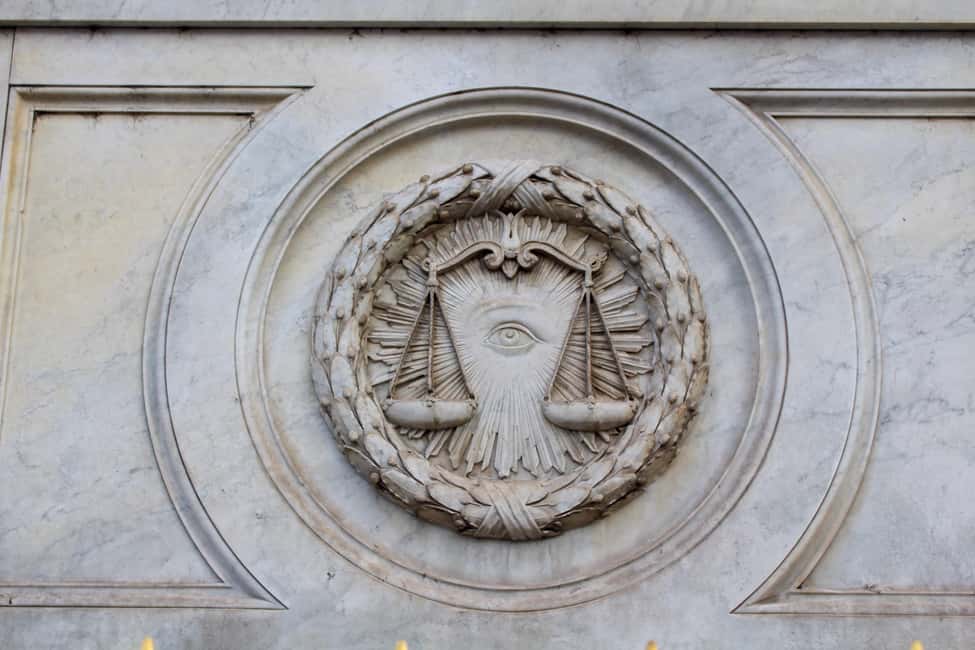
- Symbol hunting in stone: you practice seeing signs embedded in facades and sculpture around two iconic districts
- Myth vs. explanation: the tour aims to correct common preconceived ideas with secular history and context
- Enlightenment connections: you connect Freemasonry’s early growth in Europe to the era’s debates about reason and democracy
- A guided, reality-based approach: the best version of this tour is the one where you leave knowing what to look for tomorrow
What Freemasonry Adds to Your Paris Sightseeing
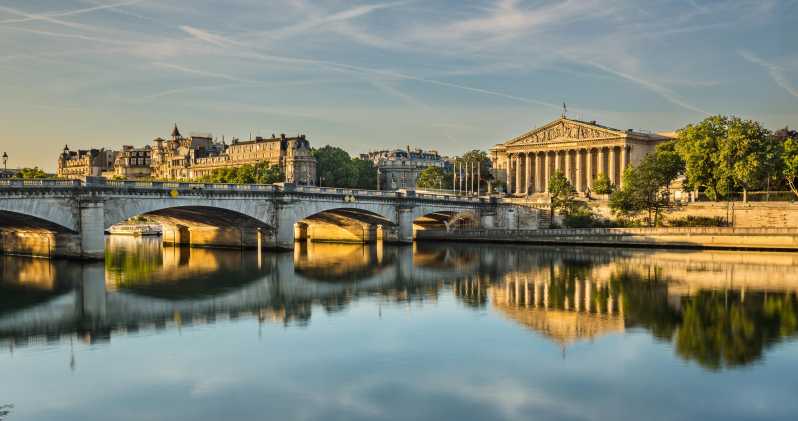
Paris can feel like a museum of symbols. This tour makes that idea practical by teaching you to read what’s on the street—not just admire it. You start to notice how certain designs, references, and allegories are used to communicate ideas without saying them outright.
I especially like the “myths and revelation” angle because it doesn’t ask you to swallow a story whole. It frames Freemasonry’s mystery as something created by secrecy, symbolism, and hierarchy, then shows you the historical reasons people become fascinated (and sometimes confused). The result is more grounded than most conspiracy-style content you’ll find online.
Also, you’ll learn that the story isn’t only about hidden handshakes and coded letters. The tour links Freemasonry to big shifts in French society since the Enlightenment and points out that members included prominent public figures across politics and the arts. That’s a useful reminder: ideas, not just secret gestures, move history.
You can also read our reviews of more tours and experiences in Paris.



Grande Loge de France: The Organisation Behind the Mystery
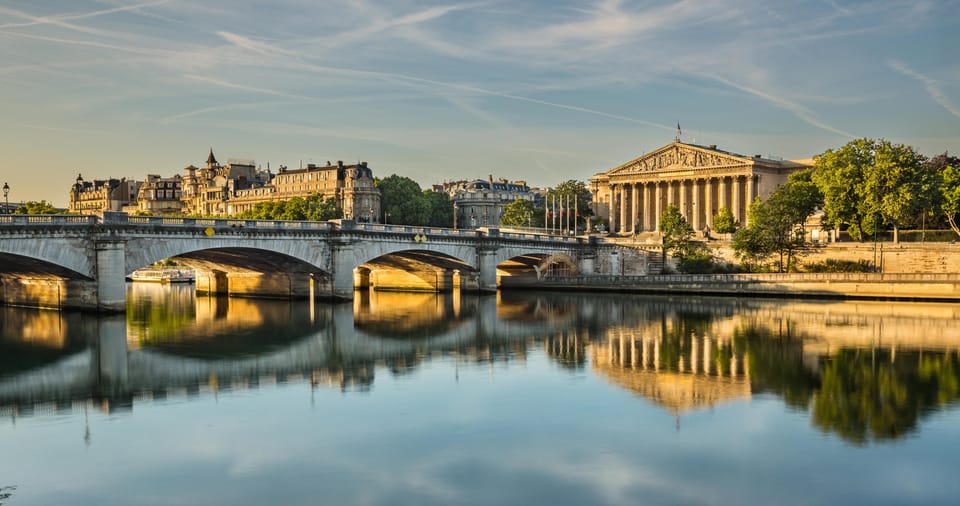
The heart of the experience is learning about the Grande Loge de France—not as a faceless rumor, but as an actual organisation with a system. You’ll hear about how it grew from the movement’s early European spread, while still holding onto principles associated with the English founders.
Here’s what I think makes this part valuable: Freemasonry has a reputation for being hard to understand, partly because it relies on arcane hierarchy and rituals. The tour helps you translate those concepts into something you can follow, including how its organisation works and why symbolism plays such a big role.
You’ll also get context on why it carries biblical references and why that matters for the “myth machine.” When a tradition mixes symbolism, references, and an internal structure, outsiders naturally fill gaps with imagination. This tour tries to close those gaps with clear explanations and historical framing, not scolding.
And yes, part of the fun is hearing about the tension between public influence and private practices. You’re not asked to take a leap of faith. You’re asked to understand how a society can be discreet and still shape public debates.
Your Starting Point: Saint-Germain-des-Prés as a Symbolic Stage
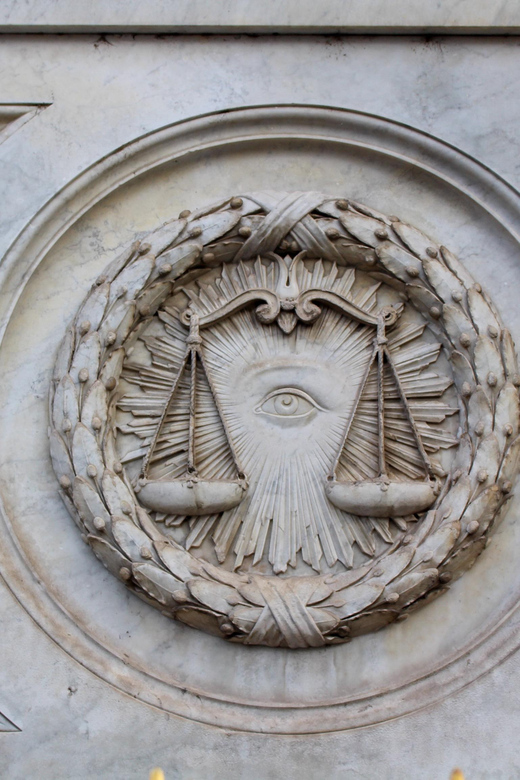
The walk begins at 3 place Saint-Germain-des-Prés, right in front of the entrance to the Saint-Germain-des-Prés church. This is a good place to start because the neighborhood already feels like layers of history stacked on each other. In other words, you’re in the right “setting” for a story about symbolism and continuity.
From the first minutes, you’ll be trained to look up and look closer. The tour emphasizes skills of observation, because a lot of the Masonic traces you’re meant to find aren’t big, loud neon signs. Instead, they can be carved details, architectural touches, or visual references you might miss if you’re speed-walking like you’re late for lunch.
Practical tip: bring your “curious pause” reflex. When the guide points something out, stop there. Take in the facade. Then compare what you see to what you just learned. That’s when the whole experience clicks.
Another smart thing about starting in this area is that it anchors the tour in a place people actually use and pass through. You’re not retreating into a lecture hall. You’re walking through everyday Paris, learning how the city’s art and architecture can carry ideas across centuries.
Around Saint-Germain-des-Prés: Spotting Visible (and Subtle) Traces
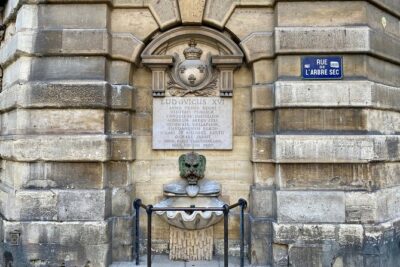
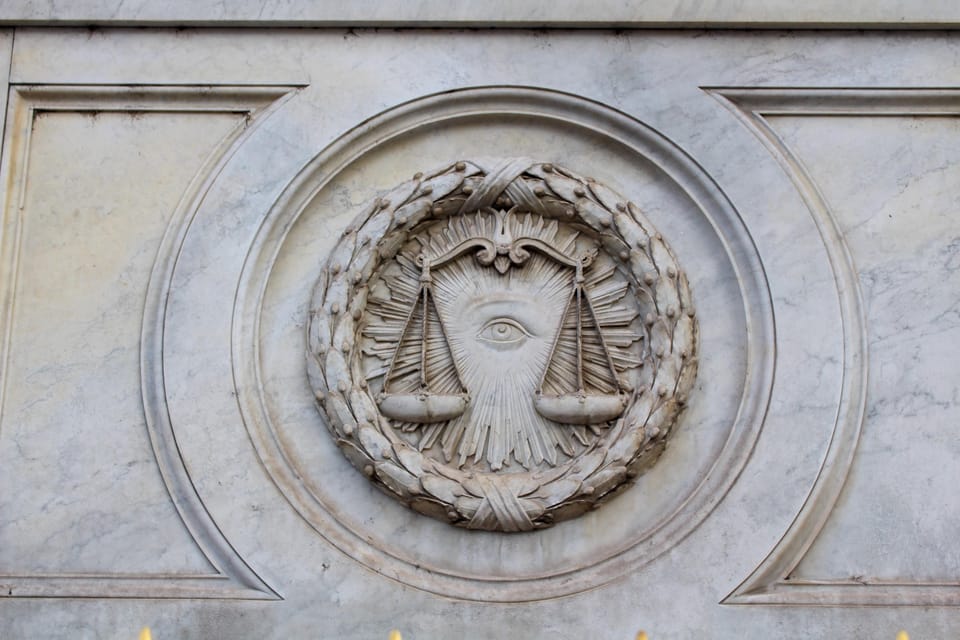
In this first district, the tour’s focus is on recognizing Masonic presence through what’s literally around you. You’ll walk with the guide and watch for visible or hidden traces of Masonry in the facades and sculptures along the way.
What you should expect here is a mix of “now you see it” moments and “wait, that’s it?” moments. Some symbols are easier to identify once you know what to look for. Others are more interpretive, and the guide’s job is to connect the design elements to the broader themes of Freemasonry philosophy and tradition.
This part also works because it isn’t just about identifying shapes. It’s about understanding why those shapes matter. Freemasonry is often talked about as secrecy and spectacle, but the tour keeps steering toward meaning: symbolism used to teach, to organize thought, and to mark belonging within the system.
If you’re the type who likes learning by doing, this district delivers. You’re not just hearing theories. You’re practicing what to notice on your next street walk, long after the 90 minutes end.
Potential drawback: because the tour depends on observation, it won’t feel satisfying if you’re expecting a smooth museum-style route with guaranteed “every stop has a big obvious symbol.” The payoff is higher if you stay engaged and slow down when invited.
Palais Bourbon District: Influence, Power, and Public Meaning
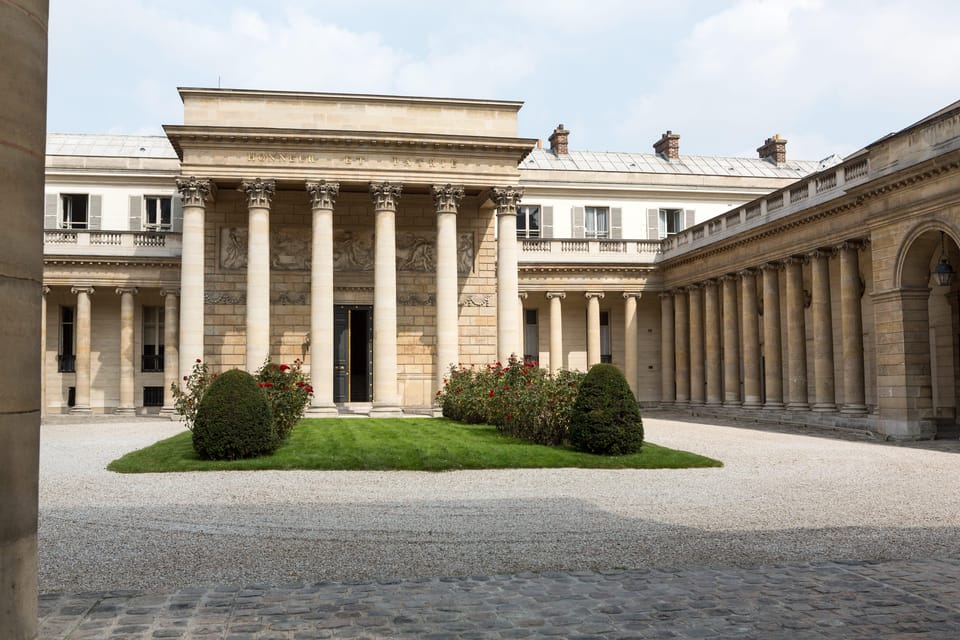
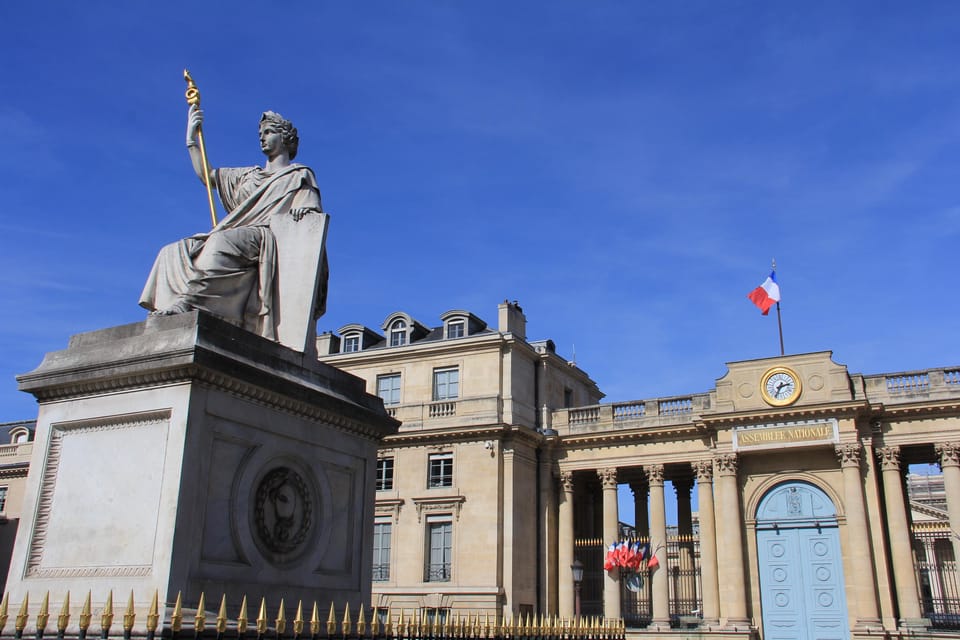
The second half moves to the heart of the Palais Bourbon area. This is where the tour’s “influence” theme becomes especially relevant. Freemasonry may be private by tradition, but its members and ideas have intersected with public life in France since the Enlightenment.
You’ll continue the same core method: watch for symbolic references and architectural details, then connect them to what you learned about the organisation and ritual life. The difference is the context starts to feel more political and civic. That’s fitting, because the tour frames Freemasonry as part of major historical and social phenomena.
I like how this section ties together the abstract and the physical. When you’re looking at sculptures and facades around a major civic zone, it’s easier to see how symbolism can operate in the public world. It’s not just secret lore. It’s a visual language that can travel across different settings.
One more reason this works: the guide places symbolism at the center of the story. So instead of treating symbols like trivia, you understand them as tools that support a worldview—one connected to reason, democratic debate, and the era’s intellectual energy.
You’ll leave with a more precise sense of what Freemasonry’s influence looked like in France: not a single storyline, but a network of ideas, people, and institutions interacting over time.





The Walking Format: 90 Minutes, Comfortable Pace, and What to Bring
This experience is a walking tour lasting about 90 minutes. That time window matters. It’s long enough to teach you a method for noticing symbols, but short enough that you won’t feel trapped in a long lecture.
The route is designed for observation, so your best strategy is simple: comfortable shoes, water, and a willingness to stop. If you rush, you’ll miss the point. If you pause and look, you’ll likely enjoy it far more than you expected.
Wheelchair accessibility is listed, so the format is built with at least basic movement in mind. Still, as with any city walk, you’ll want to consider your comfort with uneven sidewalks and frequent turning.
Also, because the tour is in French only, you should know your threshold. If you can follow conversation-level French, you’ll probably be fine. If you’re at beginner level, you might catch key words like symbols, organisation, rituals, and history, but you’ll lose many of the connections the guide is making.
From the reviews, the most praised aspect is the guide quality—passionate, pedagogical, and attentive. That’s exactly what helps this format work. When the guide is listening and adjusting, the symbolism stops feeling mysterious and starts feeling understandable.
Price and Value: Is $17 a Good Deal for This Kind of Tour?
At about $17 per person, this is priced like an approachable city walk rather than a premium private tour. For that cost, you’re paying for three things: guided interpretation, focused observation, and historical context that would be hard to piece together accurately on your own in 90 minutes.
If you’re curious but not committed to spending hours researching, it’s good value. Most people can wander Paris for free, but learning what to look for in stonework and how to connect it to Freemasonry’s organisation takes guidance.
Is it perfect value for everyone? Not necessarily. If you’re expecting a dramatic reveal with lots of action, this isn’t that kind of experience. It’s a thinking tour. The value comes from understanding and noticing, not from spectacle.
Based on the overall feedback tone—especially the emphasis on a passionate, clear guide—this pricing makes sense when you get that full teaching approach.
Who Should Book This Freemason Tour (and Who Might Skip)
This is a strong pick if you:
- like history that connects to what you can see in the street
- enjoy symbolism and art interpretation
- want a balanced take that focuses on secular history and context
- can handle French-only narration
It might be less satisfying if you:
- need tours in English
- prefer very concrete, step-by-step explanations without any interpretive element
- want big-ticket landmarks rather than symbol spotting and guided meaning
In other words, it’s ideal for “I want my Paris to mean something” travelers. It’s not ideal for people who want only photos and quick highlights.
Should You Book This Tour?
I’d book it if you’re the type who looks at a facade and wonders what the design is doing there. The tour’s best feature is turning symbols into understanding, not leaving you with vague impressions. At around $17 for 90 minutes, it’s also an easy decision if you want a smarter way to experience Saint-Germain-des-Prés and the Palais Bourbon area.
If your French isn’t strong, consider carefully. The tour is French only, and the teaching quality seems central to the experience. When the guide is clear and responsive, the whole thing clicks; when language is a barrier, you may not get that full payoff.
FAQ
FAQ
Is this tour in English?
No. The tour is guided in French only.
How long is the Freemasons myths tour?
It lasts about 90 minutes.
Where does the tour start?
You meet at 3 place Saint-Germain-des-Prés (75006 Paris), in front of the entrance to Saint-Germain-des-Prés church.
What is included in the ticket price?
You get a walking tour with a guide.
What is the price per person?
The price is listed as $17 per person.
Is a transfer included?
No, transfer is not included.
Can I cancel for a refund?
Yes, free cancellation up to 24 hours in advance is offered for a full refund.
Is the tour wheelchair accessible?
Yes, the tour is listed as wheelchair accessible.