REVIEW · PARIS
Cocktails lessons in Speakeasy
Book on GetYourGuide →Operated by hestia · Bookable on GetYourGuide
Paris’s Bastille area has a knack for fun secrets—and this speakeasy cocktail lesson is one of them. You’ll learn three core skills (shaken, stirred, and built) while making three cocktails you can actually repeat at home. I also like the way it pairs technique with a proper tasting vibe, not just standing and watching, but you should know the pacing can feel a bit tight when other groups are scheduled.
The price is straightforward for what you get: 3 cocktails plus soft drinks and a degustation board. One watch-out: the session is listed as 1 hour, but it can run longer and you may feel some pressure near the end if the room is turning over quickly.
In This Review
- Key things to know before you book
- A Paris speakeasy lesson in Bastille’s Prost neighborhood
- Three techniques, three cocktails: shaker, stirrer, builder
- Shaker cocktails: learn confidence with dilution and texture
- Stirred cocktails: the quiet craft
- Built cocktails: layers and presentation you can repeat
- What you get to drink (and why 3 cocktails makes sense)
- The degustation board: snacks that help, not distract
- Instructor style and what to expect from the team
- Timing and pacing: how to keep it from feeling rushed
- Price and value: why $44 can be a good deal in Paris
- Who this class is best for (and who should skip it)
- Quick win tips for your best experience
- Should you book this cocktail lesson?
- FAQ
- How long is the cocktail lesson in Speakeasy?
- What’s included in the ticket price?
- Do you offer non-alcoholic cocktail options?
- Where do I meet for the activity?
- Are the instructors available in English?
- Is the class suitable for kids?
- Is there an option to cancel or change plans?
Key things to know before you book
- You’ll practice three styles: shaking, stirring, and building cocktails in the glass
- 3 cocktails included, not just bites or a sampling pass
- Degustation board + soft drinks keep the focus on drinks without going full meal mode
- Non-alcoholic options are available, so you’re not stuck on soda
- Instructors speak French and English, and staff like Tanguy and Simon have led sessions
- The atmosphere is speakeasy-style, with a lively bar-restaurant feel in Bastille
A Paris speakeasy lesson in Bastille’s Prost neighborhood
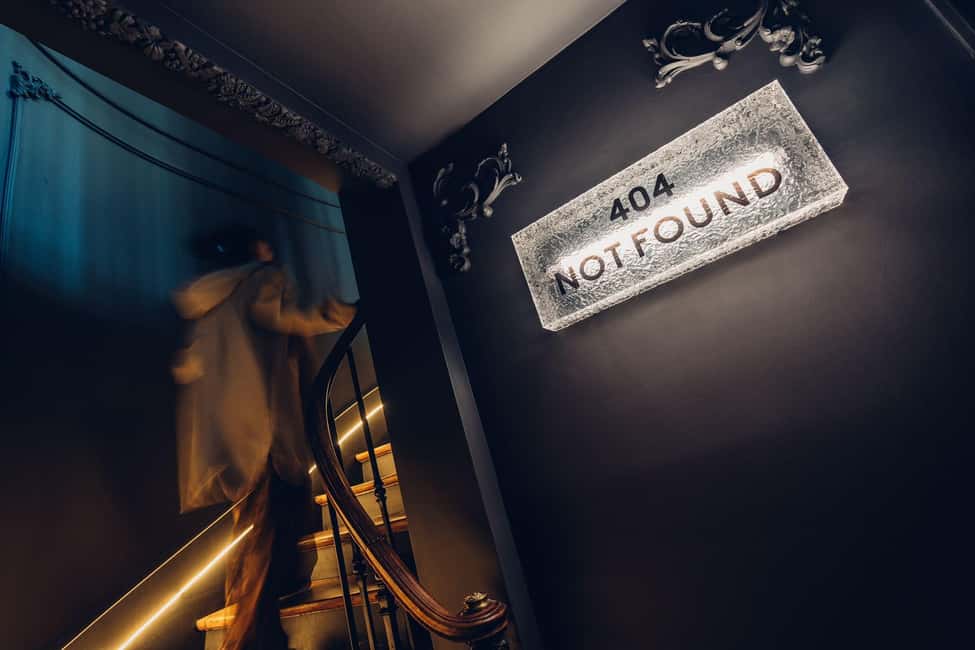
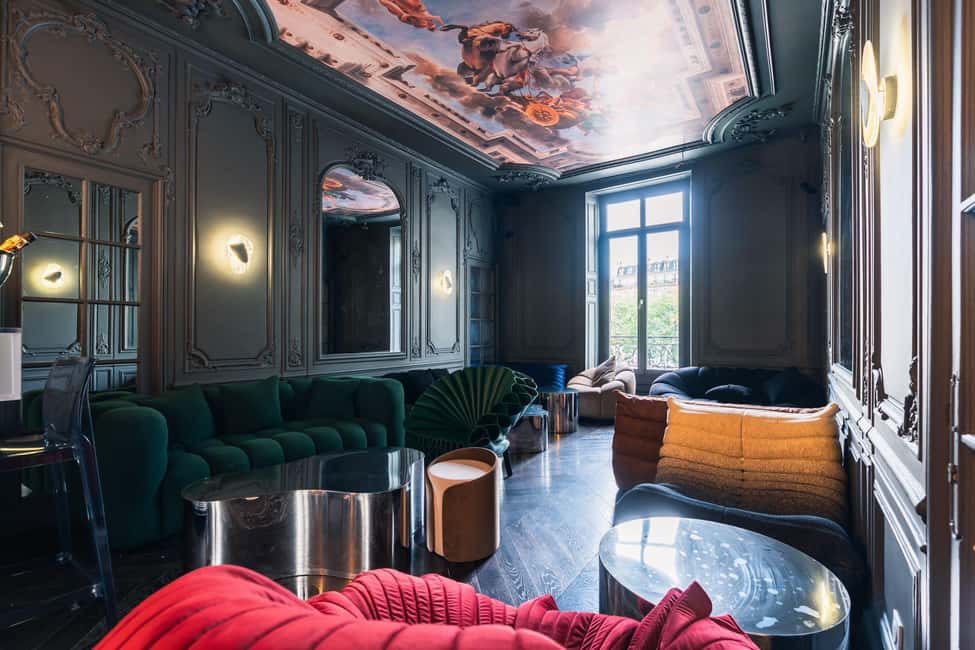
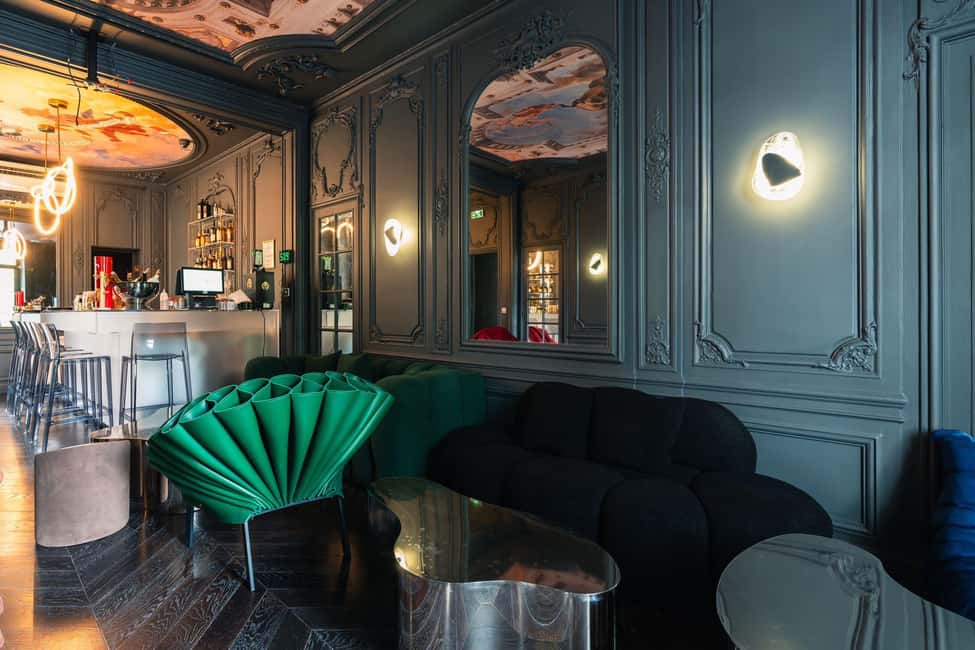
This experience is set in the Ile-de-France region, right in Paris around Bastille—specifically by Place de la Bastille. The venue is a bar-restaurant setup with a speakeasy flavor, so it feels a little more “night out” than “classroom.” And the meeting point is simple: go to Restaurant Prost and ask for the speakeasy bar.
What I like most is that you’re not just there to taste. You’re there to learn the moves that make cocktails taste balanced: dilution, chilling, texture, and that final garnish moment. That hands-on focus is why this works even if you’re not a “cocktail person” yet.
If you’re the type who wants a slow, laid-back dinner pace, consider going in with realistic expectations. The room can run on schedule, and the bar has to keep tables and groups moving.
You can also read our reviews of more tours and experiences in Paris

Three techniques, three cocktails: shaker, stirrer, builder
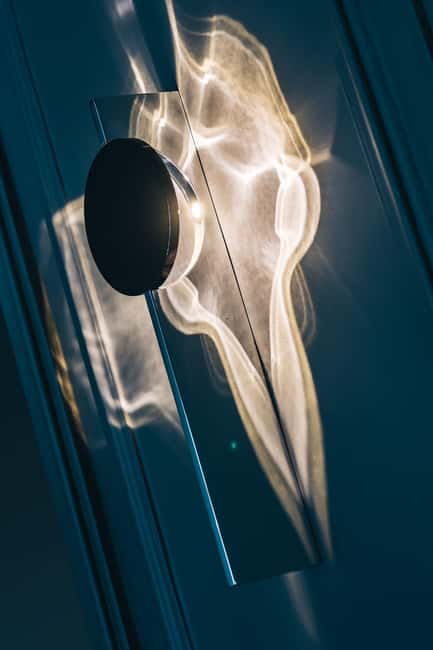
The heart of the class is learning how cocktails behave in three different preparation methods. You’ll work through shaken cocktails, stirred cocktails, and built cocktails—and each one teaches you something different.
Shaker cocktails: learn confidence with dilution and texture
Shaking is the loud, showy skill, but it’s also the one that teaches you control. In this part, you combine ingredients, shake with purpose, and then strain to get that clean, finished drink. Expect the instructor to keep it practical: what you’re doing matters because it changes the drink’s temperature and mouthfeel.
This is a great entry point if you like the ritual. You’ll walk out knowing how to avoid the two classic mistakes: a drink that’s too warm and one that’s cloudy or sloppy.
Stirred cocktails: the quiet craft
Then you’ll switch gears to stirring with a mixing glass. Stirring is slower and more elegant, and it rewards attention. You’ll learn how to chill, how stirring changes the blend, and how to serve a classic-style stirred drink properly.
If you’ve ever wondered why some cocktails taste smooth while others feel sharp, this is where the answer lives. It’s a technique lesson disguised as a taste lesson.
Built cocktails: layers and presentation you can repeat
Finally, you’ll learn the simplicity—and the finesse—of building cocktails directly in the glass. This is all about layering, flow, and garnish. You don’t need fancy gear beyond the class basics, but you do need patience and the right pouring approach.
This part is also where the experience becomes visually fun. Even if you’re not chasing Instagram, you’ll start noticing how much presentation affects the first sip.





What you get to drink (and why 3 cocktails makes sense)
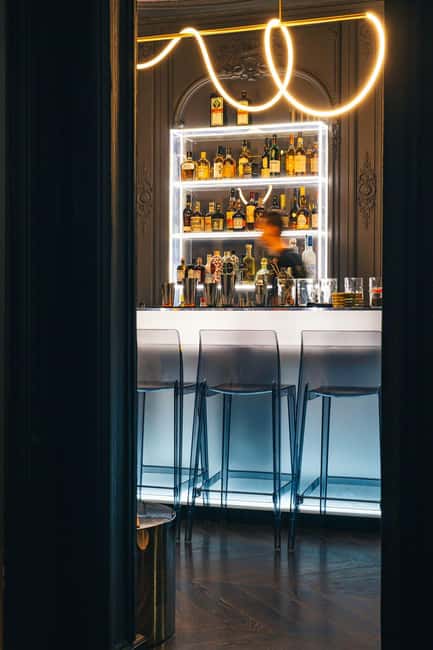
The ticket includes 3 cocktails total. That’s a sweet spot. It’s enough variety that you get more than one flavor world, but it’s not so many drinks that you spend the whole session tipsy and lost.
In class, you’re practicing each technique with those three cocktails, so it’s not random sipping. One day might include something like a passion fruit martini style drink—you’ll learn technique even when the recipe changes. The exact cocktails can vary, but the methods stay consistent.
Also included: soft drinks, so you can keep the pace without your whole night turning into pure alcohol forward energy.
The degustation board: snacks that help, not distract
You’re given something to eat in the form of a degustation board. Reviews and the format point to a plate built around charcuterie and cheese components. That matters more than you’d think.
When you’re learning three cocktail-making methods in one sitting, you’ll want small bites to reset your palate between sips. These snack breaks help you taste the differences in shaking vs stirring vs building, instead of just feeling like you’re drinking through the techniques.
One practical note: the board is included, but it’s not presented as a full meal. If you arrive hungry or try to do this right before a late dinner, you might still feel a need to eat afterward.
Instructor style and what to expect from the team
You’ll have an instructor who speaks French and English. That’s a real quality-of-life detail, because cocktail technique has lots of small terms—strain, chill, layering, garnish—and you don’t want to guess your way through them.
From what’s been shared by people who’ve taken the class, instructors such as Tanguy and Simon can be part of the experience. That usually signals a team that knows how to explain technique clearly and keep the group moving.
What you should expect in terms of teaching approach:
- You’ll be hands-on with each method
- You’ll get guidance on what to do and what to watch for
- You’ll leave with confidence, because you’ve actually made the drinks
In other words, you’re learning a repeatable skill set, not memorizing a single recipe.
Timing and pacing: how to keep it from feeling rushed
Here’s the tricky part to plan for: the experience is listed as 1 hour, but some sessions can run longer because it’s a group setup and the bar has to handle multiple bookings. In the real world, that often means you’ll start quickly and then the last steps can feel like a sprint if the room is turning over.
You’ll want to go in with a mindset of flexibility:
- Focus on doing the steps, not perfectly savoring every second
- Be ready for a quick switch between techniques
- If you’re hungry, consider eating a light snack beforehand
This is also why the included snacks matter. Without them, the pacing would feel harder to enjoy. With them, you at least get something to steady the tasting moment.
Price and value: why $44 can be a good deal in Paris
At $44 per person, this is priced like a proper workshop rather than a casual bar stop. And for Paris, the math works out because you get:
- Three cocktails (not just one)
- Soft drinks
- A degustation board
- A French/English instructor teaching three different methods
If you’ve ever priced a private cocktail class in a major city, you know how fast costs climb. This keeps it group-friendly while still giving you hands-on time with shaker, stirring glass, and building technique.
One more thing that helps value: you’re in Bastille, which means you can combine this with an easy evening plan—walk around the area before or after, then keep the momentum rolling into dinner.
Who this class is best for (and who should skip it)
This is a strong fit for:
- Couples who want a fun activity that still feels romantic and grown-up
- First-timers who want to learn without being overwhelmed
- People who like interactive experiences more than passive tastings
- Anyone who wants non-alcoholic cocktail alternatives available without missing out
It may not be ideal if:
- You hate group pacing and timing pressure
- You’re looking for a long, slow meal experience
- You want a quiet, low-energy vibe
And it’s not suitable for children under 18, which keeps the atmosphere adult-focused.
Quick win tips for your best experience
A few practical moves will help you enjoy it more, even if the group schedule is tight:
- Arrive a few minutes early so you can settle and start the first cocktail step smoothly (meeting point is Restaurant Prost; ask for the speakeasy bar).
- Sip slowly during the first drink, so the later technique steps are still enjoyable.
- If you’re doing non-alcoholic options, mention it early so you get a smooth swap without delays.
- Wear something comfortable. You’ll be standing and working with tools.
Also, if you’re the type who likes learning by watching and doing, you’ll get what you came for. The focus is technique you can repeat.
Should you book this cocktail lesson?
I’d book it if you want a hands-on Paris speakeasy experience with real technique: shaker, stirred, and built cocktails, plus snacks and soft drinks. The included 3 cocktails and dégustation board make it feel like more than a quick bar activity, and the bilingual instruction helps if your French is a work in progress.
Skip it (or adjust expectations) if you’re sensitive to time pressure. Because it’s a group class in a working bar, the pacing can feel rushed near the end, especially when multiple parties are scheduled back-to-back.
If you’re okay with that and you want a fun skill you can bring home, this is a solid pick for a Bastille evening.
FAQ
How long is the cocktail lesson in Speakeasy?
The duration is listed as 1 hour. In practice, it may run longer due to group timing.
What’s included in the ticket price?
You get 3 cocktails, something to eat on a degustation board, and soft drinks.
Do you offer non-alcoholic cocktail options?
Yes, non-alcoholic options are available as part of the experience.
Where do I meet for the activity?
Meet at Restaurant Prost and ask for the speakeasy bar.
Are the instructors available in English?
Yes. The instructor speaks French and English.
Is the class suitable for kids?
No. It’s not suitable for children under 18.
Is there an option to cancel or change plans?
Free cancellation is available up to 24 hours in advance for a full refund.