REVIEW · PARIS
Admission To The Orsay Museum – Optional Private Guide
Book on Viator →Operated by Online ticket · Bookable on Viator
Orsay feels like a time machine you control. With this ticket, I like the flexibility to choose your entry time and the chance to focus on the museum’s best-known Impressionist hits like Monet, Van Gogh, and Gauguin (and yes, Sargent often gets a spotlight). One drawback to plan for: this is admission plus a 1-hour digital audio guide about the museum’s history, not a full live explanation, and audio/ticket tech can be annoying if your setup fails.
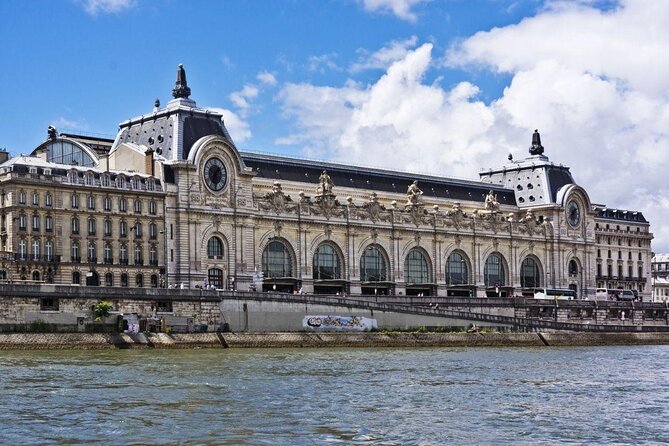
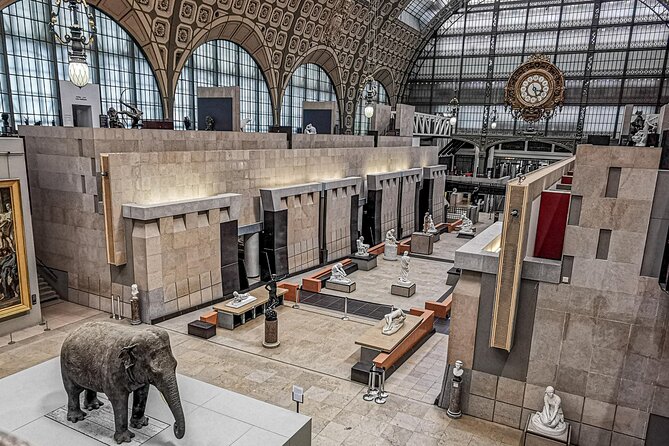
You’re walking into one of Paris’s great “big building” museums: the Musée d’Orsay is housed in a former railway station. Add in the museum’s serious visitor volume (over 3 million a year) and you get the classic Orsay feeling: beautiful rooms, major crowds, and the need for a smart plan.
So here’s the real question: do you want a self-paced museum visit with light guidance, or do you want a live person steering you? If you’re here for maximum value, I’d keep your expectations tied to what’s included.
In This Review
- Key Points to Know Before You Go
- Musée d’Orsay Tickets in a Former Train Station: What You’re Actually Getting
- Choosing Your Entry Time Without the Usual Line Stress
- Digital Audio Guide in English: Helpful History, Not a Full Tour
- A Practical Route for Monet, Van Gogh, Gauguin, and Sargent
- How Much Time You Need (and Where Crowds Show Up)
- Price, Optional Live Guides, and When to Skip the Premium
- Should You Book This Orsay Ticket Plus Audio?
- FAQ
- What does this ticket include?
- Do I need to bring earphones for the audio guide?
- Is a live guide included?
- Can I choose what time I enter the museum?
- How long should I plan to spend at the museum?
- When will I receive the tickets and audio guide info?
- Is there a way to reschedule if my plans change?
- Is the museum easy for mobility issues?
- Can I cancel for free?
Key Points to Know Before You Go
- Pick your entry slot, then roam at your own pace without being locked into a group march
- All-day museum admission means you can adapt if the first rooms you pick are packed
- A 1-hour English digital audio guide covers the museum’s history (bring your own earphones)
- Tickets are sent 24 hours before by email/WhatsApp, so have your phone ready
- Impressionists can mean stairs since major works are on upper floors and elevators may not help much
Musée d’Orsay Tickets in a Former Train Station: What You’re Actually Getting
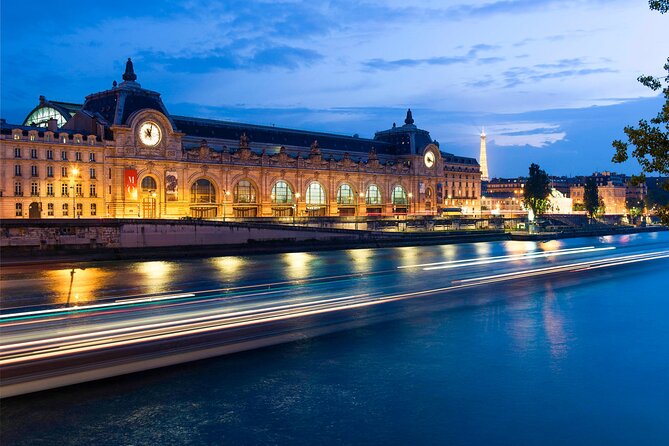
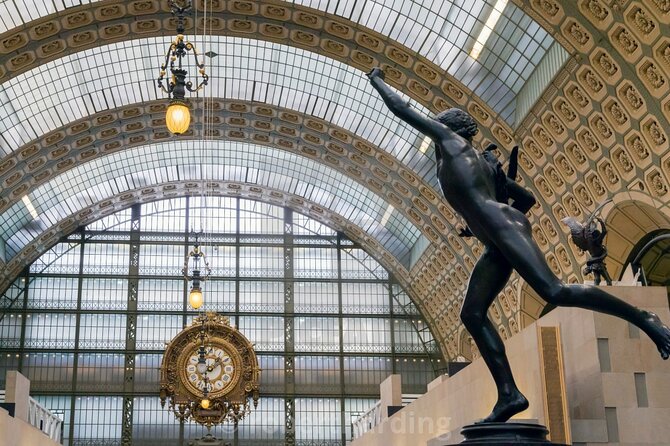
This experience is essentially a Musée d’Orsay entry ticket bundled with a digital audio guide. The museum is famous for Impressionist art, and it’s housed in an old railway station, so the building itself is part of the show.
You’re paying for convenience and time control more than for a “deep human guide.” If you want Monet, Van Gogh, and Gauguin on your schedule, this gets you inside without the same stress as waiting in long lines.
The other part you’re buying: a history audio layer in English for about one hour. That can help you connect the building and the museum story, but it’s not designed to replace commentary on each artwork you’ll see.
You can also read our reviews of more guided tours in Paris



Choosing Your Entry Time Without the Usual Line Stress
One of the smartest features here is the freedom to choose your entry time. You can arrive with a plan, get in when your slot starts, and then drift where your interests pull you—no rigid group path.
You’ll still feel the museum’s popularity. With Orsay drawing millions of visitors a year, the biggest “real life” challenge isn’t whether the museum is good. It’s whether you’ll be able to see what you came for before the crowd thickens.
My practical move: pick your priority rooms first. If the Impressionists are your main goal, go right away instead of doing “everything in order.” The museum gets busy as the day goes on, and the works everyone wants tend to draw the same lines of sight.
Also note the crowd reality from experience reports: Orsay can get hot and tightly packed, with people elbow-to-elbow in peak periods.
Digital Audio Guide in English: Helpful History, Not a Full Tour

The included audio is a 1-hour digital audio guide in English focused on the history of the museum. You’ll need your own earphones. That’s straightforward, and it can be a nice setup while you’re finding your bearings.
But don’t assume it’s a live-guide replacement. Some people were disappointed because the audio felt more like a museum overview than an artwork-by-artwork guide. If you’re hoping for a detailed explanation of why each painting matters, you may want to add a live guide option instead.
Technical hiccups do happen. A few experiences mention the audio headset or downloaded audio didn’t work as expected, forcing a workaround. So I’d treat the audio as a bonus, not a guaranteed “must-use” part of your visit.
And one more tip: download or test anything you can before you’re inside. If your phone signal is flaky, you’ll be glad you did.
A Practical Route for Monet, Van Gogh, Gauguin, and Sargent
Inside Orsay, your biggest decision is where to start. The museum’s Impressionist-focused areas are often up higher, and the building isn’t built for easy shortcuts everywhere. In particular, major works associated with Impressionism can require stairs, and reports mention there are no elevators for some routes. Escalators may help in one direction only, so don’t assume you can “flow” your way around.
If you can handle stairs, start with the Impressionists right away. A common winning strategy is to head to the floors with the Impressionist rooms first, then branch out from there. This keeps you from arriving at the exact rooms you care about only after the crowd has already claimed them.
During planning, keep these names in your head so you can navigate faster once you’re inside:
- Monet (often a top draw)
- Van Gogh
- Gauguin
- and a recurring highlight spotlighting John Singer Sargent
If you don’t want to feel like you’re sprinting, you can still take breaks. Orsay has a restaurant, and that alone can turn a 2–3 hour museum visit into something more restorative, especially if you’re with kids or older adults.
My advice for a smooth visit: choose one “must-see” wing and one “nice-to-have” wing. Then let the rest be flexible. Orsay is big, and trying to do it all usually just means you’ll end up rushing through the parts that matter most.
How Much Time You Need (and Where Crowds Show Up)
This ticket gives you 1 to 4 hours of freedom depending on what you love. For many people, that means a solid half-day of wandering with stops for the works that hit hardest.
Plan around crowds. Even when your entry is timed well, Orsay fills up quickly. Some people recommend getting there about 15–20 minutes early for the best chance of a smooth entry, and you may even get a bit of flexibility to get inside before your scheduled time once you’re on site.
Comfort matters too. Reports point to limited mobility options in parts of the museum route, plus general congestion in busy seasons. If you’re sensitive to heat or confined spaces, consider an off-peak time and plan toilet breaks early rather than “when it becomes urgent.”
A realistic pacing suggestion:
- 45–75 minutes for your priority artists
- 45–60 minutes for “second-tier” rooms you discover along the way
- extra time for resting, photos (where allowed), and that sit-down break if you need it
You can also read our reviews of more private tours in Paris






Price, Optional Live Guides, and When to Skip the Premium

At $41.94 per person, you’re paying for ticket access plus the audio/history add-on and support. Whether that feels like a bargain or a markup depends on your situation.
Here’s how I think about the value:
- If Orsay is sold out for the week you want, paying a premium can be worth it because it turns a “no” into a definite “yes.”
- If you’re visiting on a date with easy availability, some visitors have felt this type of package isn’t cheaper than simply buying the ticket at the museum itself. In that case, you might not need the extra layer.
Live guides are listed as not included in this package, but an optional live guide may be available depending on what you select. When live guides do happen, I’ve seen names like Benito, Yulia, and Josquin mentioned in guided experiences. A strong live guide can be the difference between seeing paintings and understanding why you’re reacting to them.
If you’re confident you can enjoy the art self-paced, the audio-history piece may be enough. If you want deep context on specific paintings and movements, you’ll likely benefit more from a live guide option—because that’s the only way you’ll get interactive explanation.
Should You Book This Orsay Ticket Plus Audio?
Book it if you want flexible entry, an all-day pass, and a simple way to structure your visit around the artists you care about. It’s also a good choice when dates sell out and you’d rather pay to avoid disappointment.
Skip or rethink it if you’re expecting the audio to function like a full guided tour. The audio is explicitly about the museum’s history and runs for about an hour, so you’ll still do the real work of choosing what to look at once you’re inside. If you want a lot of artwork-level talk, plan for the live guide option.
Also be honest about your mobility and comfort needs. Orsay can involve stairs and crowded rooms, and routes aren’t always easy for everyone.
FAQ
What does this ticket include?
It includes admission to the Musée d’Orsay for an all-day ticket, plus a 1-hour digital audio guide in English about the museum’s history.
Do I need to bring earphones for the audio guide?
Yes. The audio guide is provided for listening, but you’re asked to bring your own earphones.
Is a live guide included?
No. Live guide service is listed as not included with this option.
Can I choose what time I enter the museum?
Yes. You can pick your entry time, and you don’t have to stick to a large group schedule.
How long should I plan to spend at the museum?
The experience duration is listed as about 1 to 4 hours, depending on how much you want to see.
When will I receive the tickets and audio guide info?
The tickets and the audio guide are sent about 24 hours before the start time to your email/WhatsApp.
Is there a way to reschedule if my plans change?
Yes. You can reschedule anytime prior to the departure time, subject to availability.
Is the museum easy for mobility issues?
It may be difficult. Some experiences note stairs and that some routes (including to Impressionist areas) can be challenging, with limited elevator access in practice.
Can I cancel for free?
Yes. Free cancellation is available up to 24 hours in advance for a full refund.