REVIEW · PARIS
3 days in Paris with a Private Guide
Book on Viator →Operated by Friendly Local Guides · Bookable on Viator
Paris can overwhelm on day one. This 3-day private guide plan helps you skip the guesswork and tailor your sightseeing as you go. I like that the itinerary can be adjusted to your pace, so you’re not stuck doing a one-size-fits-all checklist.
What I love most is the time-saver built into the structure: you start with a hotel lobby meet-up each day, then move by walking plus metro to cover ground without feeling frantic. The day runs about 5 hours, typically 10am–3pm with a short break, and your guide helps you use that time well.
The main trade-off to consider is money and logistics around entrances. Several stops are free to enjoy from the outside, but some key sites list admission not included, so you may still want to budget for tickets if you decide to go in. Also, you’ll need moderate walking stamina for a full few hours at a time.
In This Review
- Key takeaways before you go
- Why three half-days beat trying to tame Paris alone
- Price and value: private guidance for up to two people
- Day 1: Concorde to the bridges—classic Paris with zero map stress
- Place de la Concorde (the ceremonial start)
- Champs-Elysees (famous, but still worth a guided walk)
- Arc de Triomphe (30 minutes for the details)
- Esplanade des Invalides (great exterior views, entrance separate)
- Seine River, Pont Alexandre III, Pont des Arts (the river trio)
- Day 2: Sacre-Coeur and Montmartre energy, then Tuileries and Le Marais
- Basilique du Sacre-Coeur de Montmartre (views and that white-marble wow)
- Moulin Rouge (iconic, and best with context)
- Place Vendome (fashionable Paris, calmer pace)
- Ritz Club & Spa (quick peek at big-name elegance)
- Jardin des Tuileries (a local-style pause)
- Louvre (outside views, quick and efficient)
- Le Marais (finish with food and neighborhood texture)
- Day 3: Bastille, the islands, Notre-Dame area, then Latin Quarter to Saint-Germain
- Place de la Bastille (30 minutes of old-city bearings)
- Île Saint-Louis (small island charm and Berthillon)
- Île de la Cité and Notre-Dame area (big Gothic presence)
- Quartier Latin (Sorbonne and a peek at the Pantheon)
- Eglise Saint Julien le Pauvre area (a quieter church stop)
- Luxembourg Gardens (a proper break, not just a photo pause)
- Saint Germain des Pres (your finish point)
- How the metro-and-foot style actually feels in practice
- The guide factor: flexibility can be the whole point
- Who should book this and who should skip it
- Should you book this 3-day private Paris plan?
- FAQ
- Are entrance fees included for the attractions on the tour?
- How long is the tour each day?
- Do you meet at the hotel each day?
- Is this a private tour or shared group?
- How do we get around during the tour?
- Does it run in bad weather?
Key takeaways before you go
- Customizable route means you can swap priorities when Paris throws you a curveball, like long lines or weather.
- Hotel meet-up each day makes the start easy, especially if you’re staying a bit off-center.
- Metro + walking is the core rhythm, so you’ll see more than you can by foot alone.
- Iconic photo stops are built in, from big monuments to classic bridge views.
- Entrance fees aren’t included for select sites, so plan to pay separately if you want to enter.
Why three half-days beat trying to tame Paris alone
Paris rewards curiosity, but it punishes indecision. If you try to DIY every day—train exits, map checks, the “wait, where are we?” moment—you lose sightseeing hours fast. This private format solves that with one simple promise: you spend your energy looking at Paris, not navigating around it.
I also like that it’s not just “stand here, look there.” The guide is meant to work with what you care about: monuments, neighborhoods, views, or a calmer pace away from the busiest streets. That matters because Paris isn’t one theme—it’s many moods packed close together.
And because it’s private, the flow is yours. If you want to linger at a bridge for photos or move quickly through a plaza, your guide can respond without slowing down a large group.
You can also read our reviews of more guided tours in Paris



Price and value: private guidance for up to two people
At $759 per group (up to 2) for about 3 days, you’re paying for a lot more than “someone who knows the sights.” You’re buying 5-hour blocks of local decision-making: route planning, timing, and on-the-spot adjustments.
Here’s the practical way I’d think about the value:
- You get roughly 15 hours total of guide time across the three days.
- For a couple, that can work out to about $380 per person for the three days (before any entrances or food).
- If you’re the type who hates spending vacation time staring at maps, the cost starts to feel less like a splurge and more like time insurance.
Just remember what’s included versus not. The tour covers guiding, local transport support (walking plus metro), and the sights you can enjoy around the city. It does not include food, drinks, or entrance fees where listed as not included—so that’s part of your budgeting.
Day 1: Concorde to the bridges—classic Paris with zero map stress
Day 1 is built like a greatest-hits stroll, starting in the grand ceremonial zone and ending with river views that look great in any season. You’ll meet your expert local guide in your hotel lobby around 10am, then head out for about a 5-hour block that includes a short break for lunch (own expense).
Place de la Concorde (the ceremonial start)
This is a smart first stop because it sets the tone. Place de la Concorde is described as one of the most beautiful squares in Paris, created between 1755 and 1775 under the architect of King Louis XV. You’ll have about an hour here, so it’s not rushed.
If you want an “aha” moment, this is it: standing in the square helps you orient yourself before you move into the long, straight lines of the city.
Champs-Elysees (famous, but still worth a guided walk)
Then you walk down Champs-Elysees. You’re not here to window-shop for hours—you’re here to get the famous Paris rhythm with context. You’ll have around an hour to wander at a comfortable pace.
A small consideration: this area can feel touristy. The upside of a private guide is you can adjust—slow down for photo angles, or keep moving if you’d rather spend your energy elsewhere.
You can also read our reviews of more private tours in Paris






Arc de Triomphe (30 minutes for the details)
Next is Arc de Triomphe for about 30 minutes. This stop works well even if you don’t go inside, because the carvings and sculptural work are the point. It’s also a classic photo location, and your guide will know where you’ll get the best views without wasting time.
Esplanade des Invalides (great exterior views, entrance separate)
Around 1pm, you reach Les Invalides with about 30 minutes at the esplanade. Entrance is listed as not included, so plan on admiring the exterior setting unless you choose to pay for entry separately.
This is also a good reset point. After monuments and major avenues, the quieter edges around Les Invalides can feel like a breather.
Seine River, Pont Alexandre III, Pont des Arts (the river trio)
Day 1 ends with the Seine. You’ll take time along the Seine embankments (about 20 minutes), then move to Pont Alexandre III—known for its ornate decoration, including marble elements and golden statues of fames, nymphs, and winged horses. That’s another ~20 minutes.
Finally, you’ll get Pont des Arts (about 20 minutes) for classic city views. This sequence is a smart way to see Paris “in layers.” Squares and grand boulevards give you the skyline and monuments, while the bridges let you see how everything connects.
Day 2: Sacre-Coeur and Montmartre energy, then Tuileries and Le Marais
Day 2 leans toward postcard Paris with a neighborhood beat: mornings in Montmartre, midday palace-side strolling, then a shift into areas that feel more local.
Basilique du Sacre-Coeur de Montmartre (views and that white-marble wow)
Around 10am, you start at Sacre-Coeur Basilica. It’s described as a palatial white marble church at the city’s highest point. You’ll have about an hour.
Admission is not included, so if you want to go inside, you’ll need to handle tickets separately. Even without entry, the location itself gives you big-city views and that distinct Montmartre atmosphere.
Moulin Rouge (iconic, and best with context)
Next is Moulin Rouge, about an hour. You’ll spend time noticing the classical columns and the eight sculptures representing allegorical figures like Poetry, Music, Idyll, and others.
This stop is at its best with a guide because it turns a famous facade into something you can actually read—what you see and why it’s built the way it is.
Place Vendome (fashionable Paris, calmer pace)
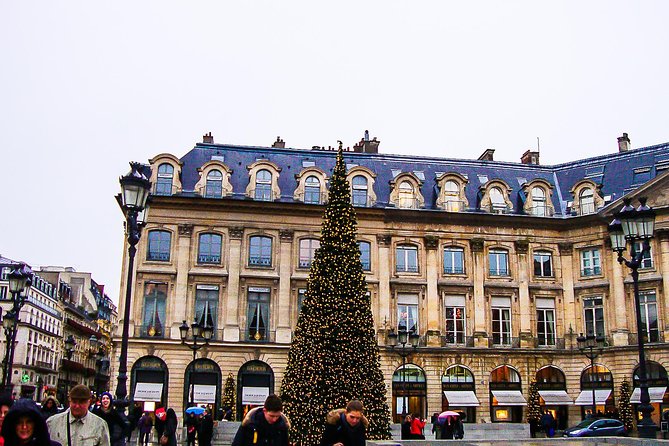
Around 1pm you reach Place Vendome with about 30 minutes. It’s known for luxury jewelry shops, but the value here is the plaza geometry and the feel of the area when you’re not sprinting to a museum.
Ritz Club & Spa (quick peek at big-name elegance)
You’ll also pass by Ritz Club & Spa, taking a few minutes to look at views of the opulent Ritz Hotel. The tour notes connections to famous literary figures like Hemingway, Scott Fitzgerald, and Gertrude Stein.
This is short on purpose. You’re using it as a perspective stop—seeing how Paris “looks” when it’s dressing up.
Jardin des Tuileries (a local-style pause)
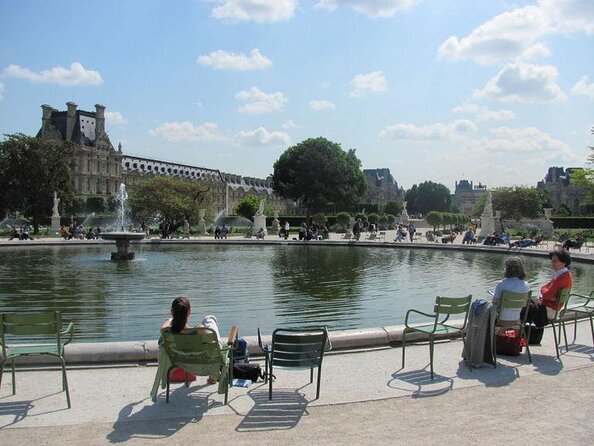
Then it’s into the Tuileries Garden for about 30 minutes. It’s described as a historic landscaped park and a favorite gathering spot of locals.
Even if you’re not a garden person, this is a useful break. After two heavier sightseeing hits (Sacre-Coeur and Moulin Rouge), it gives your legs and your brain a reset.
Louvre (outside views, quick and efficient)
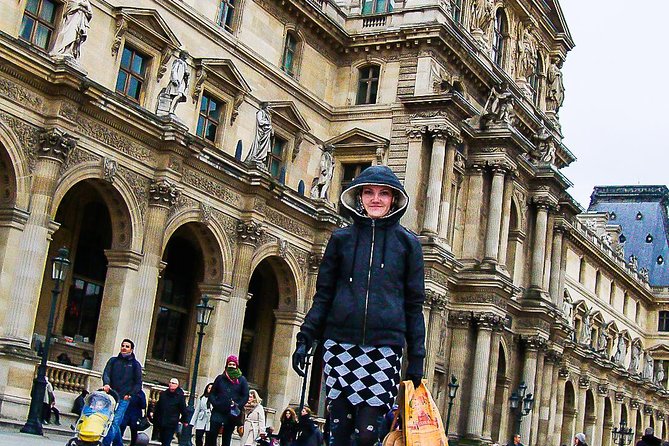
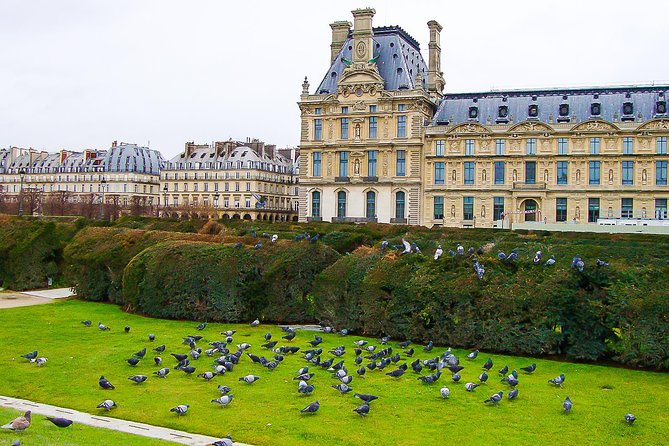
Next is Louvre Museum, but you’ll see it from outside. Time is about 10 minutes, and admission is not included. This makes sense for a 5-hour day: you get the landmark moment without turning the day into a museum project.
If you want an inside Louvre visit, this tour won’t replace that. It sets you up to decide whether you want to go deeper on your own schedule.
Le Marais (finish with food and neighborhood texture)
Finally, you end in Le Marais. You’ll have around 20 minutes, and the idea is to go enjoy French cuisine at a local restaurant.
This is a good way to close a day because the neighborhood atmosphere makes it easier to transition from sightseeing mode to wandering mode.
Day 3: Bastille, the islands, Notre-Dame area, then Latin Quarter to Saint-Germain
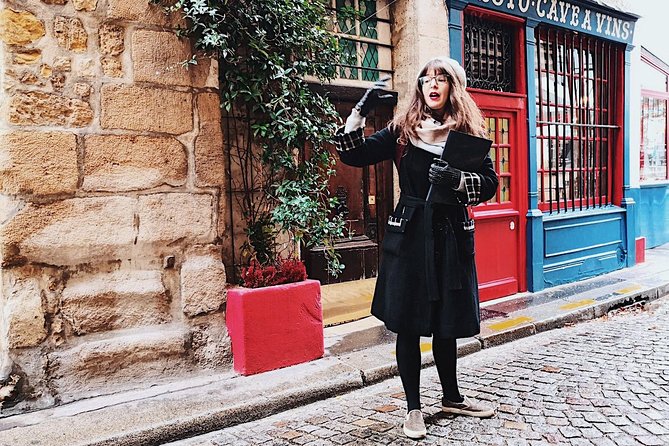
Day 3 is the “different Paris” day—more old-town streets, more church landmarks, and more parks. It finishes at Saint Germain des Pres, giving you a classic ending zone to keep exploring after the tour.
Place de la Bastille (30 minutes of old-city bearings)
You start at Place de la Bastille for about 30 minutes. Admission is not included, but the value is the square’s role as a history-steeped hub.
If you’ve been feeling like you’re only seeing polished postcard Paris, Bastille adds a sturdier, more grounded feel.
Île Saint-Louis (small island charm and Berthillon)
Then it’s Île Saint-Louis, about 30 minutes. You’ll tour the island’s aristocratic atmosphere and the plan includes time to stop in at Berthillion for ice cream and sorbet.
That’s the kind of add-on that makes a guided day feel human. It’s also a good chance to slow down and enjoy the neighborhood scale rather than only monuments.
Île de la Cité and Notre-Dame area (big Gothic presence)
Next comes Île de la Cité, about 30 minutes, including Notre-Dame de Paris with another 30-minute linger. Admission is not included for Notre-Dame, so expect exterior time unless you choose to enter separately.
You’ll focus on the Gothic architecture elements mentioned: stained glass windows, sculptures, flying buttresses, and gargoyles. Even in a short stop, that’s enough to register the design and mood.
Quartier Latin (Sorbonne and a peek at the Pantheon)
After 1pm, you shift to the Quartier Latin. You’ll visit Sorbonne, described as the first university in France, then sneak a peek at the Pantheon, a national memorial and burial place of France’s great men.
You won’t be doing a long academic tour here. The value is walking through areas that still shape Paris culture, not just looking at them from afar.
Eglise Saint Julien le Pauvre area (a quieter church stop)
Next is Eglise Saint Julien le Pauvre with about 10 minutes. The tour also mentions Cluny Museum and gives you an idea to take a closer look at the churches St Severin and St Julien le Pauvre.
This is one of those “small time, good payoff” stops. When Paris is crowded, the quieter corners can feel more memorable than the big-ticket crowd magnets.
Luxembourg Gardens (a proper break, not just a photo pause)
Finally, around late afternoon, you go to Luxembourg Gardens for about 30 minutes. It’s described as a green classical-style space to get away from the hustle.
This is a smart pacing tool. After three days of landmarks, you want a place where you can sit, regain your breath, and let the city soak in.
Saint Germain des Pres (your finish point)
The last stop ends in Saint Germain des Pres, around 3pm, with about 5 minutes. It’s a quick wrap-up, but the timing helps: you’re in a great neighborhood to keep going after the guide leaves.
How the metro-and-foot style actually feels in practice
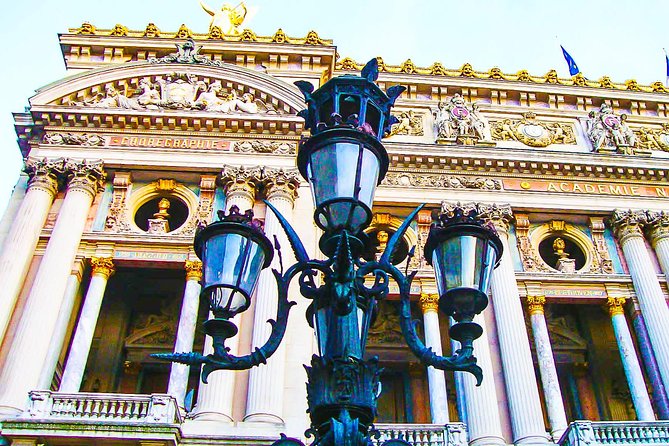
A private walking tour with metro support sounds simple, but it changes the whole day.
First, you avoid the “bad luck” problem. In Paris, getting from one sight to the next is often about transit timing and walking distance. Having a guide handle that means you’ll spend more time seeing and less time plotting.
Second, the tour is designed for short sight windows—some stops are 10 minutes, others are an hour. That matters because Paris attention is perishable. After a long day, even major landmarks start to blur. The guide’s job is to keep each stop purposeful.
Finally, it runs in all weather conditions, so expect that your plan will flex if rain shows up. The good news is the stops include plenty of exterior viewpoints and neighborhood wandering, so you won’t be forced into a single indoor option.
One practical tip: wear shoes that handle cobblestones and plan for standing time. You’re touring by foot and metro for about 5 hours, not doing a “sit down and ride” format.
The guide factor: flexibility can be the whole point
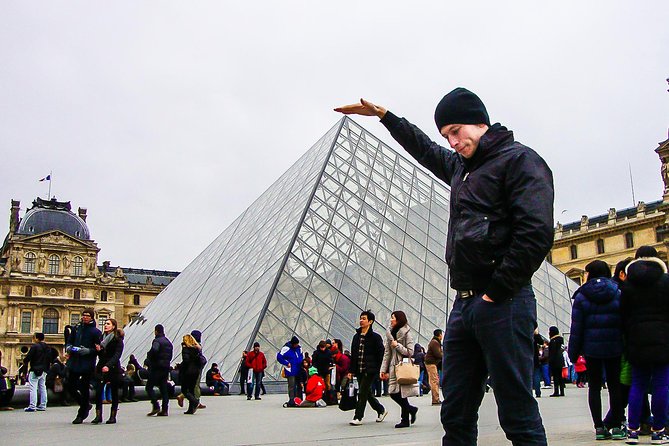
Private tours rise or fall on the guide. The good sign here is that the experience style clearly aims for flexibility, and real guide examples named in the provided information include Sabrina and Martina.
Sabrina is mentioned with a flexible approach where the itinerary could shift based on what you want to do, and that kind of responsiveness is exactly what you hope for with a customizable plan.
Martina is also noted for flexibility with timing—one example even states the tour was done in 2 days instead of 3 due to Christmas, with adjustments to start times and what to see. That’s a strong signal that the guide isn’t just reading from a script.
With that said, a private tour still depends on communication. If you have specific must-dos, tell your guide early so they can build the route around them.
Who should book this and who should skip it
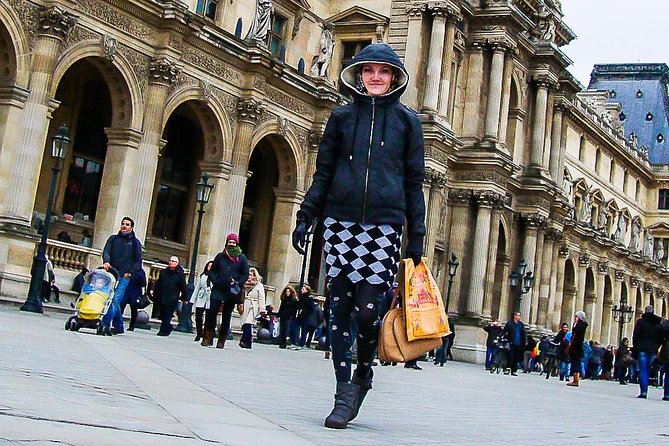
I’d point you toward this tour if:
- You want maximum sightseeing without losing hours to route planning.
- You like the idea of a guide helping you decide what to prioritize that day.
- You’re traveling with someone who values structure but still wants flexibility.
- You prefer a paced mix of monuments plus neighborhoods, not just museum time.
I’d be more cautious if:
- You want every major attraction entered inside with tickets included. Several stops list admission as not included, and the plan includes outside viewing for some big names.
- You don’t like walking for several hours. Moderate fitness is requested, and Paris days add up.
- Your top goal is one single attraction. This tour is broad by design.
Should you book this 3-day private Paris plan?
If you want a smart way to see the highlights without turning your trip into a navigation project, I think this is a strong choice. The biggest win is the private guide + hotel meet-up setup, paired with a route that mixes iconic monuments, the Seine bridges, church landmarks, and neighborhood texture.
Book it if you’ll use the flexibility: swap stops, ask for photo angles, and request a plan that fits your interests. Skip it or adjust expectations if you’re counting on tickets being handled for every major site, because entrance costs aren’t included for several places.
FAQ
Are entrance fees included for the attractions on the tour?
No. Food and drinks are not included, and entrance fees are not included where noted as admission not included on the itinerary.
How long is the tour each day?
It runs about 5 hours each day for three days, with a typical schedule around 10am–3pm and a break for lunch (own expense).
Do you meet at the hotel each day?
Yes. The tour includes meeting your guide in the hotel lobby, and pickup is also listed as offered.
Is this a private tour or shared group?
This is a private tour. Only your group participates.
How do we get around during the tour?
The tour is described as a private walking tour with the use of metro, so you’ll walk and also use the metro during the days.
Does it run in bad weather?
Yes. The experience is listed as operating in all weather conditions, so you should dress appropriately.