REVIEW · PARIS
Swift Access: Mona Lisa and Louvre
Book on GetYourGuide →Operated by RJ TURISMO · Bookable on GetYourGuide
The Louvre starts fast. This Swift Access format is all about getting you inside quickly, with a guided Mona Lisa moment and then real freedom to roam. I like the guaranteed priority access that cuts down the stressful waiting. I also like that the guided part stays focused on the Mona Lisa for about 30 minutes, then you choose your own pace. One catch: it is not suitable for wheelchair users.
You meet your guide at 162 Rue de Rivoli, and you do not wander into the museum on your own. Instead, you’re escorted to the priority entrance, with entrance tickets handled for you, which is part of why this feels like good value at $89 per person. If you want a smooth first Louvre visit, having someone point you in the right direction early helps a lot.
Once you’re in, the guide’s Mona Lisa talk is built for first-time eyes: you get details about the painting’s mysterious expression and Da Vinci’s techniques before you’re released to explore. You’ll see major highlights on your own after that, including famous works like the Venus de Milo and the Winged Victory of Samothrace, plus areas for Egyptian, Greek and Roman, medieval, Renaissance, and even African, Asian, and Pacific art. Just be ready for the bag rules: large bags are not allowed, so keep what you bring simple.
In This Review
- Key things to know before you go
- Meeting at 162 Rue de Rivoli: the easiest start
- Priority access at the Louvre: what you actually skip
- The 30-minute Mona Lisa focus: seeing it with better context
- Free time across 35,000 works: how to choose without racing
- The highlights you can realistically target
- What can make or break your day: bags, ID, and timing
- Price and value: is $89 worth it?
- Who this tour is best for
- Should you book Swift Access: Mona Lisa and Louvre?
- FAQ
- How long is the experience?
- Where do we meet the guide?
- Does it include entrance tickets and admission?
- What does skip-the-line mean here?
- Is the whole Louvre visit guided?
- What ID do I need to bring?
- Are bags allowed inside the museum?
Key things to know before you go
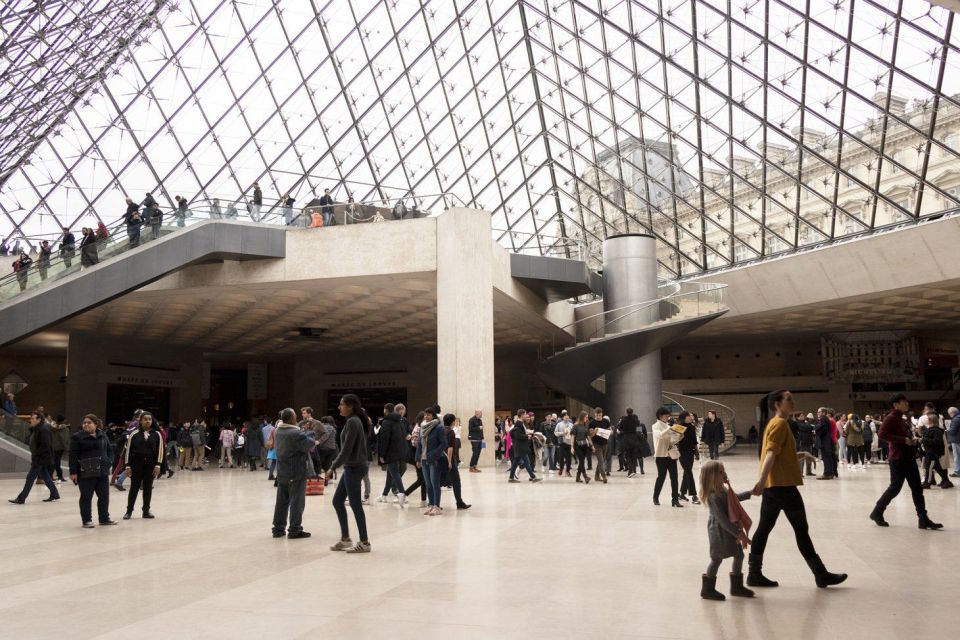
- Guaranteed priority line: you skip the long regular queue and move into a faster access lane.
- A tight Mona Lisa guided stop: you’ll get focused context for roughly 30 minutes near the painting.
- Your own Louvre time after: you can follow your interests across the museum’s huge collection.
- Major “instant classics” are within reach: Venus de Milo and Winged Victory are among the highlights you can hunt for.
- Plan around the bag limit: anything over 55 cm x 35 cm x 20 cm isn’t allowed inside.
- English-language licensed guide: guidance is in English, with the rest of the visit self-paced.
Meeting at 162 Rue de Rivoli: the easiest start
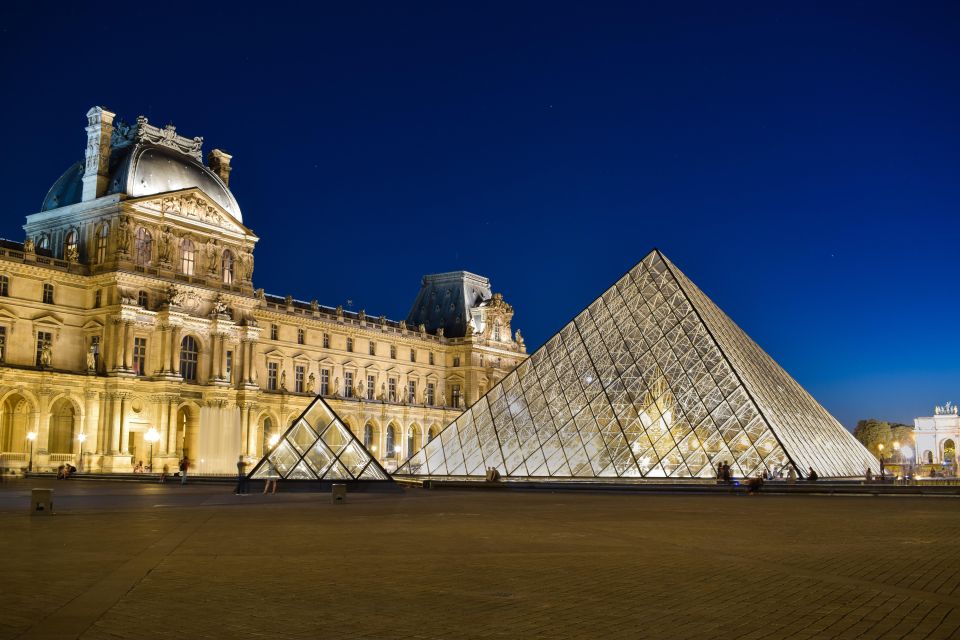
Your trip begins at 162 Rue de Rivoli, in front of the souvenir shop to the left of the foreign exchange counter. This matters because the Louvre entrance can feel confusing when you’re arriving with a crowd. Here, you’re given a clear meeting point, and your guide (with a local partner) helps you reach the priority entry spot without you having to figure out which line does what.
To get there, the straightforward route is Métro Line 1 or 7 to Palais Royal Musée du Louvre. The timing piece is important too: being late counts as a no-show. If you’re traveling by Métro, I’d give yourself extra buffer time and treat the meeting point like an appointment, not a “someday” stop.
Also note the small practical rule set: no large luggage or bags. You’re going to be walking inside a museum, so the best day is the one where you travel light.
You can also read our reviews of more tours and experiences in Paris.



Priority access at the Louvre: what you actually skip
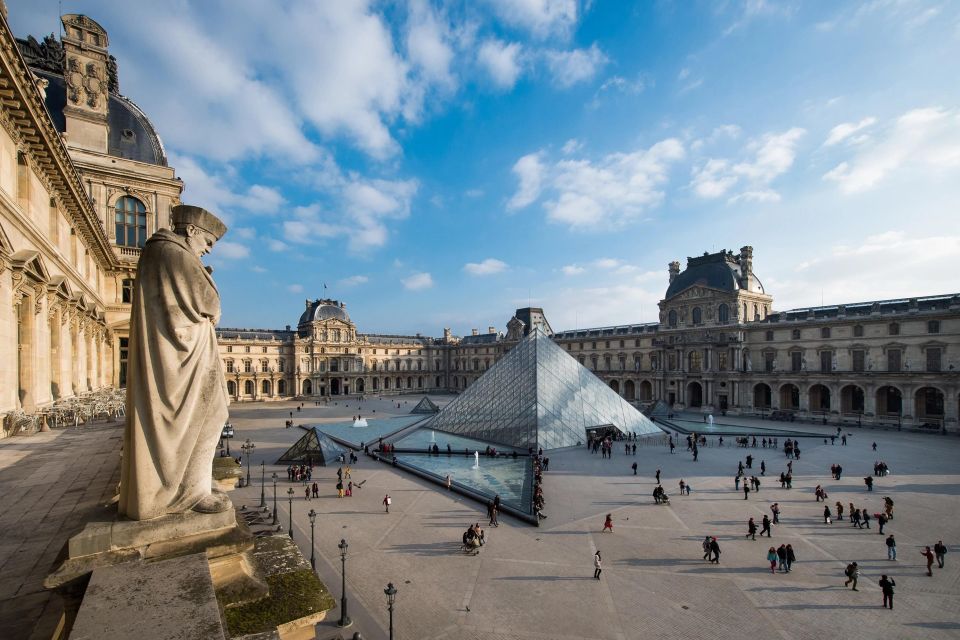
Skip the lines here does not mean you walk in whenever you want. It means you use a faster priority line instead of the long regular one. That distinction matters because the Louvre is popular for a reason, and even with priority access you’ll still be arriving into a busy site.
The tour is set up so you do not enter through the regular flow with everyone else. You’re escorted to the priority access point after you meet at Rue de Rivoli. Then you’re inside and able to head to the guided portion—so your best energy goes to seeing the Mona Lisa with help, not standing around with tired feet.
This is where the price starts to make sense. At $89 per person, you’re paying for three things that are hard to replicate on your own when you’re short on time: a licensed guide for the guided moment, entrance tickets, and the guaranteed priority entrance. If you already know exactly where you want to go and you’re confident navigating the Louvre alone, you might find cheaper options. But if you’d rather “get going” fast, priority access is the point.
The 30-minute Mona Lisa focus: seeing it with better context
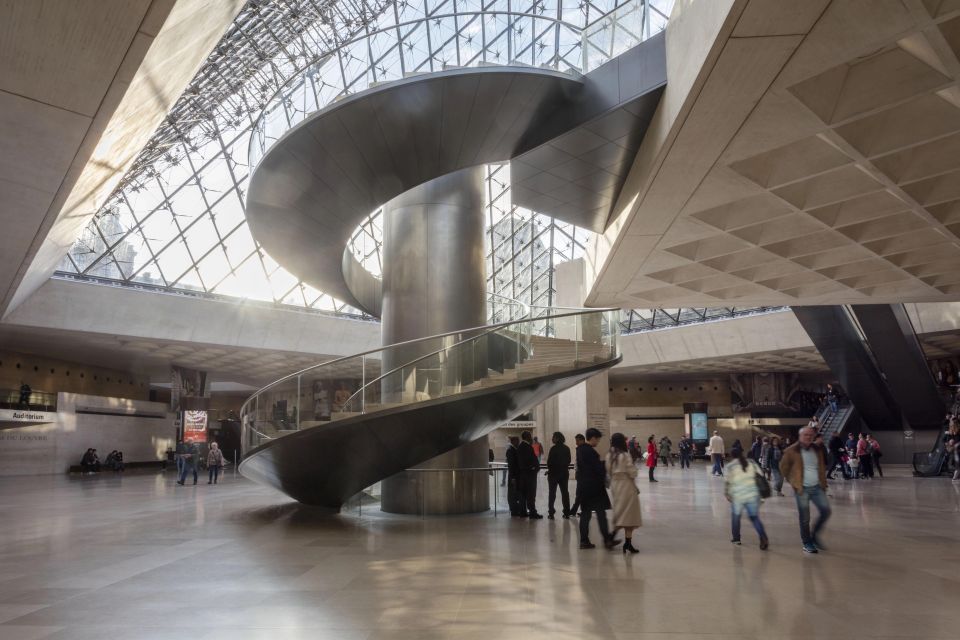
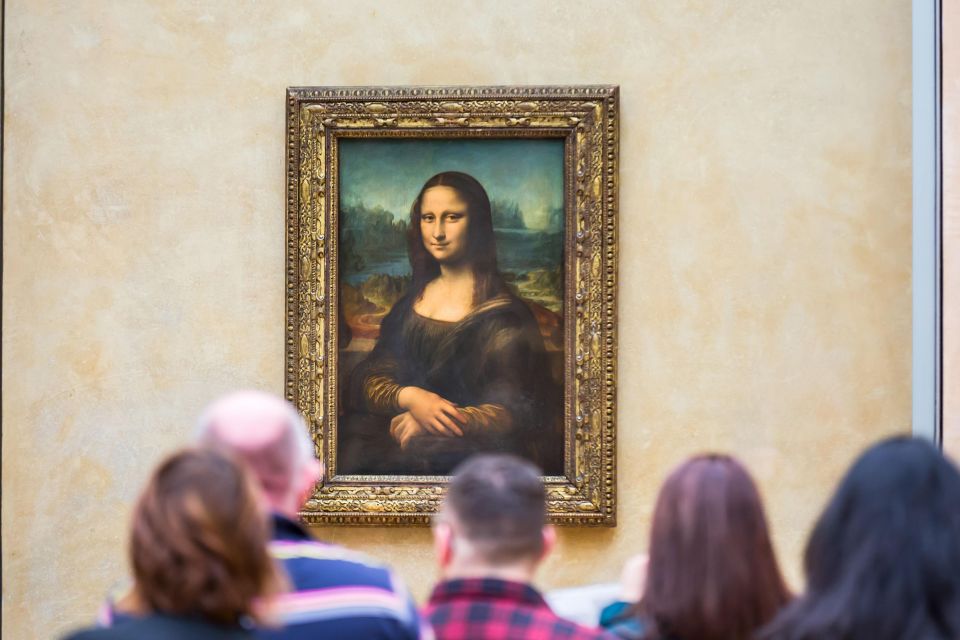
The guided portion centers on Da Vinci’s Mona Lisa. You approach the painting first, and your guide shares details that help you look past the famous image and notice what’s actually happening in the work. The talk includes the enigmatic expression of the subject and notes on Da Vinci’s techniques, so you’re not just staring—you’re learning what to look for.
This matters because the Mona Lisa can feel like a photo-op at first. With context, it becomes a moment of observation. Even if you’ve seen it online a hundred times, standing there in person is different. The guide’s job is to steer your attention toward why this painting has drawn people in for centuries.
After that guided time, you’re free to explore the rest of the Louvre at your own pace. Only the Mona Lisa stop is guided, and it’s designed to be short. That’s a plus for many first-timers: you get help for the one “must-see,” then you decide what else matters to you.
Free time across 35,000 works: how to choose without racing

Once the guide releases you, the Louvre’s scale becomes the real challenge. With over 35,000 artworks, “seeing it all” isn’t a plan. The smart approach is to pick a few lanes and move between them, instead of bouncing randomly and losing time.
Think of your self-guided visit like this: aim for a handful of big-name pieces plus one or two themed areas that match your curiosity. The Louvre covers a lot, and the tour’s structure gives you the flexibility to follow what you care about.
Here are some good directions you can take, based on what the museum is known for in this experience:
- If you’re into antiquity, you can look for famous Greek and Roman works, including the Laocoön Group and the Belvedere Torso.
- If Egyptian art interests you, the Louvre’s collection includes artifacts such as mummies and well-preserved hieroglyphs.
- If you want the bridge between eras, medieval art includes tapestries, sculptures, and paintings that tell stories of medieval Europe.
- For Renaissance fans, you’ll find works by major masters including Raphael, Michelangelo, and Leonardo da Vinci.
- For modern art lovers, the museum includes works by artists such as Matisse, Van Gogh, and Delacroix.
- If you’d like a wider view beyond Europe alone, you can seek out African, Asian, and Pacific art.
Because your time is self-paced, you can tailor your route in real time. If you stop at one area and the crowd is thick, you can pivot. If you find yourself lingering at a sculpture, you can keep going. That freedom is one of the biggest practical wins of this kind of guided-then-independent format.
The highlights you can realistically target
Even with only a guided start, you can still make a strong “greatest hits” day if you choose a few anchors. The experience points to several well-known works that are often on first-time lists.
Here are standout pieces to consider as targets:
- Venus de Milo: the name alone often pulls people in, and it’s one of the museum’s classic statues.
- Winged Victory of Samothrace: another “yes, I have to see that” work that’s popular for a reason.
- Laocoön Group: a dramatic ancient sculpture grouping that rewards time and close looking.
- Belvedere Torso: a legendary example of ancient sculptural skill.
- Mona Lisa: your guided focus, plus the chance to return later if you want to compare what you notice the second time.
Also remember: you are not stuck on one corner of the museum. The collection is spread across major eras and cultures, including Egyptian and classical antiquities, medieval works, Renaissance painting and sculpture, and collections featuring African, Asian, and Pacific art.
If you’re worried you’ll spend the day in a blur, pick one anchor from antiquity and one anchor from a different time period. That gives your visit shape.






What can make or break your day: bags, ID, and timing
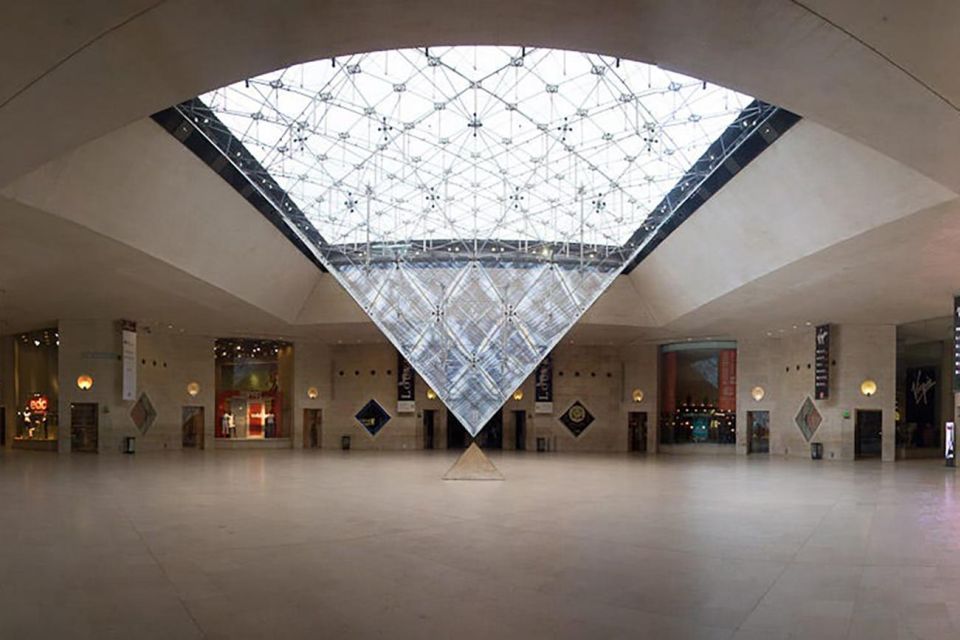
A few practical rules can prevent a frustrating start.
First: bring a passport or ID card. It’s specifically listed as required, so don’t show up empty-handed.
Second: bag restrictions are real. Bags larger than 55 cm x 35 cm x 20 cm are not allowed inside the museum. Also, luggage or large bags are not allowed. This is one of the biggest things that can slow you down right before entry. If you’re used to bringing a big daypack, consider downsizing for this visit.
Third: arrive on time. Late arrivals are treated as a no-show, which is common for timed museum experiences but still worth respecting. This is especially important when you’re meeting at a specific spot rather than meeting inside.
Finally: the visit is not suitable for wheelchair users. If you need accessibility accommodations, you’ll want to look for a different format.
Price and value: is $89 worth it?
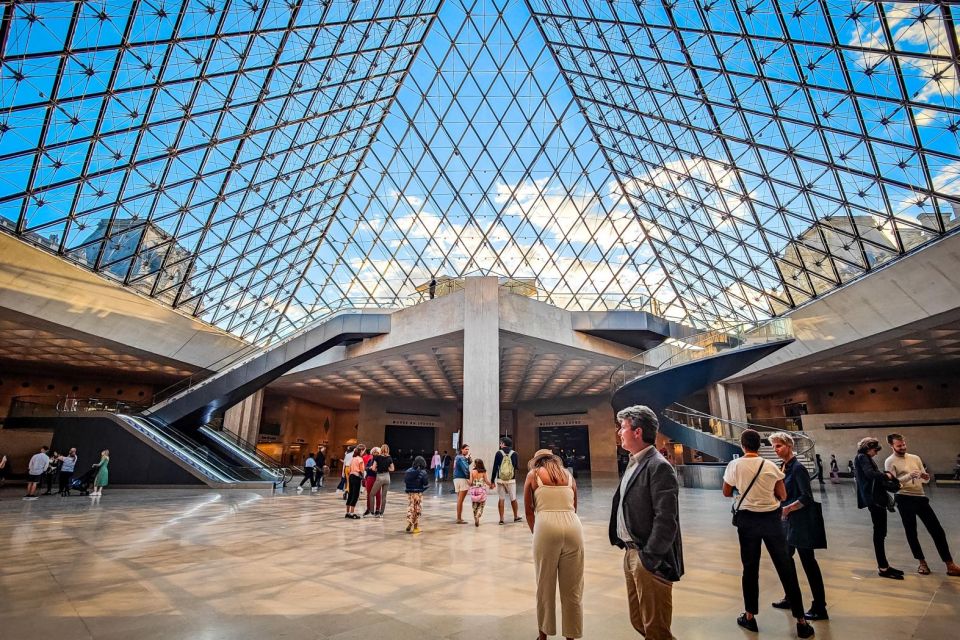
Let’s talk value in plain terms. You’re paying $89 per person for:
- entrance tickets to the Louvre
- a licensed English guide for the Mona Lisa segment
- guaranteed priority skip-the-line access
Your money is buying time and stress reduction. At the Louvre, the regular line can be the difference between a quick, satisfying visit and a day that feels like waiting. Here, the priority access is the whole concept, and it’s paired with guidance at the one site everyone circles: the Mona Lisa.
If your goal is to make the Louvre work even with limited time, this is a sensible way to pay for a smoother start. If you’re traveling with lots of extra time and you’re comfortable navigating crowds and schedules, you could spend less. But the tradeoff is usually more uncertainty and more waiting.
Given the experience holds a 4.7 rating (with a small number of ratings), the “good vibes” match the structure: fast access, clear guidance, and the chance to explore independently afterward.
Who this tour is best for

This is a good fit if:
- you’re visiting the Louvre for the first time and want a guided, high-impact Mona Lisa stop
- you hate wasting time in long lines
- you want freedom after the guided moment to choose what you personally care about
- you’re traveling with a flexible mindset and can pivot inside the museum
It may be less ideal if:
- you need wheelchair-friendly accommodations
- you plan to carry a large bag (the size limit is strict)
- you want a fully guided walkthrough of the entire museum (this is only guided for the Mona Lisa)
If you want a tight introduction to the Louvre’s big names and major art eras without being trapped on a long guided script, this format matches that goal.
Should you book Swift Access: Mona Lisa and Louvre?

Book it if you want a fast start, a focused Mona Lisa briefing, and the confidence that your entrance is handled with guaranteed priority access. This is especially appealing when you know you’ll spend most of your time exploring on your own anyway—so you get the best of both worlds: guidance for the headline painting, then your own route across Egypt, antiquity, medieval Europe, Renaissance masters, and more.
Skip it if you’re traveling very light, have plenty of time, and are perfectly happy managing regular entry lines and navigation by yourself. Also skip it if accessibility needs are part of your plan, since this one is not suitable for wheelchair users.
If your priority is simple: get inside quickly, see the Mona Lisa with real context, then roam where your curiosity leads, this tour’s structure is built for exactly that.
FAQ
How long is the experience?
The duration is 30 minutes. The Mona Lisa portion is guided and lasts approximately 30 minutes.
Where do we meet the guide?
Meet your guide at 162 Rue de Rivoli, in front of the souvenir shop to the left of the foreign exchange counter.
Does it include entrance tickets and admission?
Yes. Entrance tickets and entry/admission to the Louvre Museum are included.
What does skip-the-line mean here?
Skip the line means you use a faster, priority line instead of waiting in the long regular line, with other customers who selected this option.
Is the whole Louvre visit guided?
No. Only the visit to the Mona Lisa is guided. After that, you explore the Louvre Museum on your own for as long as you like.
What ID do I need to bring?
You should bring a passport or an ID card.
Are bags allowed inside the museum?
Large bags are not allowed. Bags larger than 55 cm x 35 cm x 20 cm are not permitted inside the museum, and luggage or large bags are not allowed.