REVIEW · PARIS
Paris : Wine tasting at the cellar of Joël Robuchon
Book on GetYourGuide →Operated by La Cave de Joël Robuchon · Bookable on GetYourGuide
A cellar tasting in Paris is already a treat. This one adds a smart, step-by-step flight of whites and reds with food, guided by sommeliers. You get the sense of real technique here, not just a sip-and-go demo.
What I like most is how the tasting moves in clear stages. It starts light and elegant, then shifts to a more opulent style, then goes from a fruity red into a smoother, more structured red. The second big win is the feel: intimate, friendly, and focused on learning through tasting, with hosts such as Igor or Jose often called out for hospitality.
One drawback to consider: it is a set flight. If you’re hoping to taste every bottle on the cellar shelves, that option isn’t included in the price, so you may need to pay extra.
In This Review
- Key things to look forward to
- Inside Joël Robuchon’s Cellar: The vibe is small and intentional
- The 90-minute flow: Four wines, each with a purpose
- Step 1: Light and delicate white to set your palate
- Step 2: Second white goes opulent and fleshy
- Step 3: Light red that’s fruity and fine
- Step 4: Second red is suave, with more body and structure
- The food pairing and dietary options: Practical and inclusive
- How much it costs and whether it’s good value
- Who this tasting fits best (and who might want something else)
- What to expect from the hosts: Warm, bilingual guidance
- Bottles after the tasting: Stay, or take the wine with you
- Price and logistics: What to plan for
- Should you book this Joël Robuchon cellar wine tasting?
- FAQ
- How long is the wine tasting at Joël Robuchon’s cellar?
- Where does the experience start?
- Is this activity suitable for children?
- What languages are offered during the tasting?
- What’s included in the price?
- What’s not included?
- Can I bring the wine home or do I have to finish it there?
- Is there a cancellation option?
Key things to look forward to
- Four-wine progression: two whites (light then richer) and two reds (fruity then more structured)
- Food pairing as part of the lesson in the tasting room back shop
- Intimate, private-group vibe that makes it easier to ask questions
- Hosts who explain with warmth, with Igor and Jose highlighted for fun and know-how
- Dietary adjustments available so the experience can work for more diners
Inside Joël Robuchon’s Cellar: The vibe is small and intentional
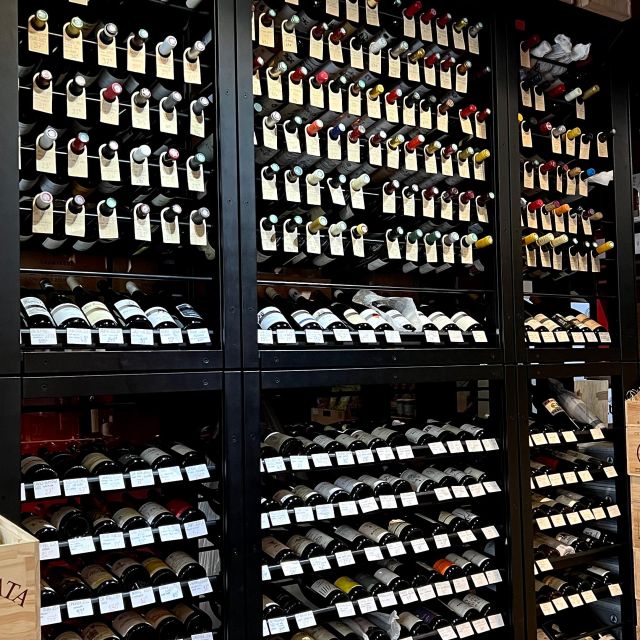
This isn’t the kind of tasting where you’re shuffled through a long line and told to keep moving. You arrive at Joël Robuchon’s cellar, then settle into a more intimate tasting space in the back shop. That layout matters. In a smaller room, the pace is calmer and it feels easier to actually taste instead of performing tasting notes for the group.
The activity is designed around a true learning arc. You’re not just sampling random bottles. You’re guided through contrasting styles—light vs opulent, fruity vs structured—so you can start recognizing what changes when winemakers change choices like grape character, aging approach, and style intent. It’s a practical way to build your palate.
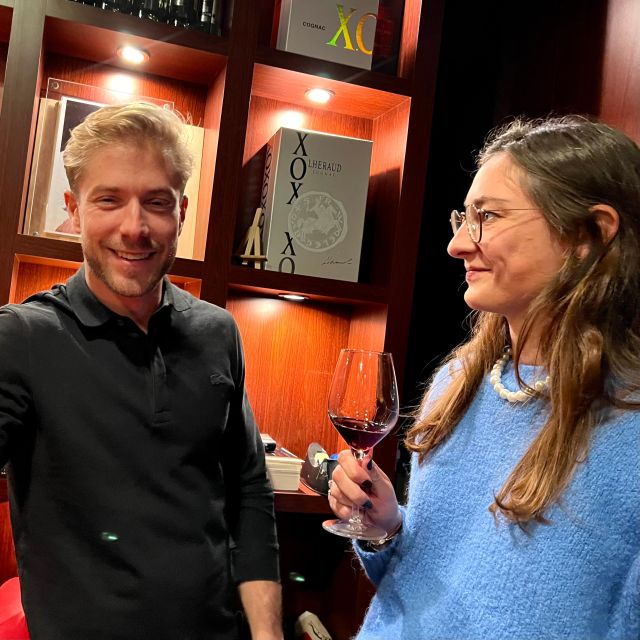
It also helps that this is a private group experience. Private doesn’t automatically mean stuffy. Here, the tone is described as friendly and hospitable, and that makes the wine talk land better, especially if your French is more basic.
You can also read our reviews of more food & drink experiences in Paris


The 90-minute flow: Four wines, each with a purpose
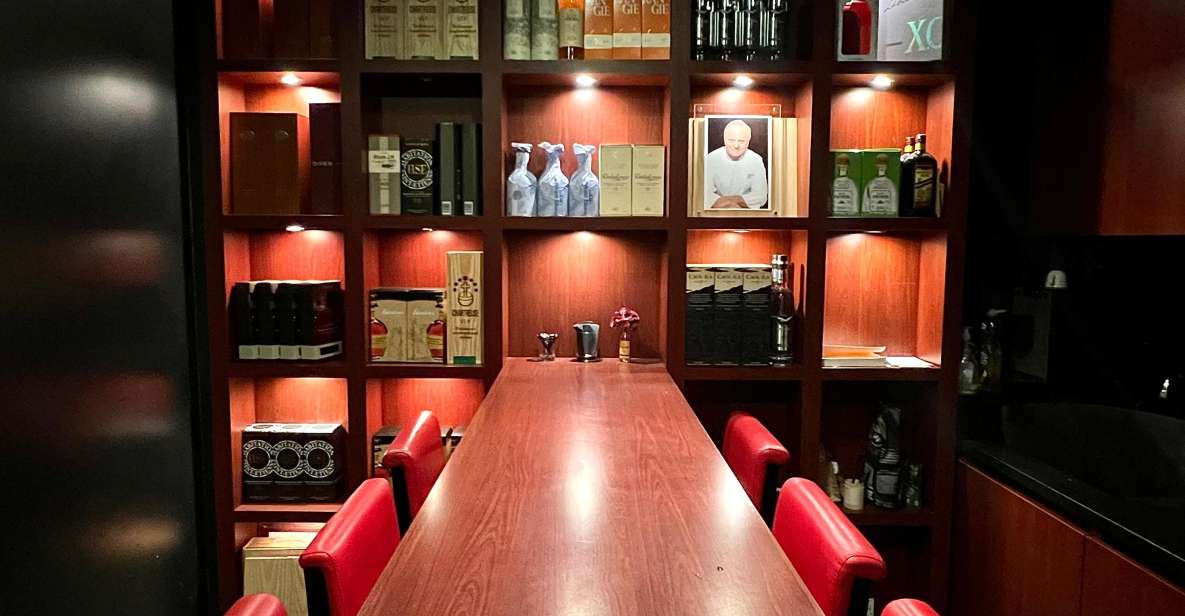
The whole tasting runs about 90 minutes, which is long enough for you to slow down and pay attention, but short enough that it doesn’t drag. The format is consistent: wines get opened, poured, and explained, and dishes show up as part of the tasting. If you like food-and-wine pairings where you can taste the effect, this flight is built for that.
Here’s how the tasting is sequenced and why it works.
Step 1: Light and delicate white to set your palate
You begin with a light, delicate white wine. This first pour is basically a palate warm-up. It’s finesse and elegance first—clean, lighter flavors—so your mouth isn’t overwhelmed before the tasting starts getting more expressive.
Food is part of this opening stage. That’s a subtle but important detail. A first white paired with a light bite helps you pick up aromas and acidity without your taste buds feeling battered. You’ll likely leave this section thinking: oh, so that’s what subtlety tastes like.
Step 2: Second white goes opulent and fleshy
Next comes another white, but the style changes. This one is described as more opulent and fleshy—a step toward rounder texture and more weight.
Why this matters: you’re tasting two white styles back-to-back. That contrast helps you understand how the same general category (white wine) can mean very different flavor directions. If you’ve ever wondered why some whites feel crisp and others feel almost silky, this portion is where you start making those connections.
Step 3: Light red that’s fruity and fine
After the whites, the flight turns to red, starting with a light red that’s fruity and fine. This isn’t about going heavy right away. It’s about keeping your attention on fruit character, freshness, and balance.
Paired dishes continue through the flight, and that’s key. When a light red is served with the right bite, it can make the fruit read clearer and the structure feel gentler. It’s a good transition moment from white acidity to red flavor dynamics.
You can also read our reviews of more wine tours in Paris



Step 4: Second red is suave, with more body and structure
Finally, you get the second red: suave, with more bodies and structure. Think of it as the tasting’s anchor. This wine changes the “feel” of the mouth—more depth, more grip, more sense of shape.
This is also where the earlier lessons click. If the first white taught you elegance and the second white taught you richness, and the first red taught you fruit and finesse, the final red ties it all together with structure. It’s a clean arc that leaves you with a more complete map of what you’ve tasted.
The food pairing and dietary options: Practical and inclusive
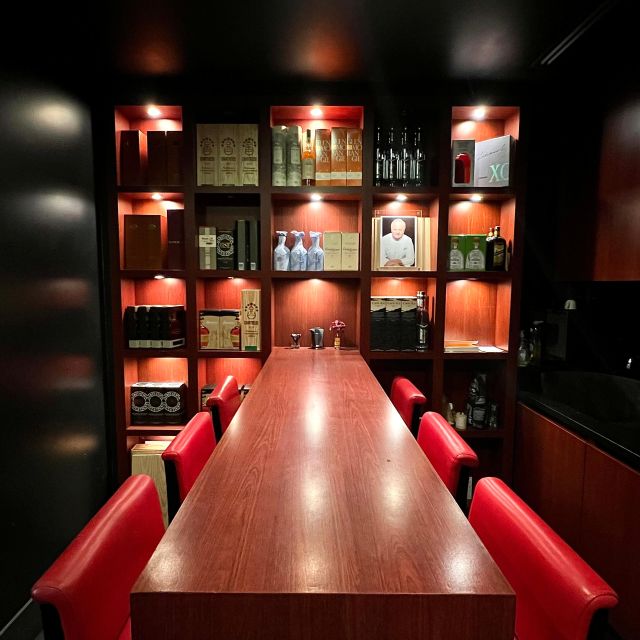
Wine often gets treated like it’s separate from food. Here it’s not. The tasting includes varied dishes throughout, so you can experience how food affects flavor perception: acidity can feel sharper, fruit can read louder, and tannins can soften or sharpen depending on what’s on your plate.
There’s also a note that dietary adjustments for the wines are offered. The exact details aren’t spelled out, but the intent is clear: you should be able to adapt the tasting so it still feels like a complete experience instead of a compromise.
If you’re traveling with dietary needs, this is one of the reasons the experience feels more thoughtful than many generic tastings.
How much it costs and whether it’s good value
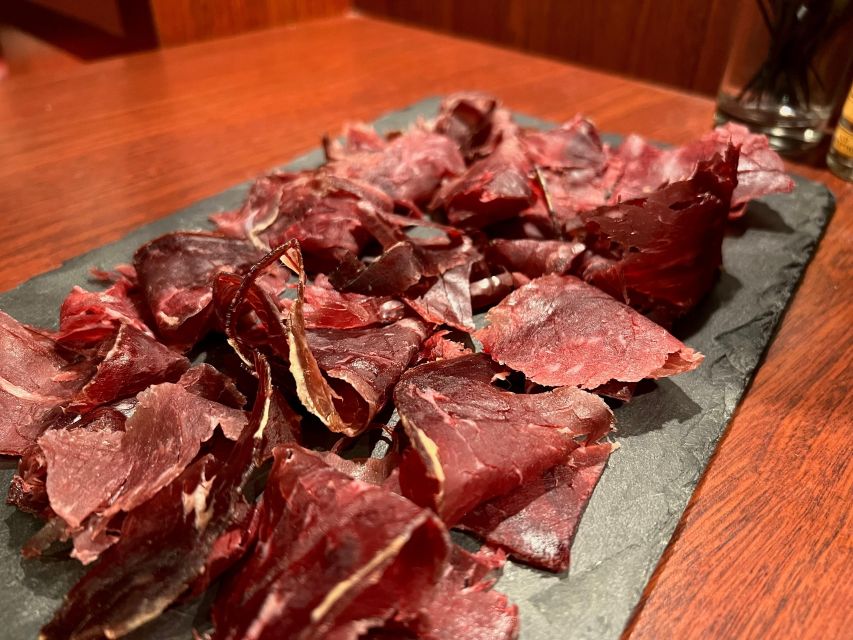
The price is $100 per person for a 90-minute private tasting. At that rate, you’re paying for three main things:
- A focused, guided flight of four wines (two whites, two reds)
- Food served as part of the tasting, not as an afterthought
- A more personalized setting, since it’s a private group format
It’s not the cheapest way to drink in Paris. But it isn’t priced like a “pour-only” experience either. If you want guidance and a structured progression that helps you learn something—rather than just collecting sips—this price starts to make sense.
One extra value detail: after the tasting, you can finish the bottles in the tasting room or take them with you to continue the experience. That means your evening doesn’t have to end at the last pour.
Who this tasting fits best (and who might want something else)
This is for adults, since it is not suitable for children under 18. Beyond age, it suits two main groups:
Wine lovers who like structure
If you enjoy tasting flights where each stop teaches you something—light to opulent, fruity to structured—this flight style is made for you.
People who want a friendly, conversation-forward setting
The hosts are described as fun and hospitable. Names like Igor and Jose show up in guest feedback, and the tone matters: if you like asking questions and getting real answers, you’ll probably enjoy the room.
You might consider a different option if your main goal is to sample a wide range of cellar bottles beyond the set flight. The description makes it clear that tasting all bottles is not included in the price.
What to expect from the hosts: Warm, bilingual guidance
The instructors are French and English. That’s handy in Paris, where you might want explanations without feeling lost. The tasting also gets presented by sommeliers, and the overall vibe described is intimate and friendly.
If you’re the type who worries you’ll feel awkward asking questions, this format helps. The pace is slow enough for you to talk, and the wine progression gives you clear moments to ask why the style shifts between each bottle.
Bottles after the tasting: Stay, or take the wine with you
This is one of those details that can shape your whole evening. After the tasting, you can finish the bottles in the tasting room, or take them to continue the experience elsewhere.
That’s useful if you want the tasting to be the start of a longer night, not just a standalone event. It also works well if you’re traveling with wine-minded friends and you want to keep talking about what you learned while you’re still together.
Price and logistics: What to plan for
This takes about 90 minutes, so it fits neatly between meals or as an early evening activity. It’s set up for private groups, so your best planning move is simple: arrive a few minutes early so you’re settled before the first pour.
One more planning note: the experience lasts for the flight, not for exploring the cellar at large. If your dream is to try every bottle you see, know that tasting all bottles is not included in the standard price.
Should you book this Joël Robuchon cellar wine tasting?
Book it if you want a structured, food-and-wine tasting in an intimate setting, and you like the idea of learning through contrast: light vs opulent whites, fruity vs structured reds.
Skip it (or look for another format) if you’re chasing variety for its own sake. This is about a deliberate sequence, not an unlimited cellar sampling session.
If you’re a wine novice, you’ll still be fine because the flight starts gentle and the explanations are designed to guide you. If you’re more advanced, you’ll likely enjoy the style contrasts and the way the pacing lets you compare instead of rushing.
FAQ
How long is the wine tasting at Joël Robuchon’s cellar?
The tasting lasts 90 minutes.
Where does the experience start?
The meeting point is Joël Robuchon’s cellar.
Is this activity suitable for children?
No. It is not suitable for children under 18.
What languages are offered during the tasting?
The experience is offered in French and English.
What’s included in the price?
Included: white wines, red wines, and varied dishes during the tasting.
What’s not included?
A possible tasting of all bottles at the cellar is not included in the listed price.
Can I bring the wine home or do I have to finish it there?
After the tasting, you can finish the bottles in the tasting room or take them with you.
Is there a cancellation option?
Yes. You can cancel up to 24 hours in advance for a full refund.