REVIEW · PARIS
Paris Wine and Cheese Tastings Class near Le Marais
Book on Viator →Operated by Meeting the French · Bookable on Viator
Wine and cheese, with real French coaching.
This hands-on class near Le Marais lets you taste in a wine cellar setting while learning how French wine regions actually shape what ends up in your glass.
I love how personal it feels, with time to ask questions and even request the French wines you care about. I also like the practical pairing style: bread and water help reset your palate, and the cheeses are matched to each pour instead of treated like an afterthought.
One thing to consider: this is not a restaurant stop, so toilets may be limited depending on the boutique setup.
In This Review
- Key things to know before you go
- Paris wine and cheese, taught like a real conversation
- Meeting at Le Vin qui parle and what your 3:30 pm timing means
- The wine cellar lesson: regions, grapes, and the land behind the taste
- Your tasting menu: how the class structures the pours
- Cheese pairing with an artisanal shop mindset
- Asking for your favorite wines (and getting an answer)
- The hidden value: you leave with a usable way to shop and order
- Price and value: is $80.48 worth it?
- Small logistics that affect your comfort (and how to plan)
- Who this class suits best (and who should look elsewhere)
- Should you book this Paris wine and cheese class?
- FAQ
- How long is the Paris wine and cheese tasting class?
- Where exactly is the meeting point?
- What time does the class begin?
- Is the class offered in English?
- What’s included in the price?
- Do they pick you up from your hotel?
- Is there an option to spit while tasting?
- What is the minimum drinking age?
- How many people are in the group?
- What if I need to cancel?
Key things to know before you go
- Small group (max 8): you get real conversation, not a lecture you can’t interrupt.
- Wine regions with maps and soil samples: you connect taste to the land and the grape.
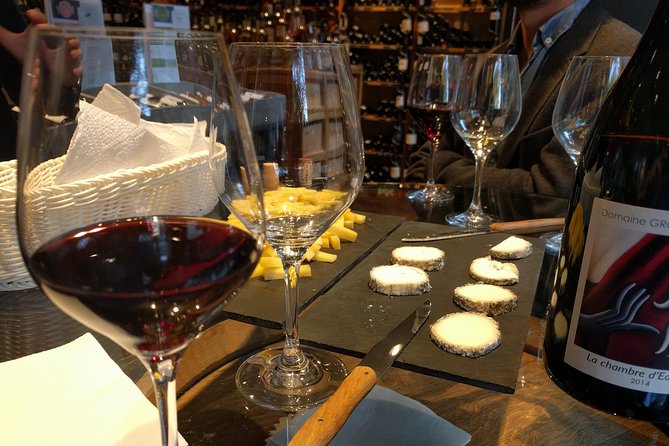
- Wine + cheese pairing every step: you learn why certain matches work.
- Bread and water included: palette cleansing is part of the lesson, not just a courtesy.
- Spittoon provided: you can taste confidently without rushing to finish everything.
Paris wine and cheese, taught like a real conversation
If you want more than a sip-and-smile tour, this class is built for you. It’s short (about 1 hour 30 minutes) and structured, but the tone stays friendly and interactive.
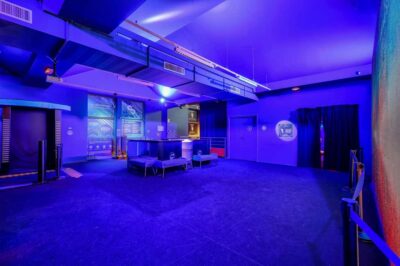
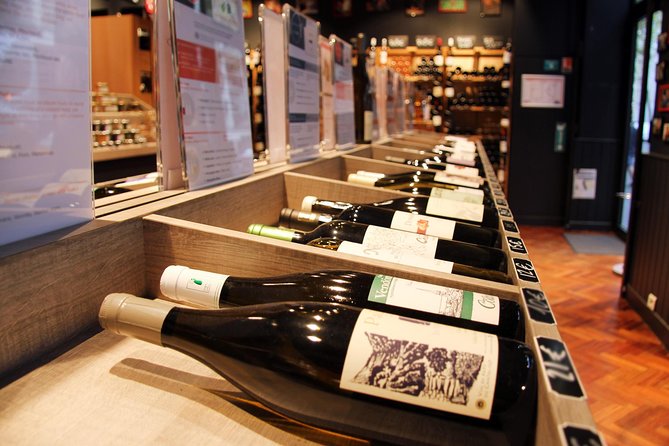
The setting matters too. You’re in a prepared tasting area with a wine-focused atmosphere, including time with passionate wine professionals (oenologists). That combination turns wine facts into something you can actually use when you’re shopping for bottles later.
You can also read our reviews of more wine tours in Paris


Meeting at Le Vin qui parle and what your 3:30 pm timing means
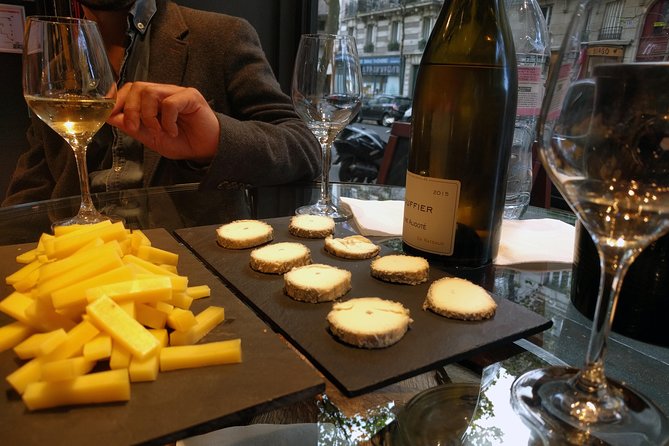
The class meets at Le Vin qui parle, 30 Rue Faidherbe, 75011 Paris, and it ends back at the same place. You start at 3:30 pm, which is a smart slot if you’ve already done a morning of walking in central Paris and you want something calmer before evening plans.
Because it’s near public transportation, you don’t need complicated logistics to get there. And since the tour is mobile-ticket based, it’s easy to keep everything straight on your phone.
One practical tip: go in with some room in your stomach. In one example, the guide noticed the group hadn’t eaten recently and made sure fresh bread was available for pairing. That kind of attention is the rule here, not the exception.
The wine cellar lesson: regions, grapes, and the land behind the taste
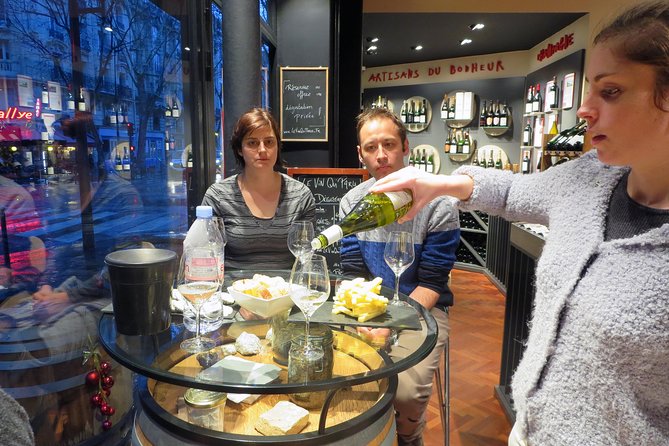
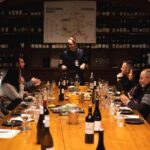
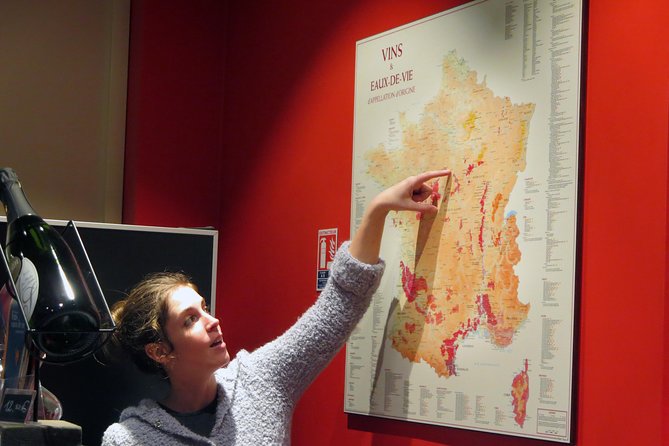
The heart of the experience is the wine education portion. You’ll start by meeting your wine expert, then get an overview of French wine regions—and more importantly, how those regions influence flavors you’ll recognize.
Maps are part of it, and so are authentic soil samples. That’s the difference between hearing wine terms and understanding why they exist. When you can connect a grape to where it grows and what the ground contributes, tasting becomes less guesswork.
As you learn, you’ll also get a framework for describing wine. The conversation can cover things like bouquet categories, and you’ll hear the kind of explanations that help you move beyond simple labels like fruity or dry.
Your tasting menu: how the class structures the pours
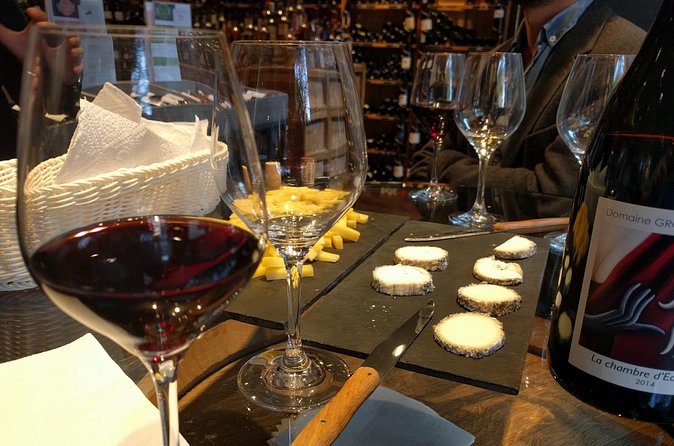
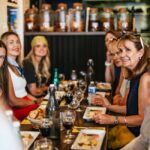
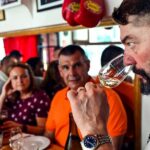
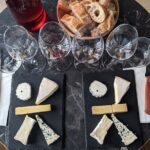
The tasting approach is built around a simple rhythm: wine first, then cheese matched to what you just tasted. You’ll typically encounter a mix of styles—like red wine and white wine—with cheese pairings designed to complement each pour.
Included with the tasting are water and bread. Don’t treat those as background items. Use the bread and water between samples to reset your palate, so each pairing comes across clearly instead of blending into one long flavor blur.
There’s also a built-in option for pacing. A spittoon is provided, so you can taste and learn without feeling forced to drink every drop. That’s especially helpful if you’re sensitive to alcohol or you want to stay comfortable after the class.
Cheese pairing with an artisanal shop mindset
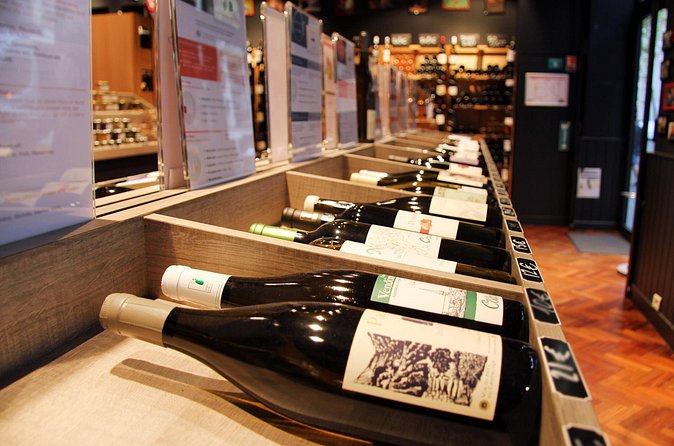
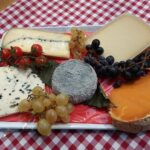
This is where a lot of wine tastings fall short: they pour a few wines and toss out cheese without a clear reason. Here, pairing is the point. You’ll taste cheeses from a nearby artisanal source and learn how the combination changes what you perceive in the glass.
Expect the cheese to act like a flavor tool. Fat, salt, and texture can soften tannins in red wine, sharpen contrasts, or bring out fruit or acidity depending on the match. The lesson helps you notice these effects, not just memorize pairings.
If you like the idea of cooking or hosting later, this section gives you something real to take home. You’ll walk away with a better sense of what types of cheese tend to work with different wine styles—and why.
You can also read our reviews of more tours and experiences in Paris
Asking for your favorite wines (and getting an answer)
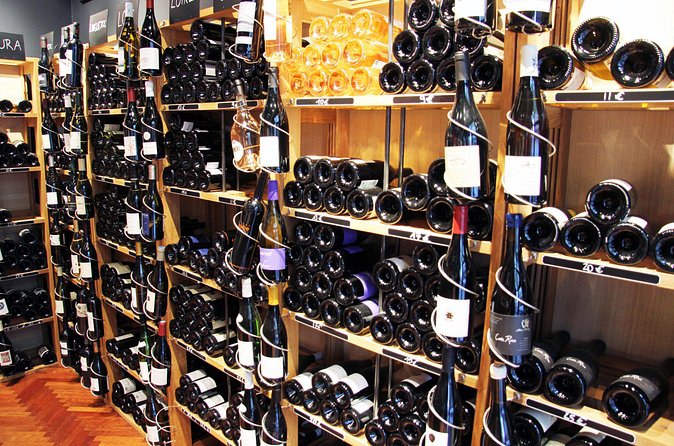
One of the best parts of this class is the invitation to personalize. You can request to taste and learn about French wines you already like. That turns the tasting from a generic sampling into something closer to a guided comparison.
This matters for your learning because you get to anchor new information to a baseline you already enjoy. Instead of asking you to start from scratch, the class builds on your own tastes.
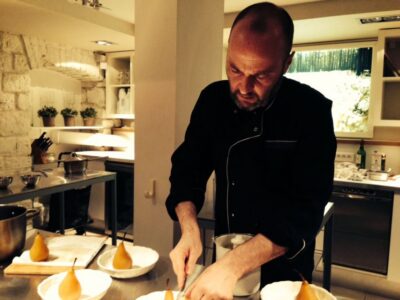
The guide also supports questions in a natural way. In one memorable example, Alex was friendly and helpful, and he even stepped across the street to grab fresh bread when it turned out the group hadn’t eaten recently. That kind of responsiveness keeps things comfortable and also shows the guide is watching the details that affect your tasting experience.
The hidden value: you leave with a usable way to shop and order
A good wine class should change how you behave the next day. This one aims for that through practical understanding, not just facts.
By the end, you should feel more confident about differences in wines—especially how regional factors and grape traits translate into taste. You also get language and categories that help you talk about what you’re drinking without sounding like you’re reading from a label.
Even if you don’t become a wine judge, you’ll likely notice the difference when you’re ordering in a bar or choosing bottles at a shop. You’ll have a better instinct for what to try next and how to explain what you want.
Price and value: is $80.48 worth it?
At $80.48 per person, this isn’t a budget activity. But it also isn’t a generic add-on where you pay mostly for access. You’re paying for a focused, small-group format, guided tastings, and the instructional components that make wine education stick.
Here’s what you’re getting for your money:
- Wine and cheese tastings as the main event
- Water and bread included, used as part of the palate-reset method
- A guided lesson connecting French regions to grapes and taste
- Time with passionate oenologists for questions
- A maximum group size of 8, which keeps the experience interactive
If you typically spend a lot on wine but struggle to choose, this class can be a good use of travel time and money. You’re effectively paying for “taste coaching” so future purchases feel less random.
If you mostly want a casual snack-and-sip without questions or structured learning, you might feel like you wanted more freedom. In that case, a simple cheese shop tasting could fit better.
Small logistics that affect your comfort (and how to plan)
A few practical notes can help you enjoy the class without stress.
Food timing: If you arrive hungry, you’ll likely enjoy it more. Fresh bread may be available during the tasting, and your guide can adjust when they notice you haven’t eaten, but you don’t want to rely on that.
Restroom situation: Because it doesn’t happen in a restaurant, toilets may not be readily available or easily accessible. If you’re the type who likes to confirm ahead of time, plan accordingly.
Alcohol pacing: The spittoon is there for a reason. Use it. You can taste more styles with less fatigue, and you’re more likely to actually remember what you liked and why.
Language: The class is offered in English, and with a small group, it’s easier to keep the conversation flowing.
Who this class suits best (and who should look elsewhere)
This is a strong match if:
- you enjoy learning while you taste
- you want a guided pairing experience
- you like asking questions and talking through what you’re noticing
- you want a small-group setting close to the Le Marais area
It may not be ideal if:
- you want a long, leisurely meal with lots of food choices
- you don’t want to think about wine regions or pairing logic
- you prefer a self-guided tasting where you set your own pace entirely
Should you book this Paris wine and cheese class?
I’d book it if you want a focused class that teaches you how to taste smarter. The combination of wine region context, soil samples, and structured pairing gives you more than a one-time experience—you get a method you can carry into future tastings.
If you go in hungry, with curiosity, and a plan to use the spittoon when you need to, you’ll likely end the class feeling confident choosing French wine and pairing it with cheese. For an afternoon in Paris, this is the kind of activity that feels like it’s built for people who really care about flavor.
FAQ
How long is the Paris wine and cheese tasting class?
It runs for about 1 hour 30 minutes.
Where exactly is the meeting point?
It starts at Le Vin qui parle, 30 Rue Faidherbe, 75011 Paris, France.
What time does the class begin?
The start time is 3:30 pm.
Is the class offered in English?
Yes, it’s offered in English.
What’s included in the price?
The experience includes wine tasting, cheese tasting, water and bread, and alcoholic beverages.
Do they pick you up from your hotel?
No. Hotel pickup and drop-off are not included.
Is there an option to spit while tasting?
Yes. A spittoon is provided for those who wish to use it.
What is the minimum drinking age?
The minimum drinking age is 18 years.
How many people are in the group?
The class has a maximum of 8 travelers.
What if I need to cancel?
You can cancel for a full refund up to 24 hours before the experience starts. If you cancel less than 24 hours in advance, you won’t get a refund.