REVIEW · PARIS
Paris Treasure Hunt – Explore the Seine from Louvre to Eiffel
Book on Viator →Operated by From Paris With Fun · Bookable on Viator
A Seine walk that turns sightseeing into a game. You get a self-guided treasure hunt with clue stops along the Seine, plus iconic views from the Louvre area all the way toward the Eiffel Tower. The only real drawback is timing: the activity runs about 2.5 hours and automatically ends after 3 hours, so you’ll need to move and not get too lost in photo mode.
I especially like that this is built for real families and mixed ages. The riddles are designed to keep kids engaged without turning it into a dumbed-down scavenger hunt, and help is available in-person if you get stuck (not via a confusing app). If you hate reading or want a traditional lecture-style guide, this may feel like work.
In This Review
- Key things to know before you go
- Why this Louvre-to-Eiffel treasure hunt feels different
- The 4.5 km route: timing, pacing, and the 3-hour stop
- Meeting at 19 Pl. du Carrousel and getting started
- Louvre area clues: finding your bearings fast
- Musée d’Orsay and Pont Alexandre III: art and bridge views
- Les Invalides and le Grand Palais: history without the lecture
- The Eiffel Tower finish: get the last answers in before time runs out
- What you actually get: booklet, riddles, map, and cultural notes
- Families, couples, and small groups: who this fits best
- Price and value: $42.05 for structure and not just narration
- Practical tips for a smooth walk
- Should you book this Seine treasure hunt?
- FAQ
- How long is the Paris Treasure Hunt?
- What’s the route and where do I start?
- Do I need to download an app?
- What language is it offered in?
- Is it good for families with children?
- How much walking is involved?
- What if weather is bad or I need to cancel?
Key things to know before you go
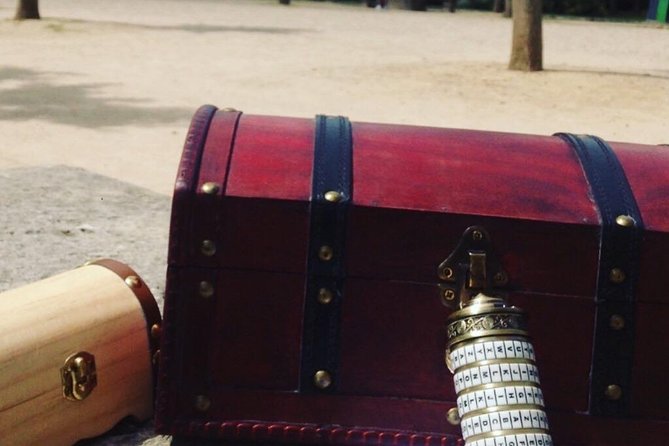
- No app, no guide, just a game booklet with riddles, a map, and cultural notes
- Louvre-to-Eiffel route along the Seine with clue stops at major landmarks
- About 4.5 km of walking, usually 2.5 hours, then a hard 3-hour time limit
- English (and French) with a mobile ticket—easy to show up and start
- Small group size with a maximum of 20 people, so it doesn’t feel like a crowd herding you
- In-person hint help is available during the game if you need it
Why this Louvre-to-Eiffel treasure hunt feels different
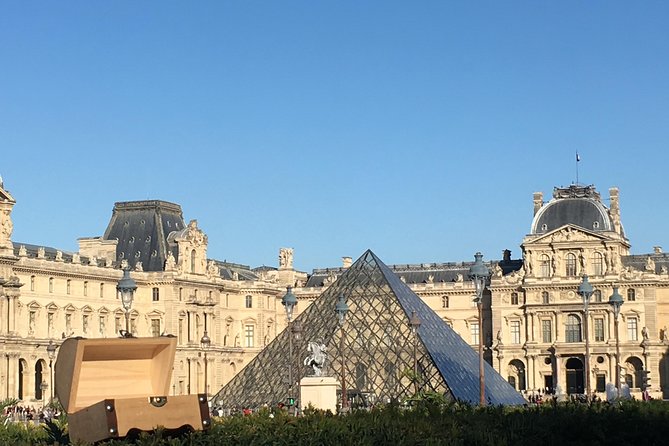
Paris can be overwhelming when you’re hit with landmark after landmark. This treasure hunt turns that problem into something fun: instead of trying to absorb every detail at once, you solve clues step-by-step and you naturally look around.
I like the balance here. It’s not a totally silent walk, and it’s not a scripted “follow me” tour either. You get prompts that point your attention toward what’s meaningful, and you decide when to pause for photos or a quick snack break.
The route is also smart for the Seine side of Paris. You’re built for views—water, bridges, grand facades—rather than just moving between far-apart attractions.
You can also read our reviews of more tours and experiences in Paris.



The 4.5 km route: timing, pacing, and the 3-hour stop
The whole experience is around 2 hours 30 minutes and covers about 4.5 km on foot. The key detail is the automatic finish: it ends after 3 hours, wherever you are on the route.
That time limit changes how you should plan your day. If you show up late or wander off to shop or linger too long, you might not finish all clues. On the flip side, you don’t need to rush like you would on some guided tours—just keep a steady pace.
I recommend you treat it like a “walk and think” outing. If your group is slow, build in more time at the start so you don’t feel stressed once the clock is ticking.
Meeting at 19 Pl. du Carrousel and getting started
You start at 19 Pl. du Carrousel, 75001 Paris, near the Louvre. The activity ends back at the meeting point, yet the route is designed to have you on a path that lines up with the Eiffel Tower at the end. In practice, that means plan to spend your last stretch near the Eiffel area before you wrap up.
You’ll get the materials without downloading anything. Expect a game booklet with riddles, an included map, and cultural notes, plus answer sheets and whatever else you need to play.
Since it’s self-guided, the game tempo is yours. If you’re with kids, this is a huge win: you can pause for a bathroom stop or a snack without having to “catch up” to a guide.
Louvre area clues: finding your bearings fast
Starting near the Louvre is clever because you’re starting in a place with immediate visual payoff. From the outset, you’ll be scanning details you might normally miss if you were just trying to hurry through.
This is where the treasure hunt format really helps. You don’t need to know anything about Paris ahead of time, because the riddles and cultural notes are doing the teaching. You just need patience for reading and a bit of teamwork.
If your group includes kids, this start point gives you something to do right away. There’s no awkward “now we’ll wait for the adult to find the right street” moment—your booklet drives the next step.
Musée d’Orsay and Pont Alexandre III: art and bridge views
One of the best parts of the route is that it doesn’t only chase monuments—it links them through the way you move.
At Musée d’Orsay, you get a clue stop that pairs naturally with the idea of art in Paris. Even if you don’t go inside the museum, you’ll be thinking about the landmark in a new way because the game connects it to a question you’re actively solving. It turns a photo stop into a mini lesson.
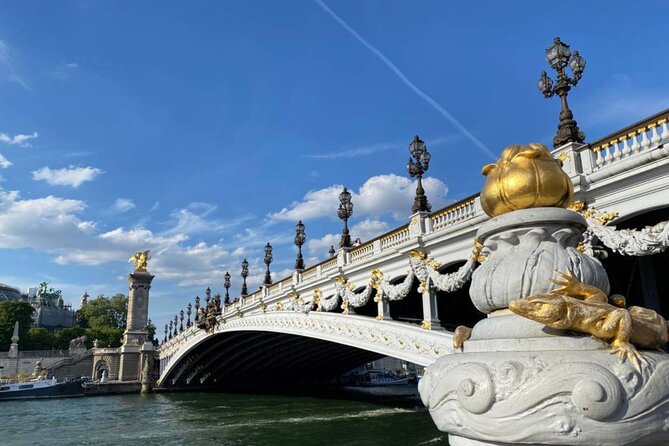
Next comes Pont Alexandre III, and this is where the Seine starts to really feel like the main character. Bridges here aren’t just crossings—they’re viewpoints. You’ll likely be looking at the river, the architecture, and the lines of sight that make Paris look like a postcard.
Practical tip: keep an eye on how your group handles heights and busy footpaths. Pont Alexandre III can be visually busy, and kids may want to stop often to check the view. That’s fine—just remember the clock.






Les Invalides and le Grand Palais: history without the lecture
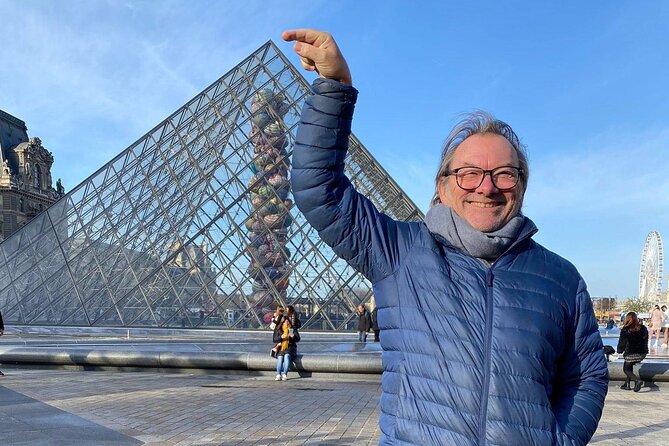
After you’ve spent time on the river and bridge views, the route brings you toward Les Invalides. This area works well for a treasure hunt because it’s the kind of location people associate with big stories, but you don’t want to sit through a long talk to understand the basics.
The game booklet’s cultural notes are doing what good tour narration does—explaining context in smaller, digestible chunks. Instead of one long explanation, you get bits that connect to the clue you’re solving right then.
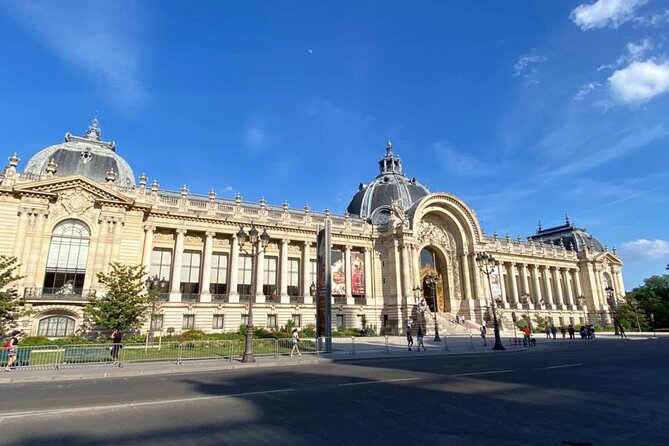
Then you head toward le Grand Palais. Even if you don’t step inside, the building’s scale makes it a good clue location. It’s one of those spots where you can compare the real size and details with what you think you remember from photos.
Drawback to keep in mind: the Seine area gets busy. Because this is self-guided and puzzle-based, you may not glide through as fast as you would on an empty, destination-only walk. Your best defense is simple: keep moving between clue checks.
The Eiffel Tower finish: get the last answers in before time runs out
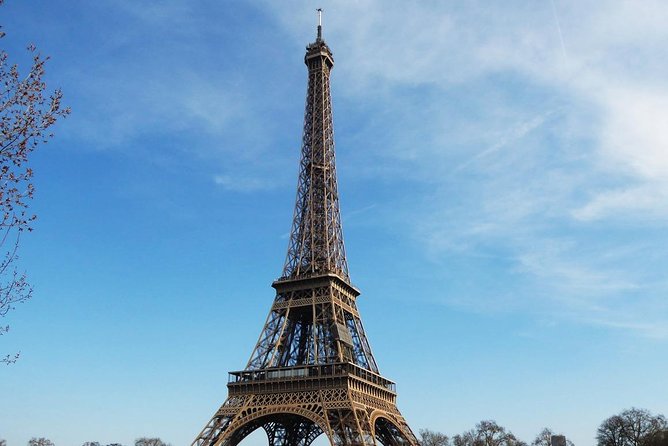
The treasure hunt is aimed so that your endgame brings you toward the Eiffel Tower. That final stretch matters because it’s the moment your brain goes from solving riddles to going wow, I’m really here.
Just don’t wait until the very end to start searching for answers. The automatic stop after 3 hours means you want to finish your clue rounds early enough that you still have time to catch the view without racing.
If you’re a couple, this is a nice change from the typical Eiffel Tower approach. You’re not just standing in line or wandering randomly—you’re arriving with a story your group already built together.
If you’re with kids, this ending is what keeps them from feeling like the whole trip was just homework. They get a payoff that looks like a proper Paris memory.
What you actually get: booklet, riddles, map, and cultural notes
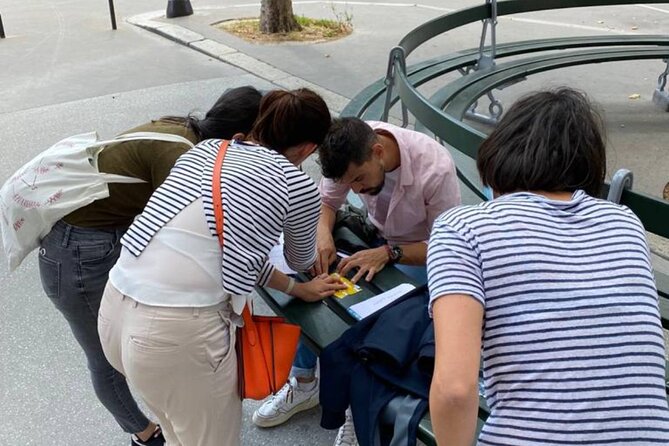
This experience isn’t powered by an app. You’ll get a printed game booklet that includes riddles, a map, and cultural notes, plus answer sheets.
That matters more than it sounds. A no-download format means less phone battery drama and fewer tech hiccups mid-walk. It also keeps kids focused because the game is tangible—you can point, read, mark answers, and collaborate.
You also get help if needed. The operator says assistance is available throughout the game and they’re physically there if you need a hint. That’s a big deal for families and first-timers, because most “self-guided” games fall apart when people get stuck and can’t get guidance.
Families, couples, and small groups: who this fits best
This is a solid pick for families with kids who get bored with constant museum etiquette. The minimum age guidance is 8, and the reason is simple: the riddles need enough reading and attention to keep kids engaged.
That said, younger kids are welcome with you, and children under 5 join for free. In real life, that usually means you’ll do more of the reading and your child will contribute by spotting details in the environment.
For couples, I’d call it a great “middle option.” You get active walking and a shared challenge without the pressure of sitting through a long guided talk. And since it’s along the Seine, the scenery does a lot of the romance work for you.
For small groups or friend trips, it’s a low-stress way to see a classic Paris corridor. A maximum of 20 travelers also helps keep it from turning into a stampede at each landmark.
Price and value: $42.05 for structure and not just narration
At $42.05 per person, you’re paying for organization and entertainment, not a traditional guided script. The value comes from three things:
- You get a ready-to-go booklet with riddles, map, and cultural notes
- You have time on the ground (about 2.5 hours) with a clear route so you don’t waste energy deciding what to see next
- You get in-person hint support, which is rare in purely self-guided games
This is the kind of price that makes sense if you want to spend your time thinking and moving, not just listening. If you only want someone to talk at you and show up with all answers ready, you may feel like you’re paying for something you could do for free by walking the river and reading plaques.
But if you enjoy puzzle-solving and shared challenges, this is a very fair way to turn Paris into an activity.
Practical tips for a smooth walk
Here’s how to make this go smoothly without ruining the fun.
- Wear shoes you trust. You’ll cover about 4.5 km, and you’ll be stopping often for clues.
- Bring snacks or plan a café stop. The game is designed for breaks, but remember every break reduces clue time.
- Use teamwork. Let one person read, one person scan the area, and one person check the map.
- Plan for weather. The experience requires good weather, and if it’s canceled for poor weather, you’ll be offered a different date or a full refund.
- Don’t ignore the time limit. It’s automatic after 3 hours, wherever you are on the route.
Also, it’s near public transportation, and service animals are allowed. The walking is described as needing moderate physical fitness, so pick this if you’re comfortable with steady walking on city paths.
Should you book this Seine treasure hunt?
I’d book it if you want a classic Paris corridor with a built-in reason to look closely. It’s especially strong for families, because the format keeps kids engaged and gives adults a break from constant “standing and waiting.”
Skip it if you hate puzzle formats or you’re traveling with someone who gets frustrated when clues don’t make instant sense. This experience rewards patience, teamwork, and a willingness to read.
If your group loves sightseeing but wants it to feel fresh instead of scripted, this Louvre-to-Eiffel Seine treasure hunt is a smart use of time.
FAQ
How long is the Paris Treasure Hunt?
It lasts about 2.5 hours on average and automatically ends after 3 hours, wherever you are on the route.
What’s the route and where do I start?
You start at 19 Pl. du Carrousel, 75001 Paris. The activity is designed to take you from the Louvre area toward the Eiffel Tower.
Do I need to download an app?
No. There are no downloads or mobile apps required. You’ll use a game booklet with riddles, a map, and cultural notes.
What language is it offered in?
The experience is available in English and French.
Is it good for families with children?
It’s recommended for a minimum age of 8 so kids can stay engaged. Children under 5 join for free, and younger children are welcome with you.
How much walking is involved?
It covers about 4.5 km and requires moderate physical fitness.
What if weather is bad or I need to cancel?
The activity requires good weather. If it’s canceled due to poor weather, you’ll be offered a different date or a full refund. You can cancel for a full refund up to 24 hours before the start time.