REVIEW · PARIS
Paris: Rodin Museum Entry Ticket
Book on GetYourGuide →Operated by Paris Odyssey SAS · Bookable on GetYourGuide
Rodin’s faces feel alive in person. With this Musée Rodin entry ticket, you’ll walk into the elegant Hôtel Biron and see The Thinker and The Gates of Hell, plus thousands of sculptures spread through rooms and the garden. I love the freedom to move at my own pace, and I love how the outdoor garden gives you a breather. The main thing to consider: some indoor spaces can feel warm, and parts of the garden may be closed on certain days.
This is a smart ticket if you want value without joining a group tour. You get skip-the-line entry through a separate entrance, and your ticket stays valid for 510 minutes from first use—so you can do a focused visit or linger longer if you’re a slow, thoughtful museum walker. It’s open 10:00am to 6:30pm, and you’ll want to plan around the last admission cutoff 45 minutes before closing.
Bring your basics: comfortable shoes and water. Photography is allowed, but only without flash. Also, leave bulky bags at home—large bags and backpacks aren’t allowed inside, and food and drinks aren’t permitted in the museum.
In This Review
- Key highlights worth prioritizing
- Musée Rodin inside Hôtel Biron: a calmer Paris stop than the mega-museums
- How to use your ticket well: 510 minutes of freedom (without getting stuck)
- Inside the museum rooms: where Rodin’s methods show up in real time
- The Thinker and The Gates of Hell: how to look so they actually land
- Camille Claudel: seeing the connection, not just the names
- The sculpture garden: outdoor art that helps you breathe
- What to bring (and what to leave behind) so your visit stays easy
- Price and value: is $23 a good deal?
- Comfort and accessibility: the one thing to verify before you go
- Who this ticket suits best (and who might want a plan B)
- Should you book the Musée Rodin entry ticket?
- FAQ
- Where is the meeting point for this ticket?
- What does the ticket include?
- Is a guided tour included?
- Is an audio guide included?
- How long is the ticket valid after I activate it?
- What are the opening hours?
- When is the last admission?
- Is flash photography allowed?
- Can I bring food and drinks?
- Is it wheelchair accessible?
Key highlights worth prioritizing
- Skip-the-line entry through a separate entrance so you waste less time in queues
- The Thinker and The Gates of Hell as your must-see anchors for first-timers
- Thousands of sculptures across rooms and outdoor space, so you can build your own route
- Camille Claudel works on display, adding a crucial human layer to Rodin’s story
- A garden visit that actually works as a reset button, not just a stroll
Musée Rodin inside Hôtel Biron: a calmer Paris stop than the mega-museums
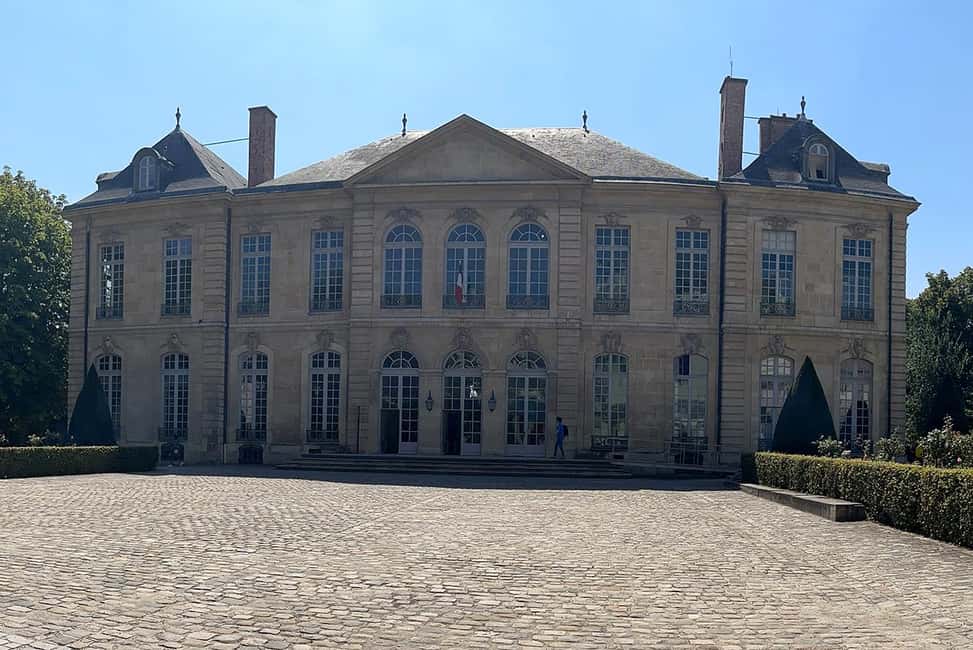
The Musée Rodin sits in the Hôtel Biron, a grand, old-world Paris setting that makes the art feel less like a warehouse and more like a lived-in workshop. That matters because Rodin’s work is emotional and physical—parts of it feel like they’re caught mid-breath. When you see the sculptures in proper rooms and then step outside into the garden, your brain gets a natural rhythm: look closely indoors, then cool down outdoors.
This ticket is built for self-guided visiting. No guide required, no group schedule to keep. You can start strong, then slow down when a piece grabs your attention. And because it includes both the permanent collections and garden access, you aren’t paying just to tick off a famous statue—you’re getting the whole experience that makes Rodin special.
There’s also an important practical perk: you enter via a separate entrance meant for ticket-holders, so you spend less time waiting. In a city where “line” is basically a tourist attraction, that’s not a small thing.
You can also read our reviews of more tours and experiences in Paris



How to use your ticket well: 510 minutes of freedom (without getting stuck)
Your ticket is valid for 510 minutes from first activation. That’s a lot of time on paper, but you don’t have to fill every minute. If you like seeing details—models, variations, and the many ways Rodin reworked ideas—you may end up doing something like the 3–4 hour range. If you’re a faster scan-and-move type, you can still get a solid experience in less time, especially once you know where to focus.
Here’s a simple way to pace it:
- Start with the rooms that have the best “Rodin basics” first (you want The Thinker and The Gates of Hell early, before you’re tired).
- Then shift to the rest of the indoor galleries at a slower speed.
- Finish outside in the garden, where you can take your time without feeling rushed through timed ticket pressure.
Timing matters on two fronts. First, the museum closes at 6:30pm. Second, last admission is 45 minutes before closing, so don’t plan to stroll in right at the end. If you want the relaxed garden version of your visit, give yourself room to linger—don’t treat the last hour like a sprint.
Also remember the museum is closed on Mondays. If you’re building your Paris itinerary around a Monday visit, Rodin will need a rethink.
Inside the museum rooms: where Rodin’s methods show up in real time
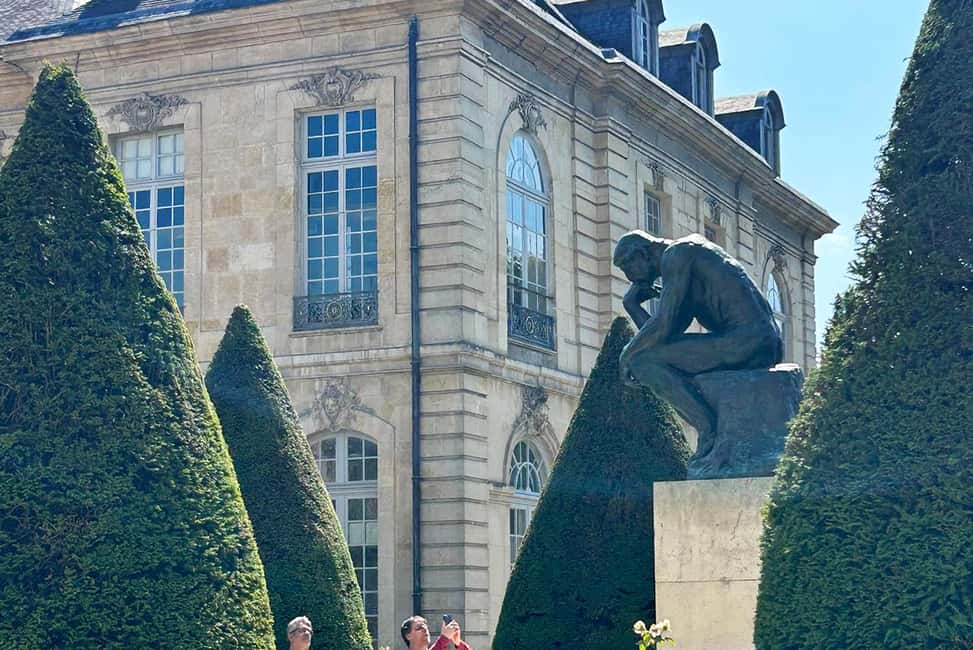
Rodin is famous for finished masterpieces, but the magic of this museum is how much you can see the work-in-progress side of his thinking. The museum holds over 6,000 sculptures, and that scale is part of the point. You’re not just looking at one statue. You’re seeing how an idea gets tested, shaped, and reshaped again and again.
As you move through the rooms, pay attention to what changes and what stays the same. Rodin liked tension—between smooth and rough surfaces, between stillness and implied movement, between bodies that look solid and yet feel like they’re about to shift. In person, it’s easier to understand why his sculptures feel crowded with emotion even when they’re quiet.
You’ll also find works beyond Rodin himself. The museum presents a broader story that includes Camille Claudel, who was Rodin’s muse and protégé. That helps you see the human relationships and artistic influence that fed the work, not just the final product.
One more practical note: indoor comfort can be an issue in warmer months. At least one visitor specifically noted that certain spaces in the house feel warm and fans may not be enough. If you’re visiting during a hot stretch, dress light and plan on occasional hydration breaks (water is allowed for you to bring in, but food and drinks are not permitted inside).
The Thinker and The Gates of Hell: how to look so they actually land
If you’re coming to Musée Rodin for a few headline pieces, make a little plan for how you’ll view them. You’ll enjoy them more if you slow down for the “why,” not just the “what.”
The Thinker is usually presented as an icon, but in the museum setting it reads differently. Look at how Rodin builds weight—how the pose suggests effort, not just contemplation. Notice the way the figure doesn’t feel carved into perfect calm. It feels like someone caught in a moment of strain.
Then there’s The Gates of Hell, which can look overwhelming at first glance because it’s busy and layered. The trick is to treat it like a story panel. Instead of trying to take everything in at once, pick one or two figures or areas and focus. Watch for repeating gestures. Notice how bodies overlap and how the relief creates depth. When you do that, the work stops being a single image and becomes a whole world of variations.
If you can, don’t rush between these two. Your eyes need a minute to reset after the intensity of one piece before you can appreciate the other.
Camille Claudel: seeing the connection, not just the names
Rodin’s story can sound like a solo act if you only focus on his fame. But the museum places Camille Claudel in the foreground in a way that changes how you interpret what you’re seeing. Claudel isn’t treated like a footnote; she’s shown through works connected to her own talent and relationship to Rodin.
This matters because it shifts the emotion behind the sculptures. Instead of only thinking in terms of genius and legacy, you start thinking in terms of mentorship, influence, collaboration, and rivalry. Even if you’re not deep into sculpture history, this is the part that makes a visit feel more human.
If you want your visit to mean something beyond photos, give Claudel a real chunk of time. Don’t just skim past the labels—pause, compare style choices, and ask yourself what emotion you’re seeing and how it’s shaped.
You can also read our reviews of more museum experiences in Paris



The sculpture garden: outdoor art that helps you breathe
The Rodin garden is one of the best reasons to choose Musée Rodin over bigger, more crowded museum targets. It’s picturesque and feels more like wandering through an outdoor sculpture exhibit than following a rigid museum line.
A smart move is to use the garden as your “processing time.” When you exit the indoor rooms, your eyes and brain need a break. Outside, you can see how Rodin’s forms behave in natural light. Shadows and angles change quickly, and suddenly details that looked subtle indoors become obvious.
Also, because the museum is partly outdoors, some people find it feels less crowded than major Paris museums like the Louvre or the Orsay. Your experience may vary day to day, but it’s a strong option if you want a calmer pace.
Two practical caveats. First, a part of the garden may be closed off at times, so don’t build your plan around one specific path. Second, since you’ll likely be outside for stretches, bring sunscreen and plan for comfort.
What to bring (and what to leave behind) so your visit stays easy
This entry ticket works best if you pack like a museum walker, not a day-tripper with a bag full of stuff.
Bring:
- Comfortable shoes (you’ll be on your feet)
- Camera
- Sunscreen
- Water
Know the rules:
- Photography is allowed without flash
- No flash photography
- No smoking
- No large bags or backpacks inside
- Food and drinks are not permitted inside the museum
If you’re the type who relies on a stored e-ticket, add a little buffer. One visitor reported trouble downloading tickets and saw only one ticket download. That’s rare, but it’s a good reminder: check your confirmation and ticket access before you leave home so your arrival doesn’t turn into tech support.
Price and value: is $23 a good deal?
At $23 per person, this ticket sits in the “worth it if you’ll actually go” zone. You’re paying for:
- Admission to the Musée Rodin
- Access to permanent collections
- Access to the garden
- Skip-the-line entry via a separate entrance
That combination matters more than the headline price. If you’re in Paris for a short window, saving time helps you spend energy on the art instead of queue management.
That said, there’s one value wrinkle. At least one visitor felt the museum counter ticket price could be cheaper and said the online option cost more. If you’re staying flexible and arriving with extra time, it’s reasonable to compare, especially if you’re traveling on a tight budget. But if your priority is a smooth arrival and less waiting, this ticket has real payoff.
Also keep in mind: an audio guide is not included with the ticket. Some people love using an optional audio tour and found it high quality and easy to use. Another person wasn’t sure it was worth the added cost. If you’re already familiar with Rodin, you might skip audio. If you want help making sense of technique and themes, audio can be a good add-on.
Comfort and accessibility: the one thing to verify before you go
The details here are a little contradictory. The ticket info says it’s wheelchair accessible, but it also lists it as not suitable for wheelchair users and people with mobility impairments.
What I recommend: if mobility matters for you, confirm directly with the museum or operator before booking. Don’t assume it will match exactly what you’d expect from a fully accessible modern building. Old-world sites can be tricky, and your ability to navigate rooms, doors, and surfaces will decide whether this visit feels smooth or stressful.
Who this ticket suits best (and who might want a plan B)
This entry ticket is ideal if:
- You want self-guided freedom and a museum pace that fits your attention span
- You’re a fan of Rodin basics, especially The Thinker and The Gates of Hell
- You like a visit that blends indoor galleries with an enjoyable outdoor break
It’s less ideal if:
- You have mobility challenges and want a fully predictable route (verify accessibility first)
- You hate warm indoor environments and aren’t prepared with light clothing and breaks
- You’re bringing a large backpack or other big gear (rules are strict)
If you’re visiting on a day with heat or long walking time, your best friend is your shoe choice. This is a “walk, stop, look, walk again” kind of museum.
Should you book the Musée Rodin entry ticket?
Yes, I think it’s a strong booking for most first-time Rodin visitors—especially if you want skip-the-line access and you care about having time to actually look. The ticket doesn’t trap you in a tour group, and the garden turns the visit from a quick stop into a real half-day experience.
Book it if you’re coming for art you can feel in your body—emotion, posture, movement—and you want a museum that gives you breathing room. Consider rethinking or at least checking details first if accessibility is a major concern or if you’re very sensitive to indoor heat.
If you want a focused plan: arrive with comfortable shoes, aim for The Thinker and The Gates of Hell earlier in your visit, and save the garden for your calm-down chapter.
FAQ
Where is the meeting point for this ticket?
Go straight to the museum with your ticket.
What does the ticket include?
It includes entrance to the Musée Rodin, access to the permanent collections, and access to the garden.
Is a guided tour included?
No. Guided tours are not included.
Is an audio guide included?
No. An audio guide is not included, though an optional audio tour may be available on site.
How long is the ticket valid after I activate it?
Your ticket is valid for 510 minutes from first activation.
What are the opening hours?
The museum is open from 10:00am to 6:30pm. It is closed on Mondays.
When is the last admission?
Last admission is 45 minutes before closing.
Is flash photography allowed?
No. Flash photography is not allowed. Photography is allowed without flash.
Can I bring food and drinks?
No. Food and drinks are not permitted inside the museum.
Is it wheelchair accessible?
The information provided says it is wheelchair accessible, but it also says it isn’t suitable for wheelchair users and people with mobility impairments. You should confirm accessibility for your specific needs before going.