REVIEW · PARIS
Paris : French wine tasting in Montmartre
Book on GetYourGuide →Operated by LES PIQUEURS · Bookable on GetYourGuide
Montmartre + French wine is a great combo, especially when it’s done right at the foot of Sacré Coeur. I love how the hour packs in a clear, friendly rundown of major French terroirs through a 5-wine tasting (2 whites, 2 reds, and a sparkling finale), and I also love the way the guide keeps it practical instead of turning it into a classroom. The one real drawback is the time: it’s only 1 hour, so if you’re hoping for a long, slow linger, you’ll feel the pace.
The setting at cave Les Piqueurs makes the experience feel personal and relaxed. You get a live guide in French or English, and several people note how approachable the host is—people end up chatting long after the official session ends. Still, this is an adult-focused tasting, so it’s not a fit for kids, and it’s not suitable for pregnant women.
In This Review
- Key things I’d circle on your planning sheet
- Why Montmartre is a smart place for a French wine tasting
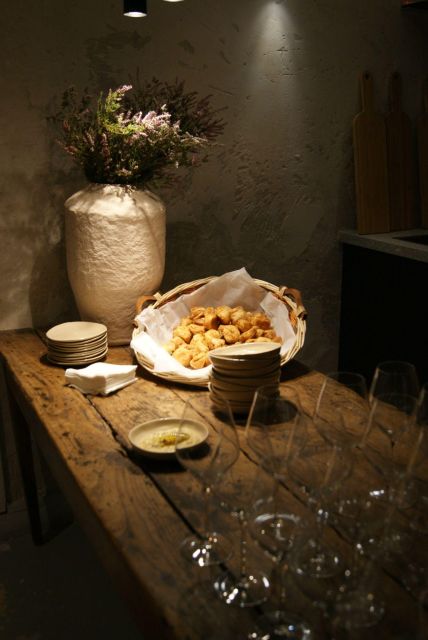
- Les Piqueurs cave: cozy, guide-forward, and built for a smooth hour
- The 5-wine lineup and how to taste each one
- Two white wines: start light, notice structure
- Two red wines: learn what changes between styles
- Sparkling wine finish: the palate reset you’ll actually notice
- How the guide turns terroir into something you can remember
- What the pace feels like (and how to get the most from 1 hour)
- Nibbles, bottle-buying, and why this matters after the tasting
- Price and value: is $81 per person worth it?
- Who this Montmartre wine tasting suits best
- Quick reality check: what to consider before you go
- Should you book this Paris Montmartre wine tasting?
- FAQ
- How long is the wine tasting experience?
- How many wines are included, and what types are they?
- What regions does the guide talk about during the tasting?
- Where do I meet the guide?
- Is the tour private?
- What languages are offered?
- Is it suitable for children?
- Is there a cancellation refund if my plans change?
Key things I’d circle on your planning sheet
- Sacré Coeur area setting: tasting where the view and romance of Montmartre are right there
- 5 wines in 1 hour: 2 whites, 2 reds, and 1 sparkling finish
- France’s major wine regions: tips and context around Burgundy, Bordeaux, Rhône valley, and Loire valley
- Guide-led commentary: French and English explanations that help you taste with your brain, not just your tongue
- Small cave vibe at Les Piqueurs: cozy, easy to talk to the guide
- Takes you toward real buying decisions: you’ll understand what you liked and why, which makes bottle shopping less random
Why Montmartre is a smart place for a French wine tasting
Montmartre already has that “Paris postcard” feeling, but a wine tasting is where the neighborhood makes sense beyond photos. Being near Sacré Coeur gives the tasting a built-in sense of place. Even if you’re not rushing to sightsee first, the location helps you slow down and treat the hour like an event, not a stop.
And here’s the key: the tasting isn’t just about drinking. It’s structured to help you notice differences in style that come from place—so your brain starts connecting what you’re sipping to what region it represents. That’s the kind of takeaway that actually sticks, even after you’ve walked back down the hill.
You can also read our reviews of more food & drink experiences in Paris


Les Piqueurs cave: cozy, guide-forward, and built for a smooth hour
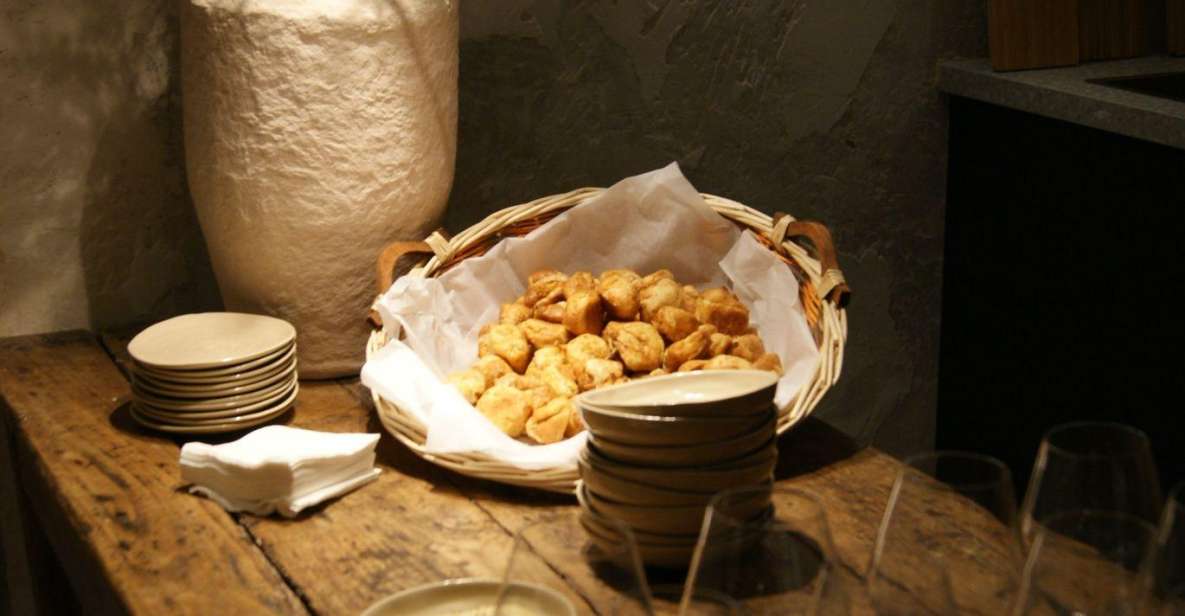
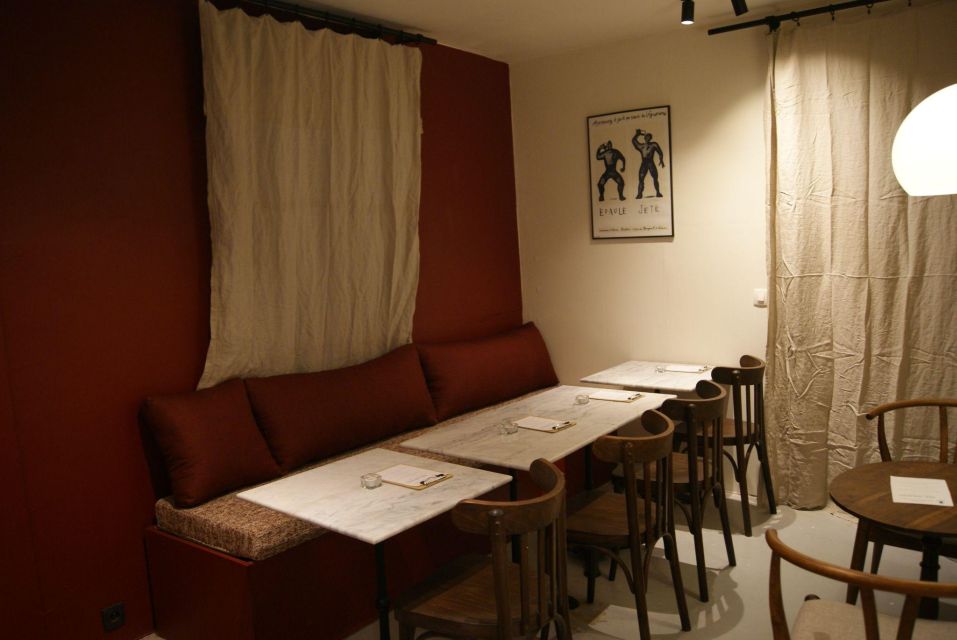
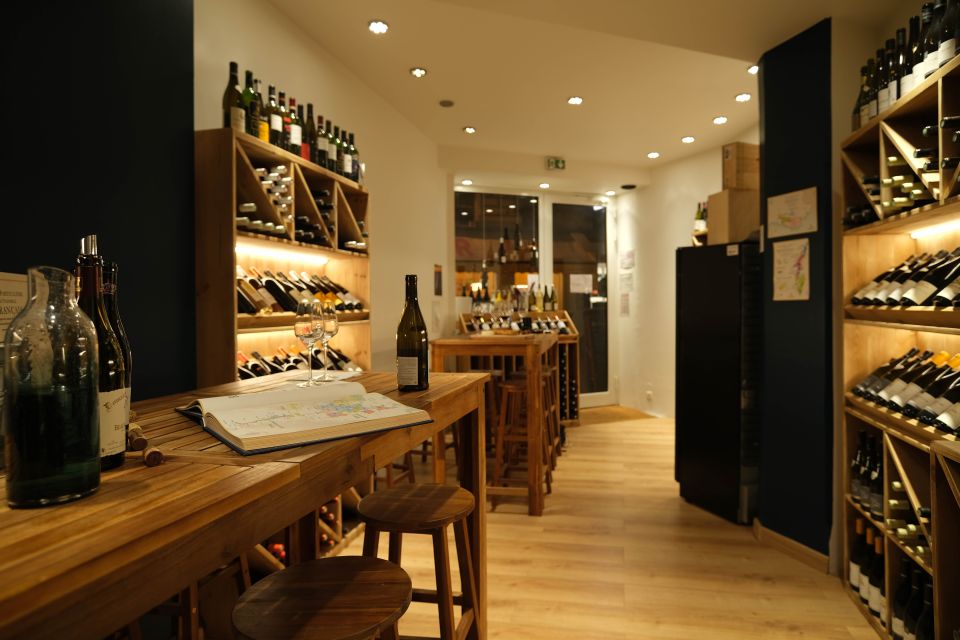
Your meeting point is Les Piqueurs at 6 Rue Tardieu, and you’ll start directly at the cave. This matters because you don’t waste time hunting for a venue once you’re already in Montmartre. Also, a small cave setting tends to keep the group calm and conversational, which helps when you want to ask questions while you’re drinking.
This is a private group experience with a 1-hour duration. That short format is a double-edged sword: it’s efficient, but it also means the guide has to steer the tasting with intention. The good news is that the structure is clear—2 whites, 2 reds, then a sparkling wine—so you’re never wondering what comes next.
One detail I appreciate: reviews highlight hosts like Jean-Luc and Roman as approachable and friendly. That’s a big deal for a tasting, because if you feel comfortable asking questions, the whole experience turns from drinking into learning-by-doing.
The 5-wine lineup and how to taste each one
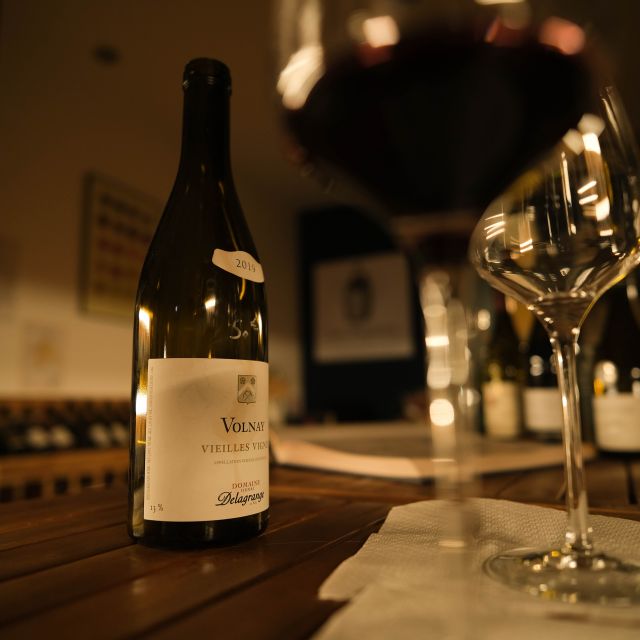
You’ll taste 2 white wines, 2 red wines, and 1 sparkling wine. The goal isn’t to memorize a syllabus. It’s to train your palate to recognize patterns: acidity, texture, fruit vs. earthier notes, and how the finish behaves.
Two white wines: start light, notice structure
White wine is where most people accidentally rush. This tasting pushes you to slow down early. Between the first two whites, listen for how they feel on your tongue and how long the flavors hang around after each sip.
You’re also getting early context for the regions the guide connects later—think Burgundy and the Loire valley style cues that often show up when a tasting is organized this way. Even if you don’t know the region names yet, the guide’s commentary helps you “match” what you’re tasting to a place in your mind.
Two red wines: learn what changes between styles
Red wine is where many tastings go generic. This one stays focused: you’ll taste two reds and hear how French red styles can shift depending on region and approach. You’ll get the right questions to ask yourself: Is it more about freshness and balance, or deeper weight? Does it feel lifted or heavier?
This is where the guide points toward Bordeaux-leaning ideas and Rhône valley-leaning ideas. The practical value here is that you start building a mental shortcut. Next time you see wines from those areas, you’ll have a reference point instead of a blank shelf.
You can also read our reviews of more wine tours in Paris





Sparkling wine finish: the palate reset you’ll actually notice
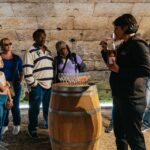
The tasting ends with a sparkling wine, described as either Champagne or a Crémant from Burgundy or the Loire valley. Sparkling is a smart closer because it scrubs your palate clean, so you don’t carry one heavy flavor mood through the whole hour.
This last pour also helps you learn something useful for real life: sparkling wine isn’t only for celebrations. The way it feels and finishes can change how you think about food pairing and timing—especially if you’re planning a dinner afterward.
How the guide turns terroir into something you can remember
The heart of this experience is the commentary. You don’t just hear where a wine is from—you learn the subtle differences that make those wines recognizable.
You’ll touch on major French wine regions, including Burgundy, Bordeaux, the Rhône valley, and Loire valley. The value here is not in memorizing labels. It’s in learning what to listen for when you taste:
- How the wine’s feel changes from region to region
- What the guide’s cues teach you to notice first
- Why certain styles seem to “fit” certain moods of flavor
And if you like talking to people, this is a great format. One review specifically notes that the guide was approachable and people chatted even after the hour was done. That tells you the guide isn’t just reading notes—they’re actually connecting with questions.
A small but important point: language is French and English, so you can follow the explanation without struggling through complicated terms. That’s what turns this into a confidence-builder, not a quiz.
What the pace feels like (and how to get the most from 1 hour)
One hour sounds short because it is short. But the structure does a lot of work for you. You’ll move through whites, reds, then sparkling, and each step is designed to keep you engaged.
Here’s how to get the best results with a short tasting like this:
- Take notes in plain language (think acidity, smooth, dry, fruit-forward)
- Don’t chase every detail the guide says—pick 1-2 things per wine
- Ask one follow-up question rather than trying to ask everything
If you’re the type who likes to be efficient, you’ll enjoy this. If you’re the type who likes slow sipping and long conversation for hours, you may feel slightly rushed. Still, the reviews suggest people often linger in conversation, so you might get a little extra time beyond the official plan if the group isn’t too large.
Nibbles, bottle-buying, and why this matters after the tasting
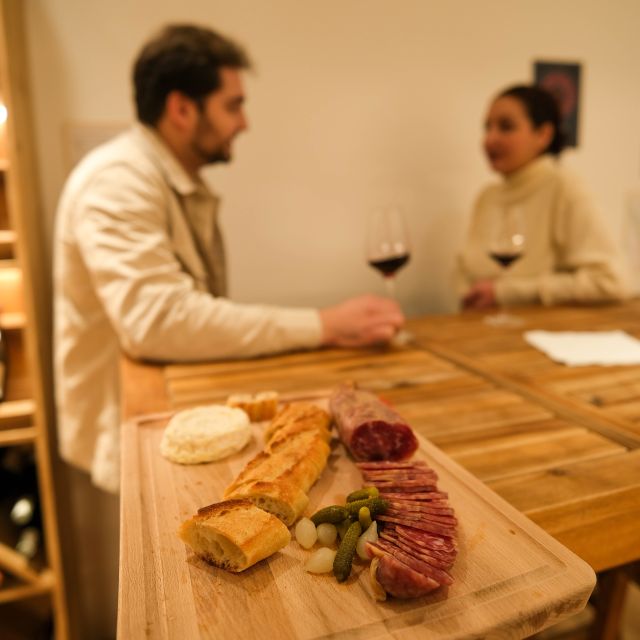
This isn’t just about training your palate in the moment. It’s also practical. Reviews mention nibbles with the tasting, and one person even bought bottles to take away because the wines were so good. That’s a subtle but real advantage of tasting in a small cave: you can turn your favorites into an actual purchase without guessing later.
I also like that you leave with a clearer sense of what you personally enjoyed. Many people taste a few wines and forget everything. Here, the commentary is aimed at helping you understand the difference between styles, so choosing a bottle for dinner or a gift becomes easier.
Price and value: is $81 per person worth it?
At $81 per person for a 1-hour tasting, this sits in the “you’re paying for guidance and a structured lineup” category. You’re not just paying for five glasses. You’re paying for:
- a guide-led, commented tasting rather than a self-guided pour
- context across multiple wine regions
- a format that helps you learn quickly without wasting time
- a charming setting in Montmartre at Les Piqueurs
For wine lovers, it’s usually good value because the hour is tight and intentional. For people who only want a light drink, you might feel it’s pricier than a simple bar stop. But if you want to come away understanding why you liked what you liked, it’s one of those experiences that feels worth it even when it ends quickly.
Who this Montmartre wine tasting suits best
This works best if you want:
- French wine tasting in Paris with real explanation, not just tasting notes
- a Montmartre experience that’s more than walking and photos
- an adult-focused outing with a guide you can talk to
It’s not suitable for children under 18 and not suitable for pregnant women, so plan around that.
If you’re traveling as a couple, this also fits nicely because you get a guided shared experience without dealing with long tours. If you’re a solo traveler, it’s a friendly way to meet your guide and ask questions without guessing what to order.
Quick reality check: what to consider before you go
A few things to keep in mind:
- The whole tasting is 1 hour, so eat beforehand if you tend to get hungry
- You’ll be in a cave space at Les Piqueurs, so dress for comfort
- You’ll want to be ready to taste and talk—this isn’t a silent “just drink” activity
If you’re sensitive to alcohol or want to drink very lightly, you should consider that the tasting includes multiple pours. You can still enjoy the learning side, but it won’t feel like a coffee break.
Should you book this Paris Montmartre wine tasting?
I’d book it if you want a smart, guided way to taste Burgundy, Bordeaux, Rhône valley, and Loire valley in one compact session—and you care about getting the explanation behind your glass. The Sacré Coeur setting and the small cave feel at Les Piqueurs make it feel like a genuine Montmartre moment, not a generic wine tour.
Skip it if you’re after a long evening wine crawl, or if you want something kid-friendly or pregnancy-friendly. Also skip it if you only care about volume and you’re not interested in learning how to choose wines you’ll actually enjoy later.
FAQ
How long is the wine tasting experience?
The experience lasts 1 hour.
How many wines are included, and what types are they?
You’ll taste 2 white wines, 2 red wines, and 1 sparkling wine.
What regions does the guide talk about during the tasting?
You’ll discover the subtleties and secrets of major French wine regions including Burgundy, Bordeaux, the Rhône valley, and the Loire valley.
Where do I meet the guide?
You meet directly at cave Les Piqueurs.
Is the tour private?
Yes, it’s described as a private group experience.
What languages are offered?
The guide provides live commentary in French and English.
Is it suitable for children?
No. It is not suitable for children under 18.
Is there a cancellation refund if my plans change?
Yes. You can cancel up to 24 hours in advance for a full refund.