REVIEW · PARIS
Paris: Color analysis
Book on GetYourGuide →Operated by Christelle Macia · Bookable on GetYourGuide
A single fabric change can rewrite your whole look. This 1-hour Paris session uses color draping to pinpoint what makes your face glow, then turns it into practical shopping and makeup choices. I especially like the leave-with-documents approach (colorbook + pocket chart), so the lesson doesn’t vanish the moment you walk outside. The one real downside to consider: the workshop is on the 5th floor without an elevator, so you’ll want comfy shoes and a willingness to take stairs.
In the Canal Saint-Martin area, you get a private, interactive experience with a Parisian stylist, Christelle Macia. You’ll test warm vs cool, bright vs soft, and dark vs bright—then get direct advice for your upper-body clothing colors, accessories, makeup tones, and even hair-color direction. If you’re expecting a quick label like the classic 4 seasons, you might feel a little differently here, since Christelle uses draping for more personalized results rather than sticking to boxed categories.
In This Review
- Key Points Worth Noting Before You Go
- Why This Paris Color Analysis Feels Different Than a Basic Label
- Canal Saint-Martin Meet-Up: The Setting and What It Means for Your Comfort
- Your “Before” Checklist: How to Get the Most From the Draping
- Step 1 in Plain English: Color Draping and Your Warm/Cool Results
- Step 1 Follow-Up: How You’ll Understand What Makes Your Face Glow
- Step 2: Turning Draping Into Real-World Wardrobe and Makeup Choices
- Hair-Color Advice: The Part That Impacts Everything
- The Two Deliverables: Your Colorbook and Pocket Chart
- Your color book
- Your pocket color chart
- Price and Value: Is $165 for 1 Hour Worth It?
- Who Should Book This Color Analysis Session in Paris
- Quick Practical Notes for a Smooth Visit
- Should You Book This Paris Color Analysis?
- FAQ
- How long is the Paris color analysis workshop?
- What is the price per person?
- Is it a private session or a group session?
- Where is the meeting point?
- Which metro stops are closest?
- Is the session offered in English?
- What should I bring?
- What do I get at the end of the workshop?
- Does the stylist use the 4 seasons method?
- Who is it not suitable for?
Key Points Worth Noting Before You Go
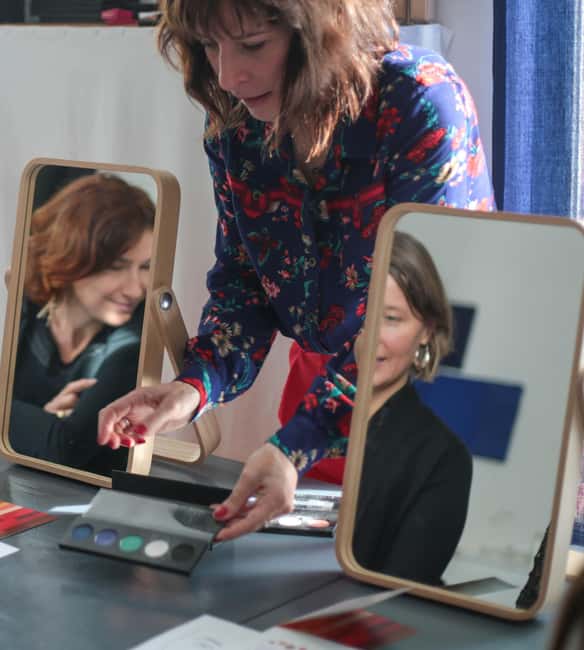
- Draping-based color analysis focuses on how fabrics react to your face, not just generic categories
- Personal wardrobe guidance for upper-body clothing, accessories, and makeup colors you can actually wear
- Hair-color recommendations so your whole look stays in harmony
- You leave with two tools: a detailed colorbook and a pocket chart for shopping
- A private, interactive vibe where you get concrete, confidence-building advice
- Real-time visual testing through fabric changes, with makeup used in the experience
Why This Paris Color Analysis Feels Different Than a Basic Label
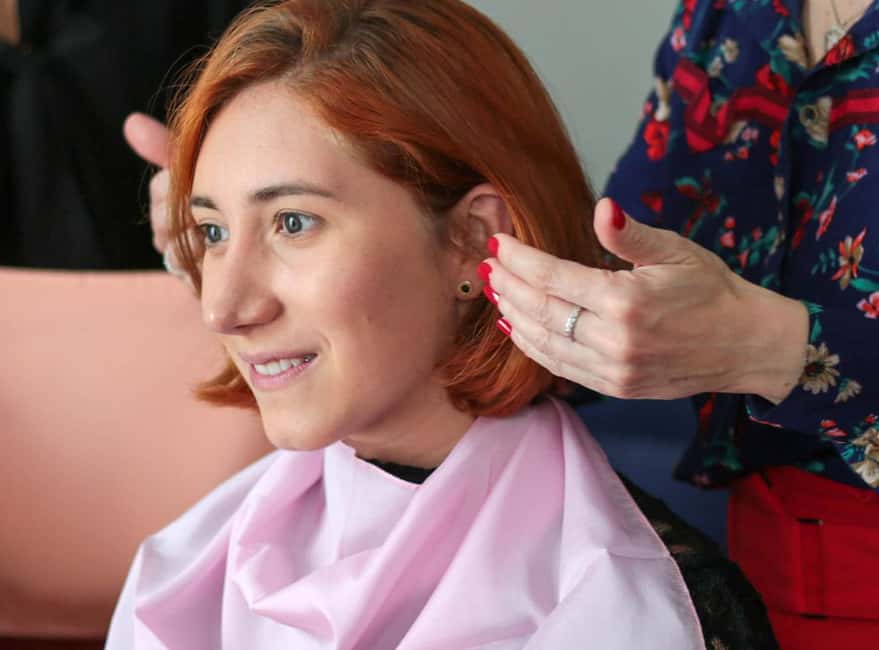
Most color analysis experiences stop at a result you store in your head. This one is built to create use—fast. The core method is draping: you see how different fabrics shift the brightness of your complexion and how your eyes respond. That matters because your goal isn’t a pretty color chart. Your goal is a repeatable way to choose colors that make you look healthier and more awake.
I also like the attitude behind it. Christelle Macia’s mission isn’t to slap a label on you and call it done. You get guidance to become autonomous—meaning you can walk into a store and pick colors with confidence, without waiting for someone else to translate the shades for you.
You can also read our reviews of more tours and experiences in Paris.


Canal Saint-Martin Meet-Up: The Setting and What It Means for Your Comfort
The workshop is in the Canal Saint-Martin district at 16 av Claude Vellefaux. It’s described as a quiet, bright location, close to fashion boutiques, restaurants, and festive bars—so after your session, you’re ideally placed to test your new color picks on the real world.
Two practical details matter more than they should:
- It’s on the 5th floor without an elevator.
- You should come makeup-free.
That means you’ll want to plan for stairs and bring an empty face for the first part of the session. Also, since the activity includes makeup-color advice, you’ll bring your makeup in a bag so you can use it during or after the discussion.
Finally, you’ll receive a message with the details on how to enter the building within 24 hours after booking. So don’t assume you’ll walk in the same way you would at a standard museum.
Your “Before” Checklist: How to Get the Most From the Draping
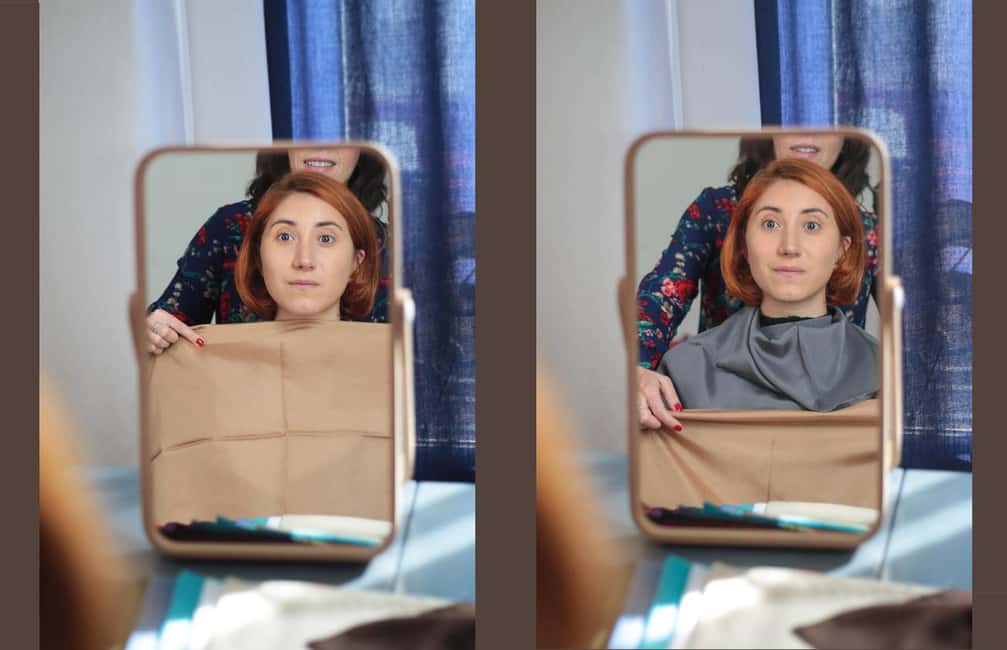
This is the part that can make or break the experience, because draping works best when your baseline is clean. Here’s what you should do before you arrive:
- Come makeup-free.
- Bring your makeup in your bag.
- Bring your glasses to check colors.
- If you want extra accuracy, bring photos of yourself with makeup and with different clothing colors on your upper body (t-shirt, shirt, jacket, hats, etc.).
Why this matters: glasses can change how colors read around your eyes, and makeup can tint the same shade differently depending on undertone. If you already know your routine, having your glasses and makeup on hand helps you connect what you learned to what you’ll actually wear.
Step 1 in Plain English: Color Draping and Your Warm/Cool Results
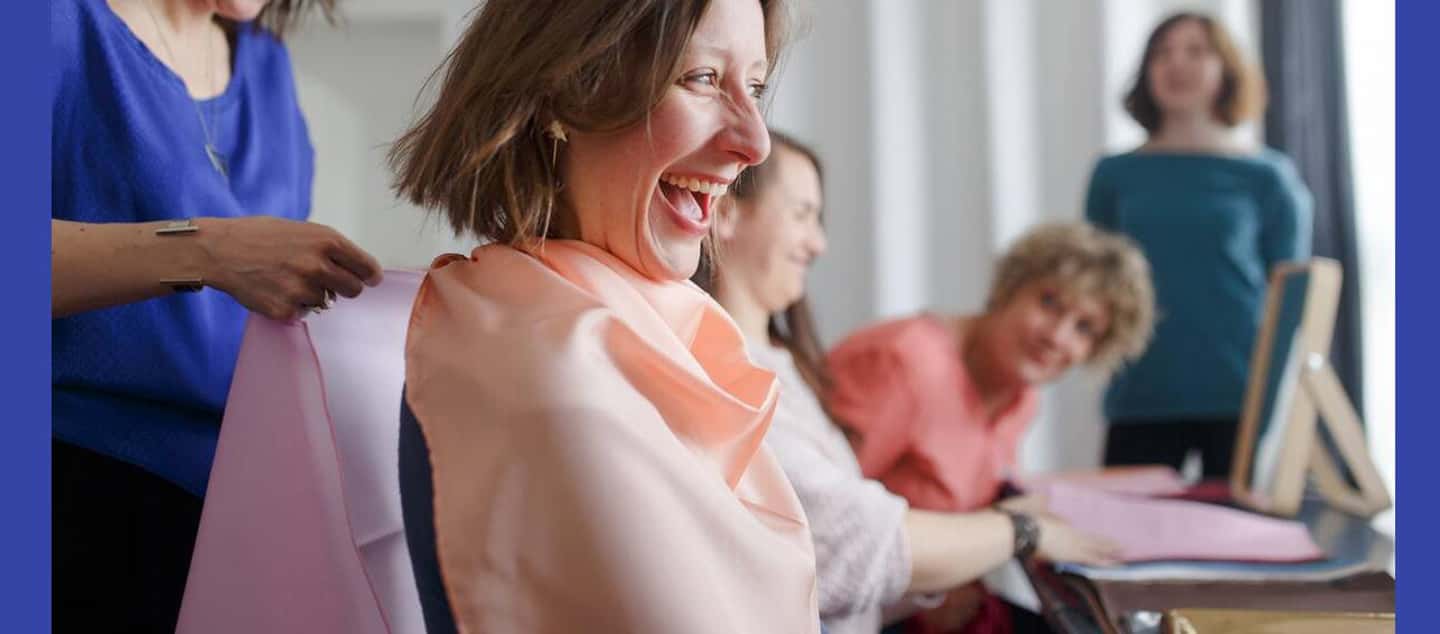
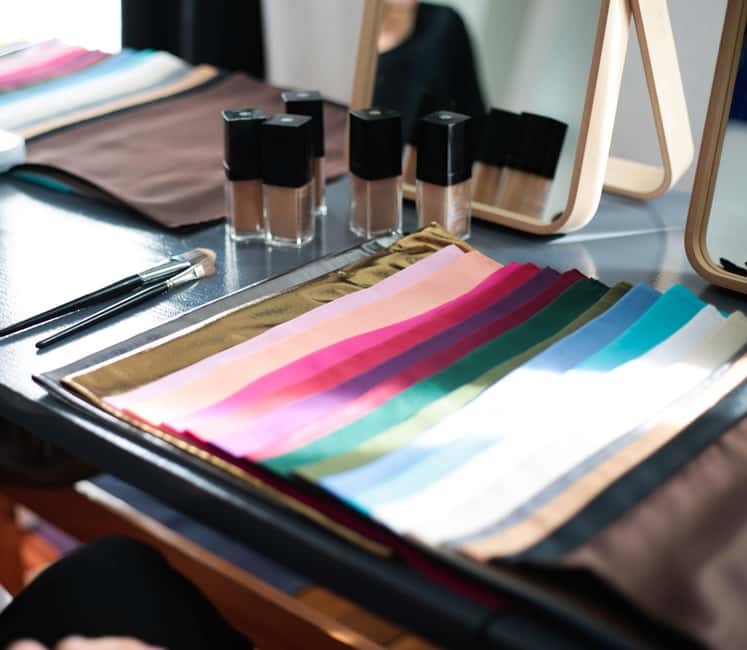
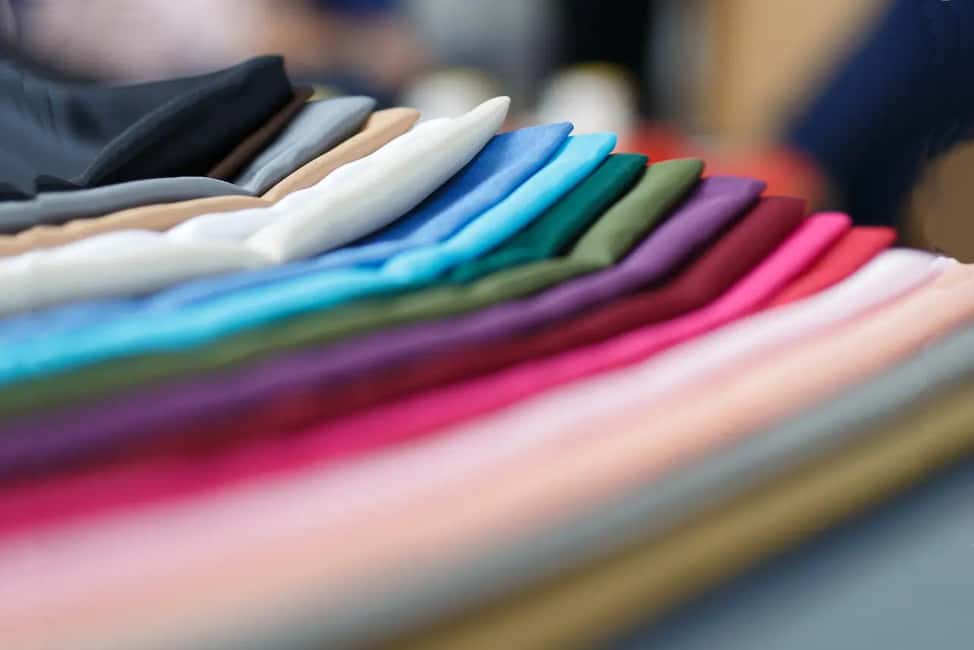
The first stage is all about color awareness. You’ll test whether you fall in the warm or cold range, and also whether you look best in bright vs soft, dark vs bright tones. The session uses a set of fabrics you drape around your face and upper area to see what creates that healthy lift in your look.
Here’s the practical take: warm vs cool isn’t just a theory. It shows up in your complexion and eyes. When you’re in the right temperature, skin looks clearer, eye colors can look more defined, and dark circles can look less obvious. When you’re off-range, even a good-looking color can make you look a bit tired.
The bright/soft and dark/bright checks help you go one level deeper. Think of it like contrast and intensity. Some people glow most in clearer, more luminous shades. Others look more natural in colors that are slightly muted or softer in depth.
What you’re doing in Step 1 is learning a visual language for your face. Once you know the patterns, shopping becomes less guesswork.
Step 1 Follow-Up: How You’ll Understand What Makes Your Face Glow
During draping, you’re essentially training your eye to recognize what your face likes. That’s why this session is so useful even if you never end up buying anything right away. You’re not just told what to wear. You learn why.
You’ll likely notice quick shifts:
- some fabric colors make your skin look more even
- some dull down your complexion
- certain tones sharpen your eye area
- others flatten the contrast around your face
The goal is to help you stop treating color selection like a random event. Instead, you start treating it like matching.


Step 2: Turning Draping Into Real-World Wardrobe and Makeup Choices
After you’ve identified what suits you, the second stage is the fun part: colors advices that translate into daily wear.
You’ll get guidance for:
- Upper-body clothing colors
- Accessories
- Makeup colors
- Hair color direction
This is where you’ll feel the value jump from theory to action. A color analysis is only half useful if it stays stuck in a “chart” format. Here, you’re pushed toward wearable decisions that fit the way you actually dress—especially because your session focuses on your face and upper body where color impact is strongest.
Makeup advice is especially practical. One of the strongest highlights from people who did the experience is how the makeup used in the session made their look pop in photos. Even if you’re not chasing a full glam look, makeup color is where small undertone mismatches show up fast—foundation, lip shades, and the colors around your eyes. Getting those tones right can make your routine look effortless instead of forced.
Hair-Color Advice: The Part That Impacts Everything
Hair isn’t just hair. It’s the framing. Your hair color affects the contrast around your eyes, the warmth or coolness you read, and whether your face looks bright or heavy.
This session includes advice for choosing the right color for your hair—so you can make decisions with your draping results in mind. That means you can think beyond “what shade looks good in a salon photo.” You start asking a better question: what hair tones will keep my overall balance?
Even if you’re not planning to dye soon, understanding your direction can guide:
- how you choose highlights vs all-over tones
- how you pick extensions
- how you evaluate wig colors
- how you select salon samples
The Two Deliverables: Your Colorbook and Pocket Chart
You leave with two documents that make this experience useful long after the hour ends.
Your color book
This summarizes your colorimetry results and the advice tied to them. It’s your deeper reference when you want to review your warm/cool range or revisit makeup and accessory suggestions.
Your pocket color chart
This is the practical tool for real shopping. The idea is simple: carry it so you can select clothing, accessories, and makeup tones on the spot.
I think this is the best value piece. Without something portable, color analysis becomes a memory exercise. With a pocket chart, you can match to the same shade logic you tested during draping—fast, in-store, and without second-guessing.
Price and Value: Is $165 for 1 Hour Worth It?
At $165 per person for 1 hour, the cost can feel steep if you expect a quick consultation. But the value is stronger than the time suggests, because you’re not just getting an opinion. You’re getting:
- personalized draping-based findings
- specific guidance for clothing, makeup, accessories, and hair-color direction
- two tangible tools you can use while shopping
Also, Christelle does not rely on the old-style 4 seasons categorization. That’s important for value because the “box method” can leave many people stuck with a label that doesn’t fully fit how they actually look in real colors. Draping is presented here as more personalized, which should matter if your features don’t neatly match a pre-made category.
The main consideration is the short duration. If you’re someone who likes long explanations, this might feel fast. But if you’re realistic and want practical guidance, it’s a tight format that helps you move from uncertainty to a clear decision system.
Who Should Book This Color Analysis Session in Paris
This works best if you:
- want a systematic way to choose flattering colors
- struggle to shop because you can’t tell what undertones suit you
- want makeup guidance that connects to your face, not generic advice
- care about hair color choices and how they affect your whole look
It’s also a great fit if you like interactive guidance. The session is described as interactive and private group, so you can ask questions and get concrete direction.
Not suitable for:
- children under 18
- people over 70
And remember: no elevator. If stairs are a concern for you, plan ahead.
Quick Practical Notes for a Smooth Visit
Here are the details that help you avoid last-minute stress:
- The workshop is on the 5th floor with no elevator
- Come makeup-free
- Bring your makeup and your glasses
- Optional but helpful: photos with different clothing colors on your upper body
- You’ll work with a stylist in French and English
For getting there, you can use:
- Metro: Goncourt (line 11) and Colonel Fabien (line 9)
- Bus: Hopital Saint Louis (line 46 and 75)
Should You Book This Paris Color Analysis?
If you want a fun Paris activity that turns into practical confidence you can use next time you shop, I’d strongly consider booking. The standout reason is the setup: draping-based testing plus real deliverables (colorbook and pocket chart). That’s what makes it more than a one-hour curiosity.
I’d skip it or reconsider if you hate stairs or you prefer purely theoretical guidance with no shopping tools afterward. Also, if you’re expecting the classic 4 seasons label experience, you may find the draping approach more nuanced than you want.
Overall, if you’re ready to stop guessing and start picking colors that work for your face, this is a great use of an hour in Paris.
FAQ
How long is the Paris color analysis workshop?
The workshop lasts 1 hour.
What is the price per person?
The price is listed as $165 per person.
Is it a private session or a group session?
It’s a private group experience.
Where is the meeting point?
The workshop is at 16 av Claude Vellefaux, on the 5th floor without an elevator.
Which metro stops are closest?
Metro options include Goncourt (line 11) and Colonel Fabien (line 9).
Is the session offered in English?
Yes, the instructor speaks French and English.
What should I bring?
Come makeup-free. Bring your makeup in a bag and bring your glasses to help check colors. Photos with makeup and different upper-body clothing colors are optional.
What do I get at the end of the workshop?
You receive a color book summarizing your results and advice, plus a pocket color chart to use while shopping.
Does the stylist use the 4 seasons method?
No. The session uses draping for more personalization rather than categorizing into the 4 seasons boxes.
Who is it not suitable for?
It’s not suitable for children under 18 or people over 70. Also note the workshop is on the 5th floor without an elevator.