REVIEW · PARIS
Paris Big Bus Hop-on Hop-off and Seine River Cruise
Book on Viator →Operated by Big Bus - France · Bookable on Viator
Paris hits you fast. This combo tour helps you slow down.
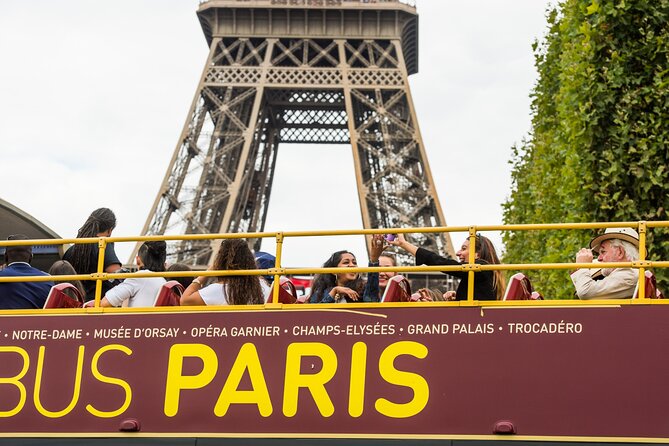
You’ll ride an open-top hop-on hop-off bus past the big names, then switch gears for a 1-hour Seine River cruise with Bateaux Parisiens. The idea is simple: get your bearings quickly, hop off when something grabs you, and keep moving without constantly re-planning transit.
I love how low-effort the sightseeing feels—audio commentary in 9 languages and free headphones make it easy to understand what you’re seeing while you’re still on the top deck. I also like the practicality of the setup: a mobile ticket and the Big Bus app for real-time tracking means you’re not stuck guessing when the next bus arrives.
One thing to consider: the bus experience is weather-dependent. The upper deck is open-roof, and if it’s raining or painfully hot, it can make the ride less fun. In that case, you’ll want to think ahead with a poncho or plan your stops for the calmer moments.
In This Review
- Key highlights worth your attention
- The real value: getting Paris in one smooth loop
- Hop-on hop-off basics: how to use the bus without wasting time
- The audio guide: helpful when it works, annoying when it doesn’t
- The exact stops, what to do at each, and what to watch for
- 1) Louvre / Big Bus Information Centre (11 avenue de l’Opéra)
- 2) Pont des Arts (Louvre / Ponts des Arts area, 2 rue de l’Amiral de Coligny)
- 3) Notre Dame (3, Rue Lagrange)
- 4) Musée d’Orsay (58 Place Henry de Montherlant)
- 5) Champs-Élysées (156, avenue des Champs-Elysées)
- 6) Grand Palais (Avenue Winston Churchill)
- 7) Place d’Iéna (6 place d’Iéna)
- 8) Eiffel Tower (Quai Branly, Entrée 2 Tour Eiffel)
- 9) Champ de Mars (Avenue Joseph Bouvard)
- 10) Opéra Garnier (Facing 15, rue Scribe)
- 11) Invalides (2 Avenue de Tourville)
- The Seine cruise: the part that often wins people over
- Weather and comfort: plan for open-deck realities
- When this tour is a great fit (and when it isn’t)
- Quick value check: is $62.61 “worth it” for your style?
- Should you book the Paris Big Bus hop-on hop-off and Seine cruise?
- FAQ
- FAQ
- How long is the bus tour?
- What does the ticket include?
- What languages are available for the audio?
- Is WiFi available on the bus?
- Is hotel pick-up or drop-off included?
- Where do I redeem my voucher?
- Can I use a mobile ticket?
- What are the posted operating hours?
- Is the tour offered in English?
- Are service animals allowed?
- Do I need the Big Bus app?
Key highlights worth your attention
- 24- or 48-hour flexibility to build your own Paris pace instead of rushing a fixed route
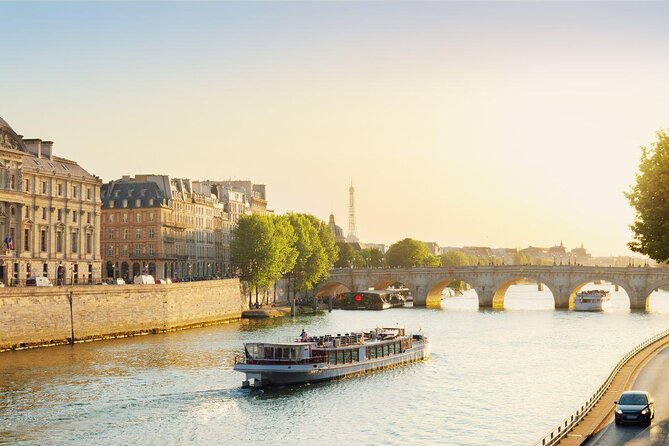
- 1-hour Seine cruise with Bateaux Parisiens for landmark views from a calmer angle
- Top-deck photo time at Eiffel Tower, Pont des Arts, and Champ de Mars areas
- Audio guide in 9 languages with free headphones built in
- Big Bus app live tracking to reduce stop-and-wait stress
- WiFi on board for quick map checks and sharing photos
The real value: getting Paris in one smooth loop
This tour works best for travelers who want an efficient overview without feeling locked into a tight schedule. The bus portion is built around classic first-timer targets—Louvre area, Notre Dame, Musée d’Orsay, Champs-Élysées, Grand Palais, Eiffel Tower/Champ de Mars, Opéra Garnier, and Invalides. You’re not just passing by; you can hop off at strategic points, walk a few minutes, and then re-board when you’re ready.
The price point is easiest to judge as a bundle: you’re paying for a hop-on bus window plus a separate Seine cruise you’d otherwise have to coordinate. If you’re planning only a day or two in Paris and you don’t want to juggle tickets, timed entry windows, and transit between distant neighborhoods, this package can save you decision fatigue.
Timing matters, though. The posted operating window in the data runs 9:30 AM to 6:00 PM (Tuesday–Sunday for Feb 17–22, 2026). In practice, that means you should aim to start earlier rather than later, especially if you want enough time to hop off and actually enjoy the places—not just see them from the sidewalk.
You can also read our reviews of more boat tours in Paris



Hop-on hop-off basics: how to use the bus without wasting time
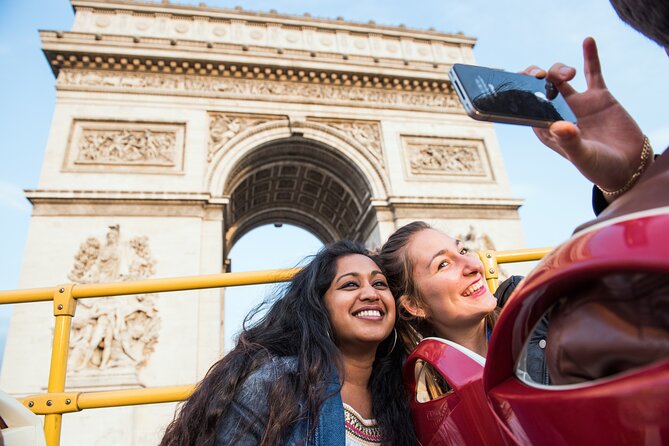
The bus is designed for repeat boarding. Your 24- or 48-hour ticket lets you get on and off at the 11 stops along the route. That flexibility is the point: you can treat the bus like a moving backbone, then use short walks to shape your own day.
A couple practical tips based on real-world friction points:
- Stops can be tricky to locate in Paris, and there are multiple sightseeing operators. Use the Big Bus app to confirm the exact stop location and which side you should be standing on.
- Traffic can slow things down. You might sit at road congestion for stretches, especially between major landmarks. If you’re trying to make a tight museum ticket, give yourself cushion.
- The advertised route can feel different on certain days. Always rely on real-time tracking rather than memory.
The deck setup is part of the experience. You’ll be up top when the weather is kind—great for wide-angle photos. When conditions aren’t great, the lower seating area can feel more manageable, even if you still want views.
The audio guide: helpful when it works, annoying when it doesn’t
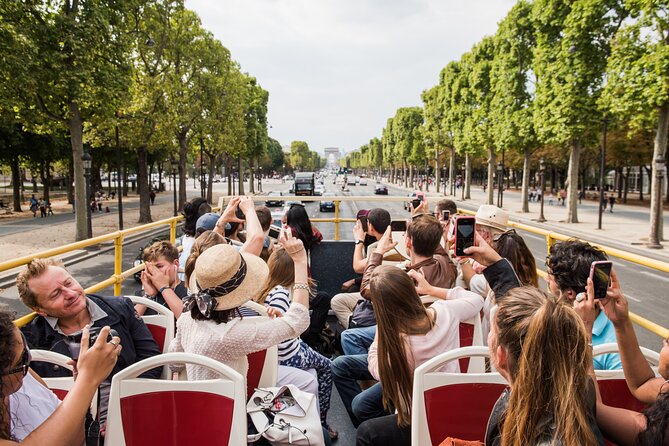
The bus includes audio commentary in English (and it lists audio available in 9 languages overall) plus free headphones. In the best moments, it’s the easiest way to connect street scenes to the bigger picture—what you’re looking at and why it matters.
When audio becomes a hassle, it’s usually not the content—it’s the sound quality. Some people have reported spotty reception or audio that was hard to follow on their device setup. If that happens to you:
- Move to a different seat or closer to the front of your area on the bus (reception can vary).
- Keep your headphones handy and make sure they’re plugged in and working properly.
I like that you can tune out and still understand what you’re seeing. If you prefer reading signage instead, you can do that too—you’re not forced to listen continuously.
The exact stops, what to do at each, and what to watch for

Below is how I’d think about the route from a “use it well” perspective—what each stop unlocks, and where you might run into tradeoffs.
1) Louvre / Big Bus Information Centre (11 avenue de l’Opéra)
This is a strong starting point if you want to begin with one of the most central clusters in Paris. It’s also a good “reset” stop: you can start here, then ride the loop to come back later when you’re ready to slow down for the museum streets.
What to watch for: the Louvre area is popular and busy, so your first ten minutes are best spent orienting yourself—where the river is, where the main roads run, and which direction you want to walk when you hop off.





2) Pont des Arts (Louvre / Ponts des Arts area, 2 rue de l’Amiral de Coligny)
Pont des Arts is one of those stops where the photo opportunity is the whole point. Even if you don’t plan a long walk, you’ll get a sense of the river corridor near the Louvre.
Tradeoff: this is a “quick look” type stop. If you want time on foot, plan for it before you hop off—don’t assume the bus will make your schedule for you.
3) Notre Dame (3, Rue Lagrange)
Notre Dame is a must stop for many people, even if you’re just aiming for the view and a short stroll around the surrounding streets. This stop is useful for making your sightseeing feel chronological: you’re moving through the historical heart of Paris.
What to watch for: the area is crowded. If your goal is photos and a calm walk, hop off when the bus is still close enough to keep you from weaving through dense sidewalks.
4) Musée d’Orsay (58 Place Henry de Montherlant)
This is a great museum-and-river zone stop. Even if you don’t buy museum tickets, the area gives you a sense of Paris’ cultural rhythm—artists, galleries, and the river views that pull people in.
Consideration: hop-on hop-off stops aren’t the same as “front door delivery” at every attraction. You may still need a short walk from the stop into the neighborhood.
5) Champs-Élysées (156, avenue des Champs-Elysées)
If you want to see Paris’ most famous boulevard up close, this stop makes it easy. It’s also useful as a “landmark corridor” to connect different parts of the route on foot.
Tradeoff: it’s a major shopping and traffic artery. You’ll likely spend less time browsing from the bus and more time deciding where you want to walk next.
6) Grand Palais (Avenue Winston Churchill)
The Grand Palais stop is about more than one building. It’s a gateway to the monumental side of Paris—wide spaces, big facades, and the feeling that you’re in the city’s showpiece zone.
What to watch for: this part of Paris can be busy, especially if you’re traveling on a weekday afternoon.
7) Place d’Iéna (6 place d’Iéna)
This is a smart stop for getting a more direct lead-in toward the Eiffel Tower area. It helps you build a day that feels like a progression rather than disconnected sights.
Consideration: you may want to map your walk from here to your next stop so you don’t waste time backtracking.
8) Eiffel Tower (Quai Branly, Entrée 2 Tour Eiffel)
Eiffel Tower views are the headline, and this stop puts you in the right general zone. It’s the stop many people plan around their best photos and the “I’m here” moment.
Practical tip: plan your deck time carefully. If you can, get some shots on the bus while you approach, then hop off for the closest angles and street views.
9) Champ de Mars (Avenue Joseph Bouvard)
This is your broad open-space counterpart to the Eiffel Tower stop. Champ de Mars can feel like a breather after denser streets—perfect for walking, taking photos with more sky in the frame, and soaking up the “Paris postcard” scene.
Tradeoff: it’s open and can be windy. Dress accordingly if you’re doing this near the cooler months.
10) Opéra Garnier (Facing 15, rue Scribe)
The Opéra Garnier stop adds variety to the route. It’s a different Paris mood—more grand and theatrical than the river or boulevard segments.
What to watch for: it’s a visual stop. If you want to get a lot done here, aim for a tight time window so you don’t get stuck in crowds.
11) Invalides (2 Avenue de Tourville)
Invalides brings the tour to a dignified end point with a strong “Paris history” feel. It’s a good place to continue your sightseeing by foot afterward, since it sits near other key streets and neighborhoods.
Consideration: if you’re running late, don’t assume you’ll do everything in one stop. Use it as your last anchor, then decide on a nearby dinner plan.
The Seine cruise: the part that often wins people over
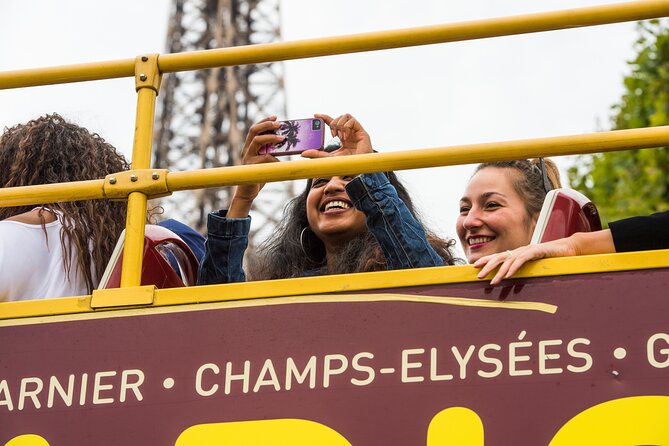
The bus portion is the easiest “outline of Paris.” The cruise is the piece that tends to feel more relaxing and memorable, because you’re moving through the city without traffic.
You get a 1-hour Seine River cruise with Bateaux Parisiens, and it’s built as a circuit-style experience—ideal when you want landmark views without getting stuck in transit gaps. The river gives you better sight lines: bridges, embankments, and the silhouettes of buildings you’ve been seeing from street level.
One realistic caution: cruise logistics can go sideways if you don’t double-check your ticket/voucher situation at the moment you board. Some people found that the cruise tickets weren’t handed over smoothly, and a few ended up missing the cruise due to Seine disruptions. So when you’re ready for the cruise, confirm you have what you need before you walk onto the boat.
Also, keep in mind that weather can affect comfort on the water. If it’s chilly or rainy, dress for it—cruise time tends to be slower paced, so you’ll feel the conditions longer.
Weather and comfort: plan for open-deck realities
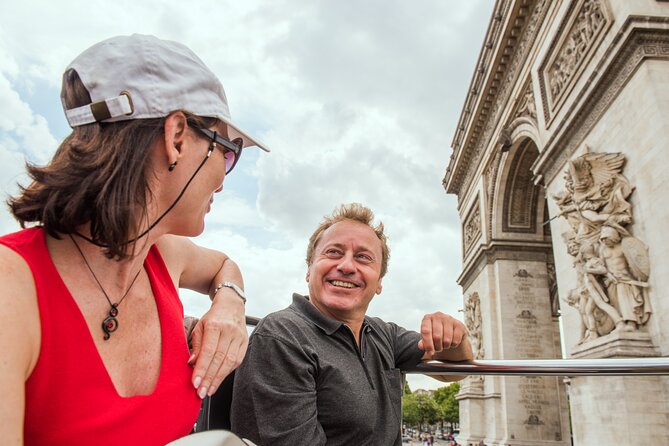
This is where the tour can make or break your day.
- On hot days, the upper deck can feel intense. Some buses have A/C in parts of the vehicle, but the upper level is part of the open-air charm, not the comfort strategy.
- On rainy days, people have reported the experience feeling like a downer. Even good views get less fun when you’re cold and wet.
My practical advice: treat this as an “early day” tour when possible. If the forecast is unpredictable, do the bus loop first while conditions are workable, and leave the cruise for the time window that looks best.
If you’re sensitive to heat or rain, your best move is simple: pack for discomfort even if you hope you won’t need it.
When this tour is a great fit (and when it isn’t)
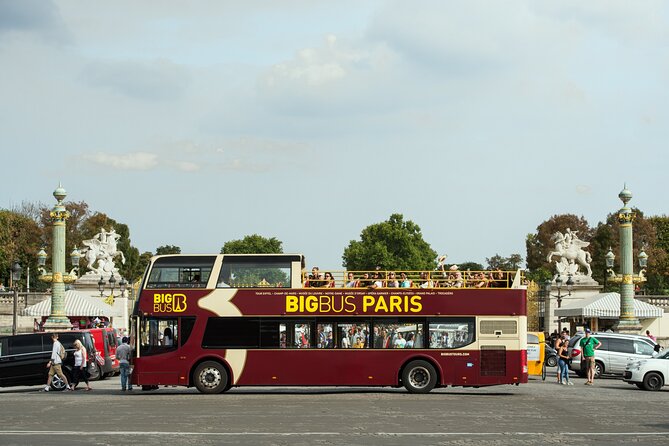
This is a strong match if:
- You’re short on time and want main highlights in one go
- You like planning a day around neighborhoods rather than strict timed tickets
- You want audio help in 9 languages so you’re not just staring out the window
- You want a low-stress way to reach the Eiffel Tower area and the river without multiple transit transfers
It’s less ideal if:
- You expect the bus to always move quickly like a subway. Traffic can slow it down.
- You’re picky about sound quality and hate any audio glitch.
- You want lots of niche coverage. The route focuses on major icons, not small detours or far-flung areas.
- You’re traveling on days when weather or operating hours cut into your flexibility.
Quick value check: is $62.61 “worth it” for your style?
For many first-time visitors, $62.61 can be worth it because it bundles:
- A hop-on hop-off bus window (24 or 48 hours)
- A 1-hour Seine cruise
- Audio commentary plus free headphones
- WiFi and mobile ticketing
If your plan already includes both a bus-style highlights route and a Seine cruise, you’re basically paying to package those ideas together and make them easier. If you only want one of the two experiences, then the bundle value drops.
Think of it like this: the bus is your shortcut for navigation and orientation, and the cruise is your payoff. If you want both, the math tends to work.
Should you book the Paris Big Bus hop-on hop-off and Seine cruise?
I’d book it if you want a dependable highlights plan with enough flexibility to stop where you feel like it. The pairing works well because the bus gives you the quick visual sweep, and the cruise gives you a calmer, photo-friendly way to see Paris from the water.
Before you commit, do two things:
- Check the posted hours for your travel window so you’re not counting on late evening departures.
- Plan around weather, because open-deck comfort can swing the experience fast.
If you want the easiest day possible—big landmarks, clear commentary, and a cruise that often becomes the favorite part—this is a solid choice. If you hate any uncertainty (route timing, audio quirks, or rain), consider building a more personalized plan instead.
FAQ
FAQ
How long is the bus tour?
The experience is listed at about 2 hours (approx.), though the ticket is 24 or 48 hours for hop-on hop-off use.
What does the ticket include?
Your ticket includes a 24- or 48-hour Big Bus hop-on hop-off pass and a 1-hour Seine River cruise with Bateaux Parisiens, plus audio commentary and free headphones.
What languages are available for the audio?
Audio commentary is available in 9 languages, including English.
Is WiFi available on the bus?
Yes, WiFi is available on board.
Is hotel pick-up or drop-off included?
No. Hotel pickup & drop-off is not included.
Where do I redeem my voucher?
You redeem your voucher at any of the designated Big Bus stop.
Can I use a mobile ticket?
Yes, it’s a mobile ticket experience.
What are the posted operating hours?
The data provided lists Tuesday to Sunday, 9:30 AM to 6:00 PM, during Feb 17–22, 2026.
Is the tour offered in English?
Yes, it’s offered in English.
Are service animals allowed?
Yes, service animals are allowed.
Do I need the Big Bus app?
You might want the Big Bus app for real-time bus tracking, which is specifically mentioned as a helpful tool.