REVIEW · PARIS
Musée d’Orsay: Impressionists with skip-the-line ticket
Book on GetYourGuide →Operated by My Super Tour · Bookable on GetYourGuide
Paris’s train station turns into art.
This skip-the-line guided visit to the Musée d’Orsay turns the building itself into part of the show, and I love how the route links big Impressionist masterpieces with 19th-century design. I also like the focused, time-smart pacing of a 2-hour tour that gets you to the museum’s key works without wasting time in lines. One drawback to keep in mind: the meeting spot uses an elephant statue, and if it’s moved, you’ll want a quick Plan B to find your guide fast.
You get a professional licensed guide, entrance ticket, and headsets so you can hear commentary clearly. The group is limited to 6 people, which helps the experience feel personal instead of rushed. If you use a wheelchair, this specific tour isn’t set up for wheelchair access.
In This Review
- Key things to know before you go
- Inside the building: why Musée d’Orsay feels different
- Skip-the-line entry: saving time so the art hits harder
- The Impressionist core: Monet, Manet, Renoir, and friends
- Cézanne still lifes, Degas dancers, and the Van Gogh–Gauguin contrast
- Realists, Millet and Courbet, plus the unforgettable Origin of the World
- Rodin among the painters: why sculpture changes your pacing
- 19th-century tech and visual culture: Liberty model and the Lumière effect
- Price and value: what you’re really paying for at $104
- Should you book this Musée d’Orsay guided tour?
- FAQ
- How long is the Musée d’Orsay impressionists skip-the-line tour?
- What’s included in the ticket?
- Where do we meet the guide?
- Is the skip-the-line entrance separate from the regular line?
- What languages is the tour offered in?
- How large is the group?
- Which famous artists and works are covered?
- Is this tour wheelchair accessible?
- Is there free cancellation?
- Does the tour offer reserve now and pay later?
Key things to know before you go
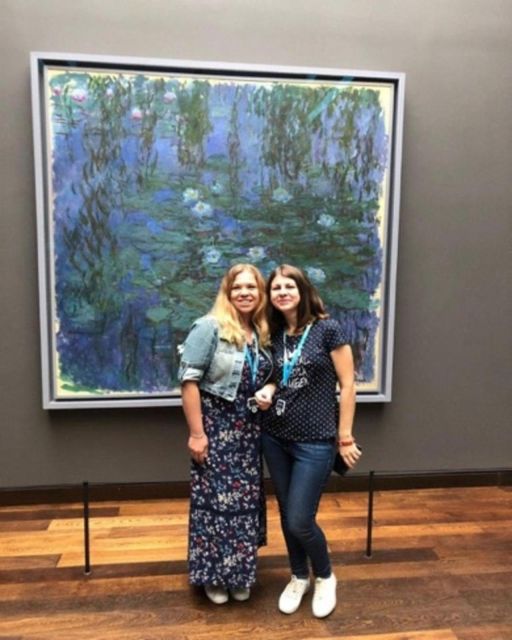
- The Orsay station is the star set: You’re walking through a former electrified railway terminal, converted into a museum in 1986.
- Skip-the-line through a separate entrance: Less waiting, more art time.
- A tight route for 2 hours: You’ll hit the museum’s major Impressionist and adjacent highlights in one efficient sweep.
- Headsets for clearer guiding: Better audio means you actually catch the details.
- Small group feel (max 6): Easier questions and smoother movement through galleries.
Inside the building: why Musée d’Orsay feels different

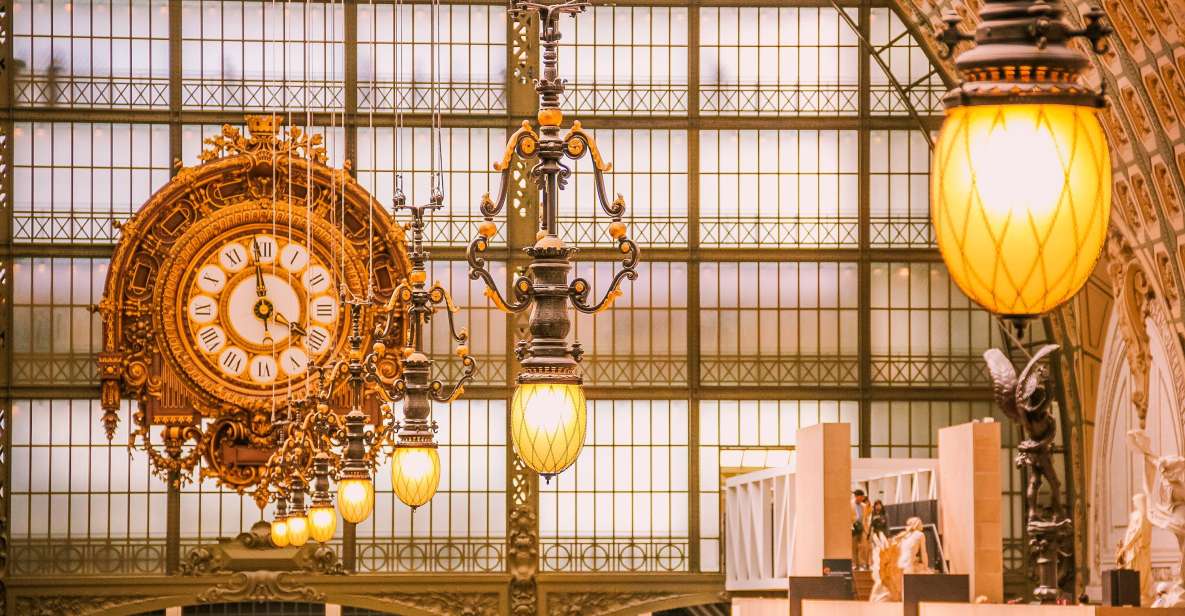
Most museums sit in nice buildings. Orsay does the opposite. The former Paris railway station is part of what you’re looking at—so the museum isn’t only a container for paintings. It’s also an example of 19th-century architecture in action. That matters, because you don’t just learn about the art style of the century. You see the century’s engineering and design habits right above it.
A key detail: this station was the first electrified urban terminal station in Paris, and the whole place was transformed into the museum in 1986. That’s a huge clue to the mood inside. The museum has a sense of motion even when you’re standing still. The high industrial spaces and the train-station bones make the artworks feel less like museum relics and more like cultural events that belonged to modern life.
Your tour also zooms out beyond Orsay’s walls. You’ll connect what you see here to other 19th-century Paris landmarks like the Palais Garnier and the surrounding opera district. The point isn’t trivia for trivia’s sake. It’s to help you read the city like a 19th-century story: new technology, new tastes, and new ways of building—happening at the same time.
One practical note: because the building is the exhibit, you’ll be moving through a lot of space. Comfortable shoes are a must, especially if you’re the kind of visitor who likes to stop and really look.
You can also read our reviews of more tours and experiences in Paris



Skip-the-line entry: saving time so the art hits harder
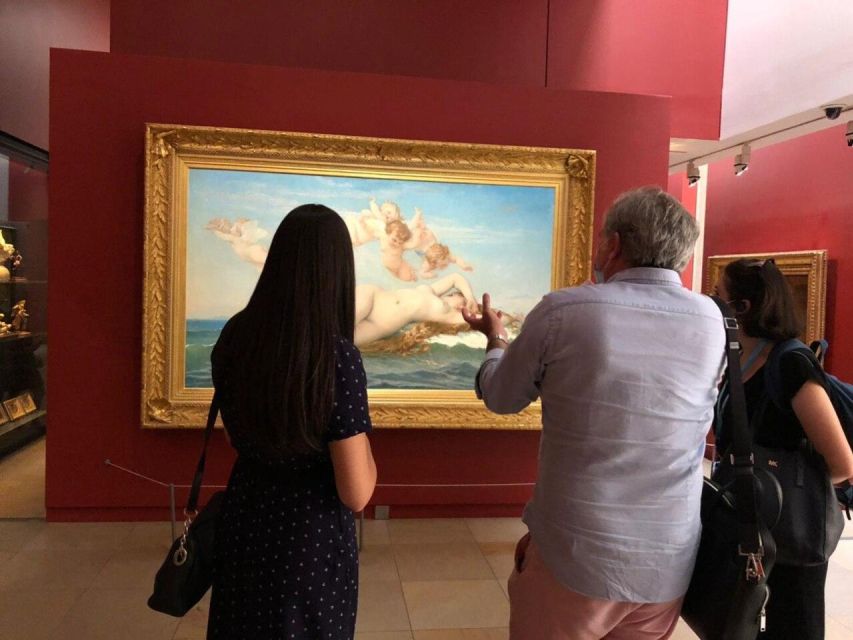
The smartest part of this experience is that you go in using a skip-the-line entrance. That sounds like a simple perk, but at Orsay it changes the whole visit. Waiting outside a museum eats your energy and can shrink your attention span. Cutting the wait means you arrive ready to look, not just ready to get inside.
The tour is designed for a 2-hour window, with a small group of up to 6. That’s a big deal at Orsay, where the crowd flow can get chaotic. Smaller groups keep the guide’s pace workable and make it easier for you to ask questions without feeling like you’re holding up 30 people.
You’ll meet your guide outside the main entrance under an elephant statue, looking for someone holding a yellow My Super Tour sign. Here’s the one thing I’d take seriously: the elephant can be moved. If you arrive and it’s not where you expect, don’t burn time circling. Use the quick help route your group is set up with so you can reconnect fast. That avoids the common first-timer problem—spending the first 10 minutes confused instead of inside learning.
Also included: headsets. Even if you’re usually good at hearing in groups, museum noises and echoes can make it harder. The headsets help you actually catch the guide’s commentary as you move between rooms.
The overall feel is: you’re not just buying entry—you’re buying a guided translation of what you’re seeing in that station-to-museum environment.
The Impressionist core: Monet, Manet, Renoir, and friends
Orsay is famous for Impressionism, and this tour treats that fame like a starting point, not the whole story. You’ll see major works by Monet, Manet, Renoir, and others, but the value comes from how the guide frames what makes Impressionism click in 19th-century context.
Impressionism wasn’t born in a vacuum. It grew in a world of changing city life, new visual habits, and fast cultural shifts. Orsay’s building reinforces that: a former high-tech terminal turned into a temple for modern-looking paintings. When the guide points out connections like light, movement, and everyday subject matter, those ideas don’t feel abstract. They feel like part of how a modern city experimented.
What you should watch for during this section:
- How the guide points out style choices that affect mood—brushwork, color, and light effects.
- How Impressionism sits beside other movements in the museum, so you can feel the shifts across rooms rather than treating them as separate eras.
This is the part of the tour where, if you’re only loosely familiar with the artists, you’ll get the most “oh, that makes sense” moments. And if you already love Impressionists, you’ll still appreciate the way the route helps you see why Orsay places these painters where it does.
The downside? If you’re the kind of visitor who wants to spend 20 minutes per painting, this 2-hour structure can feel tight. The trade-off is you get a big, coherent overview instead of a slow, single-artist obsession.
Cézanne still lifes, Degas dancers, and the Van Gogh–Gauguin contrast
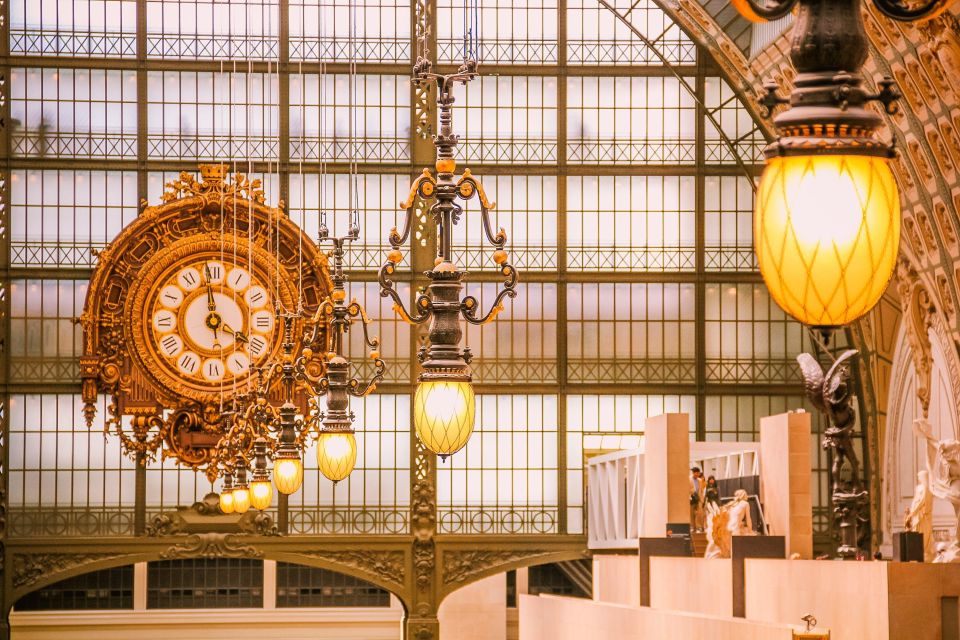
After the Impressionist set, the tour moves into works that show the century shifting under your feet. You’ll spend time with Cézanne and his still lifes, which help you see Impressionism’s influence while also hinting at what comes next. Still lifes sound quiet, but in Orsay they’re a gateway into thinking about form and structure.
Then you’ll hit Degas, including his ballet dancers. Degas is perfect for this building because his themes come from modern life and modern observation. Even if you don’t speak the art’s language yet, you’ll start noticing how he treats motion and attention—how the figures feel like they’re caught between performance and pause.
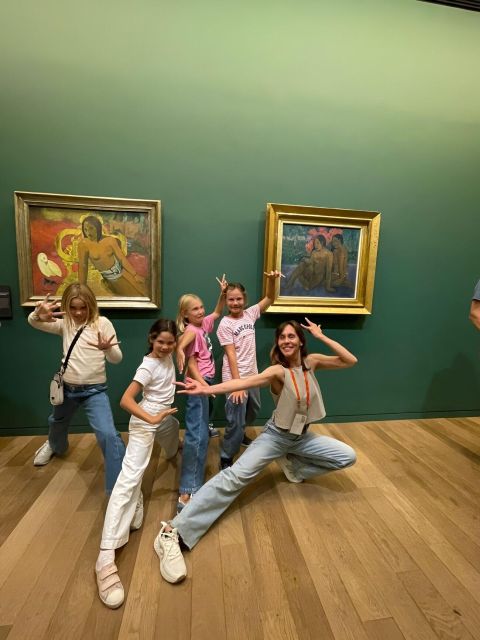
One highlight in this route is the “concurrence” between Van Gogh and Gauguin. The value here is not only who you see. It’s how you’re prompted to compare. Two painters, different approaches, and the guide helps you spot the differences in how they build meaning—color, subject, and emotional temperature.
During this part, I’d recommend you do one simple thing: take a beat before moving on. Let the guide’s framing land first, then you’ll get more out of the next painting instead of feeling like you’re rushing from one title to another.
Realists, Millet and Courbet, plus the unforgettable Origin of the World
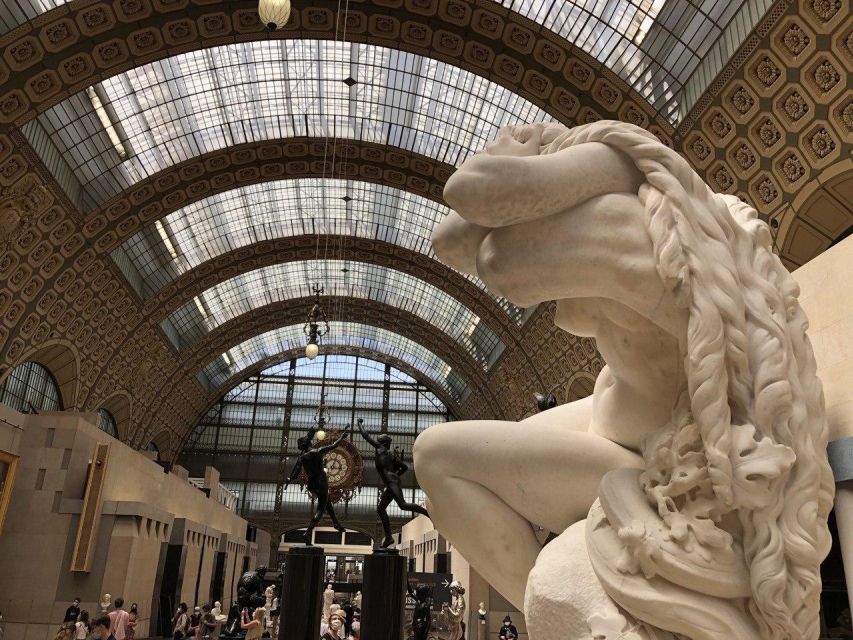
Orsay doesn’t only celebrate pretty images. It also shows the century arguing with itself. You’ll see realists like Millet and Courbet, and yes, this includes Courbet’s Origin of the World—a work that still grabs attention because of its directness.
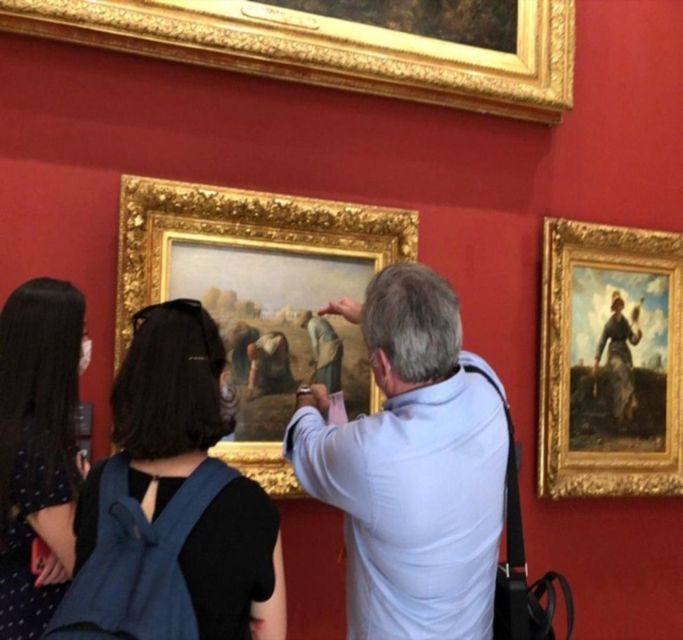
What makes this section worth your time is how realism is explained as a reaction and a choice. Realism isn’t just “plain.” It’s an insistence on modern subjects and honest depiction. In a museum full of experimentation, this style becomes part of the debate about what art should be allowed to show.
If you’re sensitive to intense subject matter, this is the moment to slow down and decide how long you want to linger. The guide can help you understand why the work caused shock, but you don’t have to force yourself to stare longer than you want.
The practical win: this realism section prevents the visit from becoming only a parade of famous Impressionists. You leave with a sense of the full 19th-century range—art as entertainment, art as social commentary, and art as provocation.
You can also read our reviews of more tours and experiences in Paris






Rodin among the painters: why sculpture changes your pacing
A guided route that stays only in painting rooms can start to blur together. Adding sculptures by Rodin gives your eyes a different job. Sculpture asks you to walk around, see from angles, and register texture and depth. It also changes your rhythm in the museum.
Rodin’s works fit Orsay’s station-meets-modern-museum vibe because they feel physical and immediate. Even if you don’t know every title, you’ll get a sense of how the 19th century pushed toward raw energy and human presence, not just painted illusion.
This is also where the tour’s context-building helps. When the guide places sculpture next to the painting movements you’ve already seen, you can feel how the century’s ideas spread across mediums. That’s one of the reasons the museum is so good for first-time visitors: it doesn’t isolate art styles. It lets them speak to each other in the same building.
19th-century tech and visual culture: Liberty model and the Lumière effect
One of the most memorable parts of this experience is the push beyond fine art into industrial and visual culture. You’ll learn about the era’s explosive growth in technical development and how that shaped what people saw and how they imagined the future.
Two standout examples included in the tour:
- A model related to the Liberty Statue concept (the first model).
- Early visual media connected to the brothers Lumière, including the first photographs and movies they created.
This matters because it gives you a larger picture. The 19th century wasn’t only painters making new styles. It was inventors and image-makers building the tools that changed how modern life records itself. When the guide ties that to what you’re seeing in painting and sculpture, the museum feels less like a time capsule and more like the start of modern visual culture.
If you like learning how art connects to technology, this portion will likely be one of your favorites. If you’re purely a painting-only visitor, you might find yourself wishing for more time in one gallery. But even then, the context is useful, because it explains why Orsay’s collection is staged the way it is.
Price and value: what you’re really paying for at $104
At $104 per person for a 2-hour experience, you’re not just buying a ticket. You’re paying for a licensed guide, the skip-the-line entry, and headsets that improve audio quality while you move room to room. For many first-time visitors, that combination is what turns a museum visit into a guided learning experience that’s actually worth the time window.
Here’s the value logic I think you should use:
- If you’re short on time in Paris, skip-the-line alone can be a big win.
- If you like context (why styles changed when they did), a guide helps you make sense of what you’re looking at.
- If you’ve ever struggled to hear in crowded museums, headsets are more than a perk—they’re a comfort upgrade that makes the tour easier to enjoy.
Is it the cheapest way into Orsay? No. But it’s also not trying to be cheap. It’s trying to be efficient, readable, and focused on major works—so you can leave with a strong overview, not a scattered list of names.
Who gets the best results: first-timers, art fans who want structure, and anyone who likes history that connects to the city’s real physical spaces.
Who might feel less satisfied: visitors who want long, quiet time in only one or two rooms, or anyone who dislikes small-group movement.
Should you book this Musée d’Orsay guided tour?
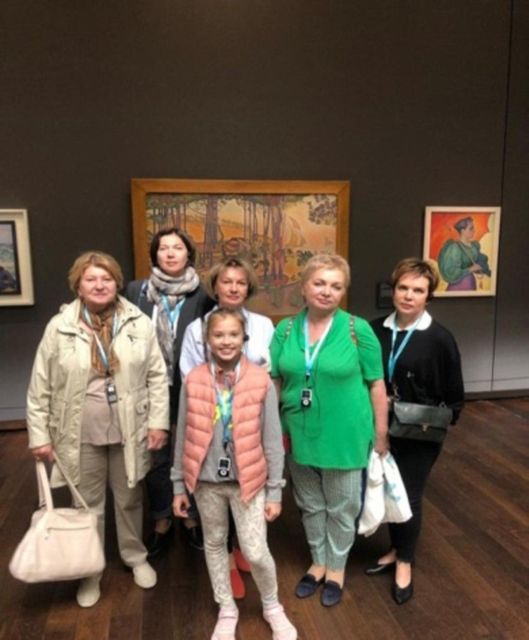
I’d book this if you want a high-value way to see a lot of Orsay’s best-known works without the line stress. The tour is built around a strong idea: Impressionism is the headline, but the station building, 19th-century architecture, and early visual tech are the context. That’s a smart way to understand the museum instead of just viewing it.
If you’re worried about finding the meeting spot, go with a calm plan: find the guide with the yellow My Super Tour sign, and if the elephant statue doesn’t match what you expected, get help quickly rather than guessing.
If you want a simple art hit and you don’t care about connections, you could do the museum on your own. But if you care about why things matter, the guided format is the difference between seeing famous works and understanding the 19th-century story they share.
FAQ
How long is the Musée d’Orsay impressionists skip-the-line tour?
It lasts 2 hours.
What’s included in the ticket?
The tour includes a professional licensed guide, entrance ticket, skip-the-line access, and headsets for better hearing.
Where do we meet the guide?
Meet under the statue of an elephant in front of the main entrance of the Musée d’Orsay, looking for the guide with a yellow My Super Tour sign.
Is the skip-the-line entrance separate from the regular line?
Yes. You’ll skip the waiting line through a separate entrance.
What languages is the tour offered in?
The live tour guide is available in English and Russian.
How large is the group?
The group is limited to 6 participants.
Which famous artists and works are covered?
You can expect to see Impressionists such as Monet, Manet, Renoir; Cézanne still lifes; Degas ballet dancers; the interplay between Van Gogh and Gauguin; Rodin sculptures; realists like Millet and Courbet including Origin of the World; plus 19th-century architecture and urbanism on the example of the Orsay station, Palais Garnier, and the opera area, and early photography and movies linked to the Lumière brothers.
Is this tour wheelchair accessible?
No. It is not suitable for wheelchair users.
Is there free cancellation?
Yes. You can cancel up to 24 hours in advance for a full refund.
Does the tour offer reserve now and pay later?
Yes. The option says reserve now & pay later, meaning you can book your spot and pay nothing today.