REVIEW · LOUVRE MUSEUM
Louvre Museum: Skip-the-Line Guided Tour
Book on GetYourGuide →Operated by Paris' TRIP · Bookable on GetYourGuide
The Louvre is a maze without a plan. This skip-the-line Louvre tour gets you through fast track entry and into the museum with a live English guide, so you can focus on the art instead of feeding your patience to the crowd. In about 2 hours, you’ll hit major masterpieces and also make space for the Louvre’s older worlds, including rare Egyptian and Near Eastern pieces.
What I like most is the way the guide turns the visit into a route with purpose, not random wandering. Guides such as Julie, Anne, Olivia, Emmanuel, and Olivier are praised for keeping commentary going, staying organized in a place the size of a small city, and even adjusting pace for real-life needs (one guide slowed things down for an injured foot). The one consideration: 2 hours means you won’t see everything, and the museum stays crowded even with fast-track entry.
In This Review
- Key highlights at a glance
- Skip-the-Line Entry at the Palais du Louvre: How It Changes Your Day
- Your 2-Hour Route: From the Mona Lisa to the Nike of Samothrace
- Venus de Milo and the Louvre’s Sculpture-Worthy Rooms
- Ancient Treasures: Egyptian and Near Eastern Antiquities from 4000 BC
- What the Guide Adds (and Why Small Groups Help)
- Price and Value: Is $146 Worth It for the Louvre?
- Before You Go: ID, Bag Limits, and How to Show Up Ready
- Should You Book This Louvre Skip-the-Line Guided Tour?
- FAQ
- How long is the Louvre skip-the-line guided tour?
- Does this tour include fast-track entry?
- Is the tour guide available in English?
- What do I need to bring?
- Are bags allowed inside the Louvre?
- Is this tour suitable for wheelchair users?
- Can I explore the Louvre on my own after the tour ends?
Key highlights at a glance
- Fast-track entry through the ticket line so you spend time inside where it matters
- Big-name hits like the Mona Lisa, Venus de Milo, and the Nike of Samothrace
- Egyptian + Near Eastern antiquities dating back to around 4000 BC
- An organized 2-hour path that helps you navigate the Louvre efficiently
- Small-group energy (private or small groups are available) for a smoother experience
Skip-the-Line Entry at the Palais du Louvre: How It Changes Your Day
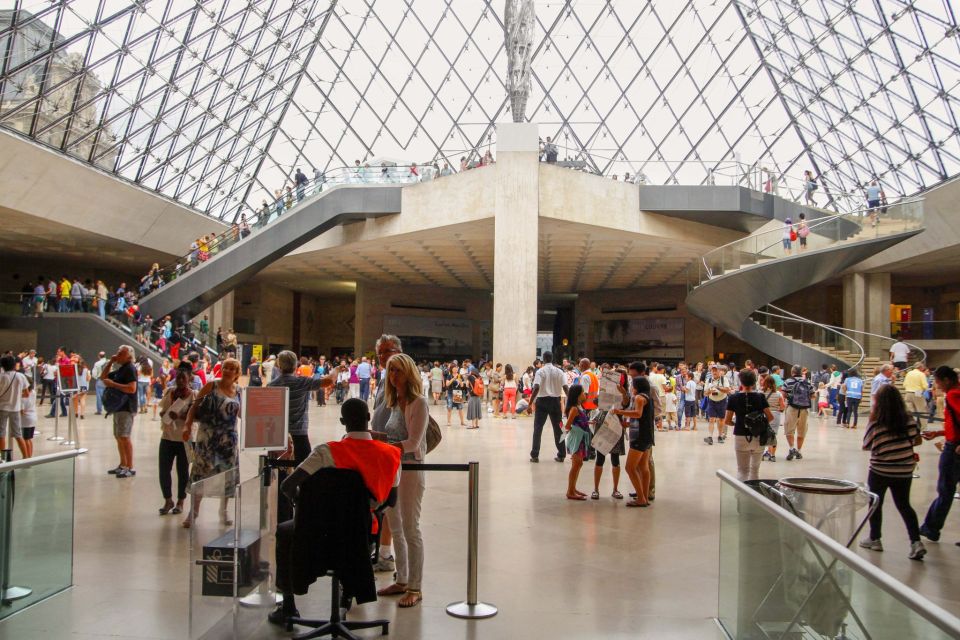
Let’s be honest: the Louvre can eat hours. Even if you love art, standing in line with hundreds of other people is not why you came to Paris. This tour’s main value is simple—skip the long ticket lines and start moving sooner. That matters most if you’re on limited time, or if you’re trying to fit the Louvre between other top sights in central Paris.
Once you’re inside, you’re in the Palais du Louvre, a building with layers of history that go back to a fortress built in the 12th century. The museum opened in 1793, and it had royal collections on display even before that. The setting gives weight to what you’ll see. You’re not just looking at famous paintings and statues. You’re walking through the kind of place where power, collecting, and art history are tangled together.
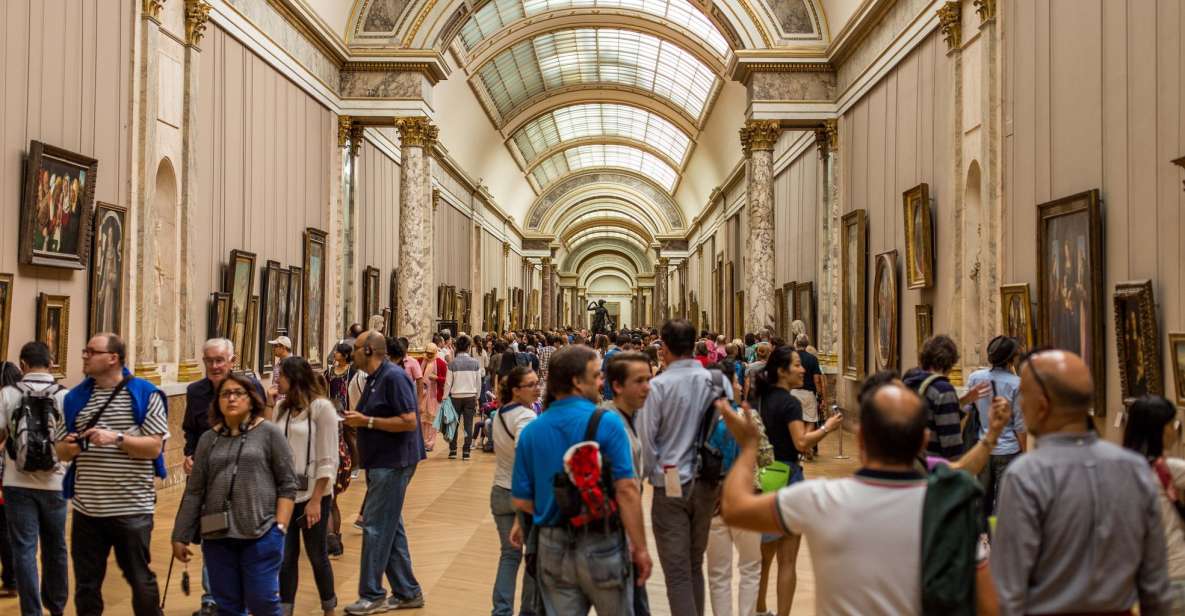
One practical note: even with fast-track entry, the Louvre is still crowded. So the best way to use your energy is to go in ready for a highlight sprint. The guide’s role becomes clear fast: they help you move with intent and not get stuck playing museum hide-and-seek.
You can also read our reviews of more guided tours in Louvre Museum


Your 2-Hour Route: From the Mona Lisa to the Nike of Samothrace

This is a 2-hour guided tour, built for seeing the key works without pretending you can conquer the whole museum in one go. The highlights you’re expecting are big and specific: you’ll see the Mona Lisa, the Venus de Milo, and the Nike of Samothrace (that marble statue everyone takes photos of for a reason).
Here’s what that means for you in real life: you get the thrill of the must-sees, but also some context so your brain doesn’t just blur everything into a list of names.
- For the Mona Lisa, you’ll get more than the quick look. The goal is to understand why this painting is treated like a cultural magnet—and how its reputation fits into the broader art story of the Louvre.
- For the Nike of Samothrace, you’ll get to appreciate how sculptors captured motion in marble. It’s the kind of artwork that makes you slow down without trying.
Several reviews mention that the guide kept commentary going most of the time and helped people stay oriented. One family using this option said their group navigated easily with the guide, and another review praised an excellent plan to see a lot within the limited time. That’s the sweet spot of a tour like this: time discipline. You’ll spend less time wondering where to go next.
One small timing reality to keep in mind: the tour is listed as 2 hours, but one review said their visit ran just under 3 hours. That suggests the pace can shift depending on group size and flow. Don’t plan your next stop like it’s guaranteed to end on the dot—plan it like you’re enjoying yourself.
Venus de Milo and the Louvre’s Sculpture-Worthy Rooms
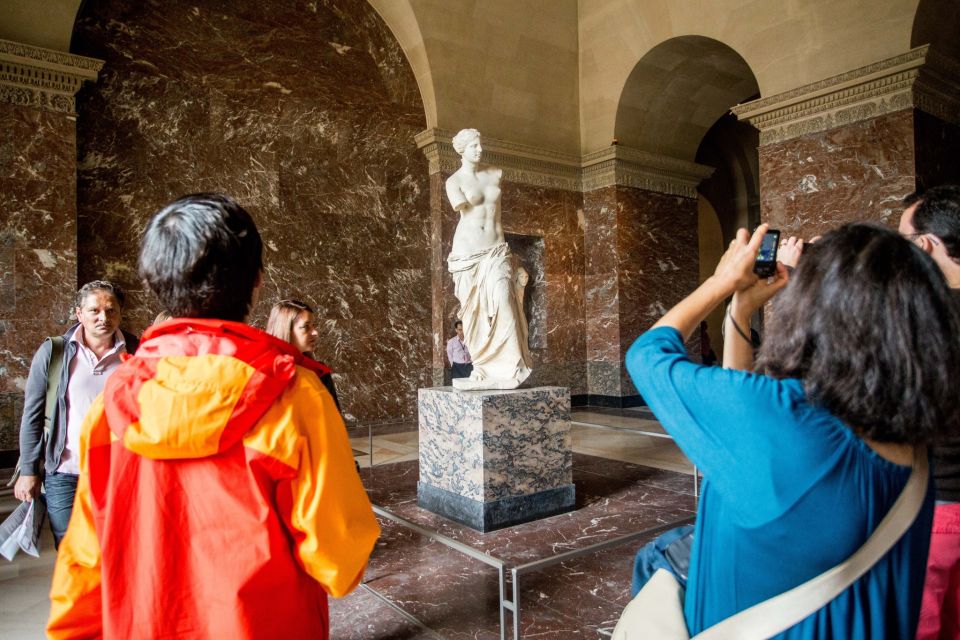
If you only care about paintings, you might think the Louvre is all canvases and crowd noise. But the Louvre is also a sculpture powerhouse, and this tour leans into that. The Venus de Milo is one of the most instantly recognizable statues in the world, and it plays nicely with the Nike because both are about form, stance, and presence.
Why this part matters: seeing these works back-to-back can change how you look at them. Sculptures don’t just reward close viewing; they reward comparison—how different artists solved the same big problems (proportion, expression, the feeling of weight and space).
Also, there’s a practical benefit. Even if you’re not an art person, sculpture rooms tend to be easier to handle during a short tour. You’re not scanning dozens of paintings. You’re seeing fewer works, but you can stand, look, and let the guide explain what your eyes might otherwise miss.
Ancient Treasures: Egyptian and Near Eastern Antiquities from 4000 BC
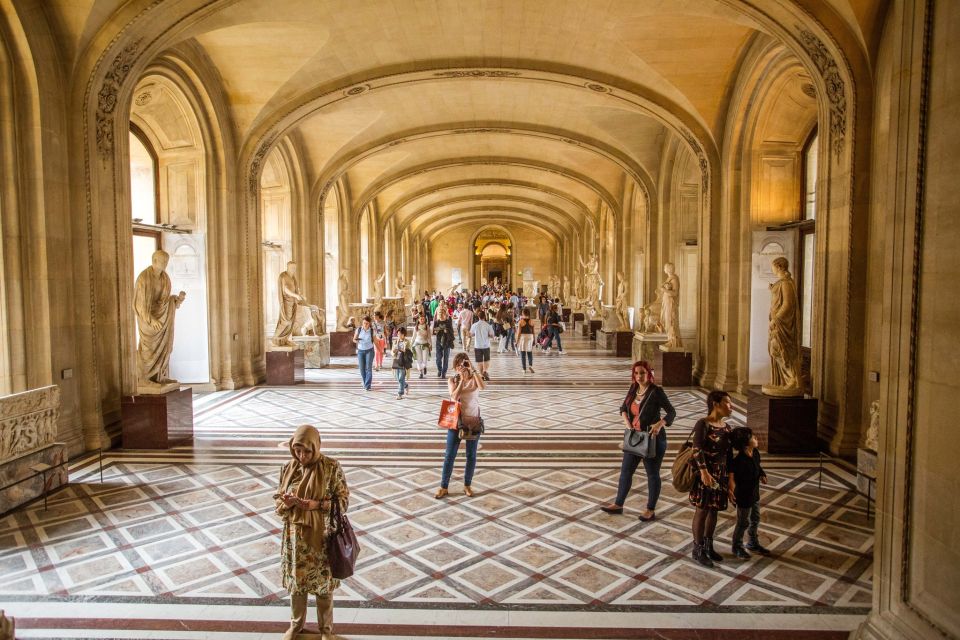
This tour doesn’t treat the Louvre like a greatest-hits jukebox only. A real highlight is the inclusion of rare Egyptian and Near Eastern antiquities, some dating back to about 4000 BC. That’s a huge time jump from the famous European paintings most people rush toward.
What you’ll get from the guide here is the connective tissue. When you see objects from thousands of years ago, it’s easy to admire them like museum artifacts and move on. With a guided format, you’re more likely to understand what you’re looking at—how these objects fit into the civilizations that made them, and why the Louvre preserved and displayed them.
This is also where the Louvre starts to feel less like a single collection and more like a long story: not just European masterpieces, but a museum built from collecting across cultures and eras. If you love history, you’ll appreciate this section because it gives your visit range. If you mainly came for famous art, this part helps your visit feel more like discovery than box-checking.
What the Guide Adds (and Why Small Groups Help)
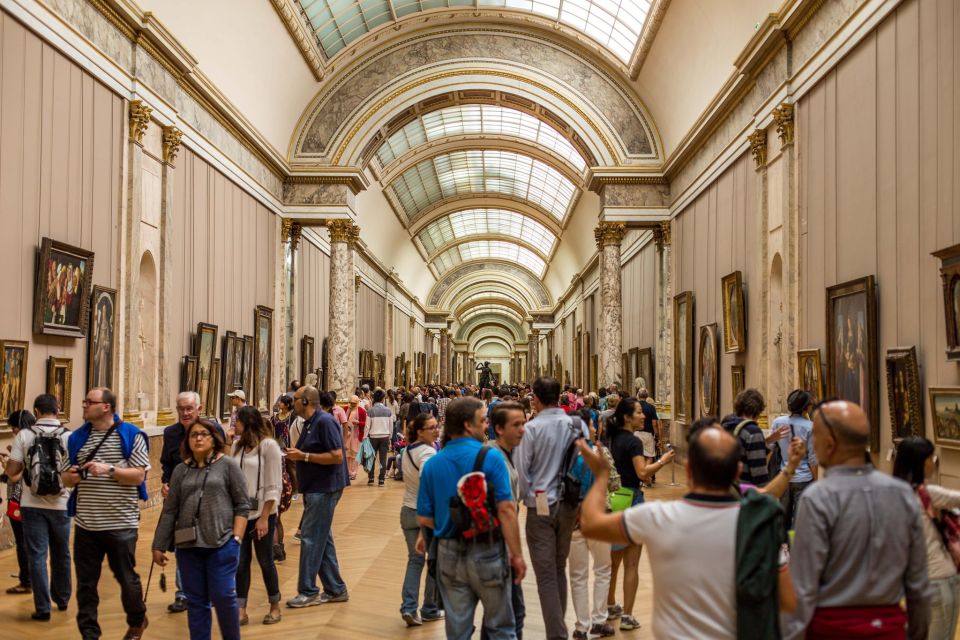
A tour guide is more than a voice. In a museum like the Louvre, they’re a map, a translator, and sometimes a traffic controller.
In reviews, guides are praised for being organized and keeping people together in a huge space. Some reviewers mention clear English, and one notes headsets worked well for navigation. Another highlights how a guide stayed engaging even with a child in the group, using the tour to keep attention without turning it into a boring lecture.
That “small group” factor is not just a comfort perk. It affects how smoothly you experience the rooms. Smaller groups generally mean fewer bottlenecks, less standing around, and more time actually looking at the art instead of waiting your turn to pass through.
One more practical detail from reviews: some guides help with practical stuff like lockers for jackets so you can keep your visit comfortable. And the end of the guided portion can be timed near useful facilities—one review specifically appreciated that the tour wrapped up near toilets, which matters because the Louvre doesn’t have many.
So yes, you’ll still see crowds. But a good guide helps you spend less time fighting the crowd and more time looking at what you came for.
You can also read our reviews of more museum experiences in Louvre Museum

Price and Value: Is $146 Worth It for the Louvre?
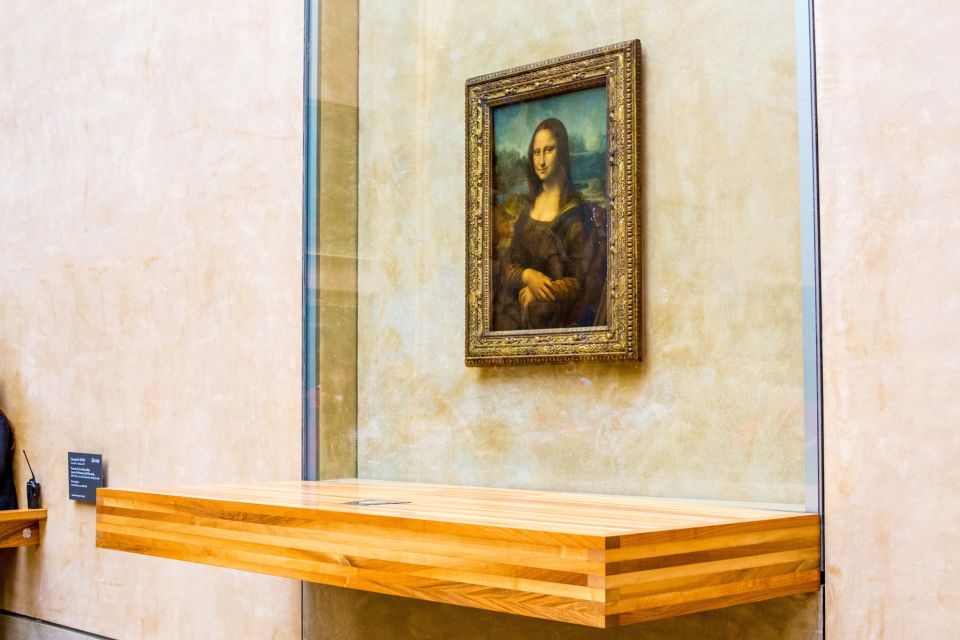
At $146 per person, this is not a budget option. You’re paying for three things: a guaranteed entry path through the fast track, a live licensed guide, and a time-boxed route that steers you through the Louvre’s most in-demand masterpieces.
Is it worth it? For me, it comes down to how you travel.
You’ll likely feel good about the price if:
- Your time in Paris is tight and you want maximum payoff from a short visit
- You want the Mona Lisa, Venus de Milo, and Nike of Samothrace without spending half your day hunting them down
- You don’t want the stress of figuring out museum navigation while other visitors swarm the same rooms
- You’re traveling with kids (one review mentions a guide stayed engaging and adjusted pace)
You might pause if:
- You have plenty of time and you’re the type who enjoys wandering without structure
- You want a slower, deeper museum day that stretches beyond the highlights
- You’re traveling with limited budget and are comfortable handling lines and logistics yourself
The rating is strong (4.6 based on 98 reviews), and the repeated themes are consistent: guides are praised for organization, English clarity, and making the visit feel worth the time. That’s the value you’re buying—less friction, more seeing.
Before You Go: ID, Bag Limits, and How to Show Up Ready
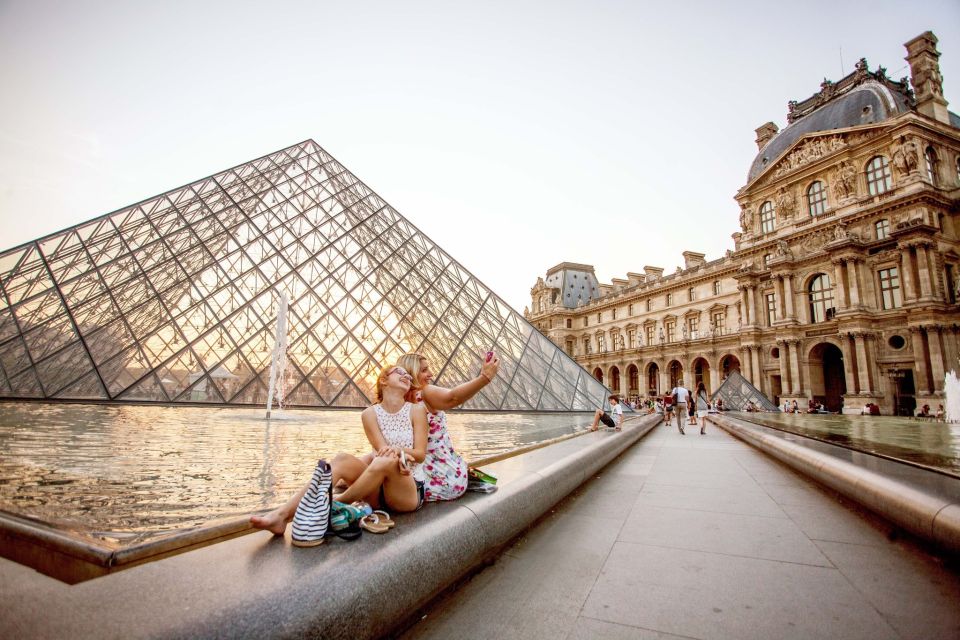
This tour is straightforward, but the Louvre is strict about what you can bring.
Bring passport or ID card. And plan your packing like a minimalist. The museum won’t allow luggage or large bags, and anything exceeding 55x35x20 cm is not permitted. If you’re hauling a big daypack, it may still be fine—but avoid oversize items so you don’t waste time at checks.
Another heads-up: this option is not suitable for wheelchair users, so if mobility access is a factor, you’ll want to consider another format.
One more small tip for your day: think about what you’ll do after the tour. The tour ends and you can explore on your own. That’s a smart structure—get the guide’s route and context first, then spend your extra time where you actually want to linger.
Should You Book This Louvre Skip-the-Line Guided Tour?
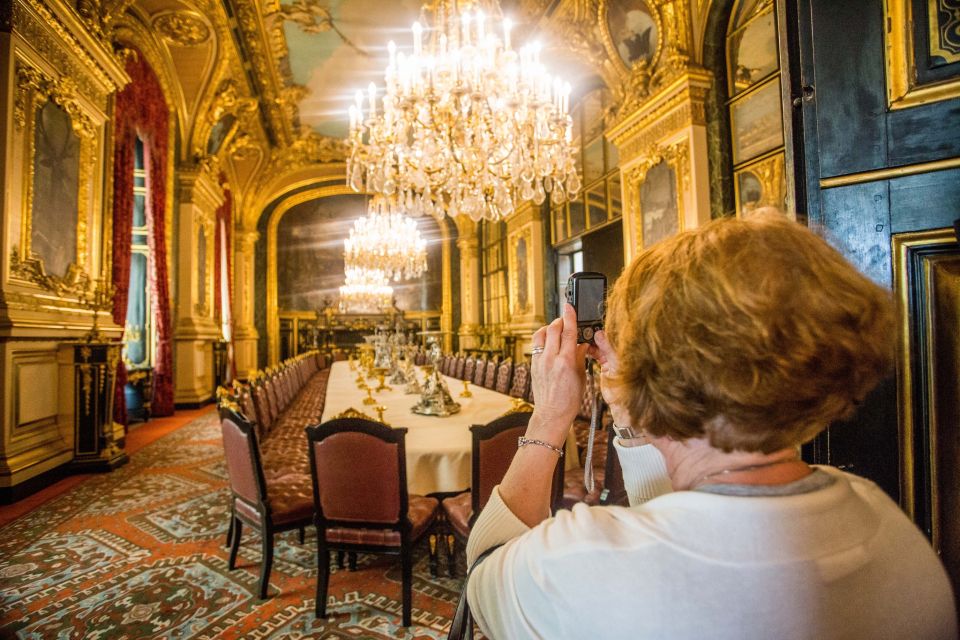
Book this tour if you want a high-efficiency Louvre visit and you care about seeing the headline works without spending your prime energy in lines and confusion. The fast-track entry plus a live English guide is especially appealing if you’re only giving the Louvre a short window.
Don’t book it (or at least reconsider) if your goal is to experience the Louvre as a slow, total museum day. This tour is built for highlights, ancient treasures, and smart navigation—not for covering the full museum.
If you fall somewhere in the middle—like most first-timers—you’ll probably leave happy. You’ll see the big masterpieces, you’ll get context instead of just photo stops, and you’ll come out with a clearer sense of what the Louvre is doing with art across centuries.
FAQ

How long is the Louvre skip-the-line guided tour?
The tour duration is 2 hours.
Does this tour include fast-track entry?
Yes. It includes fast track entrance and skip-the-line entry.
Is the tour guide available in English?
Yes. The live tour guide is English.
What do I need to bring?
You should bring a passport or ID card.
Are bags allowed inside the Louvre?
No luggage or large bags are allowed. Items exceeding 55x35x20 cm are not permitted.
Is this tour suitable for wheelchair users?
No, it is not suitable for wheelchair users.
Can I explore the Louvre on my own after the tour ends?
Yes. You can explore the museum on your own once the tour ends.