REVIEW · PARIS
Learn the art of street photography in the heart of Montmartre!
Book on Viator →Operated by Learn and practice the art of street photography with Clara dans la rue in the heart of Montmartre! · Bookable on Viator
Montmartre looks different when someone shows you how to see. This 2-hour street photography walk in Paris focuses on composition and storytelling, with Clara guiding you through the best moments to frame. It’s a great fit if you want more than random photo stops and you like learning by doing.
I particularly like how Clara’s coaching is practical. You’ll get clear ideas for what to look for, when to wait, and how to make a scene read like a story instead of a snapshot. The walk also works well even if your camera is a smartphone; one review even highlighted learning iPhone tips that helped the shots feel more intentional.
One possible drawback: you cover about two hours of walking on hilly, cobblestoned streets. If you don’t like lots of uphill steps, plan for slower pacing and wear shoes you can trust.
In This Review
- Key things to know before you go
- Why street photography in Montmartre fits like a glove
- Meeting at Place des Abbesses: the walk starts with a photo plan
- Getting the basics right: composition and mini-stories
- Montmartre streets and rooftop angles: making frames with depth
- Cemetery and quieter corners: when the scene asks for restraint
- Daytime by default, night on request: choosing your light
- What to bring: shoes, layers, water, and whatever you shoot with
- Price and value: what $165.49 buys you in practice
- The parting gift: a small souvenir with real meaning
- Who this Montmartre street photography walk suits best
- Should you book this street photography walk?
- FAQ
- What is the duration of the street photography tour in Montmartre?
- Where does the tour start and end?
- Is the tour private?
- What language is the tour offered in?
- Is it daytime only?
- Do I need to bring a camera?
- What should I bring for the walk?
- Is the meeting spot near public transportation?
- Is free cancellation available?
Key things to know before you go
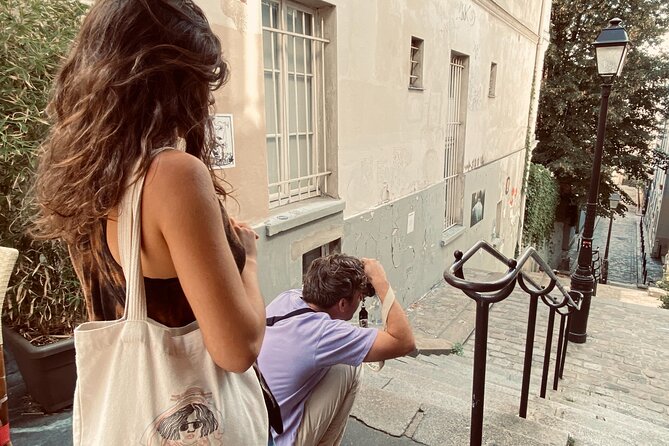
- Clara leads the creative coaching so you’re not just sightseeing with a camera
- Street basics, composition, and storytelling are taught while you walk
- Montmartre mix includes charming streets, rooftop views, and a stop by the cemetery
- Daytime by default, with the option to request a night session
- Private group format means the guidance stays focused on your pace and questions
- A parting gift is included, so you leave with more than photos in your phone
Why street photography in Montmartre fits like a glove
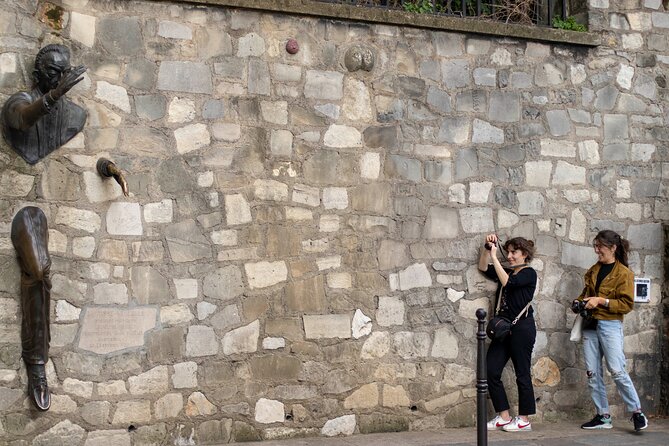
Montmartre is one of those neighborhoods where the photos almost make themselves—if you know what to look for. You get classic Paris street textures, winding lanes, and viewpoints that make it easy to build images with depth. The best part of doing street photography here is that the scenery naturally supports storytelling: you’ll find moments where people, architecture, and everyday life overlap.
This tour leans into that reality. Instead of treating photos as a technical checklist, you learn how to slow down and choose what matters in the frame. That’s valuable because it changes how you travel after the tour too. When you return to your hotel, you’re not thinking, I need a better camera—you’re thinking, I need to look longer and decide better.
You’ll also appreciate that the route is designed for variety. You’re not stuck with only busy sidewalks. The mix of streets, rooftop-looking angles, cemetery atmosphere, and landmarks gives you different lighting and different “moods” to practice on, without feeling like a forced checklist.
You can also read our reviews of more photography tours in Paris

Meeting at Place des Abbesses: the walk starts with a photo plan
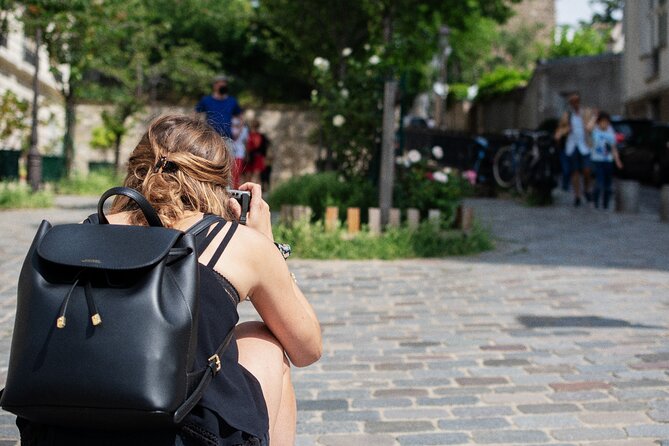
You meet at Place des Abbesses (right in Montmartre), and the experience ends back at the same spot. That matters more than it sounds: you can concentrate on shooting and learning without spending your time figuring out logistics or backtracking.
Because it’s a private tour/activity for only your group, Clara can tailor the pacing. If you’re eager to shoot, you’ll likely move with purpose. If you need a minute to process the ideas and reframe, you won’t feel rushed. Reviews also point out that Clara is kind and attentive, and that she’s quick to notice whether you’re actually applying the guidance in real time.
You can bring whatever camera you have, and you can talk about equipment before the meeting. That’s a big deal for street photography because the “right” setup depends on how you like to work. Some people shoot handheld fast; others prefer a tripod for specific angles. Even if you don’t bring a tripod, you’ll learn how to think about stability and framing as you go.
Getting the basics right: composition and mini-stories
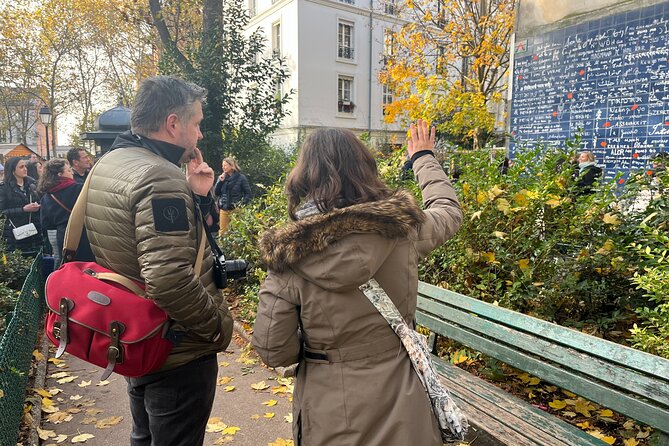
Street photography isn’t only about catching a moment. It’s about making the viewer understand what they’re seeing. Clara’s approach focuses on composition and storytelling, which is exactly where most beginners feel stuck. You might take lots of photos and still wonder why none of them feel meaningful.
On this walk, you learn the thought process behind better shots: what elements to include, what to leave out, and how to guide the eye through a scene. You’re not just being told rules—you’re using them immediately. That’s why the two-hour length works. It’s long enough to try ideas, adjust, and actually improve on the spot, not just hear theory and leave.
A theme you’ll notice from the feedback: patience. One review described learning to take your time and think about the choices you’re making. That doesn’t mean standing still for hours. It means pausing before you press the shutter, watching how people move, and deciding which moment tells the story best.
You’ll also likely find your comfort zone shifting. Once someone helps you see when to shoot, the neighborhood stops feeling random. You start noticing gestures, small interactions, lines formed by buildings, and the way light changes across street corners.
Montmartre streets and rooftop angles: making frames with depth
The heart of the tour is your walk through Montmartre’s charming streets and viewpoints—think cobblestone charm, narrow passages, and the kind of views that make rooftops feel like part of the “set.” Rooftops here aren’t just background. They can create layers, hint at distance, and give your photos a more cinematic feeling.
This is where the composition lessons turn into images. You’ll practice building depth by placing a subject in relation to surrounding shapes—walls, stairways, and angled streets. Rooftop angles also help you work with scale. A scene can look like a “normal street” from eye level, but from slightly higher ground it becomes a pattern: people become small, architecture becomes structure, and the city turns into a design.
One practical consideration: Montmartre can be busy, especially around popular photo zones. If crowds are present, that can actually be useful. You’ll learn how to handle it—how to wait for the right gap, how to shoot through a moment of movement, or how to frame so people feel like part of the story instead of a distraction.
Cemetery and quieter corners: when the scene asks for restraint
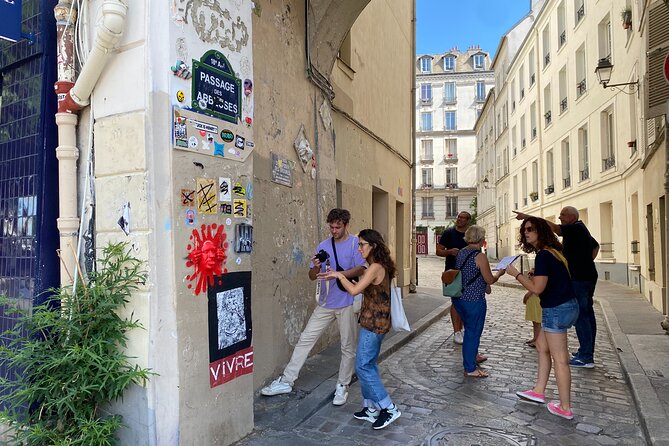
The tour includes time around the cemetery area, and that change in atmosphere is a gift for your photography training. Street photography isn’t always loud and spontaneous. Sometimes the best approach is quieter: fewer distractions, more careful framing, and a slower rhythm.
In a cemetery setting, you’ll likely notice details that you’d normally skip—textures, stone shapes, paths, and the emotional tone of stillness. That’s useful practice because it forces you to think about mood. Clara’s coaching on storytelling helps here, because mood can be part of the message just as much as the subject.
This is also where your earlier lessons about patience pay off. If you rush, you’ll only capture “the cemetery” as a generic scene. If you take your time, you can create photos that feel personal and observant—images where the composition and the setting work together.
The only “watch out” is energy. Cemetery areas can involve more standing and walking on uneven surfaces, so keep your body pace comfortable. Comfortable shoes aren’t optional here—they’re part of getting good shots without stress.


Daytime by default, night on request: choosing your light
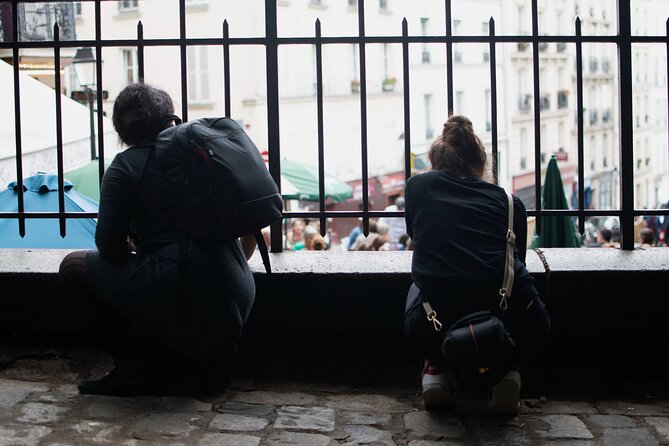
This experience runs during the day unless you request a night session. Daytime is usually the easiest way to learn because you’re dealing with more predictable light and your settings (even on a phone) tend to behave more consistently.
That said, night photography brings a different kind of challenge and creativity: artificial light, longer shadows, and reflections. If you’re thinking of requesting night, it can be worth it if your goal is to practice mood and storytelling under harder conditions. The tour framework still centers on composition and choice, so even the night learning isn’t just about shooting in the dark.
If night is on your mind, plan for slower steps and be realistic about camera stability. Tripods might help for some setups, but even if you skip one, you can still improve with technique—steady stance, bracing your arms, and taking a few test shots before committing.
What to bring: shoes, layers, water, and whatever you shoot with
You’re walking for about two hours. So pack like a person who intends to enjoy the streets, not just survive them.
Comfort priorities:
- Comfortable shoes for hilly cobblestones
- A water bottle
- A good jacket for cold times
Camera-wise, you can bring anything. Camera gear isn’t included, so you’ll want your own setup—phone is totally fine. One review specifically noted learning iPhone tips, which tells you the guide can work across devices, not only dedicated cameras.
If you like using a tripod, you can bring one. The tour hints that it may be useful, especially if you want steadier frames. But don’t feel forced into carrying extra weight. If you prefer handheld, you can still learn composition and storytelling without lugging gear.
Tip that pays off: think about how you normally frame. If you’re used to point-and-shoot shooting, you’ll likely learn faster if you slow down and focus on selection—fewer photos, better choices. Clara’s guidance supports that mindset.
Price and value: what $165.49 buys you in practice
At $165.49 per person for about two hours, the value comes from what you’re actually purchasing: personalized coaching in the moment. You’re not paying only for a walk through Montmartre. You’re paying for someone to help you see better, make decisions faster, and practice concepts while the neighborhood is right in front of you.
Because it’s private for your group, the teaching tends to be more targeted. That reduces the most common downside of group tours for photography, where you get generic advice and then scramble. Here, you can ask questions, adjust your approach, and get guidance on equipment choices.
The included parting gift is a nice extra. It’s not a substitute for the skills you learn, but it’s a tangible reminder that you came to make something—not just collect postcards.
If you’re on a tight budget and only want occasional snapshots, you might decide this isn’t for you. But if you care about improving and you like the idea of coming home with stronger images (and a clearer way to take them), it’s a fair deal for the time and attention.
The parting gift: a small souvenir with real meaning
This tour includes a parting little gift. That sounds simple, but it matters because it turns the experience into something you remember beyond the photos. When you spend two hours learning how to see, you want a cue that this was a purposeful creative session.
Also, gifts from tours like this tend to reflect the theme of the experience: street photography and creative practice. So instead of leaving with just a vague, I saw Montmartre, you leave with a reminder that you did something specific.
Who this Montmartre street photography walk suits best
This tour is ideal if you:
- Want hands-on coaching in composition and storytelling
- Are traveling with a phone or camera and want better results without overcomplicating gear
- Like Montmartre but want to spend your time on photo-making, not only sightseeing
- Prefer a private feel and guidance that matches your pace
It may be less ideal if you:
- Hate hills or long walks (two hours in Montmartre is real walking)
- Expect a fully technical workshop on camera settings without a focus on storytelling and seeing
If you fall in the middle—curious, a bit camera-ready, and you want to improve—this hits a sweet spot.
Should you book this street photography walk?
I’d book it if your goal is to leave Montmartre with stronger photos and a clearer way to keep shooting after you return home. The combination of Clara’s guidance, the mix of streets-rooftops-cemetery, and the practical focus on what to include and why makes the time feel productive. The biggest reason to hesitate is the walking: comfortable shoes and a realistic pace are part of the package.
If you want a creative Paris experience that teaches you to see (not just where to stand), this is a solid choice.
FAQ
What is the duration of the street photography tour in Montmartre?
It’s a walking session of about 2 hours.
Where does the tour start and end?
The tour starts at Place des Abbesses and ends back at the same meeting point.
Is the tour private?
Yes. It’s a private tour/activity, and only your group participates.
What language is the tour offered in?
The tour is offered in English.
Is it daytime only?
It runs in the daytime, unless you request a nighttime session.
Do I need to bring a camera?
Camera gear is not included. You can bring whatever camera you have (and you may even find smartphone tips helpful).
What should I bring for the walk?
Bring comfortable shoes, a water bottle, and a jacket for cold times. A tripod might be useful if you use one.
Is the meeting spot near public transportation?
Yes, it’s near public transportation.
Is free cancellation available?
Yes. You can cancel for a full refund up to 24 hours before the experience starts, and it requires good weather to operate.