REVIEW · PARIS
La Traviata at the Jaquemart-André Museum
Book on Viator →Operated by Opera a Palazzo · Bookable on Viator
Verdi in a Paris mansion sounds like a movie scene. This one takes La Traviata into the Musée Jacquemart-André salons after the museum closes, so you’re close to the story—and to the room.
I especially love the idea of pairing opera and museum time in one ticket. You get a structured evening (music first, then access to the ground-floor collection) plus a glass of Champagne with Violetta, which sets the mood fast.
One thing to consider: this is not a standard full-scale opera house production. If you expect big staging and crystal-clear comprehension throughout, you may find the condensed format and sound/lighting choices hit differently.
In This Review
- Key Highlights You’ll Care About
- A Paris Opera Night in Jaquemart-André’s Grand Salons
- After Closing Time: What the Evening Feels Like
- La Traviata, But Not the Usual Way
- Champagne With Violetta and the Salon Mood
- The Museum Tour Add-On You Should Actually Plan For
- Seats, Sound, and Lighting: Where Experiences Split
- Price and Value: Is $279.98 Worth It?
- Who This Booking Suits Best
- Practical Tips Before You Go
- Should You Book This La Traviata at Jaquemart-André?
- FAQ
- How long is La Traviata at the Musée Jacquemart-André?
- Is the experience available in English?
- What’s the ticket format?
- When does it run?
- How far in advance is it typically booked?
- What is the cancellation policy?
Key Highlights You’ll Care About
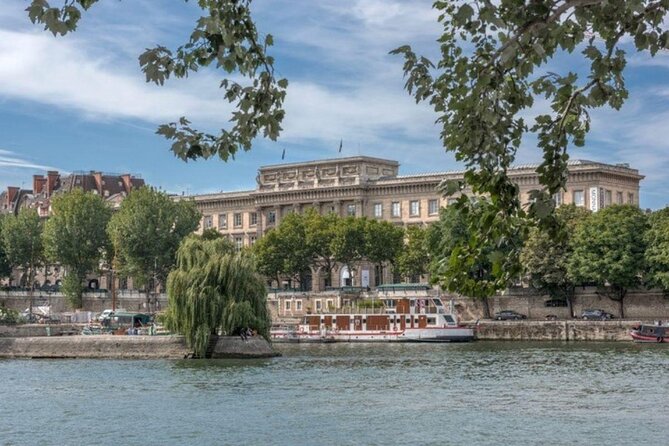
- Salon-to-salon staging after closing: the show happens in the museum’s elegant rooms, not a theater.
- Champagne moment timed to the story: you’ll be sipping while Violetta’s world unfolds.
- Private-feeling museum access: you get a tour of the permanent collection areas on the ground floor.
- Small, intimate vibe: the format is designed for close listening rather than wide sightlines.
- English offering: the experience is offered in English for easier follow-through.
- Price matches the “special evening” format: you’re paying for venue access plus performance experience, not just music.
A Paris Opera Night in Jaquemart-André’s Grand Salons
If you want opera in a setting that feels like it belongs to the 19th century, this is the kind of night that delivers. The Musée Jacquemart-André isn’t a generic performance hall. It’s a lived-in-feeling museum built around the home world of Édouard André and Nélie Jacquemart, and that matters once the lights shift for the show.
What I like about this concept is the way it changes your role. Instead of sitting back and watching from far away, you’re part of the evening’s flow: you move through space, you notice details in the rooms, and the story lands with the architecture around it. That’s the attraction for first-timers who love Paris art, and it’s also a strong draw for opera fans who want something less formal than the traditional “box seat” experience.
Your best fit here is an audience that enjoys music, atmosphere, and close listening more than epic battle-scale staging. The evening is listed as about 1 hour 30 minutes to 2 hours, so it’s long enough to feel like an event without becoming a full night commitment.
You can also read our reviews of more museum experiences in Paris
After Closing Time: What the Evening Feels Like
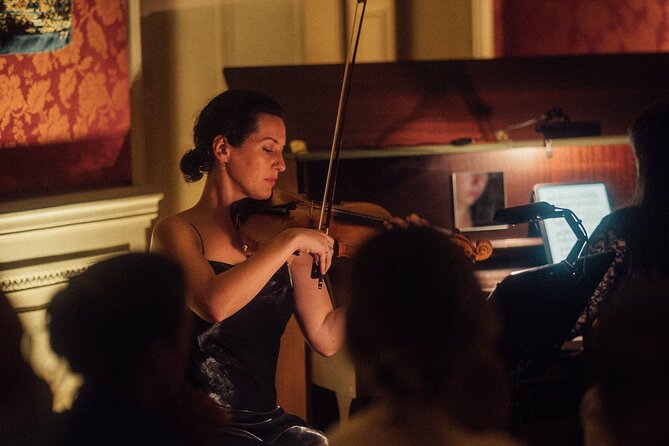
This show is timed for late evening at the museum. Sessions run Monday nights in the stated season window, with the listed time slot of 8:30 PM to 10:30 PM. Practically, that means you’ll be thinking about dinner plans first, then arriving ready to shift gears from sightseeing mode into performance mode.
Once the museum closes, the salons come alive for La Traviata. The format is built so the opera unfolds in different rooms, not just one fixed stage. That’s not a minor detail. When the action and the set move through elegant interiors, the music feels more “in place,” and the story rhythm gains a second layer: room to room, moment to moment.
You’ll also have a Champagne moment tied to the story (with Violetta). Think of it as a social, slightly theatrical reset that helps the evening feel like a curated night out rather than a drop-in concert.
La Traviata, But Not the Usual Way
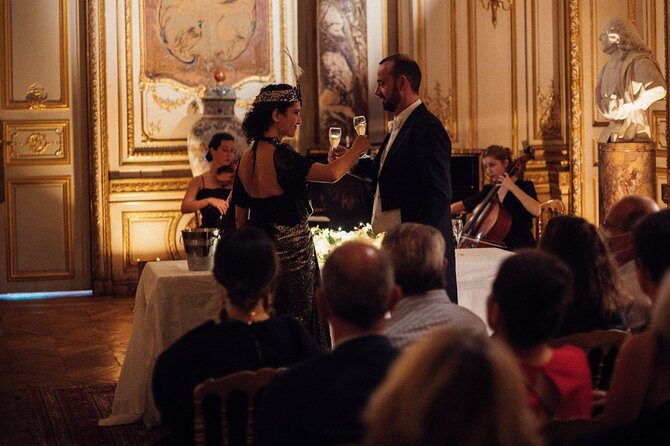
This experience is designed around intimacy. The opera follows the classic emotional arc—Violetta and Alfredo—but it’s presented in a way that’s meant to be understood and felt in close quarters, not watched from a distance.
That’s where you’ll want to manage expectations. One of the mixed notes from the overall feedback is that the production can feel condensed, and a few people found it harder to follow if they don’t already know the opera well. If you love opera primarily for the full-length pacing, big transitions, and extended musical scenes, this may feel “short” in the way it’s staged for the venue.
On the other hand, if you like chamber-style listening—where you can hear musicians clearly and feel like you’re inside the story—this format can work beautifully. In the more positive feedback, people consistently point to the intimacy and the strength of the musicianship, which is exactly what you want when the setting is designed for closeness.
Here’s my practical take: if you’re a serious opera attendee who expects a conservatory-level vocal and acting experience in a traditional production style, sit closer to the “high standards” side of the decision. If you’re after a special Paris setting and a story you already know, this concept often lands better.
Champagne With Violetta and the Salon Mood
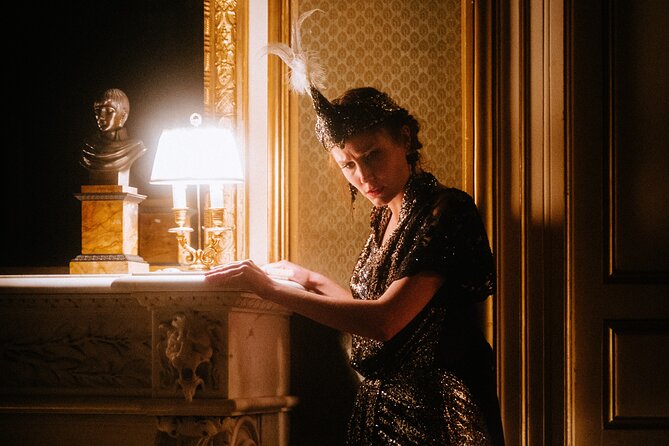
The Champagne isn’t an afterthought here. It’s part of the show’s staging concept, specifically described as you sharing a glass with Violetta. That small detail changes the tone of the evening: you’re not only listening; you’re also participating in the theatrical hospitality of the house.
It’s also why this is a strong choice for couples and “once-in-Paris” trips. The museum turns into a romantic stage set, and the drink moment gives the night a celebratory beat. A few people wished there were more drinks or more generous pacing, so if you’re coming in with a party-brunch mentality, adjust to “one glass as part of the script,” not an open bar.
Still, the Champagne timing tends to be the kind of memory that sticks. Even when people disagree on performance style, they often agree on the overall feeling of the setting and the elegance of the night out.
The Museum Tour Add-On You Should Actually Plan For
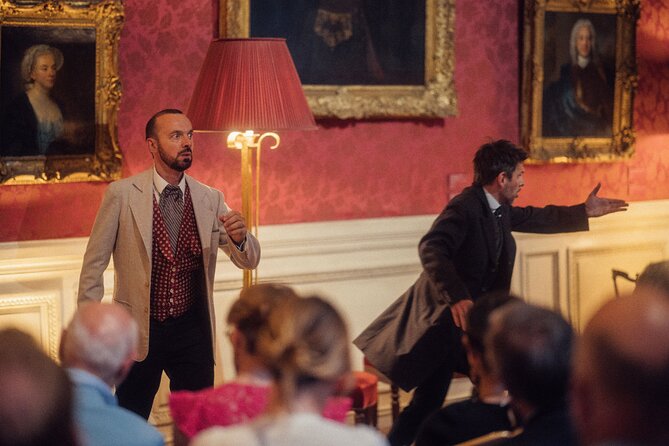
One of the best reasons to book this is what happens after the opera portion: when the performance ends, you get access described as a private tour of the museum’s prestigious permanent collection in the ground-floor salons.
This is where value shows up beyond the music. You’re not just buying an event. You’re buying a guided way to see the museum that you likely wouldn’t cover as effectively on a self-guided visit, especially if you only have a limited amount of time in Paris.
Practically, the tour portion also works well because it resets you after concentrated listening. You get a more normal pace again—looking, reading, asking questions—before you leave.
I’d treat this like a museum “must-see” segment, not a quick bonus. If you’re an art lover, it can be the part you enjoy most once the opera’s emotional intensity has faded.





Seats, Sound, and Lighting: Where Experiences Split
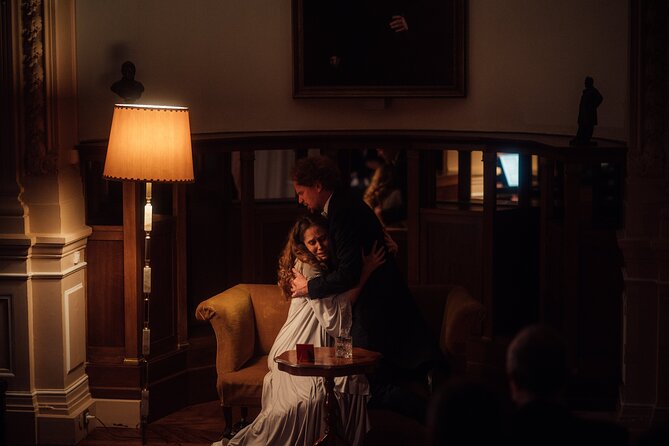
This kind of venue can be magic—until you hit the realities of sound design and sightlines. A few negative notes mention things like poor lighting, an out-of-tune piano in at least one instance, and singers whose delivery didn’t match expectations for drama or clarity. Others criticized acting and felt that performers didn’t seem to fully connect with the text.
What’s important for you is not to panic; it’s to calibrate your priorities:
- If your top priority is perfect sound and traditional opera-house staging, you may be disappointed.
- If your priority is setting, closeness, and the romance of hearing Verdi in a museum salon, you may feel like the venue makes the whole night.
Also, at least one person flagged that seat quality could vary and may feel a bit erratic. In practical terms, that means you should avoid buying this at the last minute if you’re picky about where you sit. If the booking process gives you seat information (not stated here), you’d want to check it carefully.
For lighting: in a museum, lighting is an art decision, not just a technical one. Expect mood lighting over pure stage visibility. If you rely on seeing a performer’s mouth for comprehension, you’ll want to have your expectations set.
Price and Value: Is $279.98 Worth It?
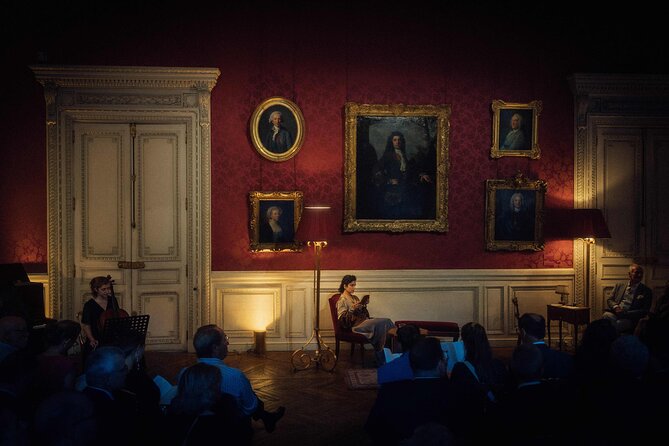
At $279.98 per person, this isn’t a budget opera night. You’re paying for a bundle: late-evening museum access, the performance itself, the Champagne moment, and the ground-floor permanent collection tour.
So when does it feel like good value?
- When you want a “Paris highlight” experience that combines two interests—opera and elite museum interiors.
- When you like smaller-scale performances and can relax about not having a traditional large-stage spectacle.
- When the English offering matters for you, especially for following the story during a condensed format.
When does it feel overpriced?
- When you come in expecting a top-tier, full-length, fully traditional opera production with big staging.
- When you expect multiple drinks or a more party-like hospitality model.
A helpful clue: the overall rating is 4.7 with 92% recommending the experience. That doesn’t mean every night is perfect, but it does suggest that the majority of people find the format worth the splurge—mainly because of the setting and the intimate performance experience.
Who This Booking Suits Best
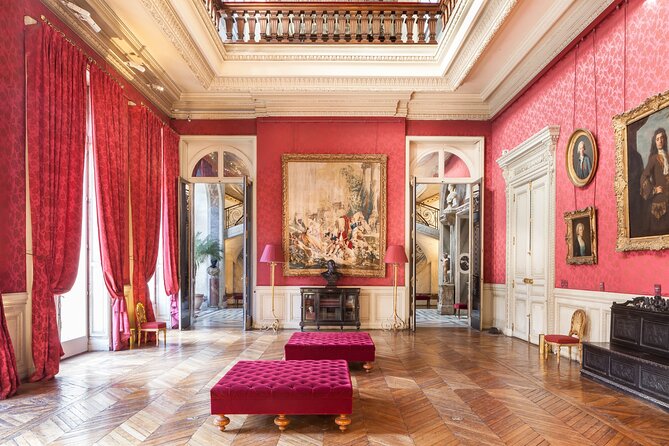
This works best for you if:
- You want a romantic, elegant Paris evening that feels connected to the city’s art world.
- You enjoy opera, but you also enjoy the idea of hearing it in close rooms rather than a large hall.
- You’re planning a short Paris trip and want a concentrated experience that covers both music and art.
It might be less ideal if you:
- Are a strict, traditional opera-house purist who expects full staging and uninterrupted, clearly delivered text.
- Are very sensitive to sound quality, since reviews include criticism about lighting, tuning, and how easily the performance was understood.
- Need lots of alcohol service as part of the enjoyment, since the Champagne is described as a single glass moment rather than a drinking package.
One more practical fit note: the experience is stated as offered in English, and it’s described as suitable for most travelers. If you’re going with friends, it can be a fun shared story—if everyone is okay with the venue-first concept.
Practical Tips Before You Go
Here are the common-sense choices that make or break nights like this.
First, treat your arrival time seriously. It’s a Monday evening slot in the museum hours window, so you’ll want to arrive with buffer time rather than rushing. You’ll also want to plan dinner beforehand, since this starts late and runs for roughly 1.5–2 hours.
Second, plan what you’ll wear. The overall vibe is described as elegant—one positive note specifically mentioned an elegant-dress request. You don’t need to arrive in couture, but arriving underdressed could make the evening feel less like the “special night” it’s aiming to be.
Third, decide what you want from the opera. If you know La Traviata well, you can appreciate it more even if it’s condensed. If you don’t, consider reading up on the story beforehand so you’re not trying to decode plot beats in real time.
Finally, remember it’s a mobile ticket experience. That’s usually convenient, and it also means you should have your phone charged and ready.
Should You Book This La Traviata at Jaquemart-André?
Book it if you want a small, elegant Paris night where opera happens among art-filled rooms, with the added bonus of Champagne and a guided look at the museum’s ground-floor collection. Based on the strong overall recommendation rate and the repeated praise for intimacy and musicianship, it’s the kind of experience that tends to delight people who like venue-and-story unity.
Skip it or think twice if you’re looking for a conventional, full-scale opera-house production with consistent clarity and drama, or if you’re very sensitive to sound, lighting, and “understanding everything perfectly” in a condensed format. This is more about the setting and intimacy than about giving you a traditional, large-theater experience.
If you want, tell me your travel dates (and whether you know La Traviata already), and I’ll help you decide if this is the best match for your trip.
FAQ
How long is La Traviata at the Musée Jacquemart-André?
It’s approximately 1 hour 30 minutes to 2 hours.
Is the experience available in English?
Yes, it’s offered in English.
What’s the ticket format?
You’ll receive a mobile ticket.
When does it run?
It lists sessions during 09/20/2025 – 06/28/2026, with the meeting time shown as Monday: 8:30 PM – 10:30 PM.
How far in advance is it typically booked?
On average, it’s booked about 71 days in advance.
What is the cancellation policy?
The experience is non-refundable and cannot be changed for any reason.