REVIEW · PARIS
Family-friendly treasure hunt at Opera Garnier
Book on GetYourGuide →Operated by LES OUVREUSES Paris · Bookable on GetYourGuide
A great family mission inside one of Paris’s icons. You get a playful treasure hunt in the Opéra Garnier, plus tickets included, all guided by a private licensed professional who’s there to keep kids moving.
Two things I really like: the story setup is made for kids (a missing costume mystery with riddles and clues), and the tour includes entry so you’re not juggling ticket logistics mid-adventure. One possible drawback to consider is that the experience can feel more kid-focused than adult-talk focused, and it’s not set up with headsets for your group, so busy moments inside the building can make hearing trickier.
In This Review
- Key points to know before you go
- Why the Opéra Garnier works for a kid-friendly mystery
- The 90-minute adventure flow: stairs, clues, and story momentum
- The missing costume case and how the story guides the walk
- How the treasure-hunt format keeps kids engaged
- Tickets, line-skipping, and the noise reality inside the building
- Price and value: $591 per group up to 5
- What to watch out for: strollers, bags, and possible auditorium limits
- Who this suits best (and who should consider other options)
- Should you book the Opera Garnier family treasure hunt?
- FAQ
- How long is the Opéra Garnier family treasure hunt?
- Where do we meet for the tour?
- Is it a private group?
- Are entry tickets included?
- What languages are the guides?
- Can we bring a stroller or large bags?
- Will we have access to the auditorium?
Key points to know before you go
- A private, licensed guide (English or French) built to manage kids’ attention.
- Treasure-hunt format with riddles and hidden clues that turn sightseeing into a mission.
- Tickets are included and you’ll skip the ticket line.
- The Opéra Garnier public areas are the main stage, and auditorium access can depend on rehearsals.
- Family-friendly rules: no baby strollers, luggage, or large bags.
- The case theme includes a poisonous hidden vial and “Phantom of the Opera” legend stops.
Why the Opéra Garnier works for a kid-friendly mystery
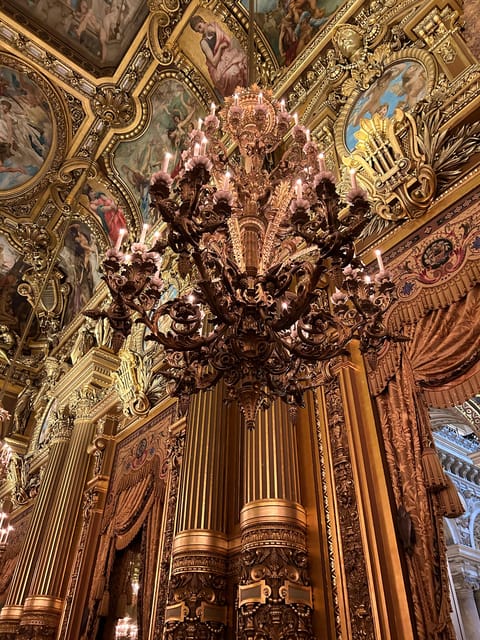
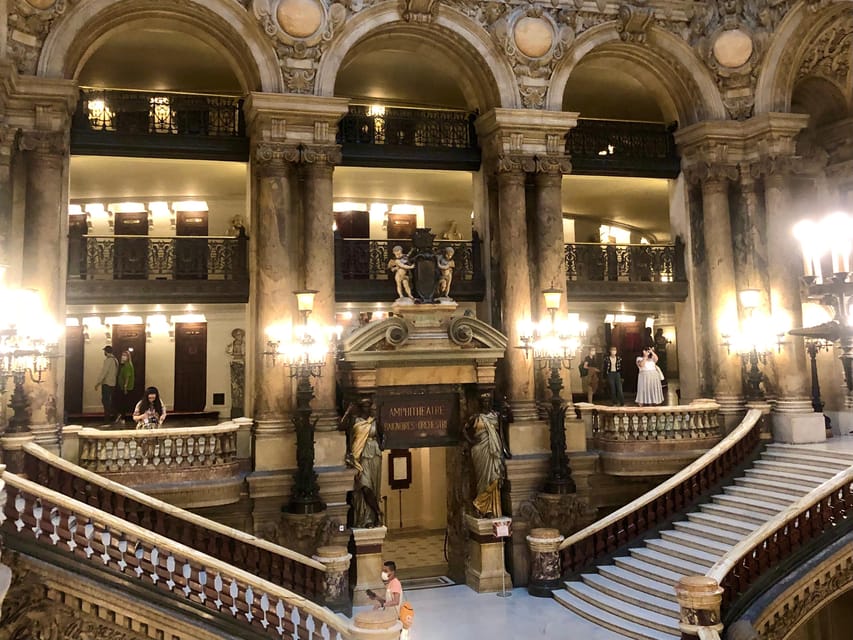
The Opéra Garnier is one of those Paris stops that makes adults go quiet and kids go wild. The building is dramatic, full of ornament, and packed with visual surprises. That’s perfect for a treasure hunt because kids don’t just look around; they’re given reasons to notice details.
What makes this tour feel especially family-ready is that it’s built around a plot you can understand fast: something important disappears, and the solution depends on what you find inside the opera house. Instead of waiting for a long lecture, children get clues and a reason to follow them from room to room.
And it’s not just about checking off a monument. The tour’s story leans into the Opéra Garnier’s famous legends, including the Phantom of the Opera atmosphere, so the setting feels like part of the game rather than just a background. That kind of “world-building” is how you keep attention without forcing it.
You can also read our reviews of more tours and experiences in Paris.



The 90-minute adventure flow: stairs, clues, and story momentum
You meet outside on the Opera’s stairs, on the left when facing the building. That matters because it gets you oriented quickly, and you start the hunt right away instead of spending the first 20 minutes trying to find a meeting room.
The tour lasts about 1.5 hours, which is a sweet spot for many families. Long enough to feel like an activity, short enough that kids are still in “game mode” and not in “why are we still here” mode.
Here’s the basic rhythm you can expect:
- You start with the mystery setup so kids understand the goal.
- Then you move through the Opéra Garnier’s public areas, following clue prompts rather than wandering.
- The guide keeps the momentum by turning each finding into a next step: look here, solve this, move on.
- The visit ends with the case feeling resolved or at least strongly advanced, so it doesn’t drag into a generic tour.
Also, since this is a private group, you’re not “on a schedule leash” with random strangers. Your guide can slow down for a question, speed up when everyone’s engaged, and generally tailor the pace to your group’s energy.
The missing costume case and how the story guides the walk
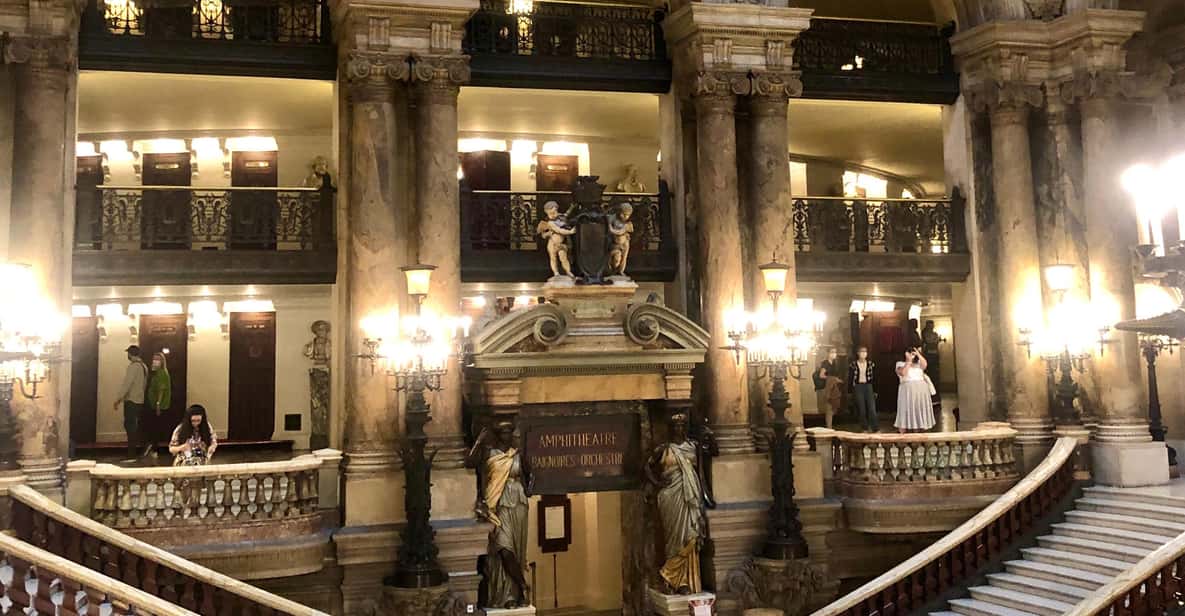
The treasure hunt is framed as a disappearing-act mystery inside the opera house. The prompt goes something like this: the stage is supposed to rise, there’s a classical ballet situation in play, and the prima ballerina’s costume is missing. The costume has to be found, and the opera house has already been searched—so the job falls to young detectives.
That plot is smart because it creates urgency without being scary. Kids aren’t dealing with danger; they’re dealing with puzzles. And costumes, stages, and the backstage feel of an opera house naturally connect to the kind of imaginative “detective work” that kids enjoy.
As you search, you’ll be nudged toward iconic parts of the building and toward details associated with Phantom of the Opera lore—think legends and hidden-corner vibes, not just “look at the ceiling.” The guide’s job is to connect the physical spaces to the clues so children can feel that their solving actually changes what they see.
One extra theme mentioned in the tour materials is a case involving a poisonous hidden vial in the world’s largest museum. I’d treat that as part of the broader mystery flavor, not a separate destination. The point for you: the tour isn’t limited to one single “look and read” task. The story has multiple problem beats, which helps keep variety high during the 90 minutes.
How the treasure-hunt format keeps kids engaged
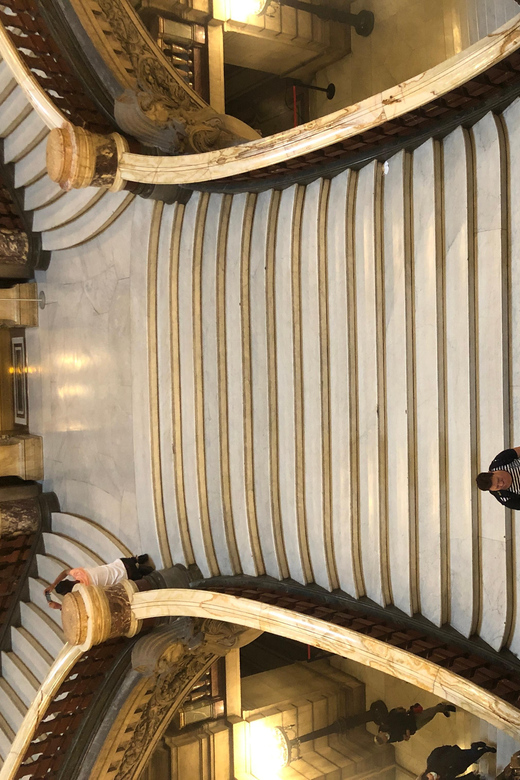
A regular guided tour can work for older kids, but for younger ones it often becomes passive listening. This one swaps passive listening for active searching. That’s why it’s designed around riddles and hidden clues.
The guide is a key part of the experience. A standout example is Anne-Laure, who has been praised for being especially kind and fascinating to children. That’s the difference between a guide who reads facts and one who can turn those facts into a game.
That said, there’s a practical consideration. In at least one unhappy experience, the guide’s attention stayed mainly on the child while adults waited on the sides, and the guide’s communication style didn’t feel interactive for everyone. Your best move if you want a balanced experience: bring questions and make it clear you’d like the adults involved too. A private group gives the guide room to adapt, but it helps when you set the expectation early.
Also, the structure may use a small booklet or question format rather than constant physical movement. If your child loves racing around, you’ll likely still be happy because it’s treasure-hunt based. But if your child gets bored with reading while standing, you’ll want to watch for how the activity plays out at the start of the tour.
Tickets, line-skipping, and the noise reality inside the building
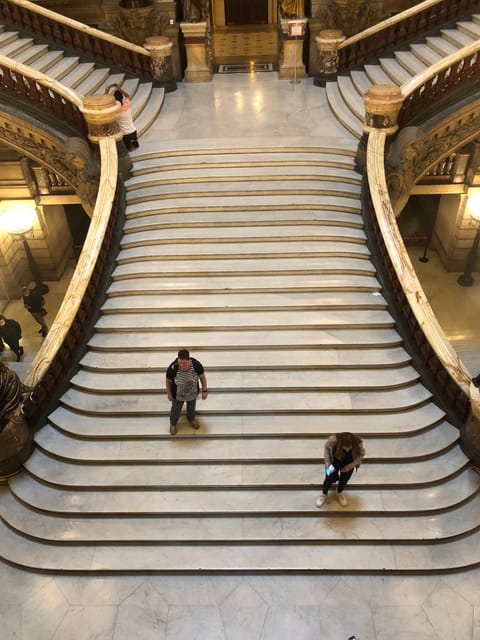
You’ll get entry tickets included, and you can skip the ticket line, which is a big value for a famous Paris site. The Opéra Garnier is popular. Anything that removes waiting time makes family travel easier.
However, it’s not a silent museum. The interior can be busy, and other groups may be using audio headsets to hear their guides. Your group does not use headsets as part of this arrangement. That means your guide relies on direct voice communication and your group’s ability to focus.
So here’s the practical tip: if you know you’ll struggle in noisy indoor spaces, come ready to lean in and listen. Positioning matters too. When there’s a lot going on, ask the guide to repeat the clue if needed, or shift your standing spot for better hearing. With a private group, you’re more able to adjust than you would be on a big group tour.



Price and value: $591 per group up to 5
The price is $591 per group, up to 5 people. That’s a private-tour price point, so the value only makes sense if you’re really getting “private” benefits: time savings, kid-focused engagement, and a guide who actively runs the mystery rather than just walking and narrating.
Here’s the simple math. If you bring the full group of 5, that’s about $118 per person max (based on the listed group cap). If you’re fewer than 5, the per-person cost climbs, so it matters that the experience includes tickets and line-skipping, and that the guide genuinely keeps the hunt moving.
When it’s best value:
- You have 3 to 5 people in your group and you want one guide to handle everything.
- You’re traveling with at least one child who does better with games than lectures.
- You want a structured visit so you don’t waste time figuring out what to do once you’re inside.
When you might feel it’s not value:
- If your group is mostly adults who just want a classic architecture tour, a treasure-hunt format might feel like extra energy for fewer payoff moments.
- If you expected frequent adult conversation and the guide focuses mostly on the child, you might feel like the experience didn’t match your personal style.
What to watch out for: strollers, bags, and possible auditorium limits
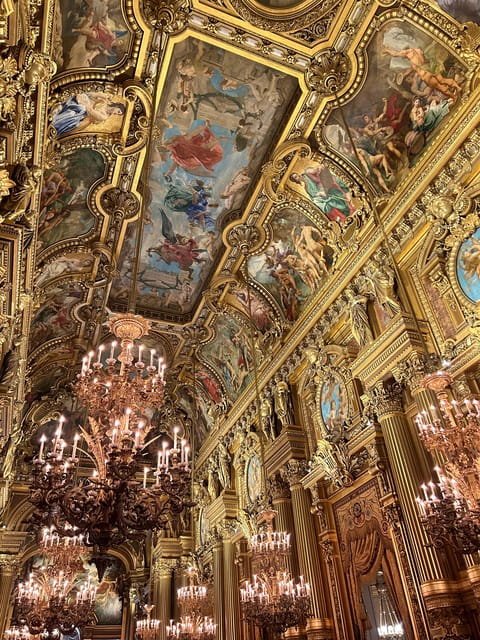
This tour has clear restrictions: baby strollers are not allowed, and luggage or large bags are not allowed either. If you’re traveling with a stroller, you’ll need an alternative plan (like parking the stroller outside and doing a carry approach, if that works for your family). For many families, that’s doable. For some, it’s the deal-breaker.
There’s also a heads-up about access. The Opéra Garnier can sometimes limit access to the auditorium if rehearsals are happening on the day. You won’t know this in advance, so set your expectations around public areas and the treasure-hunt route rather than a guaranteed full-stage experience.
Finally, keep the 1.5-hour duration in mind. If you’re traveling with multiple kids who need bathroom breaks or lots of snack stops, plan to do that before the meeting time. Once the mystery starts, you want kids calm enough to stay on clue mode.
Who this suits best (and who should consider other options)
This is a great fit for families who want an activity inside a major monument. If your kids like puzzles, treasure hunts, and stories, the Opéra Garnier’s setting turns the visit into something more than a checklist.
It’s also a good match for families who appreciate a private guide that can adjust to the group pace. You’re not being rushed through rooms while your child lags behind. The guide’s job is to keep the adventure flowing.
Where it may not fit as well:
- Families who want a quiet, traditional architecture tour with lots of adult-level depth might find the format too game-driven.
- Families expecting frequent adult back-and-forth should come with patience and set expectations with the guide right at the start.
- Anyone arriving with a stroller or large bags should rethink the plan, since restrictions are part of the deal.
Should you book the Opera Garnier family treasure hunt?
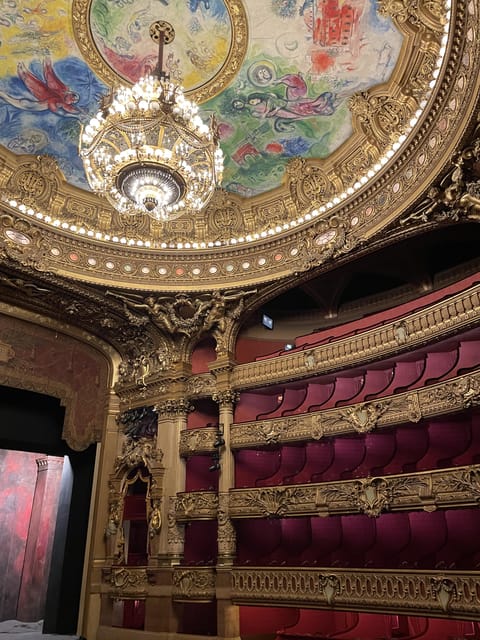
I’d book this if you’re traveling with kids who enjoy mysteries and you want a structured, time-efficient way to see one of Paris’s most beautiful interiors. The combination of private licensed guidance, tickets included, and a 90-minute treasure-hunt story is exactly the kind of setup that makes a family visit feel purposeful instead of exhausting.
I would not book it if your main goal is an adults-only, deep architecture and backstage tour. This is designed for the kid experience first, even when adults are present. And if you’re sensitive to hearing in busy indoor spaces, go in knowing you won’t have headsets for your group.
If you do book, here’s my best practical move: bring your child’s detective energy, and also bring one or two clear adult questions about what you’re seeing. That way you get the fun mission and you still leave with a few solid takeaways about the building.
FAQ
How long is the Opéra Garnier family treasure hunt?
It lasts 1.5 hours.
Where do we meet for the tour?
Meet outside on the Opera’s stairs, on the left when facing the Opéra.
Is it a private group?
Yes, it’s a private group for up to 5 people.
Are entry tickets included?
Yes. Entry tickets to the Opéra Garnier are included.
What languages are the guides?
The live guide is available in English and French.
Can we bring a stroller or large bags?
No. Baby strollers and luggage or large bags are not allowed.
Will we have access to the auditorium?
You may not have access to the auditorium if rehearsals are taking place on the day of your visit.
If you tell me your kids’ ages and how sensitive you are to noise, I can help you decide whether this treasure-hunt style is likely to feel fun or frustrating for your specific group.