REVIEW · PARIS
A City of Shadows: Dark Tales of Paris by Night
Book on Viator →Operated by Fat Cat Tours · Bookable on Viator
Paris at night hits different. This tour gives you a darker, stranger angle on classic landmarks, led by a native English guide and kept friendly with a maximum of 15 people. I especially like how it mixes big sights with human-scale storytelling, and I also love that it is small-group by design, so you can actually ask questions instead of just marching along. One thing to keep in mind: it runs in all weather, so you’ll want a jacket and shoes that handle wet sidewalks and uneven night streets.
The route is built for an evening stroll with several stops that each have a “before you knew this was here” feel. You’ll move from a former prison landmark to an infamous cathedral, then shift into iconic sights like the oldest bridge in Paris, plus a fountain and an abandoned department store stop. The only possible drawback is simple: it is history with a darker mood, so if you want pure postcard Paris, you might prefer a lighter walk.
In This Review
- What Makes This Tour Feel Different
- Paris After Dark with a Small Group (Up to 15)
- Starting at Pont Neuf and Ending at Hôtel de Ville
- The Former Prison Landmark: When Paris Turns Dark
- The Infamous Cathedral Stop
- Pont Neuf: The Oldest Bridge Angle
- Abandoned Department Store: Colorful Past, Quiet Present
- The Not-Ordinary Fountain Stop
- Ending at City Hall: The Closing Beat of the Story
- Guides Matter: Adam’s Energy and the Small-Group Tone
- Price and Value: Is $176.26 Worth It?
- Who This Tour Fits Best (and Who Might Skip)
- Weather, Night Walk Comfort, and What to Bring
- Should You Book A City of Shadows: Dark Tales of Paris by Night?
- FAQ
- How long is the tour?
- What language is the tour offered in?
- Where does the tour start and end?
- Is food and drinks included?
- How many people are in the group?
- What is the cancellation policy?
What Makes This Tour Feel Different
Small-group pacing (max 15) keeps it conversational and not just a photo line.
Dark-leaning storytelling turns familiar buildings into places with consequences.
After-dark timing helps the city feel more mysterious without needing fancy tech.
Multiple landmark types (prison, cathedral, bridge, store, fountain, city hall) give variety in 2 hours.
Adam-led praise in the reviews points to a guide who connects art, churches, and museums to the stories behind them.
Paris After Dark with a Small Group (Up to 15)
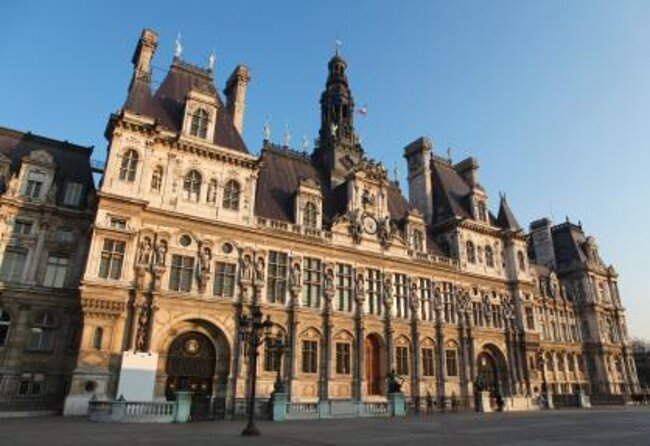
Paris at night is already a show, but this is the kind of tour where you’re meant to pay attention to what the streetlights reveal. The group size matters here. With up to 15 travelers, you get that sweet spot where you can hear the guide clearly, and you’re not stuck behind a wall of shoulders.
I like that it is built around a short evening window—about 2 hours—because you get a complete arc without eating up your whole day. If you’re only in Paris a few days, a focused night tour is also an easy add-on. You get a new way to look at places you might otherwise skim during the day.
If you prefer tours where you can ask follow-ups, this setup helps. One review specifically praised Adam for being passionate, funny, and very informative about the history behind artwork and historic buildings like churches and museum sites. That kind of guide energy makes a night tour work, because you’re relying on the human voice as much as the scenery.
You can also read our reviews of more city tours in Paris


Starting at Pont Neuf and Ending at Hôtel de Ville
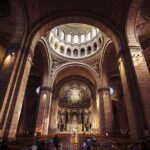
The meeting point is at Pont Neuf (75001 Paris), and the tour ends at Hôtel de Ville (75004 Paris). That matters for two reasons: you get moving quickly into a classic central area, and you finish near a major landmark hub where it’s easy to keep going afterward.
Pont Neuf is one of those places you recognize instantly, even if you don’t know its full story. Since the tour includes the oldest bridge in Paris, your night walk starts with the kind of geography that helps the rest of the route click. By the time you reach the end at city hall, you’re not just visiting spots—you’re building a mental map of the city’s center.
Also, starting near Pont Neuf and finishing at Hôtel de Ville means you’re not returning to a remote edge of the city. It’s practical if you’ve got dinner plans, museum tickets, or a show later. You can treat the tour like a story-based connector between daytime activities and your evening plans.
The Former Prison Landmark: When Paris Turns Dark
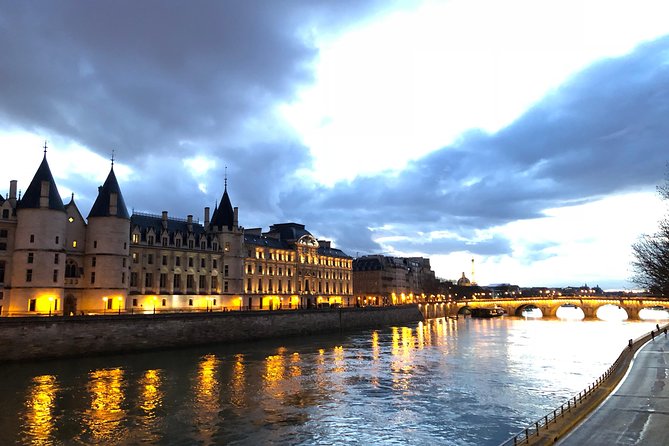
One of the first stops is described as a Parisian landmark and former prison. This is where the tour earns its name, because the mood shifts from “pretty buildings” to “consequences and confinement.” Even without naming every detail in advance, you can expect the guide to explain how the site’s past shapes what you see now.
I find this kind of storytelling works best at night, because the architecture feels less like a backdrop. Daylight makes everything look like an object in a postcard. At night, you start paying attention to doors, corners, and sightlines—exactly the kind of details that help you understand what it might have felt like to be inside.
A positive thread in the reviews is that Adam doesn’t just list facts. People praised him for connecting history to what’s visible, including the historical context behind artwork and religious buildings. If you like history that feels grounded in real space, this former-prison stop is likely the anchor point of the whole tour.
Possible consideration: if you’re sensitive to darker themes, the tone here may be more intense than a standard sightseeing walk. It’s not described as a scare-fest, but it is clearly framed as dark history.
The Infamous Cathedral Stop
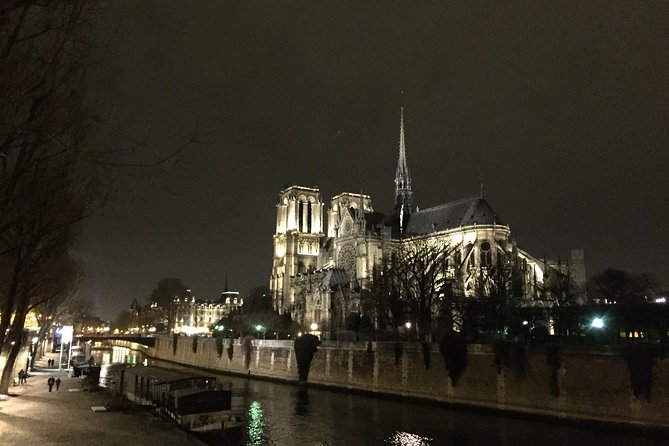
Next comes the infamous cathedral. A cathedral is already loaded with meaning—architecture, faith, and power—but the tour’s framing makes you look at it as a historical machine, not just a photo stop.
What I like about pairing a prison stop with a cathedral is the contrast. You go from a place of confinement to a place that historically shaped public life. That contrast helps you understand why certain Paris sites feel so charged even today.
This is also one of the moments where a strong guide matters. Reviews mention that Adam stayed highly engaged and shared history behind churches and other cultural sites. That kind of guide focus can turn a cathedral stop into a story you can carry with you, rather than an exterior you only pass by.
If you want to know what you’re seeing while you’re seeing it, this stop is built for you. If you show up wanting facts and atmosphere in equal measure, you’ll likely appreciate the way the tour handles the cathedral’s reputation.
Pont Neuf: The Oldest Bridge Angle
The itinerary includes the oldest bridge in Paris and it’s described as arguably the most beautiful. Even if you’ve heard of Pont Neuf before, a night walk with context changes how the bridge feels. It goes from “another river crossing” to a route through the heart of the city.
I like that the tour keeps this stop as part of an after-dark narrative. Bridges are natural viewpoints, and at night the lighting makes the Seine feel cinematic. More importantly, bridges are traffic in history—places where people moved, met, traded, and passed along news.
If you’re the type who likes to connect architecture to daily life, this bridge stop can help you understand the city’s shape. And because it’s early enough in the tour, it can act like a foundation for what you’ll hear later.
One practical note: bridges can be breezy. The tour runs in all weather, so dress for wind and damp air, not just temperature. Your feet will thank you if you wear shoes with good grip.
You can also read our reviews of more evening experiences in Paris





Abandoned Department Store: Colorful Past, Quiet Present
Another stop is an abandoned department store with a colourful history. This is the kind of stop that flips the typical “everything is still in use” assumption. In a city full of monuments, it’s a reminder that even major commercial Paris has eras of boom, decline, and reinvention.
At night, an abandoned building reads differently. Daytime tends to soften the edges with activity and traffic. After dark, you notice the silence and the oddness of a place once packed with shoppers.
I like that the tour includes this kind of site, because it makes the evening feel more like real Paris life across time, not just a highlight reel. It also breaks up the heavier themes from the prison and cathedral stops. You get a different flavor of “history,” one tied to commerce and public expectation.
Possible drawback: if you’re mainly into religious architecture or famous museum interiors, an abandoned store stop could feel less central. But if you enjoy odd corners of the city and story-driven urban exploration, it can be one of the most memorable moments.
The Not-Ordinary Fountain Stop
The tour also includes a fountain that is described as not your ordinary Parisian fountain. That wording is important. It suggests you’ll get an explanation that changes how you see a feature you might otherwise treat as background.
Fountains often sit in the flow of pedestrian life, so they can feel ordinary on a busy day. In contrast, a fountain stop on a story tour gives you permission to slow down. You’ll likely focus on symbolism, design choices, or a specific historical context that makes the fountain feel purposeful rather than decorative.
I think this is a smart choice within a 2-hour tour. It adds variety: you’re not only looking at major buildings. You also get a smaller landmark where details matter. And because it’s a more stationary stop, it gives your legs a chance to recover briefly during the walk.
Ending at City Hall: The Closing Beat of the Story
Your tour ends at Hôtel de Ville, Paris city hall. Ending here works because city hall is about civic power—rules, decisions, identity. After the prison, cathedral, commerce-related stop, and other dark-leaning context, finishing with a seat of government creates a kind of thematic closing.
This is also a practical ending point. Hôtel de Ville is central and easy to connect with transport and dinner. If you’re thinking like a logistics-minded traveler, ending in a major hub is a win.
I also like that the end point is distinct. It helps the tour feel like a proper arc rather than a random scatter of stops. You start at a bridge, move through charged landmarks, and finish at the civic center.
Guides Matter: Adam’s Energy and the Small-Group Tone
The consistent praise in the reviews is about the guide experience. People highlighted Adam specifically for passion, humor, and keeping the information tied to what you’re looking at. One review said he made sure you understood the history behind artwork, historic museum sites, and churches.
That matters because “dark history” can go two ways. It can become gloomy and abstract, or it can become human and clear. Based on the reviews you provided, Adam’s approach sounds like the second option. He’s not just reciting dates. He’s making connections so the city feels readable.
Another name that comes up is Abbie in a review that credited both guides with turning tours into immersive, immersive isn’t the exact word used, but the point is clear: history felt alive and engaging. In a small group setting, having more than one strong guide can also mean better pacing and a smoother Q&A flow.
If you want a tour where you feel taken care of, not rushed, the small-group size plus a guide who actively explains are a strong combination.
Price and Value: Is $176.26 Worth It?
This tour costs $176.26 per person for about 2 hours, and it includes a professional native English-speaking guide. No food or drinks are included, and there’s no hotel pickup or transportation provided.
For that price, the value really comes down to three things: the guide quality, the small-group format, and the after-dark access to story-based interpretation. If you’ve ever done a large, generic walking tour, you know how quickly it becomes a blur. Here, the maximum group size of 15 helps justify the cost if you care about understanding details while you walk.
You also get practical convenience: it’s a mobile ticket tour, and the meeting point is near public transportation. In a city where time is expensive, not needing complicated logistics can quietly improve the whole experience.
The main value trade-off is that you’re not paying for meals or included transit. So if you hate thinking mid-day and mid-evening, plan a snack or dinner before you go. If you already have your own timing sorted, the tour can feel like a smart add-on rather than a hassle.
Who This Tour Fits Best (and Who Might Skip)
I’d point this tour toward people who like Paris but want it with a twist. If you’re a history buff, the prison and cathedral framing alone is a strong reason. If you’re a horror fan, the dark theme is the draw, but it sounds more like atmospheric history than cheap thrills.
It also fits well if you like small groups and human storytelling. The reviews repeatedly credit Adam’s enthusiasm and humor, and that kind of guide connection tends to matter more on night tours because the environment changes fast.
If you prefer purely scenic strolls with minimal context, you might feel like you’re spending your evening on explanations rather than wandering. But if you enjoy learning what you’re looking at—why a building matters, what made it infamous, how the city’s parts connect—this tour is likely a good match.
Fitness-wise, the tour asks for moderate physical fitness level. In practical terms, that usually means you’ll be walking enough to pay attention to your shoes and pacing, especially after dark.
Weather, Night Walk Comfort, and What to Bring
The tour operates in all weather conditions, so you should plan like it might be wet or windy. Bring a jacket you can move in, and wear shoes with good traction. Night sidewalks can be slick, and bridges can add extra wind chill.
Because there’s no food or drinks included, think ahead. If you’re easily distracted by hunger, grab a light snack before the tour so you can focus on the guide’s stories. You’ll get the most out of it if you’re comfortable enough to listen for the full 2 hours.
Also, the tour is described as allowed for service animals, and it’s near public transportation. That’s helpful if you’re planning your day around transit and want minimal friction.
Should You Book A City of Shadows: Dark Tales of Paris by Night?
Yes, if you want Paris after dark with real explanations, not just a set of stops. The small group size (max 15) and the strong guide praise—especially around Adam’s passion, humor, and attention to the history behind what you see—are exactly the ingredients that make a darker-themed walking tour work.
Book it if:
- You like your history with atmosphere and context.
- You enjoy small-group tours where you can ask questions.
- You want to see central Paris in an evening setting from Pont Neuf to Hôtel de Ville.
Skip or consider a different style if:
- You want a carefree, light sightseeing tour.
- You don’t enjoy darker themes tied to prisons and infamous places.
- You strongly dislike walking for about 2 hours, even at a moderate fitness level.
If you’re on the fence, I’d treat this as an opportunity to re-see Paris through a different lens. Not everyone does the city with a story-first mindset, and that’s the kind of choice that often leads to the most memorable evenings.
FAQ
How long is the tour?
The tour lasts about 2 hours.
What language is the tour offered in?
It is offered in English, with a professional native English-speaking guide.
Where does the tour start and end?
It starts at Pont Neuf (75001 Paris, France) and ends at Hôtel de Ville (75004 Paris, France).
Is food and drinks included?
No, food and drinks are not included.
How many people are in the group?
The tour has a maximum of 15 travelers.
What is the cancellation policy?
You can cancel for a full refund up to 24 hours before the experience starts. If you cancel less than 24 hours in advance, the amount you paid will not be refunded.