REVIEW · PARIS
Paris: Private Day Trip to Champagne with 8 Tastings & Lunch
Book on GetYourGuide →Operated by My Winedays · Bookable on GetYourGuide
Champagne days move fast when you know where to look. This private trip is built around 8 tastings across at least two Champagne houses, plus a real masterclass with your wine expert guide and lunch pairings that teach you as you go. I also like the way the day includes the famous towns and the quieter vineyard roads, so it feels like Champagne beyond the souvenir shop.
One thing to plan for: underground caves are cold and damp, and there are lots of stairs in cellars and galleries. If you’re not ready for chilly, you’ll be reaching for your warm layer early, and if you need step-free access, this isn’t a great fit.
In This Review
- Key highlights worth penciling in
- Private Champagne from Paris: the real value is how the day is paced
- Pickup, croissants, and the drive out: start like a local
- The big estate visit: what you’re really paying for
- Masterclass and tastings: how to go from drinking to understanding
- Lunch at a family-run Champagne house or local restaurant: where the lesson sticks
- Second Champagne house tour: the contrast that makes the day click
- Epernay and Avenue de Champagne: panoramic views you’ll remember
- Côte des Blancs and Vallée de la Marne: UNESCO vineyards without the hassle
- Guides can make or break the day: what the best ones do
- Price and logistics: is this expensive, and is it worth it?
- What to pack and how to handle the cave temps
- Who this trip suits best (and who should look elsewhere)
- Should you book this Paris-to-Champagne private day trip?
- FAQ
- How long is the Champagne day trip from Paris?
- What does the tour include for Champagne tastings?
- How many Champagne houses do you visit?
- Is there a masterclass during the tour?
- Do you stop for lunch and Champagne pairings?
- Do you get pickup and drop-off from your hotel?
- What should I wear or bring for the cellar visits?
- What’s the cancellation and payment flexibility?
Key highlights worth penciling in
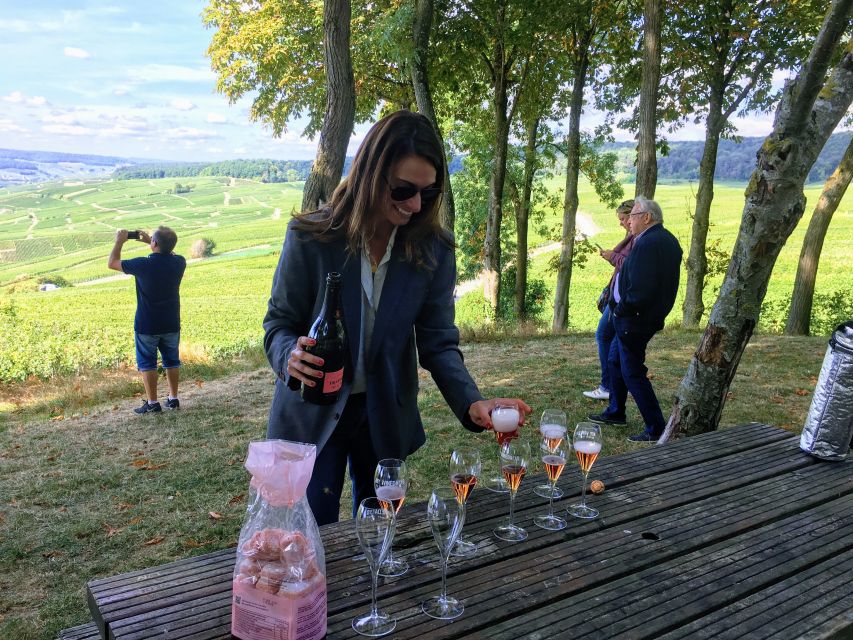
- 8 distinct tastings spread across multiple producers, so you taste variety, not just volume
- A guided masterclass that connects what’s in the glass to how Champagne is made
- Big name + smaller house mix, which is great if you want both history and character
- A Champagne lunch pairing that includes food alongside pours, not pours in isolation
- Epernay stroll and Avenue de Champagne views, with time to breathe between tastings
Private Champagne from Paris: the real value is how the day is paced
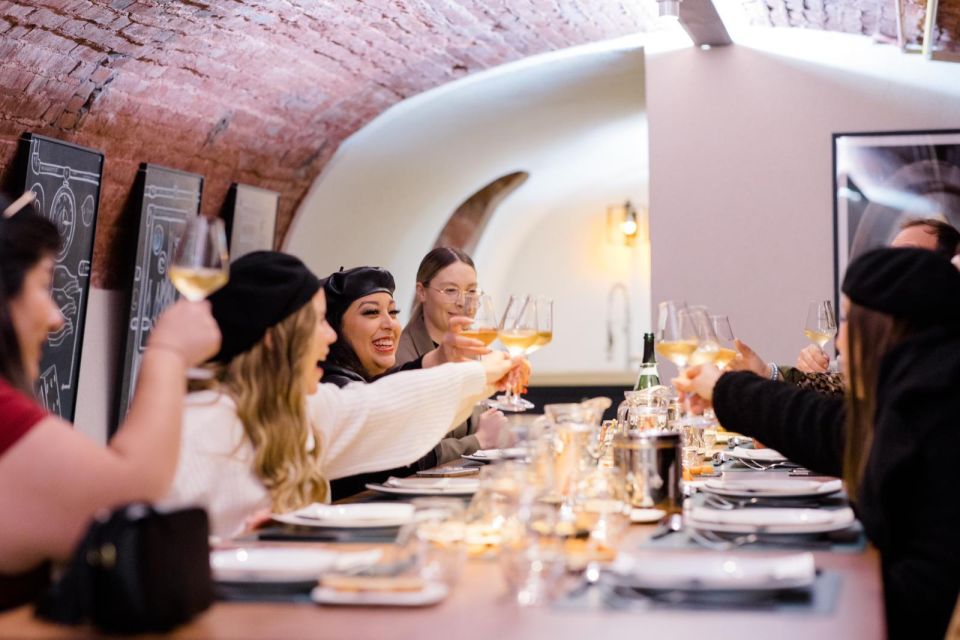
A Champagne day trip can turn into a blur: drive, tour, taste, repeat. This one is different because it’s structured so each stop has a purpose. You get private transport door-to-door from Paris, and the timing is designed to keep the visits feeling human instead of rushed. That matters, because Champagne tasting is about noticing details, not just collecting stamps.
The headline is the tasting count: 8 Champagne tastings across at least two Champagne houses. That sounds like a lot, and it is, but the smarter part is how the day connects those tastings to what your guide says on the ground. You’re not just walking through pretty rooms—you’re learning the logic behind style, aging, and grape character while you taste.
I also like that the day includes both a guided tour (so you see production spaces and methods) and a meal that’s treated like part of the lesson. The lunch is paired with Champagne, and you’ll also encounter ratafias (a local flavored fortified wine) alongside food. That combination helps you understand how Champagne behaves with real bites, not only on its own.
The “private” piece is the quiet upgrade. Fewer group-management headaches means your guide can adjust pacing if the timing between tastings needs a tweak, and you can ask questions without feeling like you’re competing for attention.
You can also read our reviews of more private tours in Paris

Pickup, croissants, and the drive out: start like a local
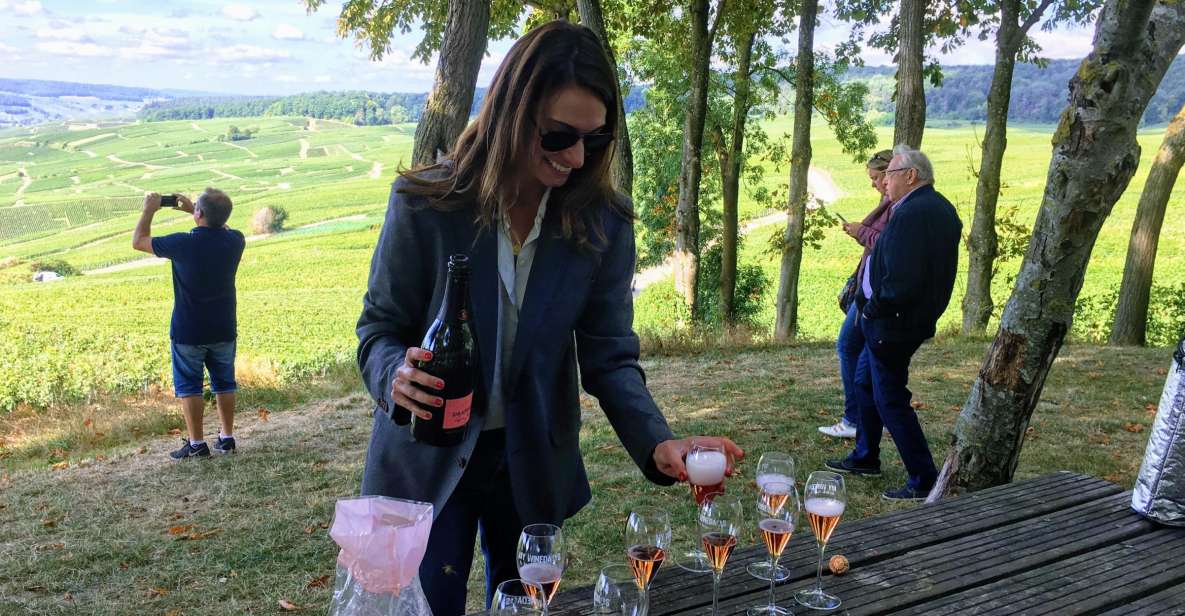
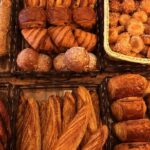
Your day kicks off with pickup from your hotel in central Paris (if you’re in the core area). Then you head out in a private minivan with a driver who’s also a wine expert, which is handy because the ride becomes part of the education. You’ll also have croissants on the way, turning the start of the day into a small ritual rather than a frantic departure.
Once you’re out of the city, plan for an easy rhythm: sit back, watch the scenery shift, and let your guide set context. This is one of those days where being relaxed improves the tasting. If you’re stressed at the start, everything after tastes like noise.
The drive time is about two hours each way, and in the middle you get a full schedule of stops and tastings. In other words, you’re not wasting half your day staring at highway signs. You’re also not trapped in an all-day group tour with constant schedule shoving. It’s a full day, but it’s built to feel organized.
The big estate visit: what you’re really paying for
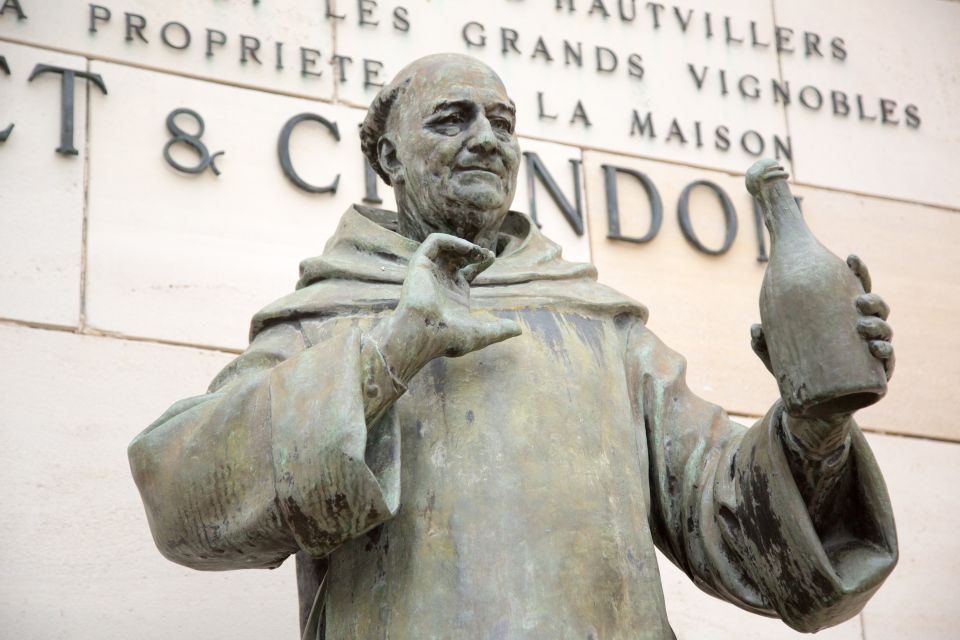
The first major Champagne house stop is built around a guided tour and a tasting that typically lasts around 1.5 hours. The specific producer can vary, but you might visit a heavyweight such as Moët & Chandon, Mumm, Veuve Clicquot, or Mercier. Even when the brand is famous, the payoff here is the guide’s interpretation of what you’re seeing.
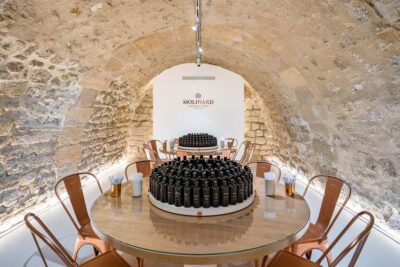
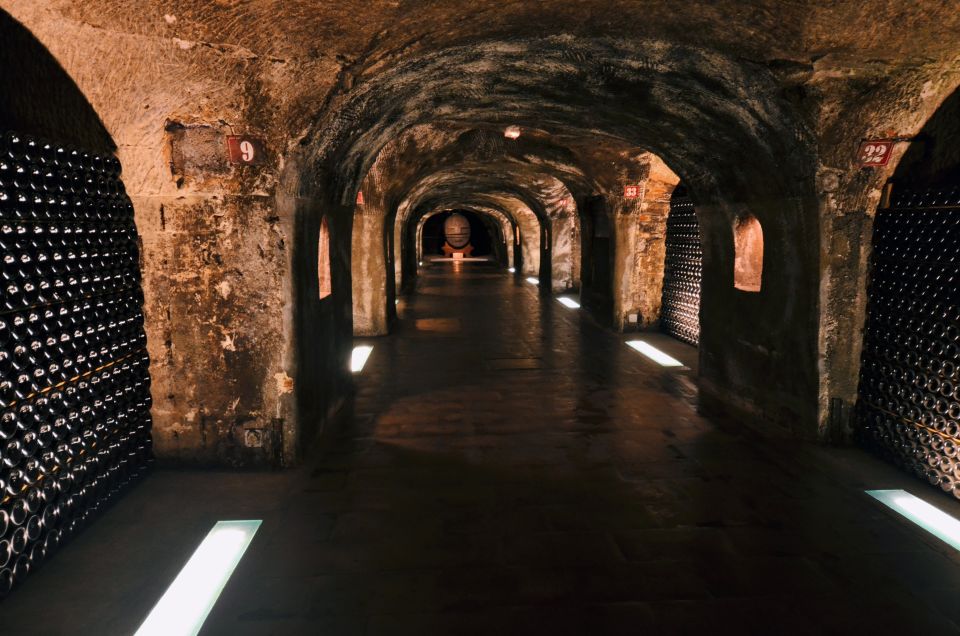
In these bigger estates, you’ll usually spend time in areas connected to production and aging—often including underground galleries and caves. This is where temperature drops fast. The tour details say caves and cellars are usually quite cold and damp (around 45°F/10°C / 10°C), so bring a layer even if you start the day in warm Paris weather. Comfortable walking shoes also help because there are a lot of stairs in some cellar settings.
What I like most about this phase is that it gives you a baseline. If you only taste at one place, you end up thinking that one style is Champagne “in general.” After a big-name estate, you get a reference point—more consistent and widely recognized—so the later tastings from other producers actually mean something.
Masterclass and tastings: how to go from drinking to understanding
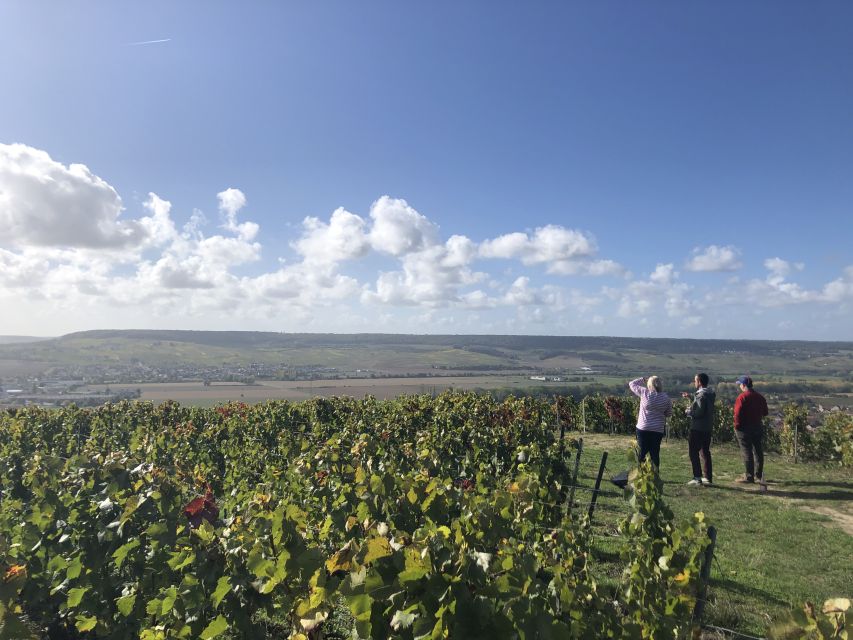
After the first tour, the day centers on a more classroom-style element: a masterclass led by your wine expert guide. Depending on weather, this is referenced as happening in a certain timeframe (it may be adjusted around April conditions), but the intent is consistent: explain Champagne like a system, then test that understanding immediately with tastings.
This is the best moment to slow down. Instead of rushing from one glass to the next, use your guide’s framework. Ask what you should notice first—aroma, acidity, mousse, length on the palate. Your goal isn’t to become a sommelier by lunch. It’s to build the habit of tasting with a purpose.
The day’s structure supports that learning. Since you’re tasting eight different Champagnes, you can compare styles across producers and understand why the differences exist. You’ll also taste Champagne and food pairings at lunch, which reinforces the ideas from the masterclass. The result is that you leave with more than happy memories—you leave with tools for ordering Champagne later without feeling clueless.
Lunch at a family-run Champagne house or local restaurant: where the lesson sticks
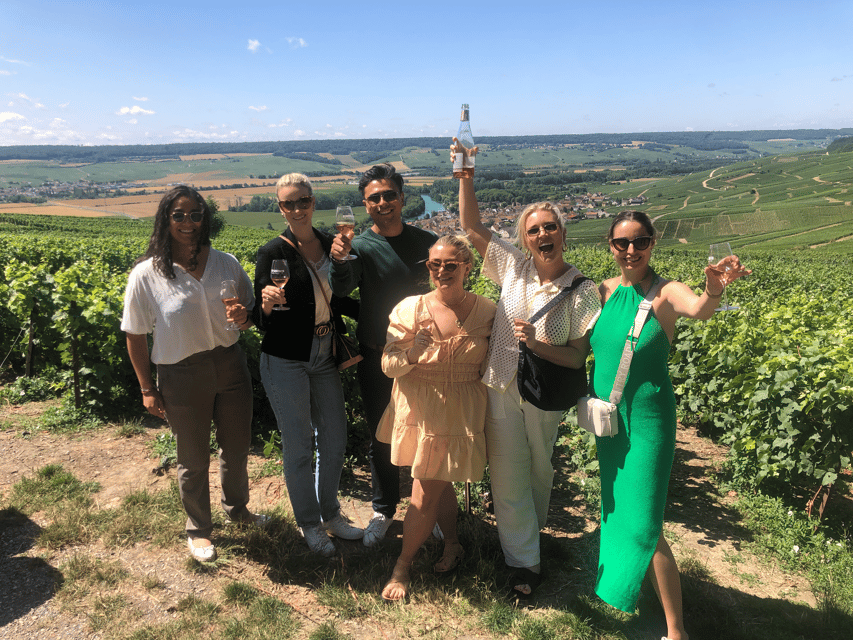
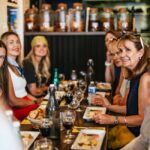
Lunch is not an afterthought here. You spend about two hours at the lunch stop, which typically includes coffee, tea, and Champagne tasting, plus food pairing. The description also points to a local-food approach, including pours beyond standard Champagne.
This is where you should expect the flavors to turn more practical. Champagne on an empty stomach can blur together. Champagne with bread, regional bites, and the right pairings becomes clearer. You’ll notice acidity and texture in a way that’s hard to get from small sips in a cellar.
A particularly interesting detail is the mention of ratafias paired with local food. Ratafia isn’t always on the radar for visitors, so it’s a good chance to experience something more region-specific than just the main Champagne styles. If you enjoy exploring beyond the obvious label, this part is worth paying attention to instead of treating lunch as a break from the tasting.
Also, the pace matters. Since you’re not just scarfing food and being herded out, you can actually talk with your guide, ask what each pairing demonstrates, and decide what you liked best. That turns lunch into a tasting lab with plates.
You can also read our reviews of more wine tours in Paris
Second Champagne house tour: the contrast that makes the day click
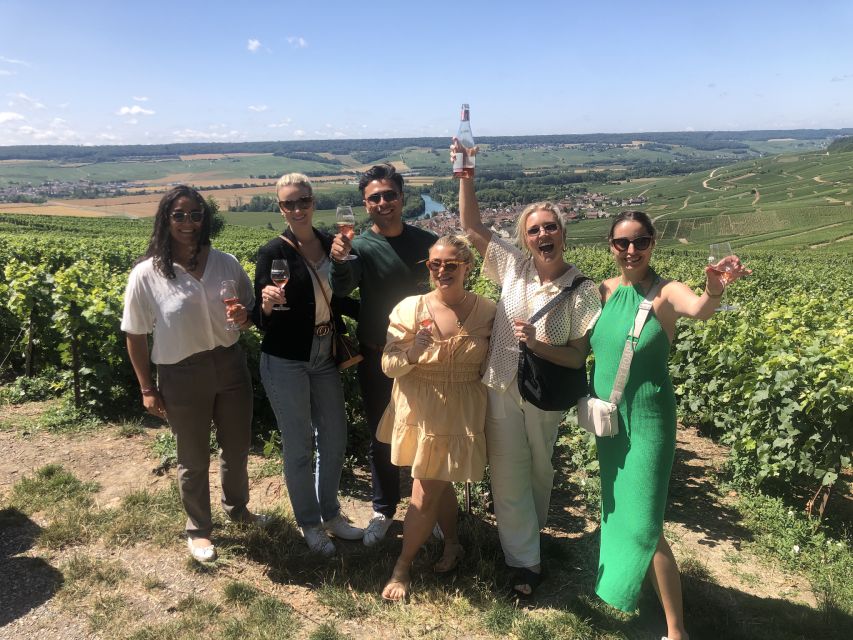
After lunch, the schedule goes to a second Champagne house, again with a guided tour and tasting lasting about 1.5 hours. This second stop is where your day turns from “see and drink” into “compare and choose.”
Because you’re already tasted one producer’s style in the morning, you now get a contrast. That contrast is the point. Champagne can feel similar when you sip quickly, but it’s not truly uniform. Producers emphasize different blends, aging approaches, and house styles. A second tour helps you understand which differences are about technique and which are about house character.
If your group wants to customize, the details say the visited wineries can be changed upon request (and may affect price). That’s useful if there’s a specific house you care about, or if you’d rather focus more on a smaller family operation than the big estates.
Epernay and Avenue de Champagne: panoramic views you’ll remember
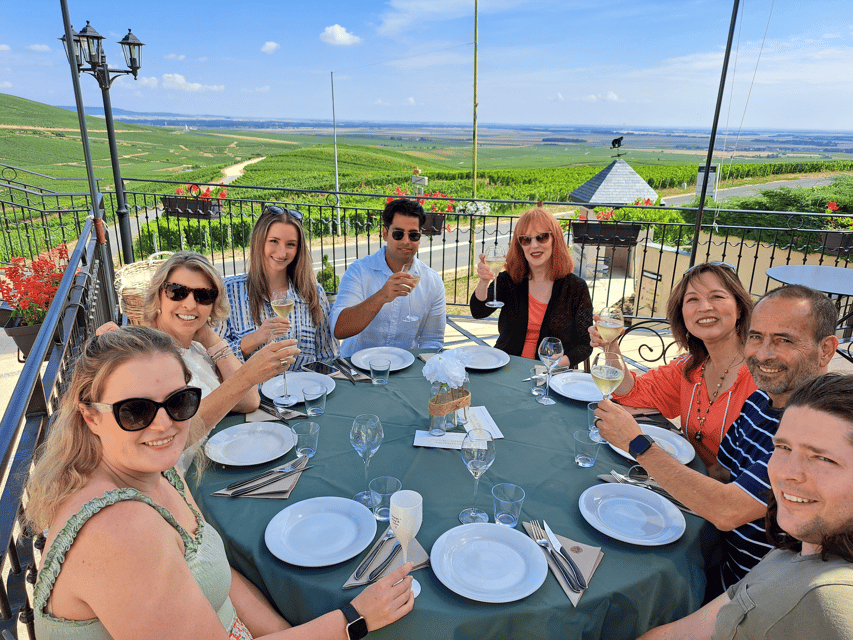
Between tastings and after lunch, the day includes a walk along the Avenue de Champagne in Epernay and time for panoramic views. This is one of those parts that makes the day feel like a place, not just a sequence of cellars.
Epernay is where the Champagne world is visually obvious—architecture, signage, and the sense that the town exists for these producers. Walking this avenue gives you perspective on why Champagne is more than a drink. It’s a local economy, a landscape of brands, and a culture shaped by decades of craft.
You’ll also get a breather from the intensity of tastings. That’s underrated. When your brain has a few minutes to reset, you taste better at the next stop.
Côte des Blancs and Vallée de la Marne: UNESCO vineyards without the hassle
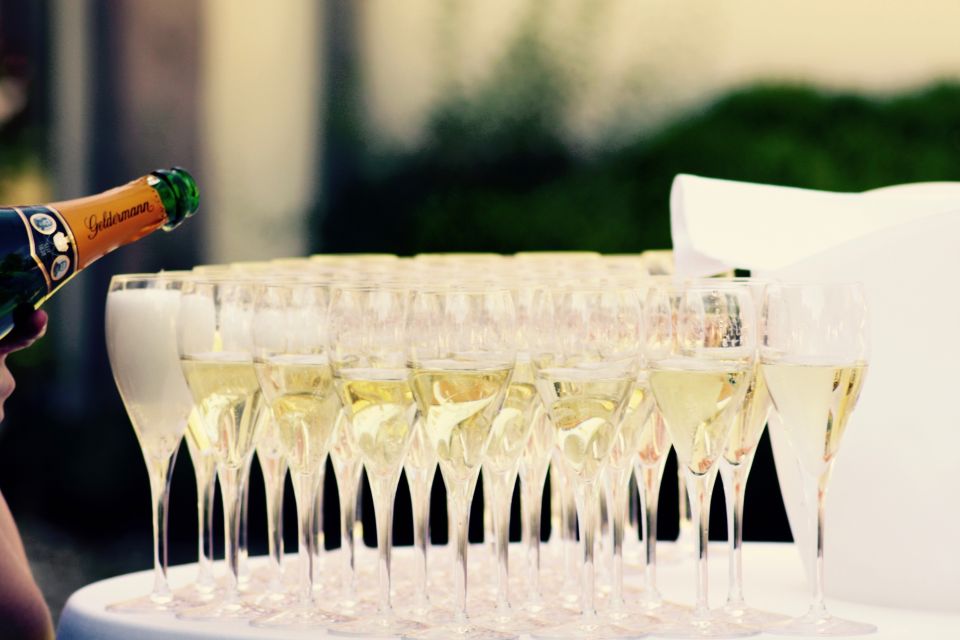
After Epernay time, you get scenic drive segments through the Côte des Blancs and the Vallée de la Marne, both known for vineyard heritage and referenced as UNESCO-listed vineyards. The experience here is about seeing the region from the road while your guide points out what matters.
This isn’t a hike-focused day. It’s a comfort-first, tasting-first tour with the benefit of vineyard scenery in the background. You’re not expected to plan bus routes or figure out how to reach viewpoints. You just ride and look, which is exactly what you want on a day where you’re also tasting multiple wines.
Guides can make or break the day: what the best ones do
The reviews attached to this experience strongly highlight guide quality, and you can see the pattern: excellent guides don’t just know Champagne facts—they shape the flow of the day.
I’ve seen names like Célia, Artem, Nicholas, Lionel, Marion, and Jean Batiste come up for standout performance. People praise them for being adaptable, well-organized, and genuinely good at explaining Champagne in plain terms.
One detail worth noting: one guide (Nicholas) is described as including a stop at Dom Pérignon’s grave as part of the day planning. Since that isn’t guaranteed in the fixed outline, treat it as a possible add-on that a skilled guide may be able to work in. It’s still a useful idea: if Dom Pérignon matters to you, mention it to your guide early, because the best tour leadership finds these moments.
The “best guide” trick is simple. They help you taste with intention and keep the pacing so you don’t reach the end feeling tired or overloaded.
Price and logistics: is this expensive, and is it worth it?
This tour is listed at $1,817 per group, with a note that it’s up to 1. That means you’re paying for privacy and for expert-led experiences, not splitting costs like you would on a mass-group bus.
So is it good value? For the right person, yes—because the day includes:
- hotel pickup and private minivan transport
- visits to at least two Champagne houses
- 8 Champagne tastings
- a Champagne-and-food pairing lunch
- a masterclass with a wine expert guide (with conditions depending on timing/weather)
If you’re a couple or a small private group, it can feel like a lot—especially because it’s a full-day schedule. But if you care about tastings, guided context, and not spending your day figuring out transport, the cost starts to look more like “buying a smooth, informed day.”
My practical rule: if you’re the kind of traveler who would otherwise spend money on taxis, admission tickets, and a patchwork schedule, this private format can be the smarter spend. If you just want a casual drink without tours, you could do cheaper. But if Champagne is a highlight of your trip, paying for the structure is usually worth it.
What to pack and how to handle the cave temps
Plan for two temperatures: outside in the countryside and inside caves/cellars. The tour notes the cellar conditions as cold and damp (around 10°C / 45°F). That doesn’t mean you’ll be freezing, but you’ll definitely want a layer.
Bring:
- a warm layer for cellar stops
- comfortable walking shoes for stair-heavy galleries
- a light jacket you can take on and off between venues
Also keep in mind the day is not wheelchair accessible because there are lots of stairs in underground galleries. If mobility is an issue, this is the part to flag early.
Finally, remember it’s a tasting day. Even with a guided flow, pace yourself and drink water as needed during the day. Let the pairing lunch slow down the intensity in a good way.
Who this trip suits best (and who should look elsewhere)
This is ideal if you:
- want private comfort with no transit planning
- care about learning while you taste
- like both big-name producers and smaller, more personal operations
- want a full Champagne day without sacrificing your whole schedule
It’s also a good pick for food-and-wine travelers because lunch is part of the tasting education, including food pairing and regional elements.
It might not fit if you:
- need step-free access
- prefer minimal alcohol experiences (this is built around multiple tastings)
- hate cold environments, since caves and cellars are expected to be chilly
Should you book this Paris-to-Champagne private day trip?
Book it if Champagne is on your must-do list and you want a day that’s organized, guide-led, and tasting-focused. The big reason to choose it is the combination of eight tastings, a masterclass, and a pairing lunch—plus private transport that keeps the day smooth from pickup to drop-off.
Skip it if you’re looking for a simple, casual sip with minimal walking and no cellar time. This tour is for people who enjoy structure, learning, and the thrill of comparing styles across producers.
If you do book, one smart move is to tell your guide what you care about before the first tasting—examples could be house preferences, sparkling style (brut vs. more complex cuvées), or whether you’d like any added historical stop work. A guide who can adapt can turn a great Champagne day into a memorable one.
FAQ
How long is the Champagne day trip from Paris?
The total duration is 11 hours, including pickup, transport, tours, tastings, and the return to Paris.
What does the tour include for Champagne tastings?
You get 8 Champagne tastings, plus a Champagne and food pairing lunch. The lunch stop also includes tasting time and drinks like coffee and tea.
How many Champagne houses do you visit?
You visit at least 2 Champagne houses during the day, with guided tours and tastings at each.
Is there a masterclass during the tour?
Yes. The day includes an authentic masterclass led by your wine expert guide, depending on weather conditions from April.
Do you stop for lunch and Champagne pairings?
Yes. Lunch is served with Champagne pairings, and the schedule allows about two hours at the lunch stop.
Do you get pickup and drop-off from your hotel?
Yes. Pickup and drop-off are included, with pickup from your hotel if it’s located in central Paris.
What should I wear or bring for the cellar visits?
Caves and wine cellars are usually quite cold and damp (45°F/10°C). Bring warm clothes or layers, and wear comfortable shoes.
What’s the cancellation and payment flexibility?
There is free cancellation up to 24 hours in advance for a full refund, and you can reserve now and pay later to keep travel plans flexible.