REVIEW · PARIS
Paris for first-timers – from Notre-Dame to the Louvre
Book on GetYourGuide →Operated by Discover Walks · Bookable on GetYourGuide
Two hours, and suddenly you get Paris. This walk stitches together Notre-Dame to the Louvre with English storytelling, tight photo stops, and a small-group pace that works whether it’s sunny or drizzly. You’ll move through major landmarks like you know the city already, not like you’re winging it.
One thing to plan for: this is a outside-focused highlights tour, so entrances aren’t included and most stops are short. If you want deep time inside every site, you’ll likely need to pair this with tickets for the one or two places you care about most.
In This Review
- Key things that make this tour worth your time
- A first-timer route that actually helps you understand the city
- Where you start (and how you avoid the classic Paris meetup chaos)
- Notre-Dame: the story starts on the island of Paris
- Sainte-Chapelle: stained glass that makes you look up on purpose
- Palais de Justice and the route to the Conciergerie
- Conciergerie and Marie-Antoinette: when the story hits a real wall
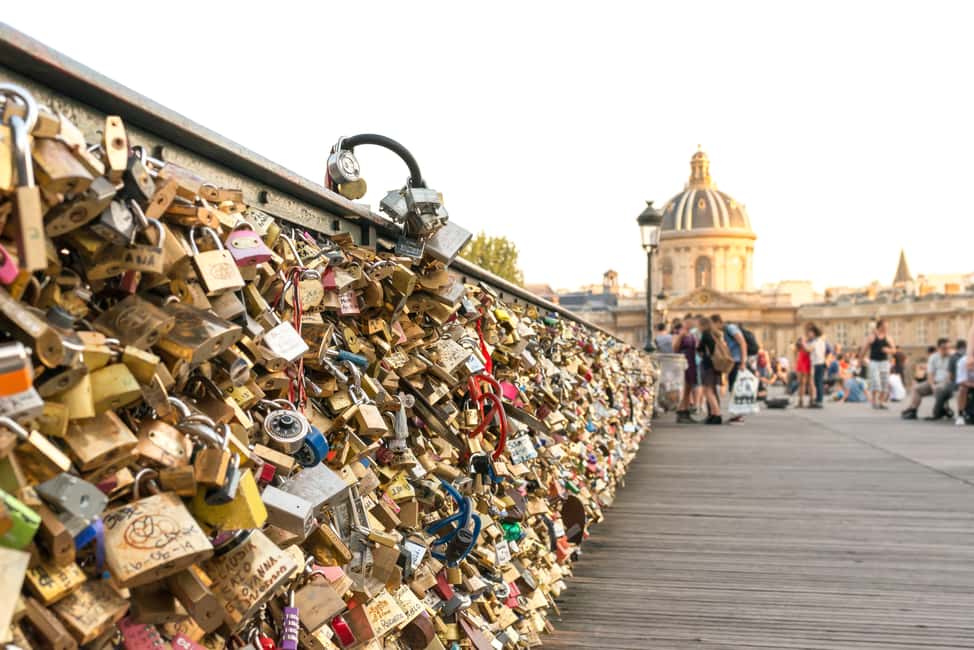
- Pont Neuf and Pont des Arts: classic bridges, better-than-you-think views
- Louvre Pyramid to Old and New Louvre: getting your bearings fast
- The quick Louvre museum moment: enough for direction, not enough for everything
- The hidden add-ons that make it feel like more than a checklist
- Rain or shine, and why the walk is short enough to feel doable
- Price and value: why $17 can make sense in Paris
- Who should book this tour, and who should skip it
- Should you book Paris for First-Timers – from Notre-Dame to the Louvre?
- FAQ
- What language is the tour in?
- How long does the tour take?
- Where do I meet the guide?
- What if I miss the start time?
- Are monument entrances included?
- Does the tour run in bad weather?
- What should I bring?
- Is the tour wheelchair accessible?
- What’s not included in the price?
Key things that make this tour worth your time
- Small-group, English-only guiding keeps explanations clear and questions welcome.
- No-museum-overload approach: you see the big sights without spending your whole day in lines.
- Movie-like Paris visuals with skyline, river-bend views, and classic bridge angles.
- Marie-Antoinette through the Conciergerie lens, with the story pinned to a real place.
- Fast Louvre orientation so your next visit makes sense instead of feeling random.
- Rain or shine with a route designed for walking, not stopping under one roof.
A first-timer route that actually helps you understand the city
Paris can feel like a blur of names: Notre-Dame, Louvre, Seine, bridges, palaces, emperors. This tour is helpful because it doesn’t just list sights. It puts them in a story line, so you start seeing how medieval Paris connects to royal Paris and then to modern museum Paris.
And the walking rhythm matters. You’re not stuck in one spot forever. Each stop is long enough to reset your bearings, take pictures, and absorb the guide’s explanation. That pacing is great if it’s your first trip and you want an overview fast, before you start choosing what to go back to later.
You can also read our reviews of more tours and experiences in Paris.



Where you start (and how you avoid the classic Paris meetup chaos)
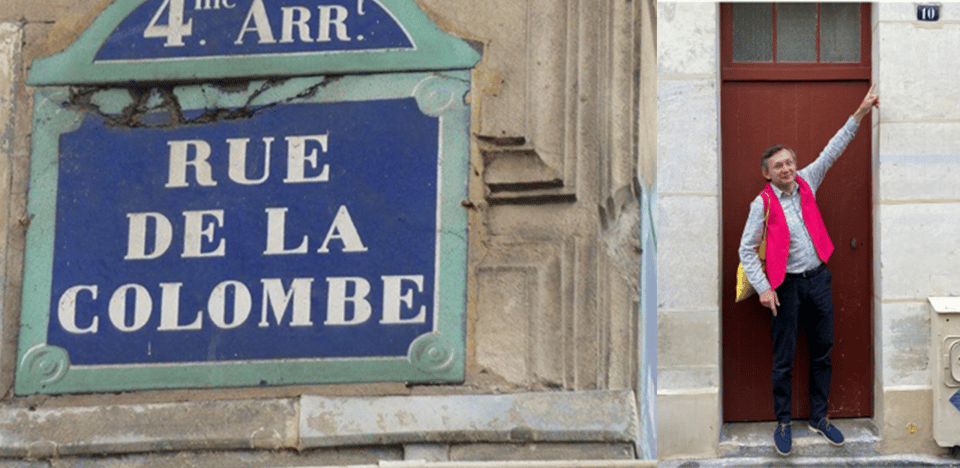
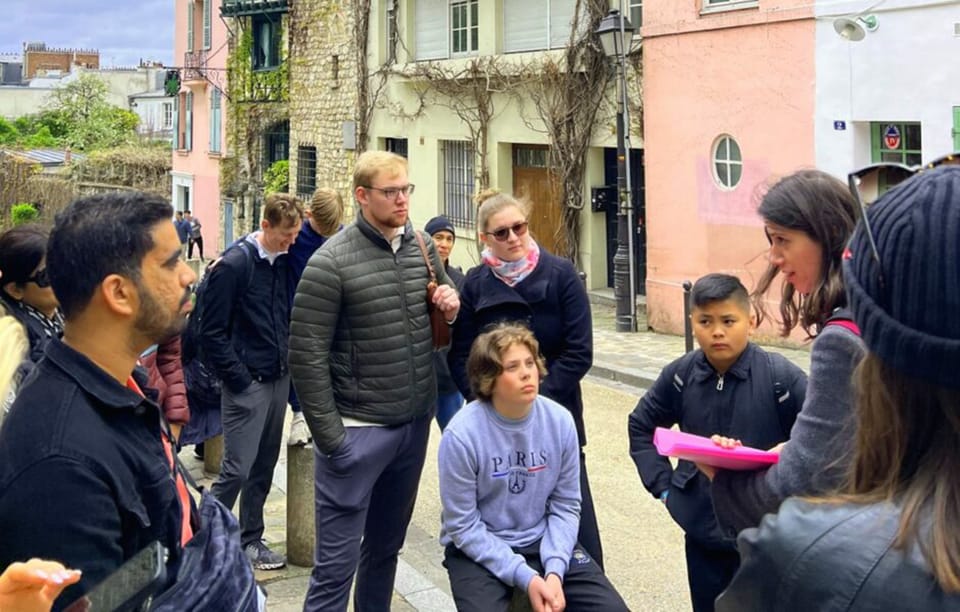
You meet your guide at the Horseman Statue in front of Notre-Dame, with a guide wearing a bright pink vest you can’t miss. If you somehow miss the start, there’s a clear fallback spot: 15 to 20 minutes later you can catch the group at 1 rue de Lutèce.
That sounds small, but it’s big for peace of mind. Paris streets can be confusing, and people show up from different directions. The tour’s setup gives you a practical way to regroup fast instead of wandering while everyone else moves on.
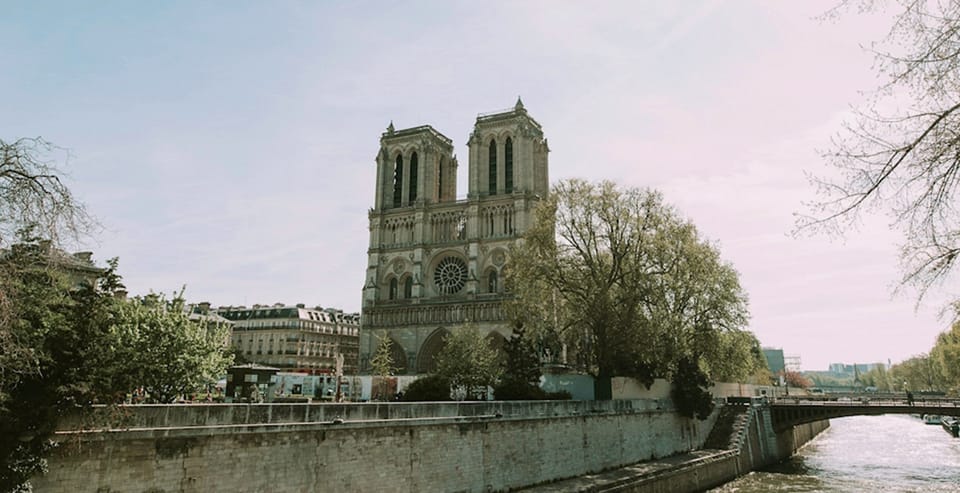
Notre-Dame: the story starts on the island of Paris
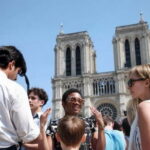
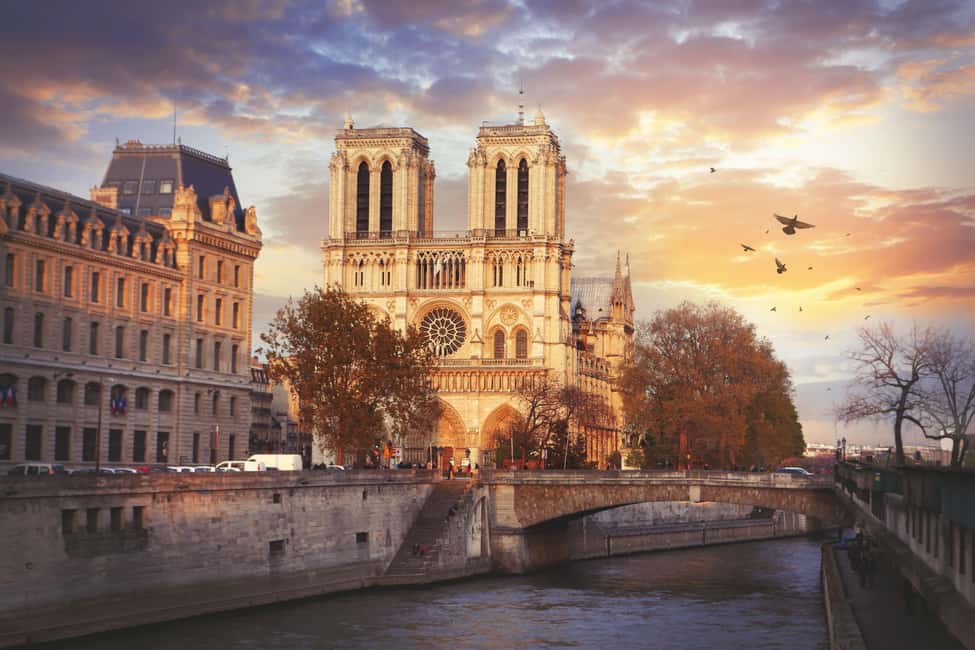
The tour kicks off near the Statue de Charlemagne et ses leudes, then heads to Notre-Dame Cathedral for a short sightseeing stop. This is the moment where the guide frames what you’re looking at, not just what it’s called.
Why this works for first-timers:
- Notre-Dame isn’t only a postcard. It’s a landmark of how Paris grew, both physically and politically.
- Seeing it early helps everything after feel connected. The tour keeps pointing back to themes you’ll recognize as you go.
Time at this stop is about 10 minutes, so don’t treat it like a slow cathedral visit. Treat it like a launchpad: get your photos, listen for the key details, and then keep walking while the story is fresh.
Sainte-Chapelle: stained glass that makes you look up on purpose
Next up is Sainte-Chapelle, another quick 10-minute stop focused on what makes it special. The payoff here is visual. You’ll get the kind of atmosphere that makes people tilt their heads back and stare, even if they didn’t plan to.
This is also a useful stop for non-experts. Even if you don’t know French royal chronology, the guide’s explanation helps you see why the place mattered. It’s one of those stops where the building itself becomes part of the plot.
Short visit length is the main trade-off. If Sainte-Chapelle is your top priority, you might want extra time on a separate day when you can slow down.
Palais de Justice and the route to the Conciergerie
From Sainte-Chapelle the tour continues through historical Paris toward the Palais de Justice area and then on to the Conciergerie. Even if you’re not planning to spend hours in legal-history buildings, this segment helps you understand why the “shape” of power in Paris matters.
Two practical reasons this stop section is smart:
- It helps you connect landmarks you’d otherwise treat as unrelated photos.
- It gives context for the revolution-era names you’ll hear again and again in museums and books.
Expect another short stop (about 10 minutes) with enough time to orient, not enough time to wander deeply.





Conciergerie and Marie-Antoinette: when the story hits a real wall
Then comes the Conciergerie, tied directly to Marie-Antoinette. This is one of the most memorable parts of the route because it puts legend and history on a physical location you can point at.
The key value here is how the guide connects character to place. You’re not only hearing the famous name. You’re seeing the kind of setting where confinement, decision-making, and urgency would have played out.
It’s also a good photo stop if you like angles over postcard symmetry. The guide can help you time your photos with the right vantage points as the group moves on.
Pont Neuf and Pont des Arts: classic bridges, better-than-you-think views
After the justice-and-prison era landmarks, the tour shifts to the riverfront story through Pont Neuf and then Pont des Arts. This is where you start feeling the Seine as a living part of Paris.
Why these bridge stops work:
- They give you wide views that help you connect where you’ve been to where you’re going next.
- They’re quick wins for photos without needing a long detour.
- They help you see Paris as a city of crossings, not just buildings.
Pont Neuf is a strong “old Paris” anchor. Pont des Arts offers a different feel, more centered on river energy and modern photo angles. Again, each is about 10 minutes, so focus on getting your best shots early and listening for the guide’s key points rather than expecting a long stroll.
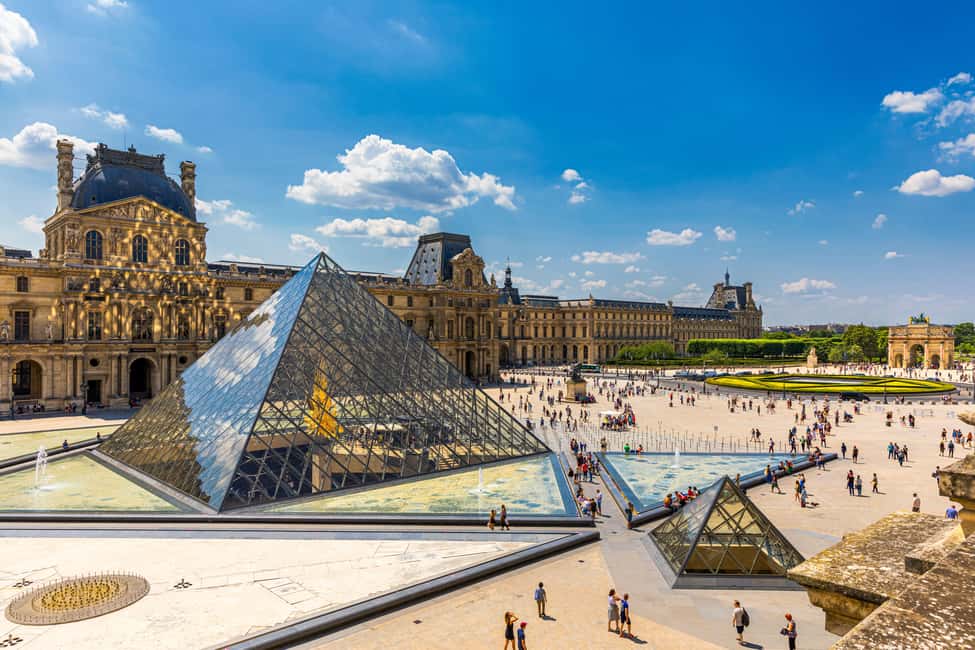
Louvre Pyramid to Old and New Louvre: getting your bearings fast
Then you reach the Louvre complex through the Louvre Pyramid, with a short stop that functions like a quick orientation lesson. This is where the tour earns its keep for first-timers.
Here’s what you’re learning during that brief time:
- Why the Louvre is a maze of eras, not one single “museum building.”
- How the older parts and newer elements relate to each other in physical space.
- How to recognize key features so your next visit feels less like wandering.
The “Louvre orientation” stop matters because many first visits to the museum are chaotic. You enter, you’re dazzled, and then you don’t know what to prioritize. This tour helps you walk into the Louvre with a mental map, not just enthusiasm.
The quick Louvre museum moment: enough for direction, not enough for everything
At the Louvre, the tour includes a short guided museum moment, about 10 minutes. That’s intentionally not a deep visit. Instead, it’s a taste plus direction.
Use it like this:
- Listen for the guide’s suggestion of where to go first if you return.
- Notice how the museum’s layout feels so you can plan your own route later.
- Take one or two photos that help you remember what you want to see more closely.
If you want a full Louvre experience, plan separate time or a ticketed guided option that includes entrances. This tour is a primer, not a replacement.
The hidden add-ons that make it feel like more than a checklist
One reason this tour earns strong feedback is that it doesn’t only hit the obvious icons. Along the way, you also get quick side stops and references to Paris details like the French Mint, the Palace of the Immortals, Kilometer Zero, and even an underground wall dating from the 1300s.
Even when you only touch these topics briefly, they change the way you view the city. After a tour like this, ordinary corners feel less random. You’ll start noticing details you might have missed otherwise.
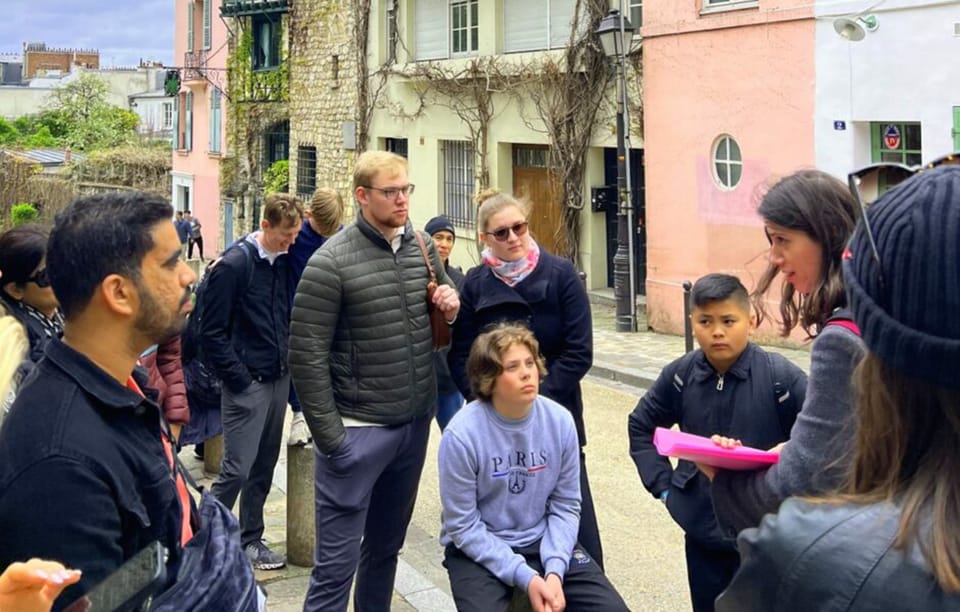
And your guide can tailor how fast these points land because it’s a small group. If you want photo help, you can ask. If you’re curious about how Napoleon is viewed, you can ask. That flexibility turns a short tour into something more personal.
Rain or shine, and why the walk is short enough to feel doable
This tour runs rain or shine. You’re walking roughly 2 kilometers, about 1.5 miles. That distance is manageable for most people, but it’s still a real walk, not a sit-down experience.
Comfortable shoes are a must. The route also includes enough time at each landmark to regroup, but you won’t have long stretches of downtime. It’s a good “first look” day, not a good “recover all day” plan.
Price and value: why $17 can make sense in Paris
At about $17 per person, this is good value for a guided overview of major sights. You’re paying for three things:
- An English-speaking guide who connects the stops with a story.
- A curated route that saves you from figuring out how everything fits together.
- Small-group pacing, with time for questions and practical help like photo guidance.
What you’re not paying for is entrances. That matters. If your dream day is inside-the-building tourism, you’ll still need separate tickets for monuments and a longer plan. But if your goal is to get oriented and fall in love with Paris landmarks quickly, the price-to-time ratio is strong.
In practical terms: you’re spending money to reduce guesswork. That’s worth a lot on a first trip.
Who should book this tour, and who should skip it
This tour is a smart fit if:
- It’s your first time in Paris and you want the essentials in one concentrated session.
- You like history that’s tied to places, not just dates.
- You want an English guide, with a small group so you can ask questions.
- You enjoy walking and you’re okay with short stops rather than long museum hours.
It’s less ideal if:
- You need wheelchair accessibility. It’s not suitable for wheelchair users.
- You want to spend extended time inside multiple monuments in one day.
- You already know Paris well and only want museum depth.
Should you book Paris for First-Timers – from Notre-Dame to the Louvre?
If you’re trying to decide between a rushed hop-on-hop-off day and a deep museum day, this tour sits in a useful middle. It gives you the framework: Notre-Dame to Sainte-Chapelle, the justice-and-revolution stopovers, iconic bridges along the Seine, and a Louvre orientation that helps you come back with a plan.
Book it if you want to get your bearings fast and turn Paris from a list of names into a set of stories tied to real locations. Skip it if your priority is long entrances and slow wandering inside each site.
Either way, it’s a solid way to start your Paris trip with confidence instead of confusion.
FAQ
What language is the tour in?
The tour is English-only.
How long does the tour take?
The stated duration is about 1.5 hours, and the walking plan is approximately 2 kilometers (1.5 miles) over about 2 hours.
Where do I meet the guide?
Meet your guide at the Horseman Statue in front of Notre-Dame, wearing a bright pink vest.
What if I miss the start time?
If you miss the start, you can try to catch the group 15 to 20 minutes later at 1 rue de Lutèce.
Are monument entrances included?
No. Entrance to monuments is not included.
Does the tour run in bad weather?
Yes. It runs rain or shine.
What should I bring?
Wear comfortable shoes for walking.
Is the tour wheelchair accessible?
No. It is not suitable for wheelchair users.
What’s not included in the price?
Drinks and food are not included.