REVIEW · PARIS
Paris: Baking Insider Experience with a Professional Baker
Book on GetYourGuide →Operated by ExperienceFirst · Bookable on GetYourGuide
Paris smells better when you make it. This max-8 baking class pairs a working Paris bakery with real technique, so you learn laminating dough and shaping baguettes while picking up the stories behind the classics. The tastings keep you honest: you see how flavor changes what you bake.
I also like how much time you get for hands-on coaching. With guides like Pierre, Martin, Jessica, Candice, David, and Rachel, the lesson focuses on how dough should feel and why French staples differ, from bread flours to yeast vs sourdough. The one drawback to plan around is physical effort: you’ll need to stand a long time, and reach the second-floor bakery by walking 15 steps with no elevator.
In This Review
- Key things I’d watch for
- A Working Paris Bakery, Not a Demo for Tourists
- What You Learn: Flour Types, Yeast vs. Sourdough, and Lamination
- Baguette Shaping: Learn the Differences You Can Actually See
- Croissant Dough and Puffing Reality Check
- Sweet and Savory Tastings That Teach Your Palate
- What the 2 Hours Feel Like (and What You Might Take Home)
- The Real Logistics That Make or Break the Day
- Who This Paris Baking Class Is Best For
- Price and Value: Is $108 Worth It?
- Should You Book This Baking Insider Experience?
- FAQ
- How long is the Paris baking class?
- How big is the group?
- Is the guide available in English?
- What baking skills will I learn?
- Is the experience hands-on?
- Can kids participate?
- Is it suitable for wheelchair users?
- Is there free cancellation?
Key things I’d watch for
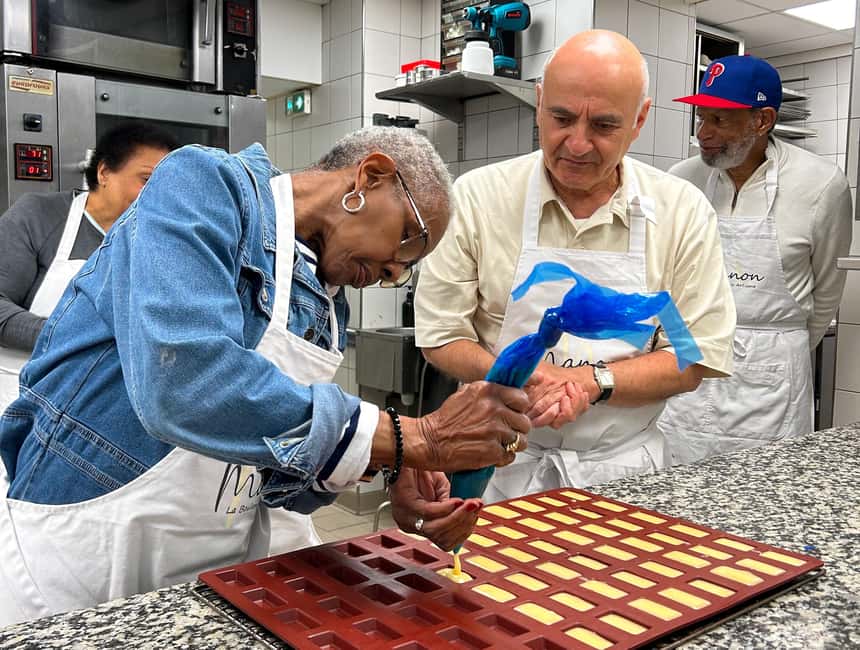
- Max-8 group size means you’re not stuck watching from the sidelines
- Dough skills you can repeat at home, including lamination and baguette shaping
- Croissant technique that’s more than rolling: you learn what makes the layers puff
- Tastings during the lesson help you connect ingredients to results
- Working-bakery atmosphere: you see how a neighborhood boulangerie really operates
- Real takeaways: many classes end with the pastries and bread you helped make
A Working Paris Bakery, Not a Demo for Tourists
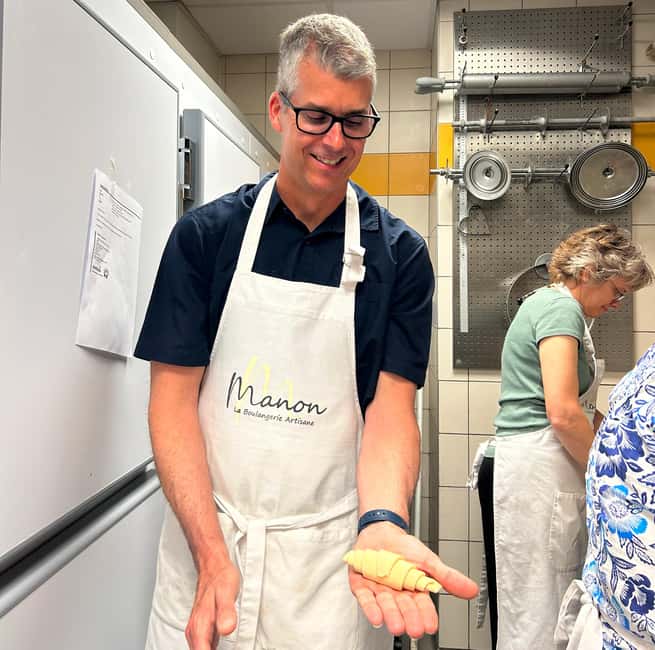
This experience works because it’s built around a real bakery. You’re not in a studio with props. You’re in the kind of place where ovens run, staff keep moving, and you can feel the pace of production. That matters, because French bread and pastry are process-driven. When you practice inside the actual workflow, the learning sticks.
Group size is the next big deal. With up to 8 participants, the pro baker can correct your grip, your handling, your pacing, and even your timing. In bakeries like this, small differences add up. If your dough is too warm, your layers won’t behave. If your shaping is off, a baguette won’t open up the way you want. The small group format helps you fix those issues fast.
You’ll also have an English-speaking guide. That helps a lot, especially when the lesson includes hands-on steps like laminating dough. You’re not just copying motions; you’re understanding what the baker is aiming for.
You can also read our reviews of more tours and experiences in Paris.



What You Learn: Flour Types, Yeast vs. Sourdough, and Lamination
One of the most useful parts for your future baking is the ingredient mindset. The class doesn’t treat ingredients like mystery powders. You get guidance on how different bread flours behave, and how yeast and sourdough differ in purpose and character.
Here’s why that matters to you: when you know what each ingredient is doing, you can troubleshoot at home. Bread-making gets easier when you stop guessing. For example, flour choice affects hydration and structure. Leavening choice affects flavor and timing. If you’ve ever made dough that felt fine but turned out bland, gummy, or strangely flat, this is the kind of explanation that can fix the root cause.
Then comes lamination, the signature technique behind puffed pastries. Lamination means you build layers into dough using a fat barrier (think butter) and careful folding. It’s the step that separates a flat pastry from one with flaky, airy layers. In class, you practice the motions and learn how to keep conditions right so the dough holds the layers instead of smearing them together.
This part is also where the working-bakery setting helps. Bakers rely on timing and temperature, and your guide can point out what to watch as you work.
Baguette Shaping: Learn the Differences You Can Actually See
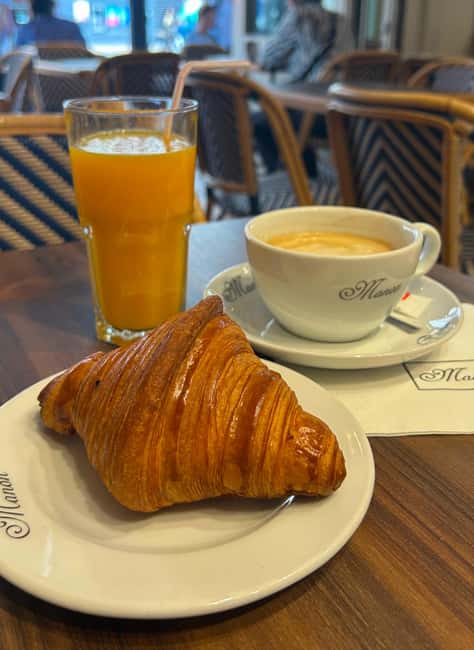
French baguettes are famous, but they’re not all the same. In this lesson, you learn how to tell one baguette from another by understanding shaping technique and the effects it has on the final loaf.
During your session, you’ll work with dough and practice baguette-shaping methods. The goal isn’t just to make something bread-shaped. You learn how shaping influences the loaf’s surface and structure. That’s why this is more valuable than a one-off “make a baguette” activity. It teaches you what to aim for, and what good shaping looks like while you’re working.
You’ll likely also get guidance on handling dough without overworking it. In baguette making, a dough that’s handled too roughly can lose the texture you need for good rise. You’re learning a rhythm: gentle enough to keep the dough aligned, but confident enough to shape clearly.
Croissant Dough and Puffing Reality Check
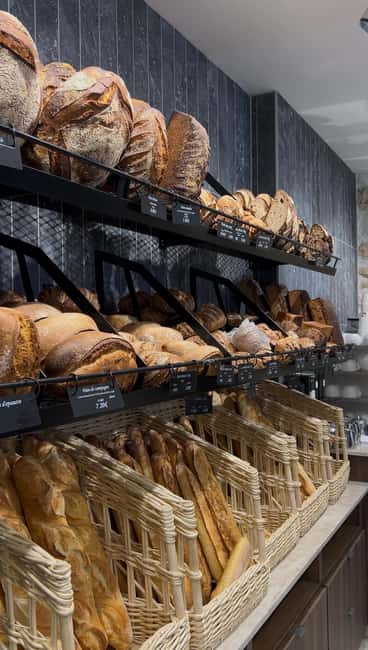
Croissants sound fancy because of the layers. The lesson makes them feel more doable by teaching the underlying mechanics. You get hands-on time preparing croissant dough and working on the lamination process again, but with croissant-specific goals.
Croissant puffing is where technique turns into results. If your layers don’t form correctly, you get a pastry that bakes up heavy instead of light. If your dough temperature isn’t right, the butter can melt into the dough rather than staying layered. This class tackles that logic, and it also gives you stories and historical context about why croissants are made the way they are.
A small caution from real class experiences: some groups note that the croissants they shaped weren’t always the ones they tasted during the session, even though they looked delicious. That doesn’t mean the tasting portion is weak. It just means the class focuses on learning steps plus sampling a range of flavors.
If you’re the type who wants to understand the science-y side of pastry, you’ll probably love how the guide explains how dough should behave as you work. If you’re not, the hands-on coaching still helps you avoid common mistakes.
Sweet and Savory Tastings That Teach Your Palate
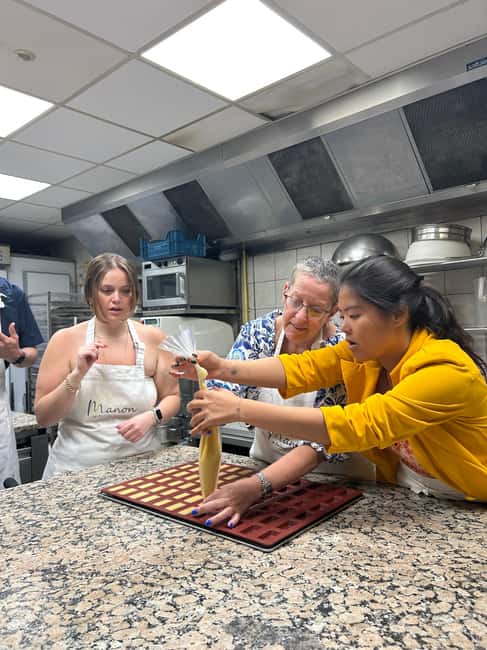
You don’t just learn technique; you taste along the way. Tastings are built into the lesson so you can connect what’s happening in the dough to what it becomes on your tongue.
You’ll sample a variety of sweet and savory French flavors, and you’ll use those tastes to calibrate your instincts. That’s one of the most underrated parts of baking classes. Real baking is half practical skill, half sensory judgment. If you know what good tastes like, you can recognize when your results are drifting.
Even the snack element matters. You’re in a working bakery, and the class format expects you to keep energy up while you stand and work with dough. Plan to come hungry in a smart way—have a normal meal before, but don’t fill up on heavy bread beforehand.






What the 2 Hours Feel Like (and What You Might Take Home)
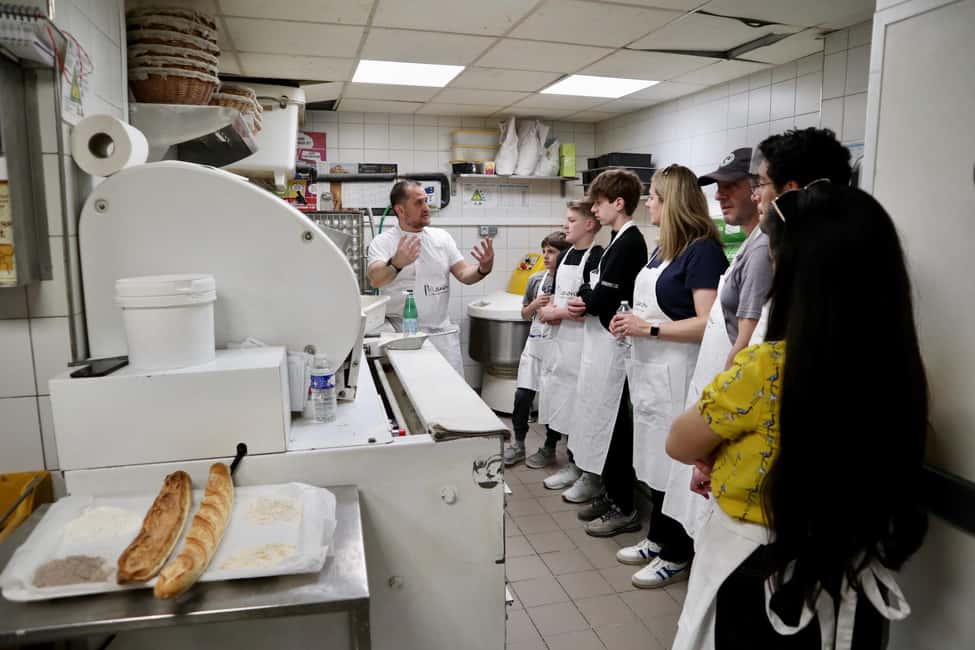
The class runs about 2 hours, but what that time feels like depends on how quickly you get comfortable with each step. For many people, the first stretch is learning and prepping. Then shaping and rolling takes over. Finally, you shift into tasting and wrapping up.
Because this is a small-group class with hands-on time, you should expect the pace to be active. One practical note that came up in real experiences: there can be a bit of movement during the session, including using stairs multiple times depending on how the bakery is set up for the class.
As for what you leave with: many experiences end with the pastries and bread you helped prepare. People often mention taking home the goodies, which is a great way to turn learning into a home experiment. Even if you don’t get everything baked to your exact preference, you’ll still walk away with a clear sense of what you did and why it worked.
If you’re curious, ask your guide what you should watch for when you try the technique at home. Most pro bakers love giving one last “here’s the main thing to remember” tip.
The Real Logistics That Make or Break the Day
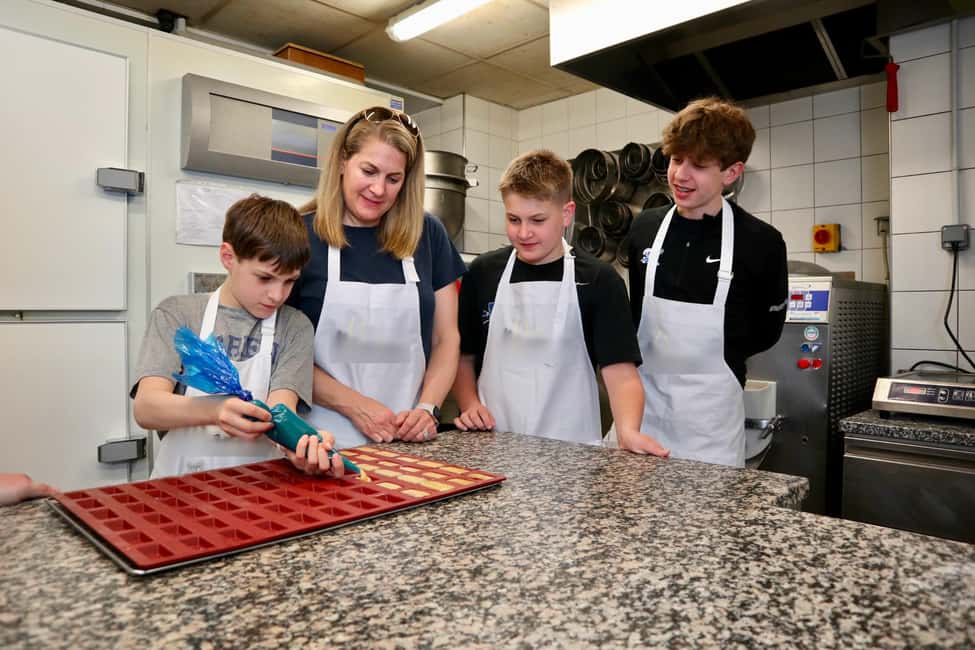
Let’s be honest: this is not the sit-and-smile kind of activity. You need to stand for an extended period, and you’ll climb to the bakery on the second floor by walking 15 steps with no elevator. If you have mobility limits, this can be a dealbreaker.
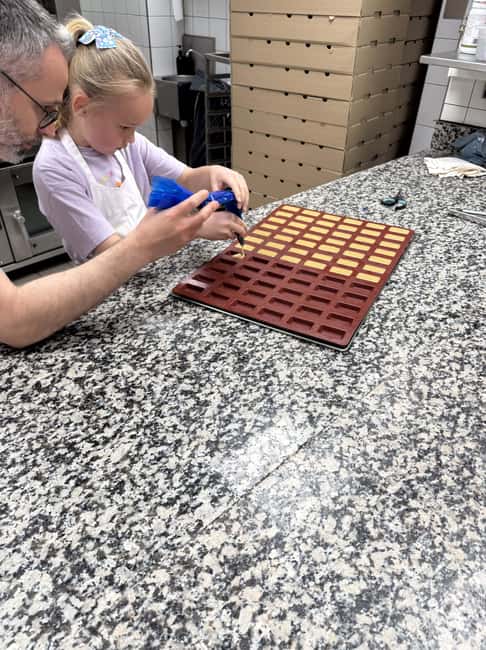
It’s also not suitable for children under 5 years old. Even if kids are free in some cases, the hands-on portion isn’t available for very young children for safety reasons. For older kids, the class format can work well because you’re not only watching; you’re participating.
Also, the class is not listed as suitable for wheelchair users. If you’re traveling with someone who uses a wheelchair, I’d skip this one and look for another food experience that’s truly step-free.
One easy tip based on practical guidance from participants: if you have long hair, bring a hair clip or tie. Pastry dough work is hands-on, and you’ll want your hair out of the way.
Who This Paris Baking Class Is Best For
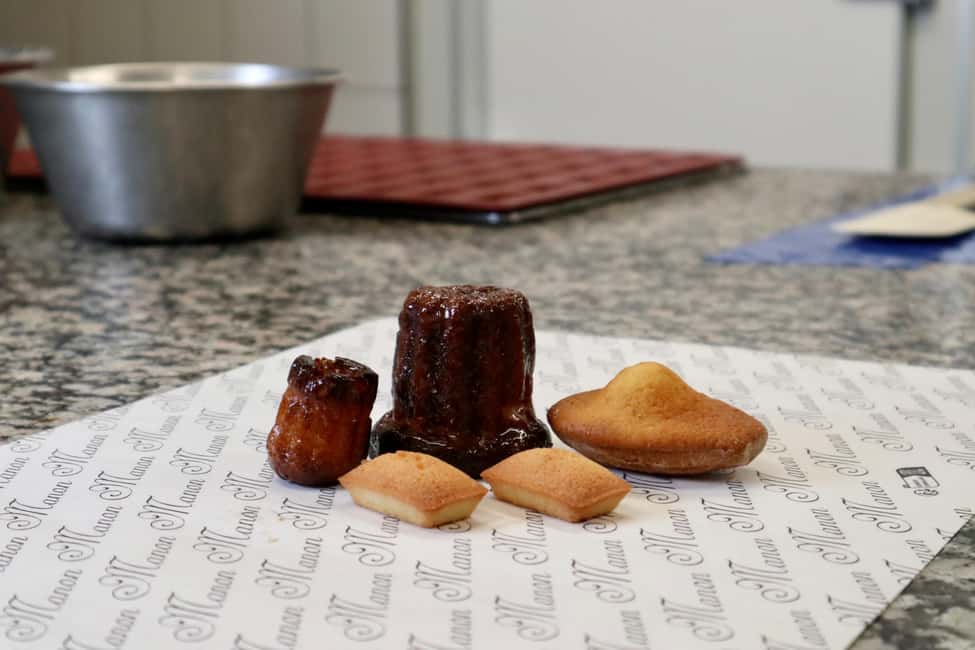
This lesson fits best if you want more than a tasting. You’ll be happiest if you like learning technique you can repeat. It’s a strong choice for:
- Couples who want a memorable, skill-based Paris experience
- Families with older kids who can stand and follow steps
- Teenagers who enjoy cooking and want real “how to” instruction
- Anyone who’s tried making bread at home and wants a clearer path forward
If you’re the type who hates standing, or you need step-free access, it’s a tougher fit. And if you’re looking for a purely historical tour with no hands-on work, this class is likely too practical for you.
Still, the range of guide styles seems to work. People have described guides like Pierre and Martin as engaging and able to keep the group interested in a working environment. That means you’re not stuck with a dry lecture even if you’re a beginner.
Price and Value: Is $108 Worth It?
At $108 per person for about two hours, the price makes sense if you break it down by what’s included: hands-on coaching from a professional baker, guided instruction in multiple techniques (lamination, baguette shaping, croissant dough handling), plus snacks and tastings.
Many food tours give you samples. This one gives you practice. That’s a big difference in value. You pay for the pro time spent correcting your technique and guiding you through steps that take years to perfect in a professional bakery setting.
Is it expensive? Compared to buying a pastry on the street, yes. But compared with many small-group classes that include ingredients and a trained instructor, the structure here is clear: you’re getting expert guidance plus tasting plus the chance to take away what you made.
If you’re someone who wants one “signature” Paris activity beyond sightseeing, this is often the kind of class people rank high because it adds a skill and a story you can carry home.
Should You Book This Baking Insider Experience?
If you’re in Paris and you like bread and pastry, I’d book it, especially if you want to understand the why behind French staples. This class is for people who enjoy hands-on learning and want to leave with more than a photo.
Book it if:
- You’re comfortable standing for the duration
- You’re traveling with a small group or want that personal coaching feel
- You want to learn real technique like lamination and baguette shaping
- You’d enjoy tastings that connect ingredient choices to results
Skip it if:
- Step-free access matters for you
- You need an activity with minimal physical effort
- You’re only interested in eating, not learning how it’s made
FAQ
How long is the Paris baking class?
The experience runs for about 2 hours.
How big is the group?
It’s a small group with a maximum of 8 participants.
Is the guide available in English?
Yes. The live guide speaks English.
What baking skills will I learn?
You’ll practice authentic French techniques such as laminating dough, shaping baguettes, and preparing croissant dough. You’ll also learn how to differentiate baguettes and how flours, yeast, and sourdough compare.
Is the experience hands-on?
Yes. It’s designed as a hands-on baking lesson in a working bakery.
Can kids participate?
Children under age 5 are free of charge, but they won’t be able to participate in the hands-on baking due to safety concerns.
Is it suitable for wheelchair users?
No, it’s not suitable for wheelchair users.
Is there free cancellation?
You can cancel up to 24 hours in advance for a full refund.