REVIEW · PARIS
Ohlala Croissants in Paris!
Book on Viator →Operated by Aten-Te Aute · Bookable on Viator
Croissants taught in a real Paris apartment. What makes Ohlala Croissants interesting is the small group cap of six and the hands-on focus on the laminated dough technique bakers use for French breakfast pastries. One thing to keep in mind: the session is only about 1 hour 30 minutes, so you’ll learn the method, but you won’t leave with a full, step-by-step home schedule for every possible baking situation.
I like that the class happens in a private apartment near Nation station, not a crowded demo space. You get coffee and/or tea, plus everything you need—ingredients, tools, and even an apron—so you can concentrate on doing it right. The course also stays beginner-friendly, which matters if croissants are on your Paris “must learn” list.
If you’re hoping for a classic boutique bakery tasting, this isn’t that. This is technique time: you’ll learn the difference between viennoiseries and French pastry, then work directly with pâte feuilletée levée, the laminated dough behind croissants.
In This Review
- Key things I’d plan around
- A Croissant Class in Paris’s 12th, in a Real Apartment
- Viennoiseries vs French Pastry: The Lesson Behind the Dough
- Working Pâte Feuilletée Levée: The Laminated Dough Lesson
- Coffee, Photos, and the Part Where You Eat What You Make
- Small-Group Advantage: What Max Six Means for Beginners
- Meeting Point, Timing, and Getting to Pass. du Génie
- Value and What You Take Home from the Lesson
- Should You Book Ohlala Croissants?
- FAQ
- How long is the croissant class?
- Is the class offered in English?
- What’s the group size?
- Where does the class meet?
- Is there coffee or tea included?
- Are ingredients and tools provided?
- What food do I get?
- Can I take photos or videos?
- Is alcohol included?
- What if I need to cancel?
Key things I’d plan around
- Max six participants for more instructor attention and easier back-and-forth questions
- Private apartment setting in Paris’s 12th, near Nation station
- Pâte feuilletée levée focus, the laminated dough used for famous French breakfast pastries
- Coffee and/or tea included, plus you can take photos and videos
- Beginner-friendly teaching, including guidance from scratch
A Croissant Class in Paris’s 12th, in a Real Apartment
This experience takes place in a private Parisian apartment in the district 12, close to Nation station. That location choice changes the vibe. You’re not stuck inside a storefront classroom, and you’re not trying to learn pastry technique in a chaotic crowd. Instead, it feels like you’re borrowing space in a real home kitchen for a short, focused lesson.
The meeting point is at 22 Pass. du Génie, 75012 Paris, and the class ends back there. Based on what people report, you might see the apartment entrance set down an alley. Don’t let that throw you. Once you arrive, it becomes part of the fun—very “local Paris,” not tourist-procured.
Another practical detail: it’s offered in English, and it uses a mobile ticket. You should get confirmation at booking time, so you can plan with less guesswork. You’ll also be near public transportation, which matters because croissant classes are best enjoyed when you’re not running late from one end of Paris to the other.
For me, the real win here is that small-group teaching in a normal neighborhood setting. Paris can feel huge and expensive; this is a short, skill-based experience that brings you into the day-to-day rhythms of the city.
You can also read our reviews of more tours and experiences in Paris.



Viennoiseries vs French Pastry: The Lesson Behind the Dough
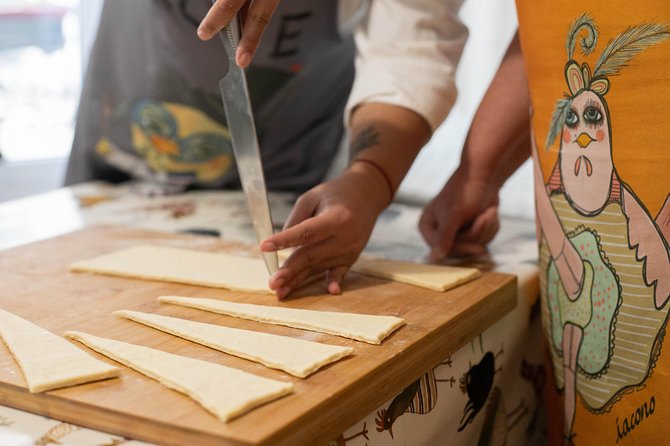
Before your hands get messy, the class gives context. You’ll learn the difference between viennoiseries and French pastry, and that’s not just trivia. It helps you understand why croissants sit in their own category and why the dough behaves differently than many other pastries.
The class also frames croissants as part of a broader tradition. French pastry is famous worldwide, but the way it’s taught in France is rooted in technique. The instructor connects the dots: croissants aren’t a one-off recipe, they’re built on laminated dough—work that repeat bakers do with practiced timing and careful handling.
You’ll also hear a bit of the “hidden history” angle around this dessert. The key takeaway for you is not memorizing dates. It’s learning the logic behind the craft: lamination, folding, resting, and how that creates the layered structure that makes croissants feel light even when they’re buttery.
If you’ve ever wondered why a croissant turns out flat or tough, this kind of intro matters. It sets you up to notice texture and structure, not just follow a list of steps.
Working Pâte Feuilletée Levée: The Laminated Dough Lesson
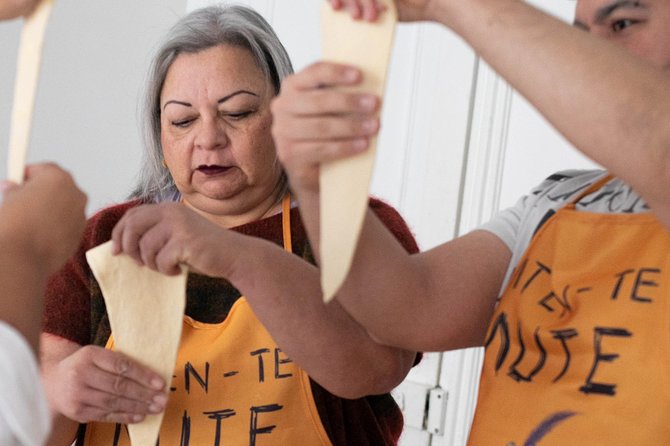
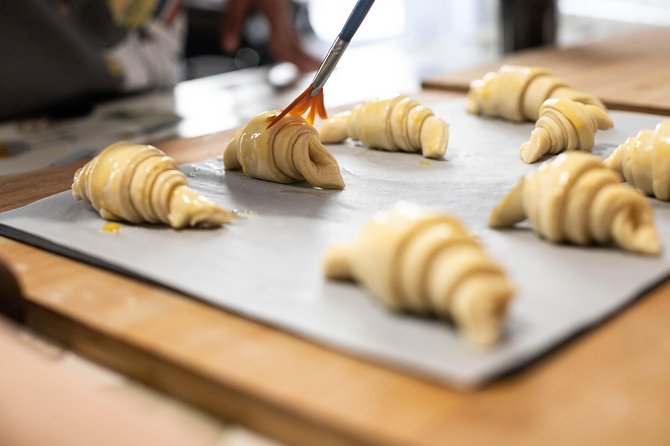
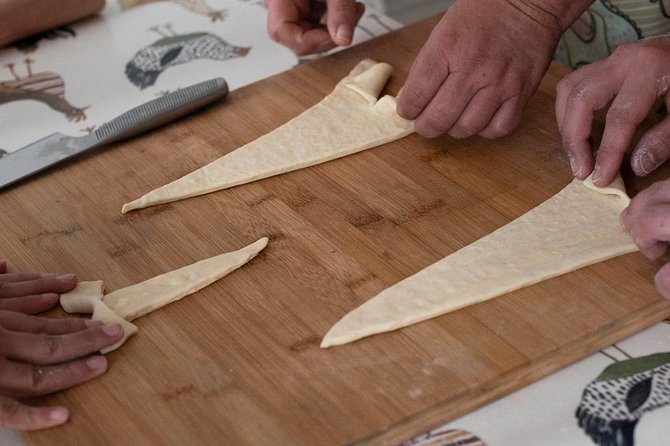
The core of the class is croissants, and the technical focus is the laminated dough called pâte feuilletée levée. That’s the dough bakers use for croissants and other French breakfast pastries. In other words: the lesson is about how the layers are made and why they matter.
You should expect a hands-on session where you work through the key stages. One review specifically highlights that the hosts taught participants everything needed to make perfect croissants, even if you start as an absolute beginner. Another notes the class moved through every step from scratch. That tells you the instruction isn’t just watch-and-learn. You’ll be actively working.
You also get all the built-in safety rails you need to succeed:
- Ingredients provided
- Tools provided
- Apron provided (borrowed during the experience)
That’s a big value piece. If you’ve tried to make croissants at home before, you know how many variables can derail you—wrong flour, missing tools, or not enough guidance. Here, you don’t have to shop or guess. You learn the method using what the instructor uses.
One more practical tip from the way the class is described: because it’s only about 1 hour 30 minutes, the most helpful thing you can do is pay attention to the instructor’s technique cues. In lamination work, tiny adjustments make a big difference. The time limit likely means you’ll focus on building the correct process rather than doing a huge production. Think of it as training your hands and eyes to recognize what correct dough feels like.
And because the group is capped at six, you’re more likely to get real feedback when something needs adjusting.
Coffee, Photos, and the Part Where You Eat What You Make
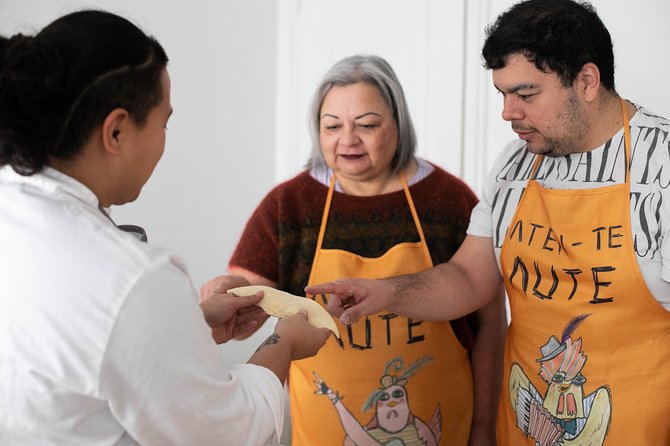
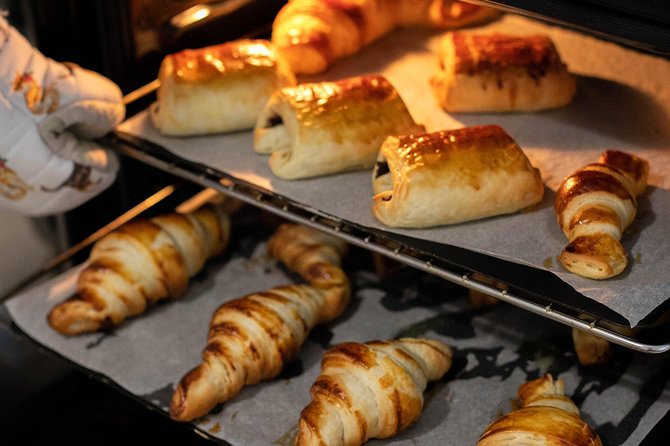
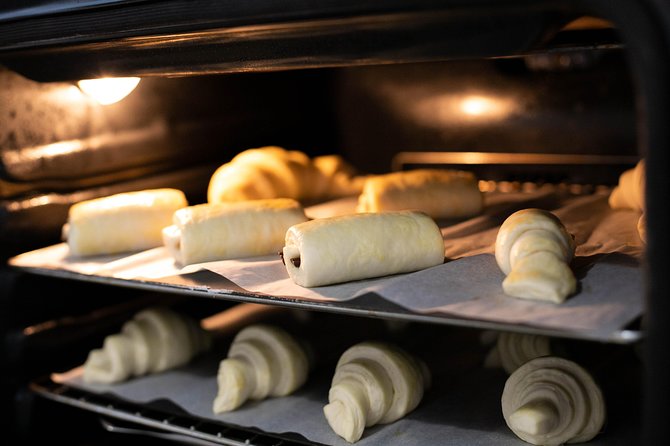
This class includes coffee and/or tea, and the dessert is simply croissants. That might sound basic, but it’s exactly what you want after a dough-focused session. You get to taste the result of your work while it’s still connected to what you just learned.
You’re also welcome to take as many pictures or videos as you want. I recommend using that permission strategically. Take photos at the moments when the dough changes—when it’s rolled, folded, or looks different after a step. Those images become your future “what did it look like?” checklist when you try again at home.
Also, the class is comfortable enough for beginners to ask questions. One review mentions the hosts were helpful with recommendations for what to do in Paris. That’s a nice bonus: after croissant craft time, you can pivot into food-walk mode with real local suggestions from people who’ve hosted this class in the neighborhood.
Just remember the class is food-forward, but alcoholic beverages are not included. If you want a wine-and-cheese add-on, plan it separately after the lesson.
Small-Group Advantage: What Max Six Means for Beginners
The experience is capped at six participants, and that’s the difference between a fun demo and an actually useful cooking lesson. With fewer people, the instructor can spot issues faster and talk to you at your pace.
This shows up clearly in review language. One person describes an essentially VIP feel when they were the only participant, with standout teaching by Nuby. Another praises Carlos and Maria for walking absolute beginners through everything you need to know for croissants. Another notes the group size made the class intimate and easy to access, with a comfortable speed.
So here’s my practical take: if you’re someone who learns best by doing and correcting in real time, the group cap is not a marketing line—it’s the mechanism that makes the class work.
It’s also helpful for confidence. Croissants are intimidating because people expect them to be complicated magic. This format teaches you that it’s a repeatable method with specific technique checkpoints. When you’re not lost in a big crowd, you’re more likely to leave with the feeling that you could do it again.



Meeting Point, Timing, and Getting to Pass. du Génie
Your class runs for about 1 hour 30 minutes and starts at 22 Pass. du Génie, 75012 Paris. It ends back at the meeting point, so you don’t need to plan a second location during your dough-time window.
Because it’s near public transportation, you can treat this like a normal plan in the day rather than a special expedition. Still, I suggest giving yourself extra minutes. Paris apartments can be tucked away, and at least one review notes the meeting place sits in a house down an alley. That’s not a problem once you’re oriented, but it can slow you down if you arrive rushed.
If you’re building an itinerary, consider scheduling this earlier in your trip. Croissants are one of those skills you’ll keep thinking about as you explore Paris bakeries. If you do it on day one or close to it, you can spot technique and quality differences later while you snack.
Also, since you’ll be wearing an apron and working with dough, think about what you wear. Comfortable clothes and shoes you can move in are smart. You don’t need to dress for a restaurant, and you probably don’t want your best outfit involved with flour dust.
Value and What You Take Home from the Lesson
There’s a reason this class earns strong scores: you’re paying for more than ingredients. You’re paying for structure. The host provides:
- Ingredients
- Tools
- Apron
- Coffee and/or tea
- Instruction
- A lesson with built-in context (viennoiseries vs French pastry)
That bundle lowers the risk. If you were to attempt croissants at home, you might spend money on ingredients and still feel lost when the dough doesn’t behave. Here, you’re guided through laminated dough technique for croissants, using the right tools and materials in a focused setting.
The group size also boosts value. With a cap of six, you’re more likely to get targeted feedback, especially if you’re a beginner. One review even points out a one-person class feel, which suggests the experience can scale down to a more private teaching vibe.
What you leave with is a process you can repeat. You’ll understand the laminated dough idea behind croissants, not just a single recipe. That matters because croissants are sensitive to method. When you know the why behind the steps, you can troubleshoot instead of starting over blindly.
Should You Book Ohlala Croissants?
Book it if you want a hands-on croissant lesson in English that teaches technique, not just results. The small group cap of six, the apartment setting, and the fact that everything is provided (ingredients, tools, apron) make it a strong choice for beginners and for anyone who wants a more authentic, less touristy Paris food experience.
Skip it only if you’re looking for a quick tasting or a long cooking seminar. This is about 1 hour 30 minutes, so it won’t replace a full at-home training plan. And since alcohol isn’t included, plan any celebratory drinks separately.
If your goal is to understand pâte feuilletée levée and actually work with croissant dough in a real Paris kitchen environment, this is an easy yes.
FAQ
How long is the croissant class?
The experience lasts about 1 hour 30 minutes.
Is the class offered in English?
Yes, the class is offered in English.
What’s the group size?
The baking class is capped at up to 6 people, and the maximum travelers is 6.
Where does the class meet?
The meeting point is 22 Pass. du Génie, 75012 Paris, France.
Is there coffee or tea included?
Yes. Coffee and/or tea is included.
Are ingredients and tools provided?
Yes. All ingredients and related tools are provided, and an apron is borrowed during the experience.
What food do I get?
Croissants are included as the dessert.
Can I take photos or videos?
Yes, you’re welcome to take as many pictures or videos as you want.
Is alcohol included?
No. Alcoholic beverages are not included.
What if I need to cancel?
The experience is non-refundable and cannot be changed for any reason. If it’s canceled because the minimum number of travelers isn’t met, you’ll be offered a different date/experience or a full refund.