REVIEW · PARIS
Marais: Discover the Medieval Heart of Paris
Book on GetYourGuide →Operated by My Super Tour · Bookable on GetYourGuide
The Marais feels like two centuries at once. This 150-minute walk through Paris’s oldest medieval quarter blends Templar-era origins with synagogues, mansions, and the Place des Vosges, then shifts into modern designer streets. You also get a clear path through the parts of the neighborhood you would otherwise miss, plus a visit to Maison de Victor Hugo.
What I like most is the way the guide turns landmarks into stories you can actually picture. You’ll walk past the Rue des Rosiers street-food zone (with things like falafel and hamantaschen on the menu) and hear how the area became a meeting place for Jewish life, including the oldest synagogue in Paris and an Art Deco synagogue. I also appreciate how the tour is guided by real people—Max, Sacha, and Malakas all got standout marks for energy, history depth, and answering questions on the spot.
One drawback: it’s a walking tour through narrow streets, and the comfort level depends on your weather gear. If it’s rainy or cold, you’ll be happier with a compact umbrella and comfortable shoes, since there are stops meant for photos and quick visits.
In This Review
- Key points to know before you go
- Marais in 150 Minutes: Medieval Origins, Synagogues, and Real-Paris Streets
- Meeting at Bastille and Getting Oriented Fast
- Stop 1: Rue des Tournelles and the Old-Marais Texture
- Place des Vosges: Why the Oldest Square Feels Like a Stage
- Maison de Victor Hugo: France’s Most Famous Writer, Up Close
- Hôtel de Sully: Photo Stop With Real Architectural Weight
- Rue Saint-Antoine and Hidden-Space Moves You Would Miss Alone
- Rue des Rosiers: Street Food and the Jewish Heart of the Marais
- Hidden Mansions and Courtyard Stories (The Stops That Make the Tour Feel Like Paris)
- Halle des Blancs Manteaux and UNIQLO Le Marais: Old Stones, Modern Life
- Picasso Museum Paris: Art Without the Whole Museum Marathon
- National Archives Garden: A Photo Stop That Helps You Breathe
- Centre Pompidou (Photo Stop): The Modern Paris Contrast
- Price and Value: What $50 Buys in the Marais
- Who This Tour Suits Best (and Who Might Prefer Something Else)
- A Quick Reality Check: Weather, Timing, and Comfort
- Should You Book This Marais Tour?
- FAQ
- Where does the tour start?
- How long is the tour?
- What languages are offered?
- What should I bring?
- Do I need an umbrella?
- Is the price per person?
- Is there free cancellation?
Key points to know before you go
- Medieval origins, explained: the Marais story begins with a swamp drained in the 13th century by the Templar Knights
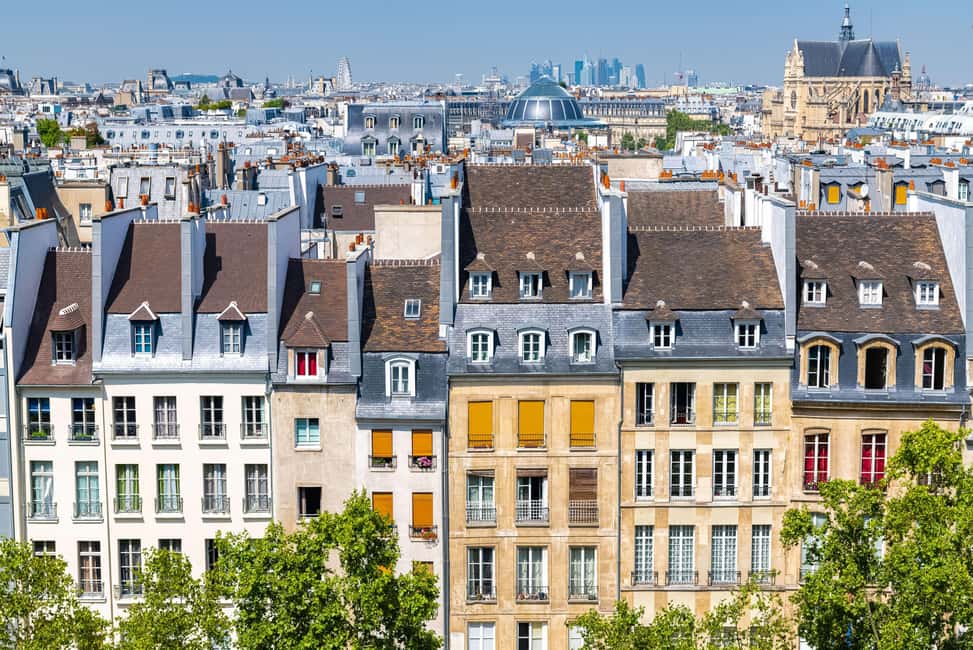
- Old and newer Paris in one route: Place des Vosges and Victor Hugo sit a short walk from modern shopping streets
- Jewish Paris you can see: you’ll pass the oldest synagogue in Paris and also an Art Deco synagogue
- Hidden spaces and mansion courtyards: you’ll enter spots you’d likely miss if you were just wandering
- Guides that answer questions: names like Max, Sacha, and Malakas show up in feedback for strong Q and A and pacing
- Street food timing: the route includes the Rue des Rosiers area for bites like falafel and hamantaschen
Marais in 150 Minutes: Medieval Origins, Synagogues, and Real-Paris Streets
The Marais is the kind of neighborhood where you can look at a building and still feel the layers underneath. One moment you’re near Place des Vosges, and the next you’re walking streets that reflect Jewish community life and today’s designer storefronts. This tour is built to keep that flow understandable rather than turning it into random sightseeing.
You’ll spend about 150 minutes moving at a steady walking pace, with short guided stops. That matters because the Marais rewards attention: small entrances, courtyards, and architectural details are part of the experience, not just the big squares.
If you want one concentrated overview that helps you plan the rest of your Paris days, this fits the bill. If you want a slow, museum-heavy day with long indoor time, you may find the format more like a smart walking primer than a deep gallery marathon.
You can also read our reviews of more tours and experiences in Paris.



Meeting at Bastille and Getting Oriented Fast
Your tour starts at 3bis Pl. de la Bastille, with the guide waiting at the metro exit at Bastille. The meeting point is set up so you can find the group quickly: the guide has a sign that says My Super Tour at the exit to metro Bastille, exit 7 (sortie 79).
From a practical standpoint, this is a good start area. Bastille is a major transit hub, so you can build the day around it even if you’re coming from another neighborhood. Also, the early start helps you beat crowds around the most photographed blocks.
A small tip: give yourself a few extra minutes to get your footing and check the weather. The tour includes outdoor photos and street walking, so you’ll want your shoes ready for cobblestones and tight sidewalks.
Stop 1: Rue des Tournelles and the Old-Marais Texture
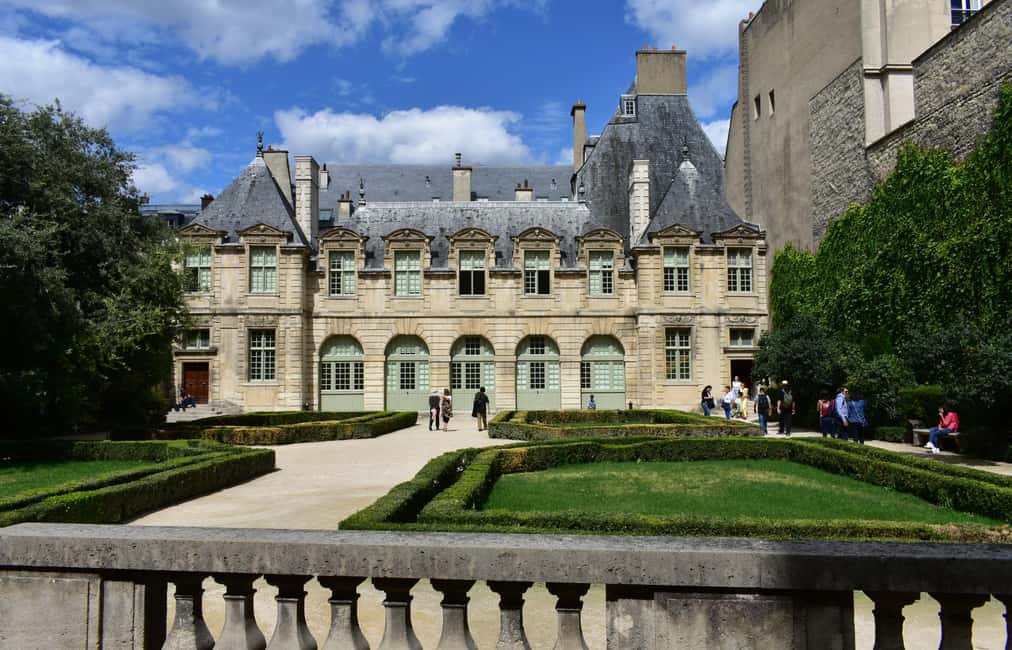
After meeting at Bastille, you walk about 10 minutes toward the heart of the route. Rue des Tournelles is the kind of street where the Marais vibe shows up immediately: stone facades, quiet side passages, and the sense that the city is built on top of itself.
This section sets the tone. It’s not only about what you see; it’s about how you learn to look. A guide-led walk helps you notice the difference between a tourist facade and a place with a past you can actually trace.
If you’re someone who likes architecture and neighborhood history, this early segment is where the tour starts paying off.
Place des Vosges: Why the Oldest Square Feels Like a Stage
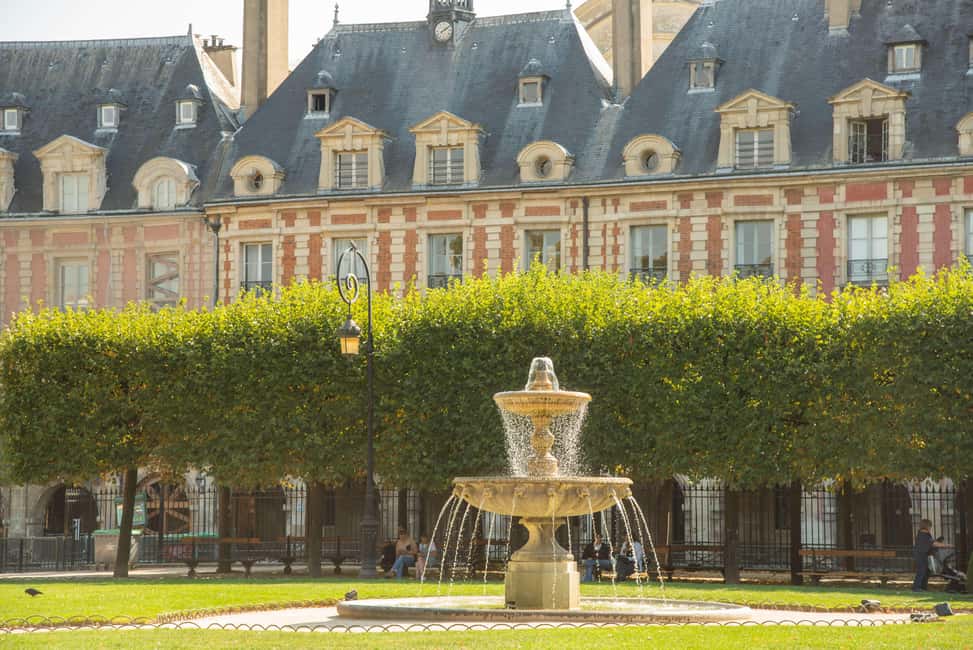
Next up is Place des Vosges, one of the most iconic squares in Paris. You’ll spend around 10 minutes sightseeing here, but don’t treat it like a quick stop. It’s the kind of square where symmetry and design make more sense once you understand who lived around it.
What I value about a guided visit is the context. The Marais isn’t only about pretty buildings; it’s about who those buildings served over time—noble households, courtesans, and officials tied to royal life.
Even if the square feels familiar from photos, standing there with a guide keeps it grounded. You’ll likely start spotting details that you would normally miss while rushing through.
Maison de Victor Hugo: France’s Most Famous Writer, Up Close
The tour includes a visit to Maison de Victor Hugo for about 15 minutes. This stop is one of the more tangible ways to connect the neighborhood’s history with a person you already know.
Victor Hugo is practically a shortcut to understanding why the Marais mattered to French culture. When you pair his apartment with the surrounding street history—old mansions, aristocratic space, and the rise and fall of fortunes—you get a clearer sense of how Paris shaped its writers and officials.
This is also a good moment to slow down. Indoor time helps if you’re visiting in winter or rainy weather, and it breaks the walking so you can reset before the next cluster of sites.



Hôtel de Sully: Photo Stop With Real Architectural Weight
Then you’ll hit Hôtel de Sully, with a quick photo stop and guided tour element (around 10 minutes). A guided stop like this is efficient: you get an overview without wandering and getting lost in yard walls and viewpoints.
This is the kind of place where details matter, and the guide can point them out. Even if you’re not a dedicated architecture buff, you’ll come away with a better sense of what made these houses special enough for high-ranking residents.
Rue Saint-Antoine and Hidden-Space Moves You Would Miss Alone
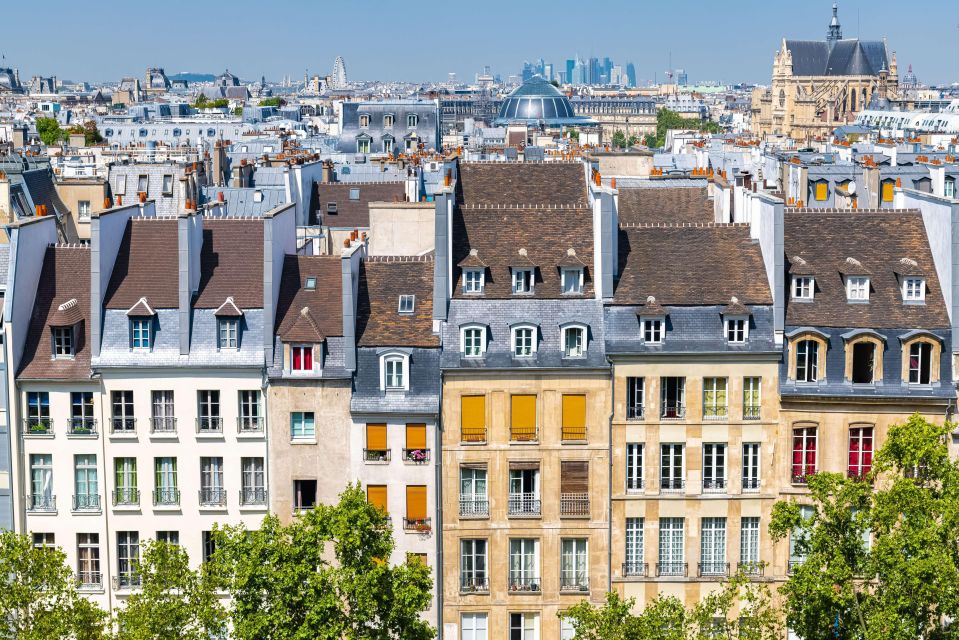
Next is a brief stop at 99 Rue Saint-Antoine for sightseeing (about 10 minutes). This part of the route helps you read the neighborhood at street level rather than only from postcards.
Then the tour includes a secret stop (photo stop plus guided tour around 10 minutes). This is where a guided route earns its keep. In a place like the Marais, you can walk for hours and still miss the entrances, courtyards, or tucked-in views that the guide knows to seek out.
I like tours like this because you get both: famous highlights and the in-between spaces that make the area feel lived-in.
Rue des Rosiers: Street Food and the Jewish Heart of the Marais
Rue des Rosiers is one of the most memorable sections of the route. You’ll spend about 15 minutes here with street food as part of the experience and guided touring/sightseeing.
This isn’t only about eating. You’ll connect the street to Jewish community life—stories tied to synagogues and gathering points. The tour specifically calls out the oldest synagogue in Paris and an Art Deco synagogue, so the neighborhood’s religious and cultural landmarks have meaning, not just aesthetics.
Expect to see food and shop energy. The tour mentions classics like falafel and hamantaschen, plus Hanukkah Jelly Donuts. Even if you only sample something small, it’s a useful way to experience the Marais as a working neighborhood.
Practical note: street food means you’ll likely want cashless options ready, plus some patience if you’re doing this during peak hours.
Hidden Mansions and Courtyard Stories (The Stops That Make the Tour Feel Like Paris)
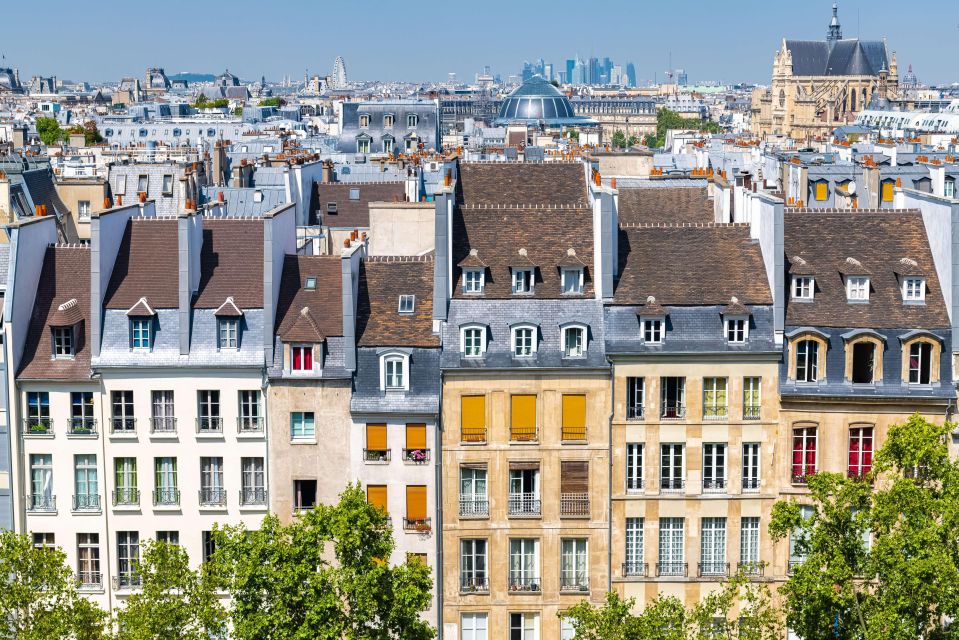
Between the major sights, the route repeatedly returns to the idea of concealed mansions and older spaces where noble inhabitants once lived in the 14th and 15th centuries. The focus here is on how Paris used to be organized, and how those power networks shaped buildings.
If you’ve ever felt that Paris history is too broad, this is the opposite. You’ll see the neighborhood as a sequence of spaces where different groups lived and gathered, including royal ministers and aristocrats, then later other residents whose presence changed the neighborhood’s character.
This is also a good time to ask questions. In feedback tied to guides like Sacha and Max, the strong pattern is that questions get answered, not brushed aside. If you care about one thread—Jewish history, architecture, or the modern gay scene—you can steer the conversation.
Halle des Blancs Manteaux and UNIQLO Le Marais: Old Stones, Modern Life
You’ll visit Halle des Blancs Manteaux with a guided tour/photo stop around 10 minutes. It’s a transition point: the Marais shifts from medieval and aristocratic stories into the district as it functions today.
Then there’s a stop at UNIQLO LE MARAIS, also around 10 minutes. This might sound random if you expect only museums, but the point is practical. The Marais is also a shopping and daily-life neighborhood, not a theme park. Seeing modern retail right beside older streets helps you understand what’s actually going on now.
If you like people-watching, you’ll probably enjoy this segment. You get a sense of the district’s rhythm—what brings locals and what brings visitors.
Picasso Museum Paris: Art Without the Whole Museum Marathon
The itinerary includes Picasso Museum Paris for a guided tour and sightseeing about 10 minutes. This is not a full museum day, and that’s okay. You’ll get a guided orientation toward the area’s art scene without losing half your day to gallery time.
For many visitors, this is the best of both worlds: you get the Marais overview plus a pointer toward what you might want to explore again later on your own.
If you’re planning to visit the museum later, you’ll benefit from this stop. If you’re not, you’ll still get context about why art matters in the neighborhood.
National Archives Garden: A Photo Stop That Helps You Breathe
You’ll have a photo stop and guided tour element at the National Archives Garden for around 15 minutes. Even without a long “walk-through garden” plan, this pause is useful. It’s one of the rare chances to shift from street-to-street stone to a calmer view.
Guided garden time also works as a reset between busy squares and shopping streets.
Centre Pompidou (Photo Stop): The Modern Paris Contrast
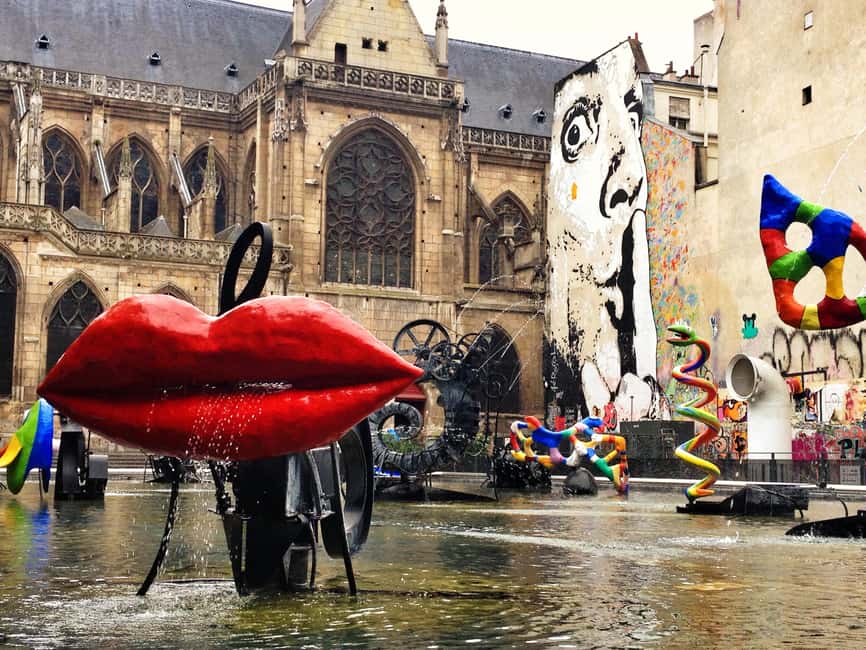
The route ends with a photo stop and guided tour at Centre Pompidou for about 15 minutes. This is the modern counterpart to the medieval core you started with.
That contrast is the whole point of the tour’s shape. You’re not just collecting monuments. You’re seeing how a central district in Paris can carry centuries of identity while still staying current.
It also helps you connect your day to the broader map of the city. If you want to keep exploring afterward, you’ll have a better mental geography.
Price and Value: What $50 Buys in the Marais
This tour is priced around $50 per person, lasting about 150 minutes. In Paris terms, that’s solid value if you care about guidance and access—especially because the itinerary includes visits plus a stop at Maison de Victor Hugo, along with hidden courtyard-style moments that you’d likely miss without help.
Where the price really makes sense is in the time saved. The Marais can be confusing if you’re trying to connect synagogues, mansions, and squares logically. A guide gives you the thread so your walking doesn’t become aimless.
Also, from the feedback pattern tied to named guides like Max, Sacha, and Malakas, the best value comes from interactive explanations. When a guide answers your questions and adjusts pacing, 150 minutes feels like more than a checklist.
Who This Tour Suits Best (and Who Might Prefer Something Else)
You’ll love this tour if you:
- want a fast way to understand the Marais beyond shopping
- care about how different communities shaped the neighborhood, including Jewish landmarks
- like architecture stories that explain why places look the way they do
- enjoy short stops that lead you to decide what to explore later
You might prefer another type of experience if you:
- hate walking and want long, mostly indoor time
- need a strict museum format with minimal street exposure
- want a deep, slow study of one single topic like Jewish history only
A Quick Reality Check: Weather, Timing, and Comfort
The tour includes outdoor sightseeing, photo stops, and street food time. That means weather affects the experience more than on a purely indoor day.
Bring a bottle of water. Also bring an umbrella for security, since the route is built for moving through the neighborhood even when it’s not ideal outside.
And don’t underestimate shoes. The Marais can mean slick stones and uneven pavement, so comfortable shoes aren’t optional if you want to enjoy the day.
Should You Book This Marais Tour?
Book it if you want a smart 150-minute route that stitches medieval origins, Jewish landmarks, and modern Marais energy into one coherent walk. The visit to Maison de Victor Hugo, the targeted synagogue-focused storytelling, and those secret or hard-to-find photo stops are exactly the sort of things that justify using a guide in the first place.
Skip it only if you’re looking for a long, slow museum day or if walking in cold rain will make you miserable. If that’s your situation, pick a different plan and save your feet.
FAQ
Where does the tour start?
The meeting point is at 3bis Pl. de la Bastille. The guide waits with a sign that says My Super Tour at the metro station Bastille, exit 7 (sortie 79).
How long is the tour?
The duration is 150 minutes.
What languages are offered?
The live guide speaks English and Russian.
What should I bring?
Bring comfortable shoes. The tour also recommends bringing a bottle of water.
Do I need an umbrella?
Yes. For security, the tour asks you to bring an umbrella.
Is the price per person?
Yes. The listed price is $50 per person.
Is there free cancellation?
Yes, you can cancel up to 24 hours in advance for a full refund.