Paris has a secret UN address. This 90-minute visit to the UNESCO headquarters makes the organization’s mission feel practical, not abstract, as you move through the building’s distinctive modern spaces and hear how UNESCO’s work shows up in real projects.
I like the way the guide keeps you oriented while walking you through the headquarters’ key public-and-event spaces. You also get a standout art element: 19th-century-era names like Calder, Picasso, and Giacometti are discussed in a UNESCO context, not as museum trivia. One drawback to plan for: it’s a tight time window, so you’ll move along quickly and won’t have long to linger in any single room.
In This Review
- Key things that make Les Coulisses de UNESCO worth your time
- UNESCO Headquarters in Paris: What you’re really seeing
- Your 90-minute game plan: how the timing works
- Step into the UNESCO building: architecture that tells you where you are
- The square with the Globe: a symbolic stop that lands
- Art in the halls: Calder, Picasso, and Giacometti (not in museum mode)
- Garden and meeting rooms: small atmosphere wins
- English tour experience: who it’s best for
- Price and value: why $24.43 can make sense
- Practical tips so you get the most from the visit
- Who should book Les Coulisses de UNESCO, and who might skip it
- Should you book this tour or not?
- FAQ
- How long is the Les Coulisses de UNESCO tour?
- Where does the tour start and end?
- Is a guided tour included?
- Is admission included?
- Do I need to arrange transport?
- What language is the tour offered in?
- How large are the groups?
- Can I cancel for free?
- What do I receive for ticketing?
- FAQ
- How far in advance is this tour typically booked?
- When do I get confirmation after booking?
Key things that make Les Coulisses de UNESCO worth your time
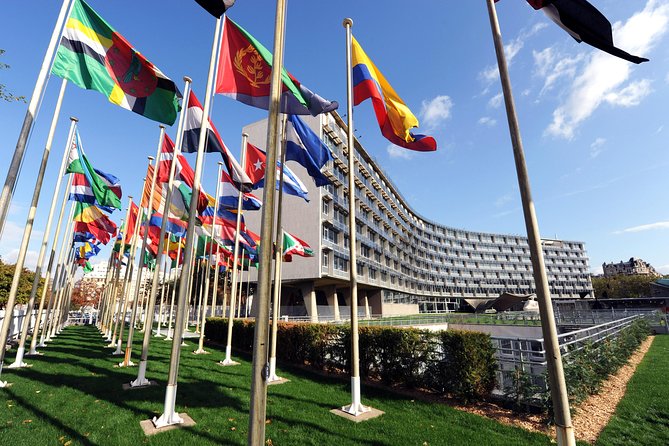
- Backstage access to UNESCO spaces: immense conference rooms, public areas used for international events, and modern corridors.
- The symbolic Globe moment: you see the square where that iconic UNESCO globe sits.
- Art with a mission connection: commentary on Calder, Picasso, and Giacometti tied to UNESCO’s themes.
- Small group size (max 20): easier questions, less rushing from crowd flow.
- Mobile ticket convenience: you go in with your ticket on your phone.
- Garden and meeting-room atmosphere: at least one route highlight includes a notably impressive garden area.
UNESCO Headquarters in Paris: What you’re really seeing
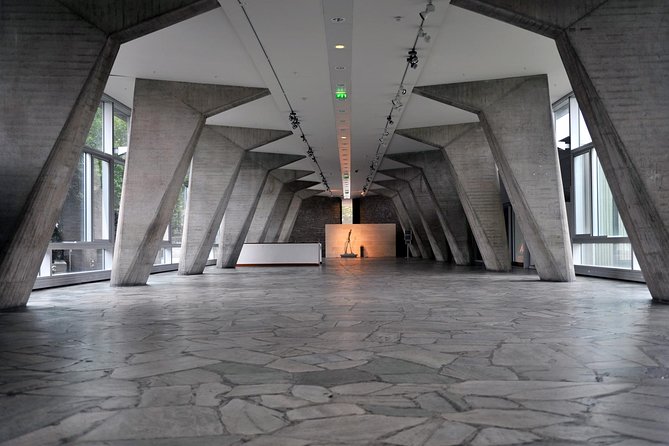
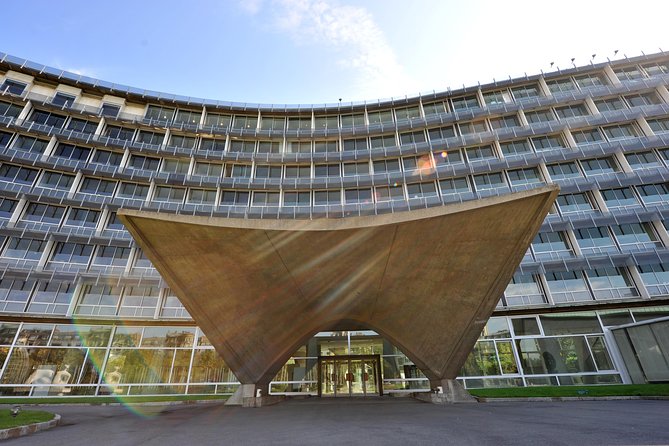
UNESCO’s Paris headquarters isn’t just a building where paperwork happens. In this guided format, you treat it like a living workplace for international culture and science. The visit is structured around the agency’s missions and projects, and that matters because it changes how you look at the architecture.
Instead of thinking, This is a cool modern complex, you start noticing why certain spaces exist. Conference rooms are there for global conversations. Squares and symbolic features are there for public-facing meaning. Even the concrete corridors and footbridges start to feel like part of how UNESCO connects people and ideas.
If you like tours that connect place to purpose, this one has a strong backbone. You’re not just walking from room to room; you’re building a clearer picture of what UNESCO does and how the headquarters supports that work.
You can also read our reviews of more tours and experiences in Paris.

Your 90-minute game plan: how the timing works
The tour runs about 1 hour 30 minutes, and that short duration is both a plus and a planning reality. It’s great when you want a meaningful activity that fits into a busy Paris day. It’s also why you’ll feel some movement and momentum.
Here’s what to expect from the pacing:
- You’ll get an organized guided path through major spaces inside the headquarters.
- You’ll hear mission and projects explanations while you’re still in the building’s context.
- You’ll have a few photo-friendly moments, but it’s not a slow stroll.
I’d treat this as an efficient “insider orientation” stop. You can add it to a day that already includes other central Paris sights without it eating half your schedule.
Also, this is designed for small groups, with a maximum of 20. That’s the sweet spot where you still get personal guidance without the guide getting stuck managing a huge crowd.
Step into the UNESCO building: architecture that tells you where you are
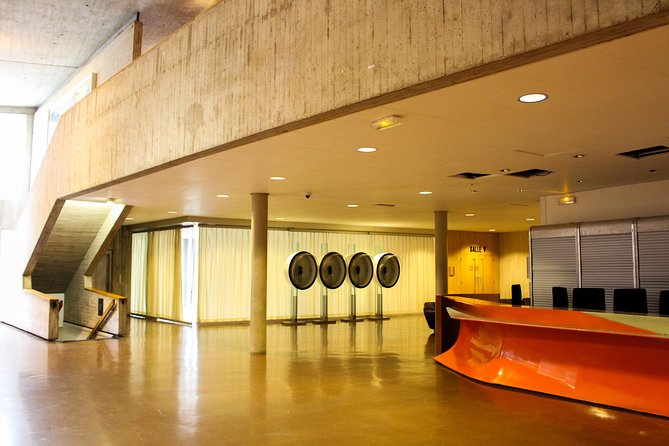
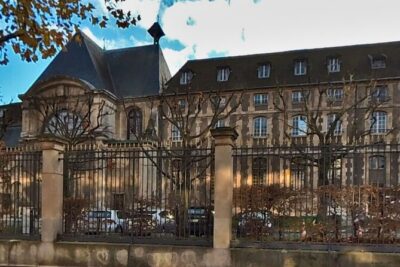
Your visit starts with the UNESCO headquarters itself, and the guide does the smart thing: you don’t just see spaces—you learn what they’re for.
You’ll walk through the headquarters and get pointed to the big structural markers of the site:
- Impressive conference rooms, which are key to UNESCO’s event-heavy public life.
- Footbridges and concrete corridors, which give the building a modern, almost technical feel.
- The way the spaces connect means you’re constantly shifting perspective, like the building is guiding you forward.
This is where the tour earns its nickname “behind the scenes.” A regular sightseeing pass usually stops at a facade or a single view. Here, the architecture becomes part of the story. You start noticing how circulation works, how different spaces likely support different kinds of gatherings, and why the design reads the way it does.
The headquarters is also presented as a place for international stature events. That changes the vibe: the building feels less like a landmark you pass and more like a working stage.
The square with the Globe: a symbolic stop that lands
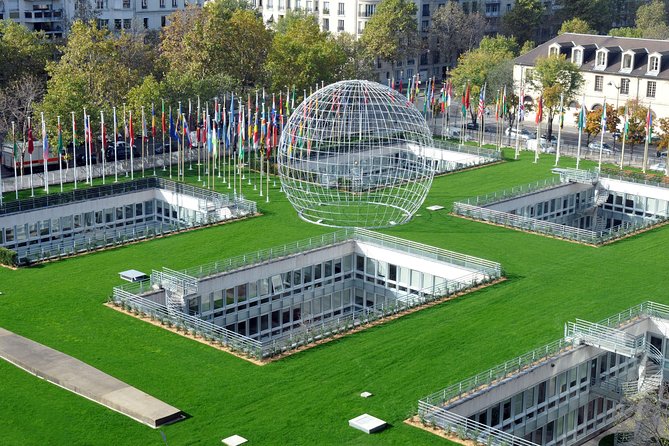
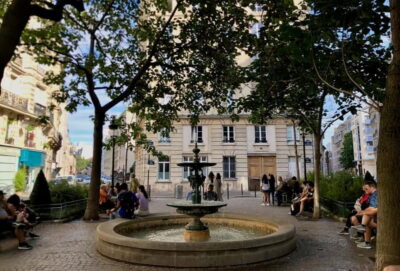
One highlight of the walkthrough is the square where you can admire the famous symbolic Globe. It’s one of those Paris moments where you recognize the symbol before you fully understand the context around it.
What I like about including this stop is that it bridges the mission talk with something tangible. You’re hearing about UNESCO’s responsibilities, projects, and impact, and then you’re standing in a space built to represent that global identity.
This is also the kind of spot that works for quick photos without turning into a distraction. You can take a picture, but you’re still in tour mode, with the guide’s explanation helping you connect the symbol back to the agency’s purpose.
Art in the halls: Calder, Picasso, and Giacometti (not in museum mode)
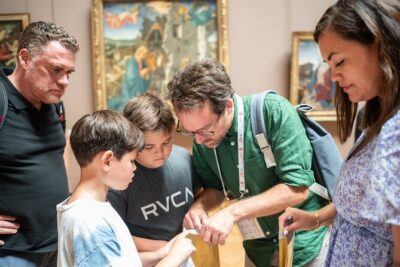
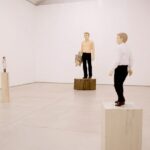
This is the part that makes the tour feel unusually thoughtful. You’ll encounter a collection of works by major 19th-century artists, and the guide links the artworks directly to UNESCO’s missions and themes.
Specific names mentioned in the tour experience include Calder, Picasso, and Giacometti. The important detail isn’t just that famous names are there. It’s the way they’re commented on and placed into conversation with UNESCO’s objectives.
In a museum, you often move through labels and chronology. Here, you’re seeing the art in a different setting—outside the usual museum framework—and that shift can change what you notice. You may find yourself thinking about art and ideas as tools for communication across cultures, which is exactly the kind of framing UNESCO tries to promote.
This is also a great option if you don’t want a full museum day but still want art commentary that feels purposeful.




Garden and meeting rooms: small atmosphere wins
A review highlight points to a magnificent garden, and that makes sense for how the tour is designed. When you’re in a big institution building—conference rooms, corridors, formal spaces—your brain appreciates a breath of scenery.
You may also spend time in a meeting room area that impresses people with how the space is set up and how it fits into the building’s overall rhythm. Even if you’re not there for “decor,” these are the kinds of details that make the headquarters feel real.
These atmosphere moments are also why the tour works well for people who don’t just want facts. You’re getting a guided sense of place, not only a list of UNESCO facts.
English tour experience: who it’s best for
The experience is offered in English, which is a key factor. If you’re comfortable listening in English, you’ll likely appreciate how the guide connects missions and architecture without losing momentum.
This tour also fits well if:
- you want a central Paris activity that feels different from churches and galleries,
- you like guided commentary (especially when it connects art to purpose),
- you’re the type who enjoys “how buildings work” just as much as the landmark itself.
It’s less ideal if you’re hoping for a long, slow wander where you can spend 30 minutes staring at one artwork or lingering in one room. The format is intentionally condensed.
Price and value: why $24.43 can make sense
At $24.43 per person, this isn’t expensive for Paris, especially because the tour includes admission and a guided walkthrough of multiple major headquarters spaces. The key value isn’t only access. It’s the guided context that helps you understand what UNESCO does while you’re standing inside the headquarters where it happens.
Think of it like this: instead of paying for a generic entrance somewhere, you’re paying for someone to translate an international institution into an easy-to-follow route with architecture notes and art commentary.
Also, this tour is often booked about 28 days in advance on average. That’s a useful hint. If your dates are firm, it’s smart to book early rather than waiting for a last-minute slot.
Practical tips so you get the most from the visit
A few small choices will make your experience smoother:
- Keep your mobile ticket ready on your phone so check-in is fast.
- Arrive a bit early so the guide can start on time without you feeling rushed.
- Plan for a brisk pace. Bring a mindset of “see the key rooms, learn the story,” not “slowly explore every corner.”
- Wear comfortable shoes. The route includes moving between different types of spaces inside the building, including corridor and bridge-like connections.
The tour is near public transportation, which helps if you’re pairing it with other central sights. And it ends back at the meeting point, so you’re not left figuring out where to go next.
Who should book Les Coulisses de UNESCO, and who might skip it
Book this tour if you want a short, guided, meaningful look at UNESCO’s Paris home base. It’s especially good for:
- first-timers to Paris who want something more “inside Paris” than just postcards,
- people who enjoy architecture and how spaces serve real functions,
- art lovers who like commentary and context more than museum browsing.
Skip it if you prefer long self-guided time, or if you’re only interested in a single big photo spot. This tour is about movement, explanation, and connection.
Should you book this tour or not?
I think Les Coulisses de UNESCO is a strong value for the time if you’re curious about how international institutions work—and you don’t mind a guided pace. For about an hour and a half, you get a guided route through major headquarters spaces, a memorable symbolic stop with the Globe, and art commentary that links famous works to UNESCO’s missions.
If your schedule is tight, this is one of those activities that actually gives you something to talk about afterward. You’ll leave with more than a photo. You’ll leave with a clearer sense of what UNESCO is trying to do, and how the building is built to support it.
FAQ
How long is the Les Coulisses de UNESCO tour?
It lasts about 1 hour 30 minutes.
Where does the tour start and end?
It starts at Île-de-France 75007 Paris, France, and ends back at the same meeting point.
Is a guided tour included?
Yes. The guided tour is included in the price.
Is admission included?
Yes. Admission ticket is included as part of the tour.
Do I need to arrange transport?
Transport is not included.
What language is the tour offered in?
The tour is offered in English (and confirmation for language options happens during booking).
How large are the groups?
The tour has a maximum of 20 travelers.
Can I cancel for free?
Yes. You can cancel up to 24 hours in advance for a full refund.
What do I receive for ticketing?
You get a mobile ticket.
FAQ
How far in advance is this tour typically booked?
On average, it’s booked about 28 days in advance.
When do I get confirmation after booking?
Confirmation is received at the time of booking.
(If you want, tell me your travel dates and whether you’re pairing this with museums or landmarks, and I’ll suggest a smart order for a smooth day around UNESCO.)